
As one of the original American luxury car brands, Lincoln has a reputation for building elegant automobiles with high-quality, premium materials and strong performance. While the current Lincoln lineup consists exclusively of SUVs, that reputation for building fine automobiles remains. A perfect example is the three-row Lincoln Aviator. Slotted between the five-passenger Nautilus and the flagship Navigator, the Aviator gets a significant refresh for the 2025 model year with updated styling and new high-tech features.

Photo: Perry Stern
The Lincoln Aviator was all-new in 2020 when it adopted a new rear-wheel-drive (RWD) platform that it shares with the Ford Explorer. While the underpinnings remain primarily unchanged for the new model year, some major changes for 2025 include:
Lincoln offers the 2025 Aviator in three trim levels: Premier, Reserve, and Black Label. Prices start around $60,000 and range to almost $90,000, not including additional options. All versions have a twin-turbocharged V6 engine and RWD with optional all-wheel drive (AWD).
JD Power previously published a review of the 2020 Lincoln Aviator. This review focuses on the Aviator's updates for 2025 and how they potentially impact its overall consumer appeal.
For this 2025 Aviator review, Lincoln provided a test vehicle equipped with Reserve trim and the following options:
The test vehicle's price was $83,650, including the $1,595 destination charge to ship the SUV from the Lincoln assembly plant in Chicago, Illinois, to your local dealership.

Photo: Perry Stern
When the current-generation Aviator launched in 2020, it introduced a new design language for the Lincoln brand. Now, the automaker is updating that look for its entire lineup. It started with the Nautilus earlier this year, and the Aviator is the next to get a fresh face.
The 2025 Aviator adopts a style similar to the Nautilus, featuring new, slim LED headlights with daytime running lights (DRLs) that flow into the grille, giving the luxury SUV a wide stance. The larger grille features a stylish new mesh pattern, adding to the bold look. As a nice touch, the Lincoln star at the center of the grille illuminates, and the DRLs feature a sequential animation when you walk up to the Aviator.
While the fresh exterior style is noticeable, the Aviator's cabin gets a more significant update. I climbed in and settled into the very comfortable Perfect Position driver's seat (it has 30 different power adjustments), immediately noticing the new 13.2-inch touchscreen display and the updated 12.4-inch digital gauge cluster. With the new driver's display, there's no need for a dashboard hood, which lowers the height of the dashboard, providing a more open feeling to the cabin.
I like the cleaner look of the updated cabin, but to accomplish this, Lincoln removed the tuning knob and moved most climate controls to the infotainment display. The functionality is straightforward, but I do miss the buttons and knobs, as they are easier to use than the touchscreen while driving.
The 2025 Aviator's new central display is more than just a larger screen; it runs an all-new infotainment system. Referred to as the Lincoln Digital Experience, the new Google-based system brings new functionality and features. The integrated navigation system uses the popular Google Maps, which is always current with road closures and live traffic information, and the natural-voice interface uses Google Assistant.
I logged into my Google account in the Aviator, and my saved map shortcuts transferred to the onscreen map. When looking up a destination on my phone, I could send the directions directly to the map in the Lincoln—indeed, a handy feature.
The system may use a Google back end, but Apple users don't have to worry; Lincoln includes CarPlay with a wireless connection (Android Auto is standard too). When I connected my Samsung Galaxy S23+ via Bluetooth, a Lincoln app screen appeared on my phone, making connecting to the Aviator extremely quick and easy.
For those occasions when you need to sit parked in the Aviator—perhaps waiting for the kids to come out of school or the arrival of a flight—the Lincoln Digital Experience can keep you and your passengers entertained. A Vivaldi browser (Chrome is coming soon) allows for Web surfing. Additionally, everyone can enjoy streaming movies or videos with apps like Netflix, Prime Video, or YouTube, which you can download from the Google Play store.
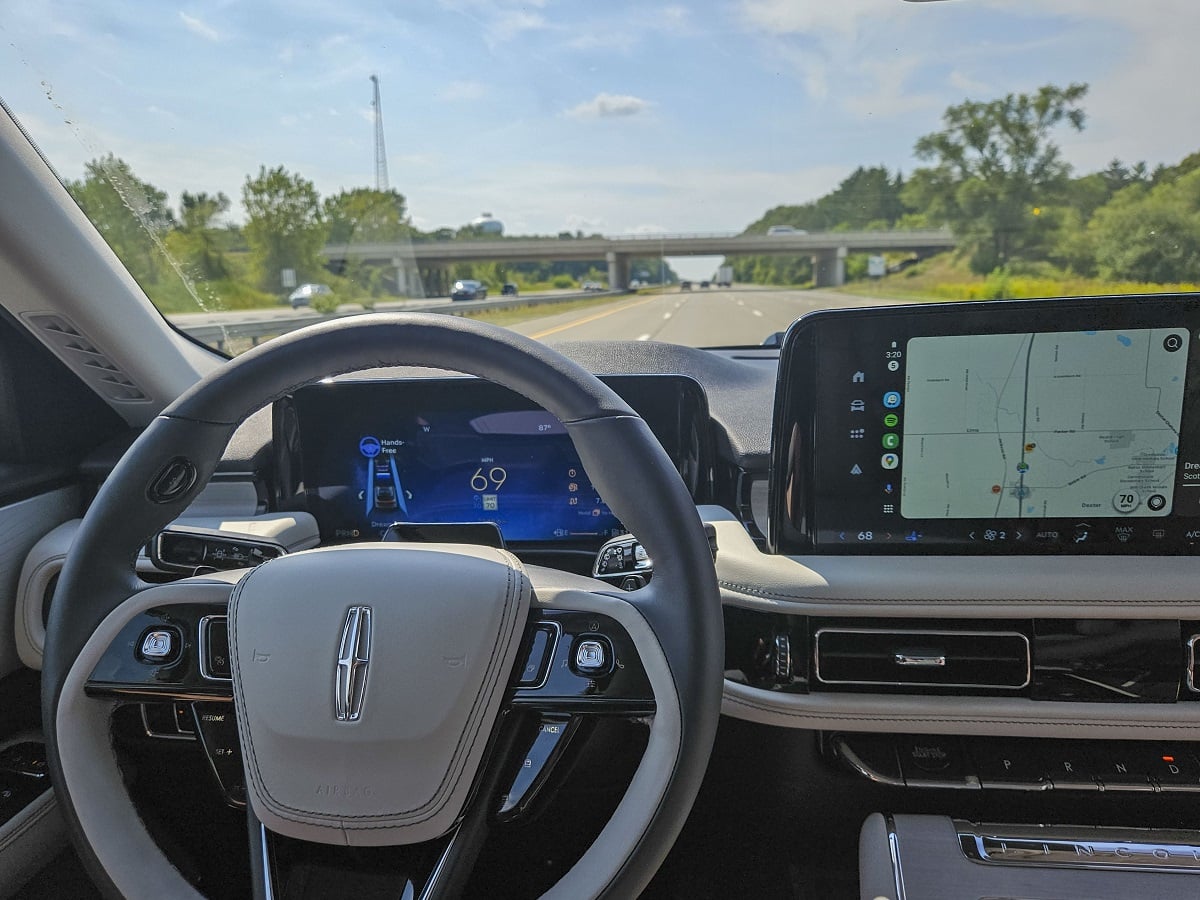
Photo: Perry Stern
One of the most exciting new features of the 2025 Aviator is BlueCruise, Lincoln's hands-free driver-assistance system. A four-year subscription comes standard on every 2025 Aviator. While this isn't a completely autonomous system, it is one of the closest available in America.
BlueCruise works on most limited-access multi-lane highways in North America, with more than 130,000 miles of roads designated as Hands-Free Blue Zones. BlueCruise will only function in one of these zones.
I tested the Aviator's BlueCruise on Interstate 94 in southeast Michigan, and the system worked flawlessly. Once I entered the freeway, I set the adaptive cruise control to 70 mph. Immediately, the BlueCruise symbol (a blue steering wheel) appeared on the driver's display with "Hands-Free" showing, indicating that I could let go of the steering wheel. It was a bit unnerving the first time—even more so for my wife sitting in the passenger seat—but the Lincoln did everything it was supposed to.
The Aviator stayed centered in the lane most of the time. However, when this latest version of BlueCruise detects a large vehicle in the next lane, it will reposition the SUV within its lane, moving over slightly. It stays in the lane but provides more breathing room between you and the neighboring vehicle.
As I approached a slower vehicle, the Aviator slowed to match the speed, maintaining space from the car ahead. I put on the left turn signal, and the Lincoln automatically moved to the left lane and returned to its original speed.
Another nice feature of BlueCruise is that it continues to operate even if you need to grab the wheel to swerve around something on the road. However, situations like that are why the driver must pay attention to the road for BlueCruise to operate. A driver-facing camera makes sure that the driver hasn't become distracted.
I had certain expectations of a quiet, luxurious, and powerful ride when getting into the Aviator. For the most part, I wasn't disappointed. Power certainly wasn't lacking in the Aviator; all versions have a twin-turbo 3.0-liter V6 engine that puts out 400 horsepower and 415 pound-feet of torque. A smooth 10-speed automatic transmission is standard, as is RWD. All-wheel drive is available for all trim levels.
At the time of writing, fuel-efficiency ratings from the Environmental Protection Agency (EPA) weren't available for the 2025 Aviator. However, the 2024 Aviator with the same powertrain lists an estimated rating of 20 mpg combined for the AWD version. The trip computer on my test vehicle showed a respectable 20.8 mpg during my drive.
With the traction of AWD and the twin-turbo engine under the hood, the Aviator feels quick from a standstill, and passing slower vehicles on two-lane back roads or accelerating onto the highway is easy.
Cruising on the freeway at 70 mph, the Aviator delivers a comfortable, confident ride with the adaptive suspension smoothing the inevitable rough surfaces of Michigan roads. My only disappointment was in the level of road noise. The cabin was relatively loud at highway speeds—much noisier than I would expect of a Lincoln.
I also took the Aviator on my favorite back roads north of Ann Arbor, Michigan. While handling is reasonable with responsive steering and good grip, the suspension is more for comfort than sporty driving. The Aviator is better suited for cruising through town or taking a long road trip.
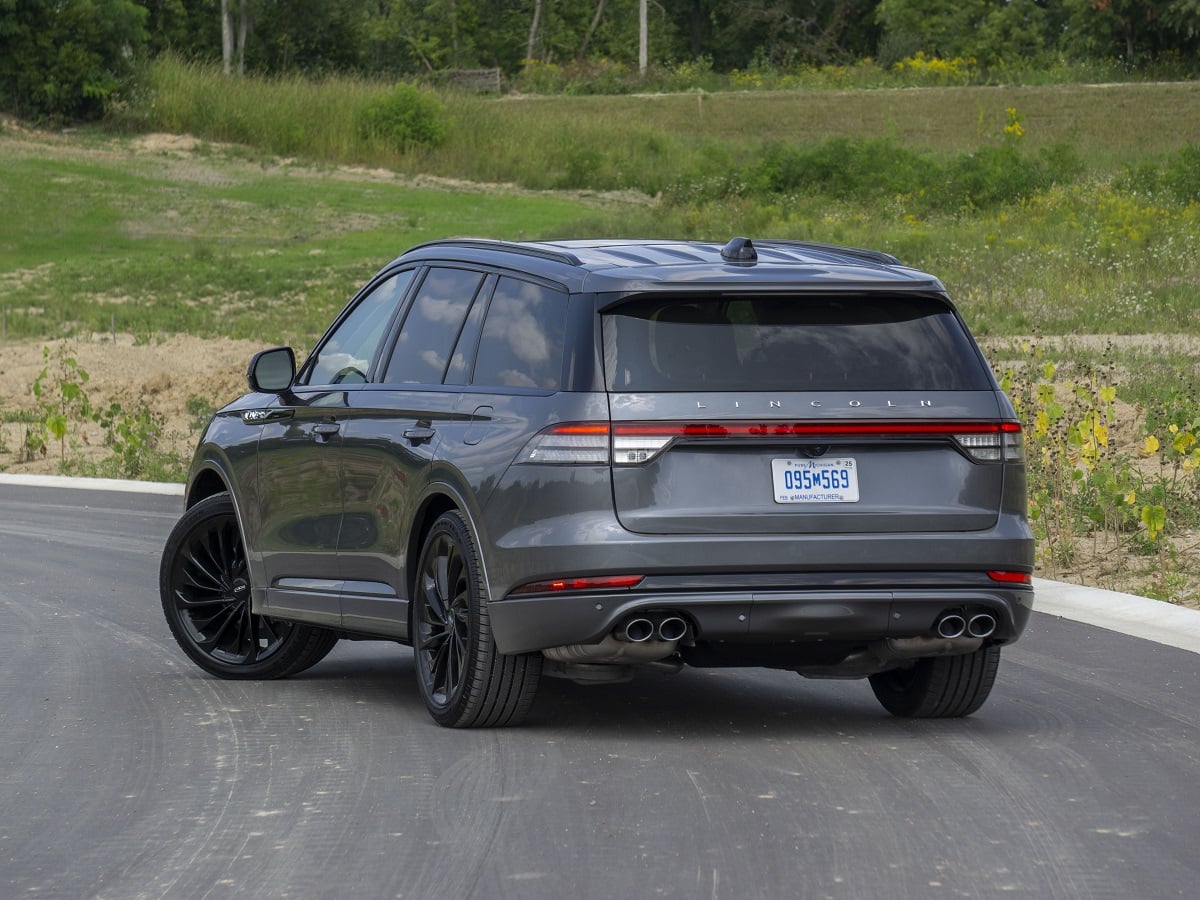
Photo: Perry Stern
Lincoln has brought some welcome updates to the three-row Aviator for the 2025 model year, which should help to keep this important Lincoln model relevant in today's competitive luxury SUV market. With its stylish new design, updated interior, and versatile Google-based infotainment system, the 2025 Aviator should hold its own against strong rivals like the BMW X5, Cadillac XT6, Genesis GV80, and Mercedes-Benz GLE.
While the updates add considerable value to the Lincoln Aviator, features like the 30-way Perfect Position seats, its roomy cabin, the powerful twin-turbo V6 engine, and the advanced BlueCruise driver-assist system make the 2025 Lincoln Aviator one to keep on the consideration list.
Perry Stern has worked in the automotive industry for over 30 years and has always been a car enthusiast. Driving almost every new car on the market, Perry has written for multiple publications in addition to his work for JDPower.com. Recently relocated to southeast Michigan, Perry is still crazy about cars, especially his 2006 Mazda MX-5 Miata.


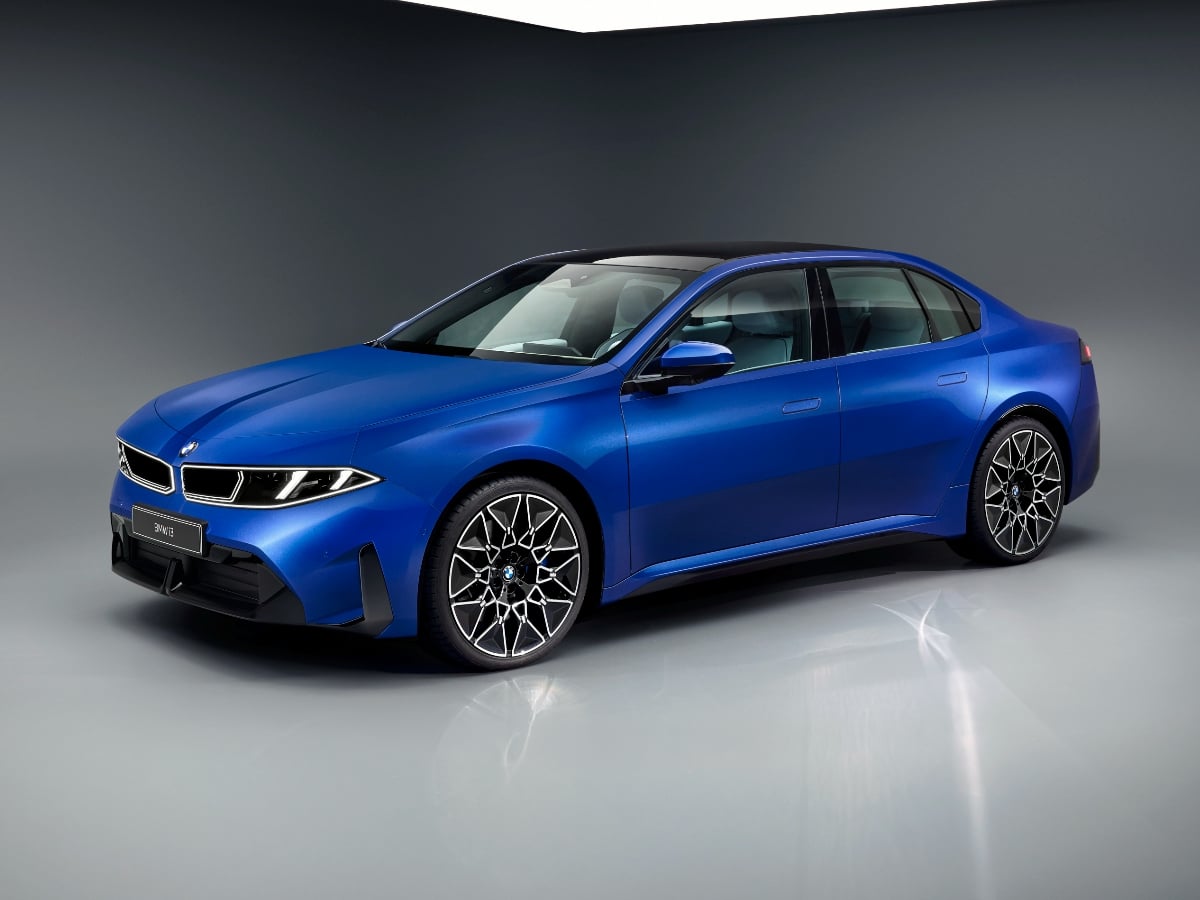
The new 2027 BMW i3 boasts an estimated range of up to 440 miles, 400-kilowatt DC fast charging capability, bidirectional charging to a home or the grid, and next-generation technology.
Read the Full Article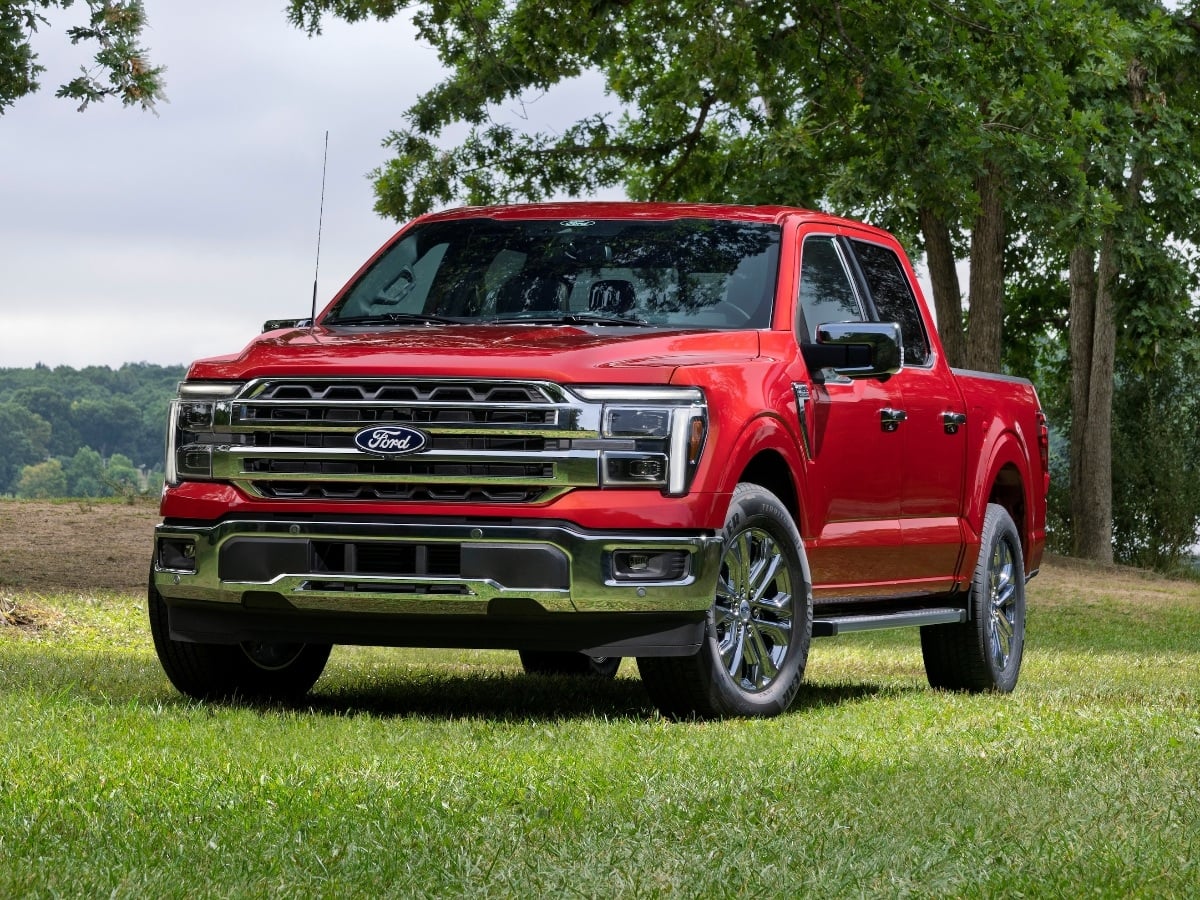
Facing renewed competition in the full-size, light duty pickup truck segment, the 2027 Ford F-150 receives subtle styling updates, a new standard engine, broader availability of its 5.0-liter V8, and ...See More
Read the Full Article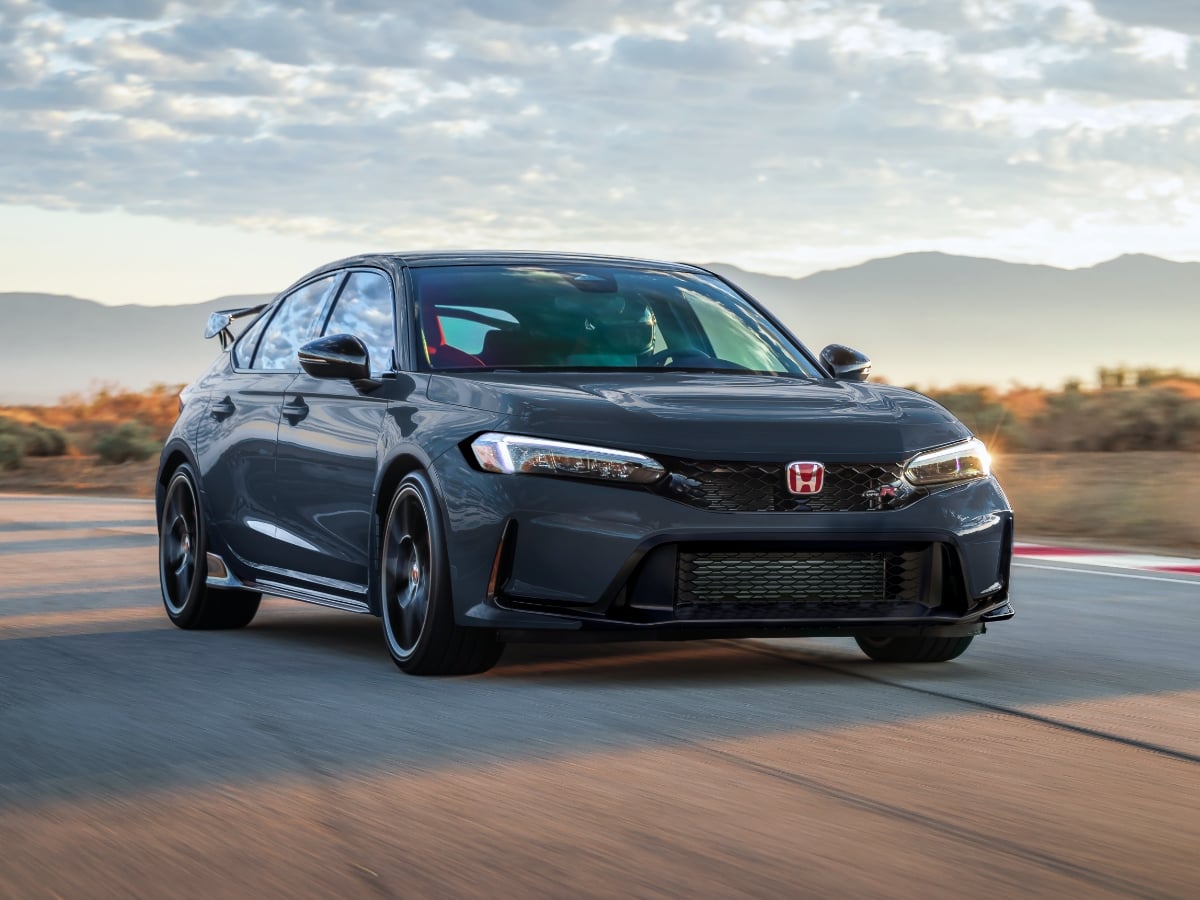
The 2027 Civic Type R goes on sale in October 2026, and it starts at $49,990, including the $1,295 destination charge.
Read the Full Article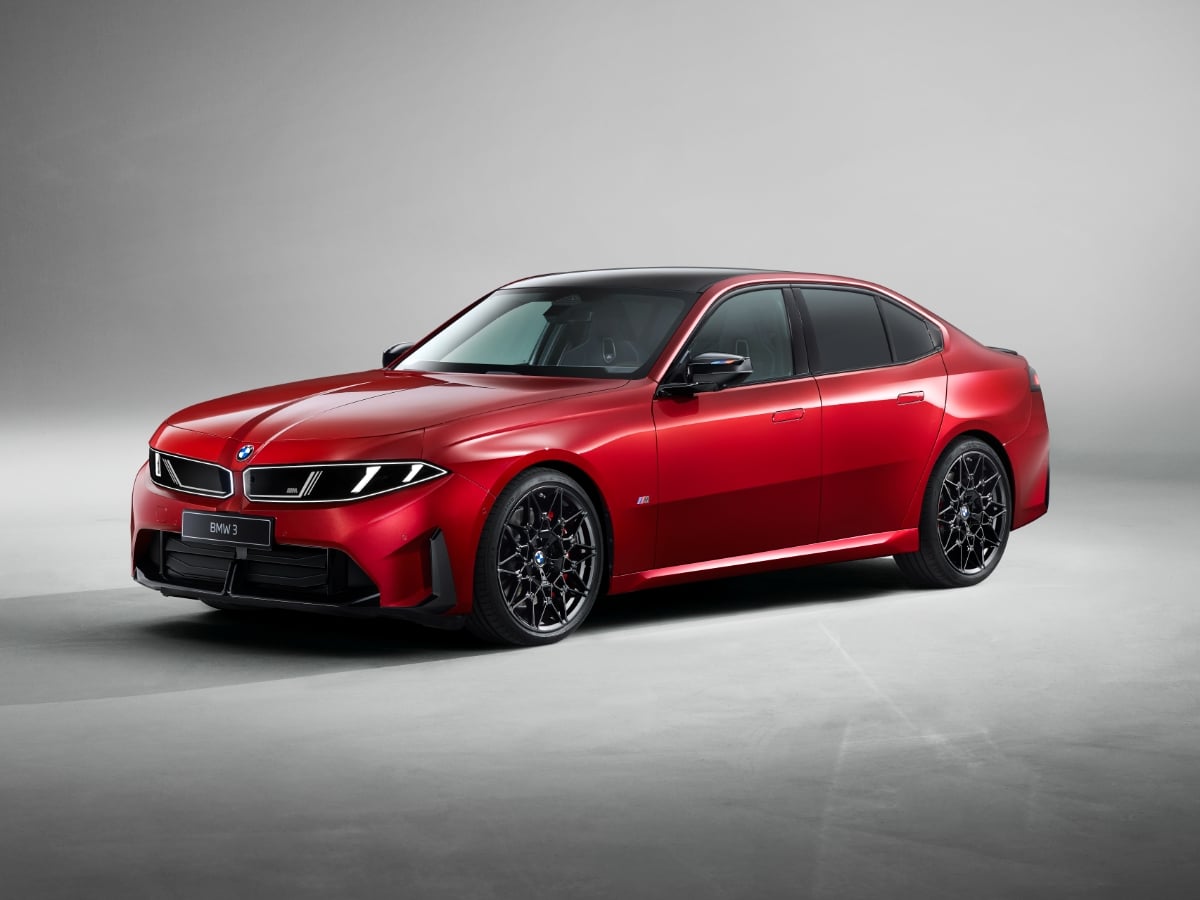
Part of BMW’s Neue Klasse (new class) rollout of redesigned models, the 2027 BMW 3 Series is all-new and goes on sale in the first quarter of 2027.
Read the Full Article