
Whether it's trail riding, rock crawling, or traversing any rugged terrain, going off-road presents a unique set of challenges that differ from everyday driving. To take the path less traveled, vehicles need special characteristics that enable them to get over uneven surfaces and challenging obstacles.

To that end, wheel articulation is an important aspect of vehicle performance and capability when off-roading. Wheel articulation is the ability of the suspension system to allow the wheels to move up and down independently of each other while maintaining full contact with the ground.
The primary goal of wheel articulation is to maximize traction and stability by keeping the wheels from lifting off the driving surface, whether on rough ground, rocks, or any object that causes up-and-down movement at the corners of the vehicle. The degree to which the wheels can travel vertically without losing contact with the ground defines how much wheel articulation a vehicle has. This is also known as flex.
A vehicle with good wheel articulation can keep its wheels firmly planted on the surface, even when one wheel is going over an obstacle like a large rock or a deep rut. This ability to maintain ground contact helps ensure power is transmitted to the wheels effectively to sustain forward momentum.
The suspension system of an off-road vehicle is responsible for wheel articulation. It consists of several components that work together to absorb the shock of uneven surfaces and allow the wheels to move up and down freely. These components include springs, shock absorbers, and control arms.
A suspension's specific configuration and design determines how much the wheels can move vertically in response to the terrain's contours. Suspension systems in off-road vehicles can be either solid axle or independent suspension, each having different effects on wheel articulation.
When it comes to off-roading, maintaining traction is crucial. If a wheel loses contact with the ground, the vehicle may become stuck, slide backward, or, in extreme situations, tip over. Good wheel articulation provides several advantages:
Wheel articulation is just one piece of the off-road puzzle. Traction, ground clearance, and an effective 4WD system all play essential roles in ensuring the vehicle can confidently handle any terrain. When wheel articulation combines with these elements to work together, they can provide the ideal setup for a successful off-roading experience.
In off-roading, wheel articulation enables the wheels to maintain contact with the ground in uneven situations. This capability increases traction and provides stability and control, allowing vehicles to navigate challenging landscapes safely and effectively.
To learn more about various automotive topics, visit the Shopping Guides section of the website.
Jessica Shea Choksey is an experienced writer in the automotive field. In addition to JDPower.com, she was a correspondent for PBS's MotorWeek, and her work has appeared on Autotrader.


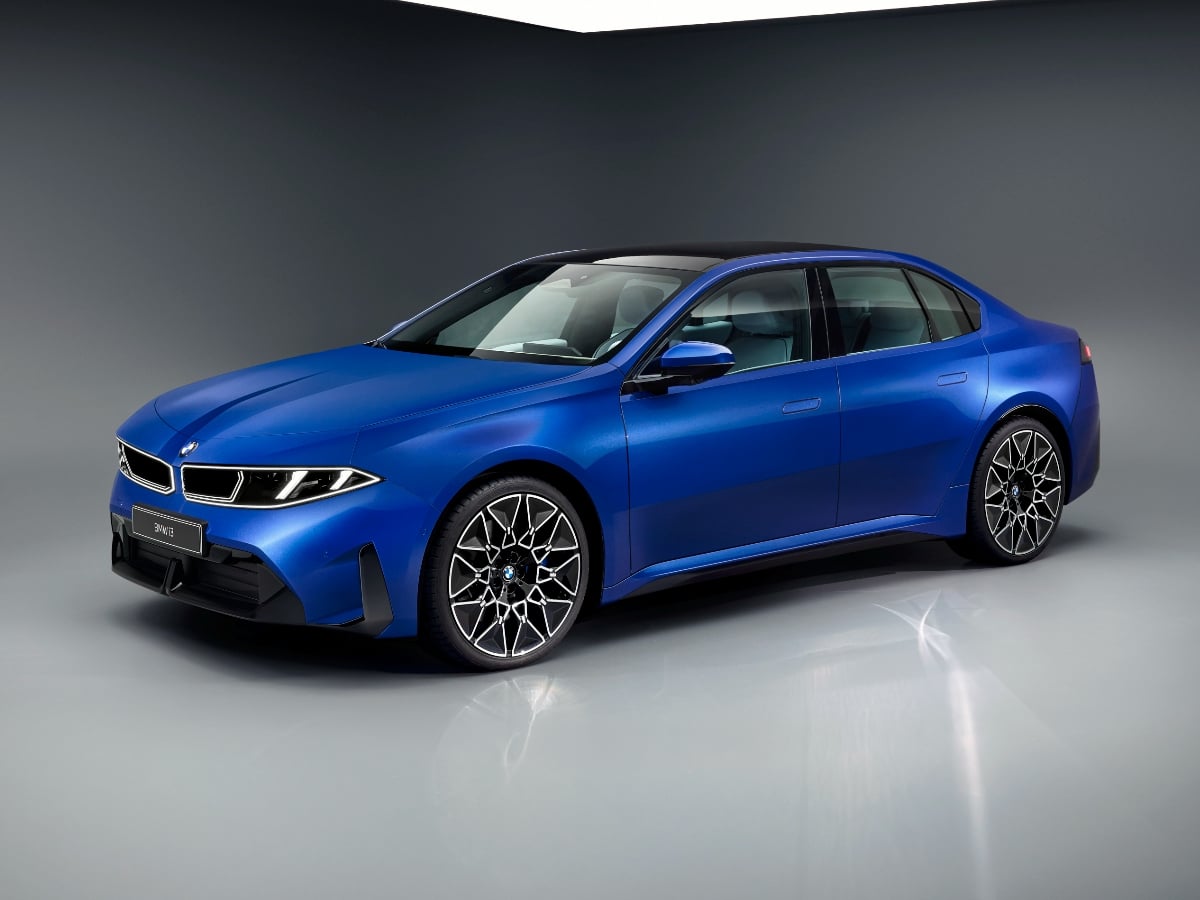
The new 2027 BMW i3 boasts an estimated range of up to 440 miles, 400-kilowatt DC fast charging capability, bidirectional charging to a home or the grid, and next-generation technology.
Read the Full Article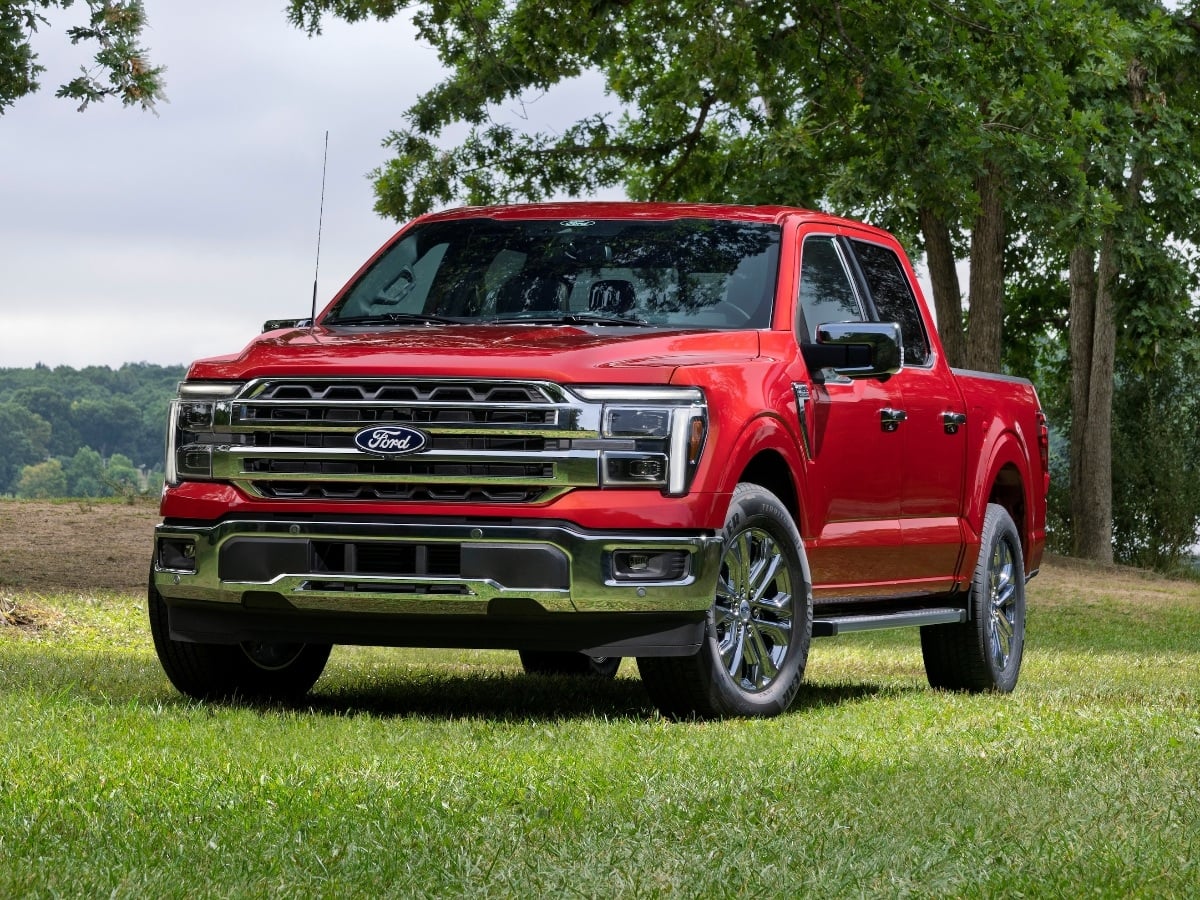
Facing renewed competition in the full-size, light duty pickup truck segment, the 2027 Ford F-150 receives subtle styling updates, a new standard engine, broader availability of its 5.0-liter V8, and ...See More
Read the Full Article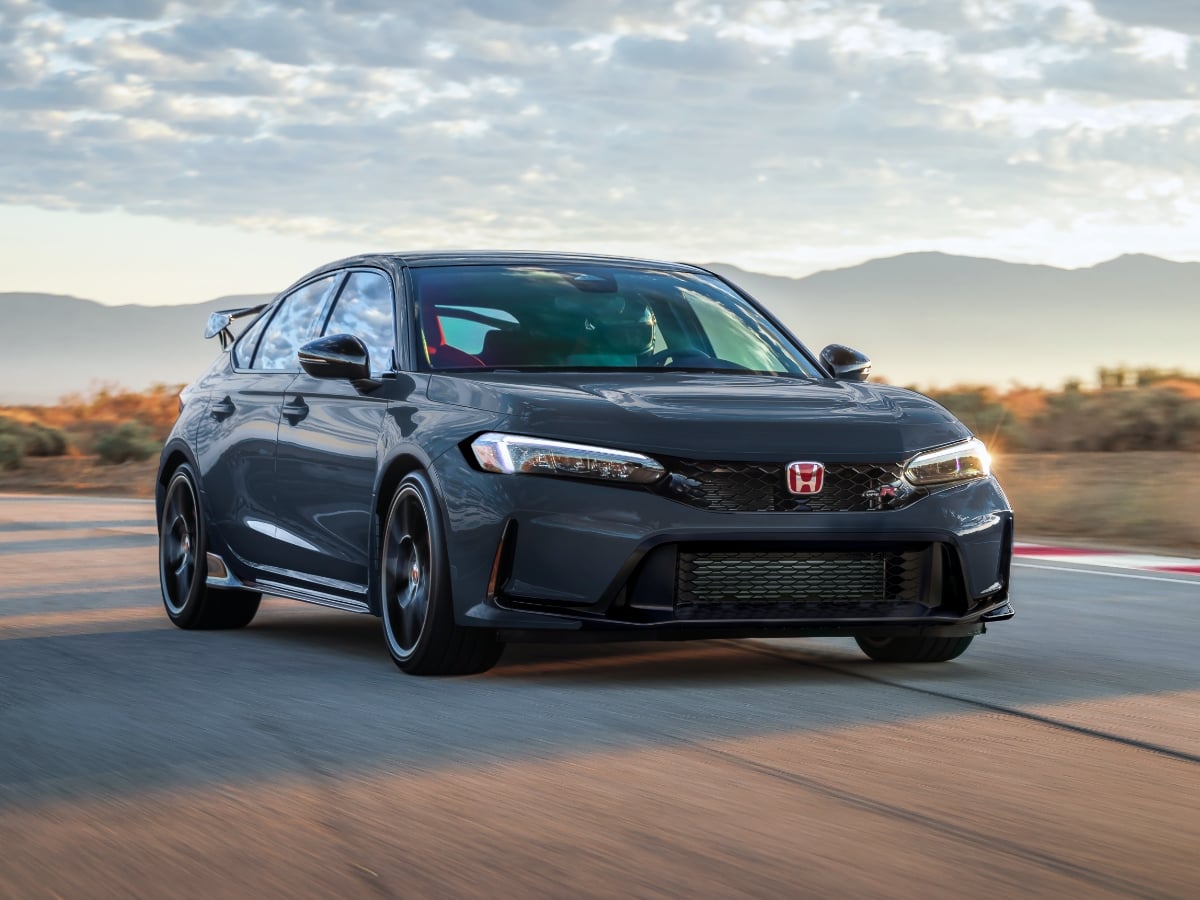
The 2027 Civic Type R goes on sale in October 2026, and it starts at $49,990, including the $1,295 destination charge.
Read the Full Article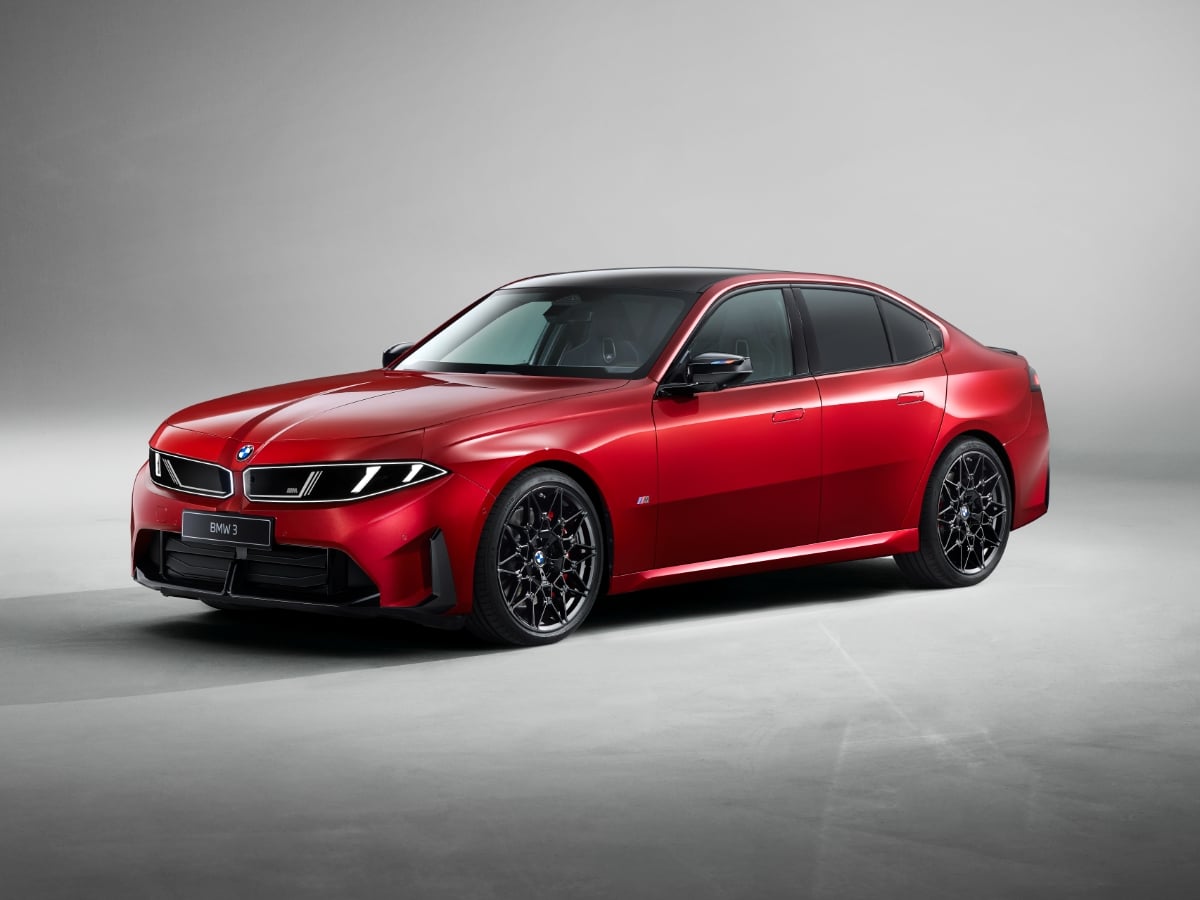
Part of BMW’s Neue Klasse (new class) rollout of redesigned models, the 2027 BMW 3 Series is all-new and goes on sale in the first quarter of 2027.
Read the Full Article