
Volvo has long been associated with safety, and the Swedish car brand continues to lead the way toward safer, smarter, and more reassuring driving experiences. Volvo Pilot Assist, one of the advanced driver assistance systems (ADAS) that support this vision, is a semi-autonomous feature that includes adaptive cruise control (ACC) and active steering guidance.

Pilot Assist is designed to lessen driver fatigue during long interstate drives and traffic jams by helping keep the vehicle centered in its lane and maintaining a safe distance from other cars. While not fully autonomous, it represents a significant step toward autonomous mobility, placing Volvo firmly in the race for the future of human-machine interaction on the road.
At its core, Volvo Pilot Assist combines several key technologies, such as radar sensors, cameras, and onboard computers, to monitor road lines, other vehicles, and the actions of different cars. Here is how it operates in real time:
The driver activates Pilot Assist with a steering wheel button. Once on, the system shows its status on the digital instrument cluster, indicating whether lane guidance and ACC are engaged.
Practically, this means that while ACC and lane keeping assistance are reactive, intervening as needed, Pilot Assist is proactive. It continuously helps with steering, braking, and accelerating. This results in smooth driving on highways and reduces stress, especially on long trips or in heavy freeway traffic.
It is crucial to remember that Pilot Assist requires the driver to keep their hands on the steering wheel at all times. If the system does not detect steering input for more than a few seconds, it triggers a visual and audible warning. This ensures that while the technology offers helpful support, the driver retains ultimate control.

Pilot Assist is primarily intended for use on highways and roads with light traffic, where clear lane markings and steady traffic flow enable it to operate at its best. Some of the most common applications include:
Pilot Assist is not ideal for winding rural roads, construction zones, or unmarked traffic lanes. It needs visible lines and surrounding traffic to work best.
Volvo does not see Pilot Assist as a gimmick. It is the natural next step in the automaker's long-standing safety leadership. Volvo's "Vision Zero" goal—that no one should be killed or seriously injured in a new Volvo—drives ongoing innovation in driver assist technology. As a result, Pilot Assist has several guardrails:
Furthermore, Pilot Assist works alongside other ADAS features, such as Collision Avoidance Assist (active forward collision warning), Run-Off Road Mitigation (lane departure warning), and blind spot warning, all of which help form a "safety net" around the driver.
When Volvo introduced Pilot Assist on the XC90 in 2015, it marked a groundbreaking advancement in semi-autonomous technology. The system has since undergone a series of updates:
New drivers can adapt to Volvo's system in just a few minutes. The process typically involves:
Volvo Pilot Assist combines ACC, active lane centering, and intelligent braking to make long-distance driving easier and safer, as well as daily traffic less stressful. Although not a self-driving system, Pilot Assist is a significant step toward it, giving drivers a glimpse of what is possible when human intuition and machine precision work together.
Visit the Shopping Guides section of the website to learn more about different automotive technologies.
Jessica Shea Choksey is an experienced writer in the automotive field. In addition to JDPower.com, she was a correspondent for PBS's MotorWeek, and her work has appeared on Autotrader.


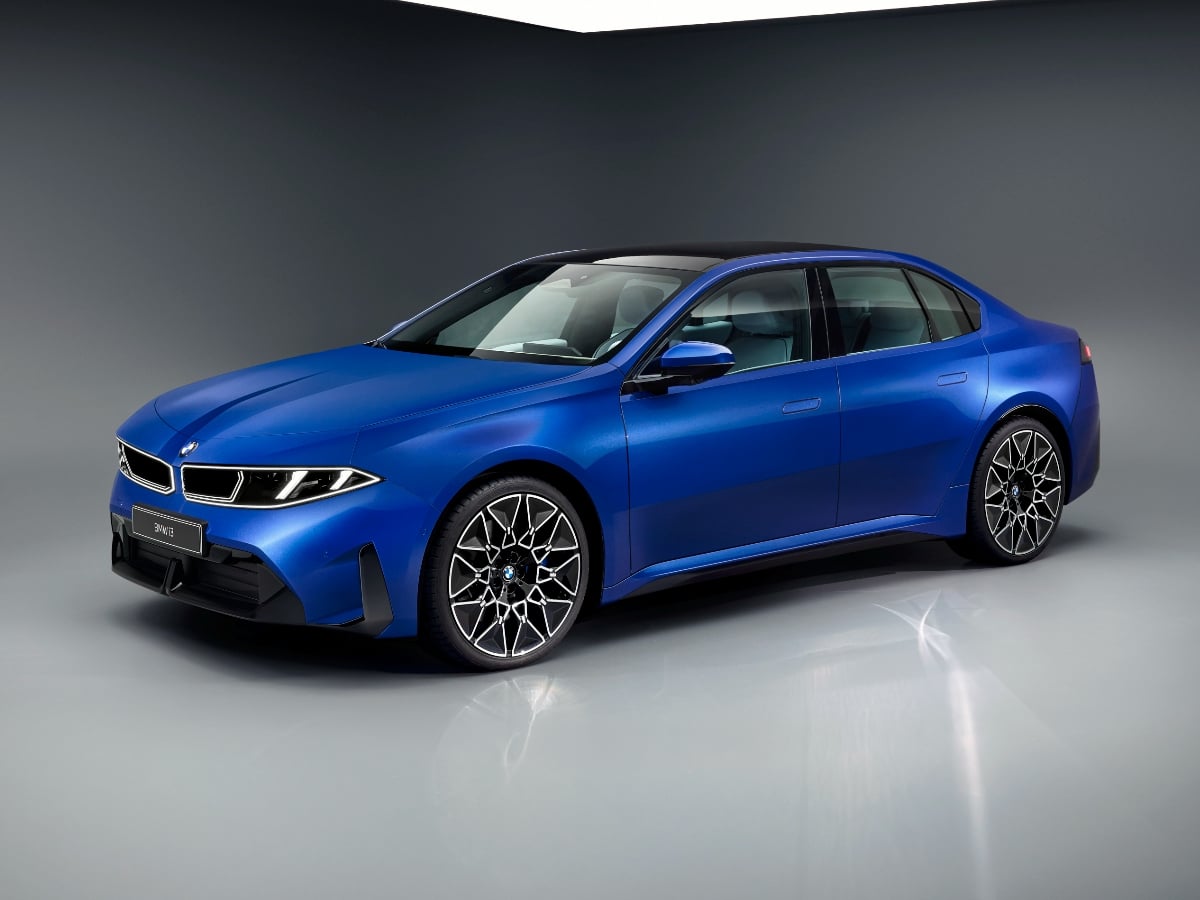
The new 2027 BMW i3 boasts an estimated range of up to 440 miles, 400-kilowatt DC fast charging capability, bidirectional charging to a home or the grid, and next-generation technology.
Read the Full Article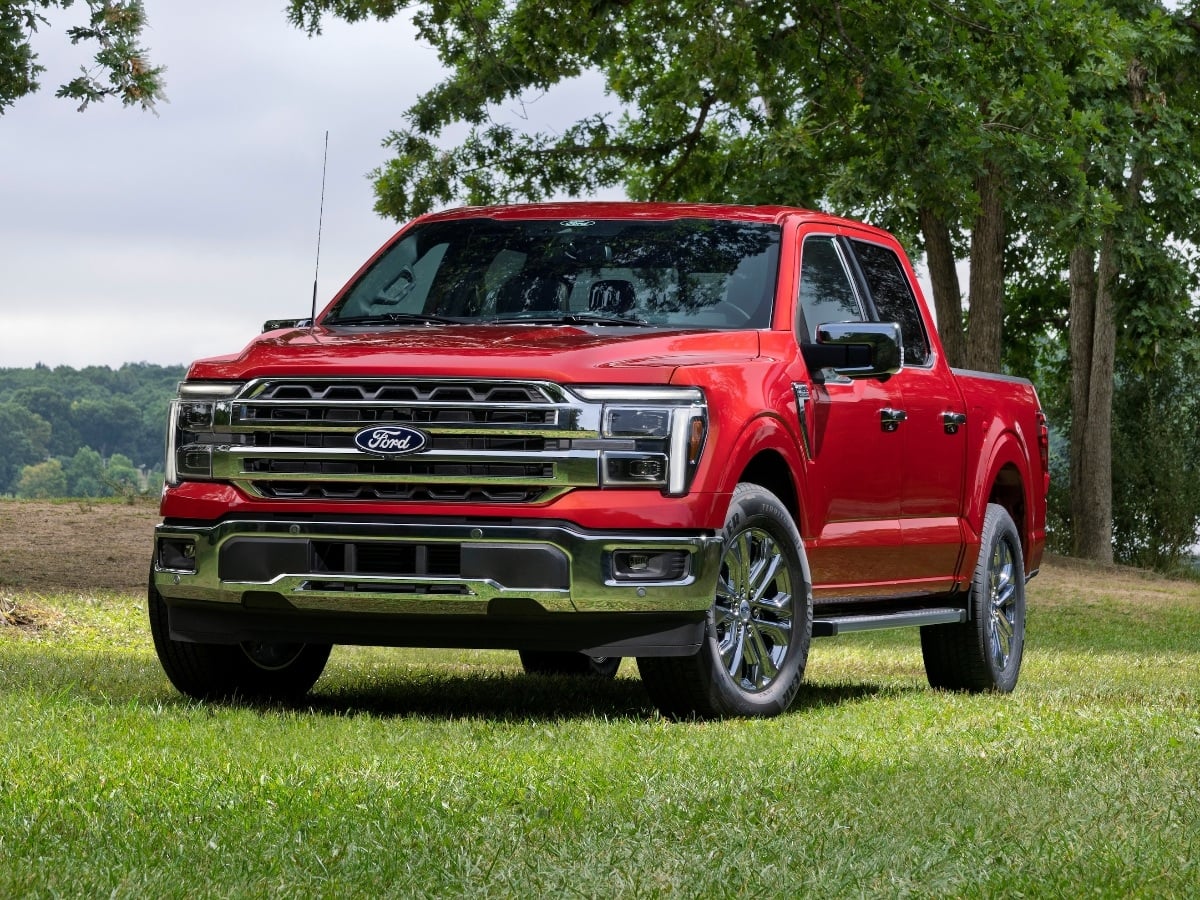
Facing renewed competition in the full-size, light duty pickup truck segment, the 2027 Ford F-150 receives subtle styling updates, a new standard engine, broader availability of its 5.0-liter V8, and ...See More
Read the Full Article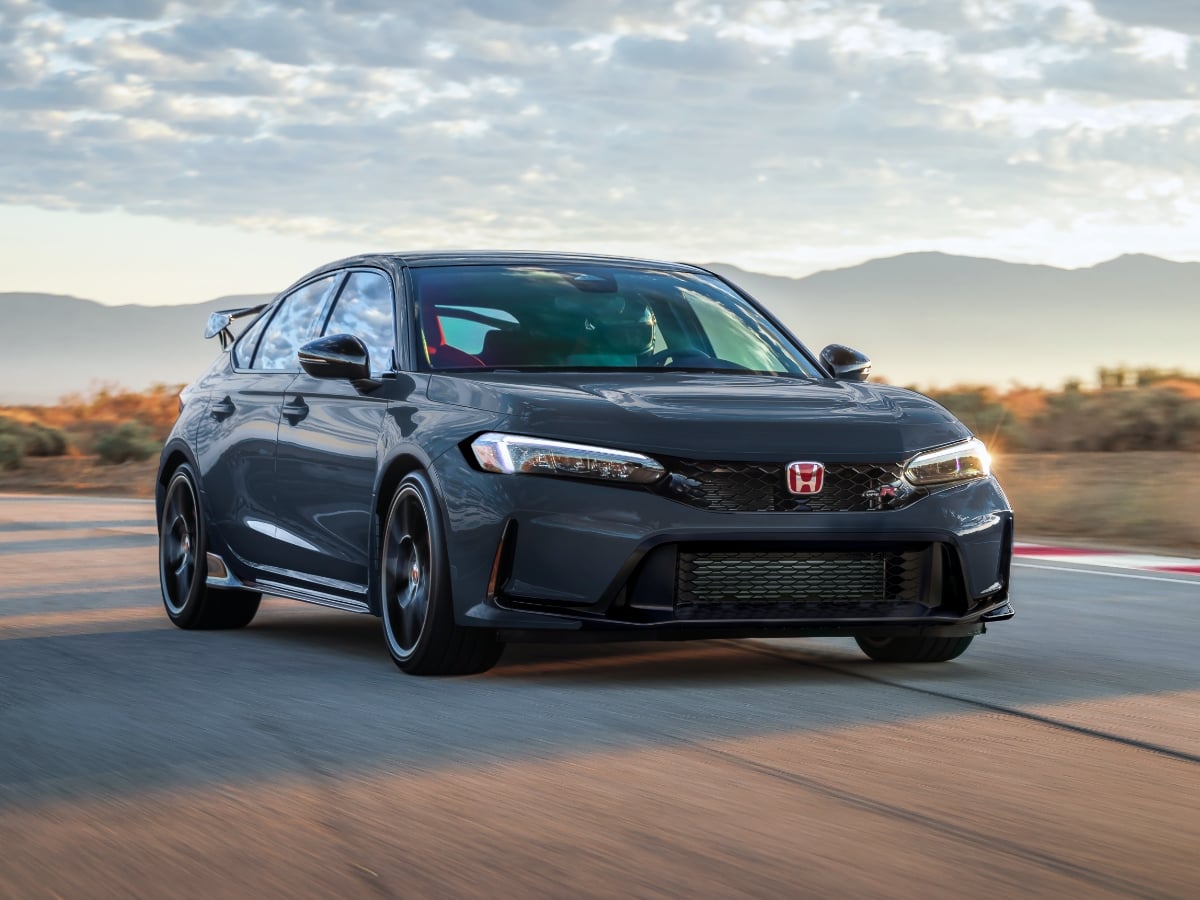
The 2027 Civic Type R goes on sale in October 2026, and it starts at $49,990, including the $1,295 destination charge.
Read the Full Article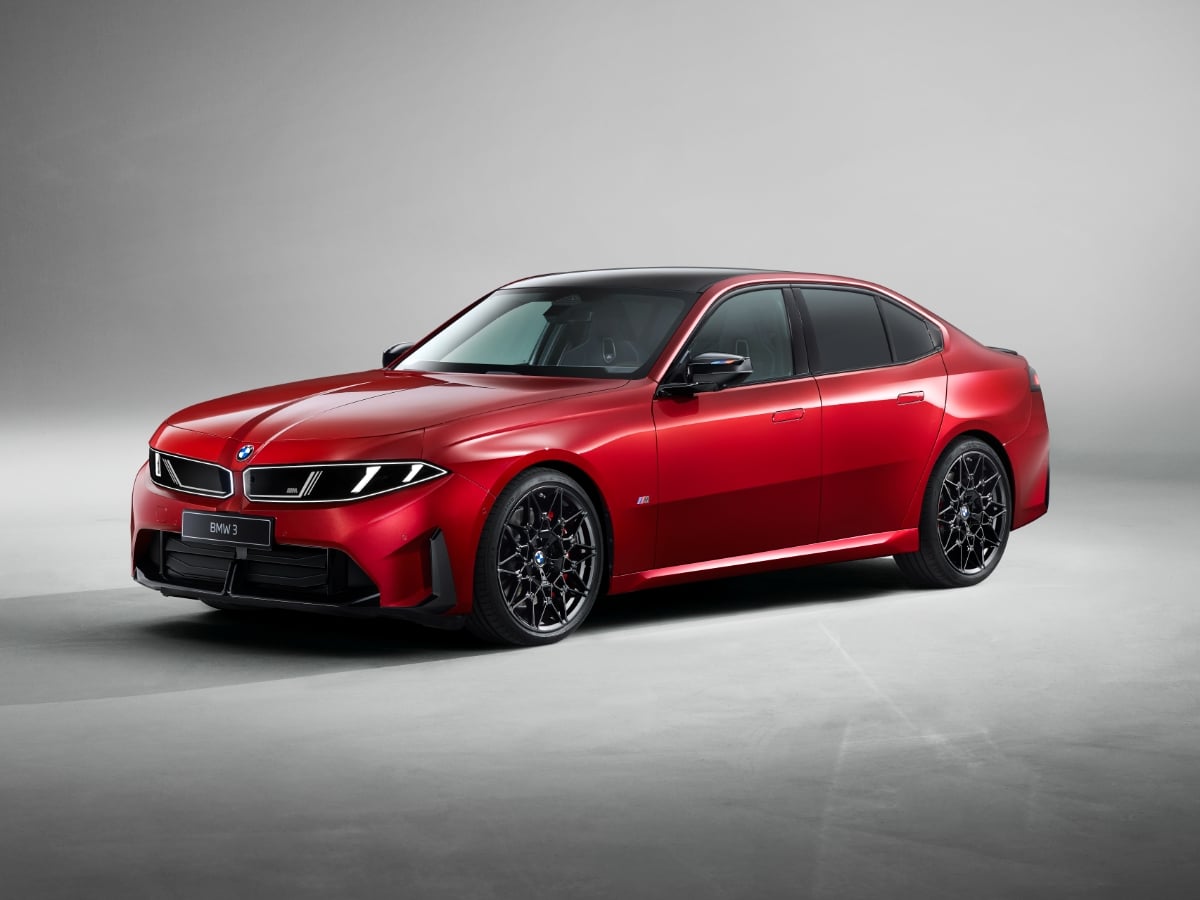
Part of BMW’s Neue Klasse (new class) rollout of redesigned models, the 2027 BMW 3 Series is all-new and goes on sale in the first quarter of 2027.
Read the Full Article