
Safety features on new vehicles are progressively becoming more sophisticated, and one of the latest technologies on this front is intersection automatic emergency braking (IAEB). Intersections are among the most common places where vehicle accidents occur; IAEB offers an effective way to detect and potentially avoid a collision at a crossroads.

IAEB is an advanced driver assistance system that helps drivers avoid or reduce the severity of accidents at intersections. It utilizes a camera behind the rearview mirror that scans the road ahead, specifically to the left and right, when approaching a perpendicular roadway.
A handful of automakers currently offer this technology: Audi, GM, Honda, Mazda, Mercedes-Benz, Toyota, and Volkswagen. Most systems are for low-speed driving up to 18 mph, while GM’s technology is for everyday speeds up to 50 mph.
Intersection automatic emergency braking is essentially a version of automatic emergency braking (AEB), which many automakers offer. However, while AEB is for avoiding a collision with an object in the vehicle’s path, IAEB specifically applies to scenarios involving intersections. Intersection automatic emergency braking is known as front cross-traffic alert, front cross-traffic assist, or front cross-traffic warning by some brands.
Intersection automatic emergency braking is also similar to intersection turn assistance, which applies to making left turns at intersections. That said, Toyota’s IAEB system, called Intersection Collision Avoidance Support, goes into effect during both left- and right-turn maneuvers.
Operationally, IAEB functions like rear cross-traffic warning technology. When the system detects a vehicle approaching from either side, it can alert the driver to act or automatically apply emergency braking if a collision appears imminent. The IAEB system enacts braking based on the speed at which your vehicle travels and the speed at which the car closes from the left or right.
If an accident appears avoidable without requiring emergency braking, the system will warn the driver with visual, acoustic, or tactile alerts. These can include lights in the instrument cluster or head-up display and rapid beeping sounds.
In addition, the GM system also provides vibrations in the driver's seat. The driver can feel these vibrations on the left and right side of the seat depending on the direction from which a vehicle approaches.
Suppose the driver does not react quickly enough to the system alerts. In that case, IAEB will automatically initiate braking and attempt to bring the vehicle to a halt before entering the intersection, thus avoiding an accident. Once the imminent danger passes, the car can resume its course.
Conditions associated with low visibility, such as fog, rain, snow, or road spray, may reduce IAEB’s performance. Also, if the windshield behind the rearview mirror is obstructed in any way or not clean, the system might not perform as expected.
Intersection automatic emergency braking technology improves road safety by preventing intersection crashes or reducing collision severity.
To learn more about various automotive technologies, visit the Shopping Guides section of the website.
Jessica Shea Choksey is an experienced writer in the automotive field. In addition to JDPower.com, she was a correspondent for PBS's MotorWeek, and her work has appeared on Autotrader.


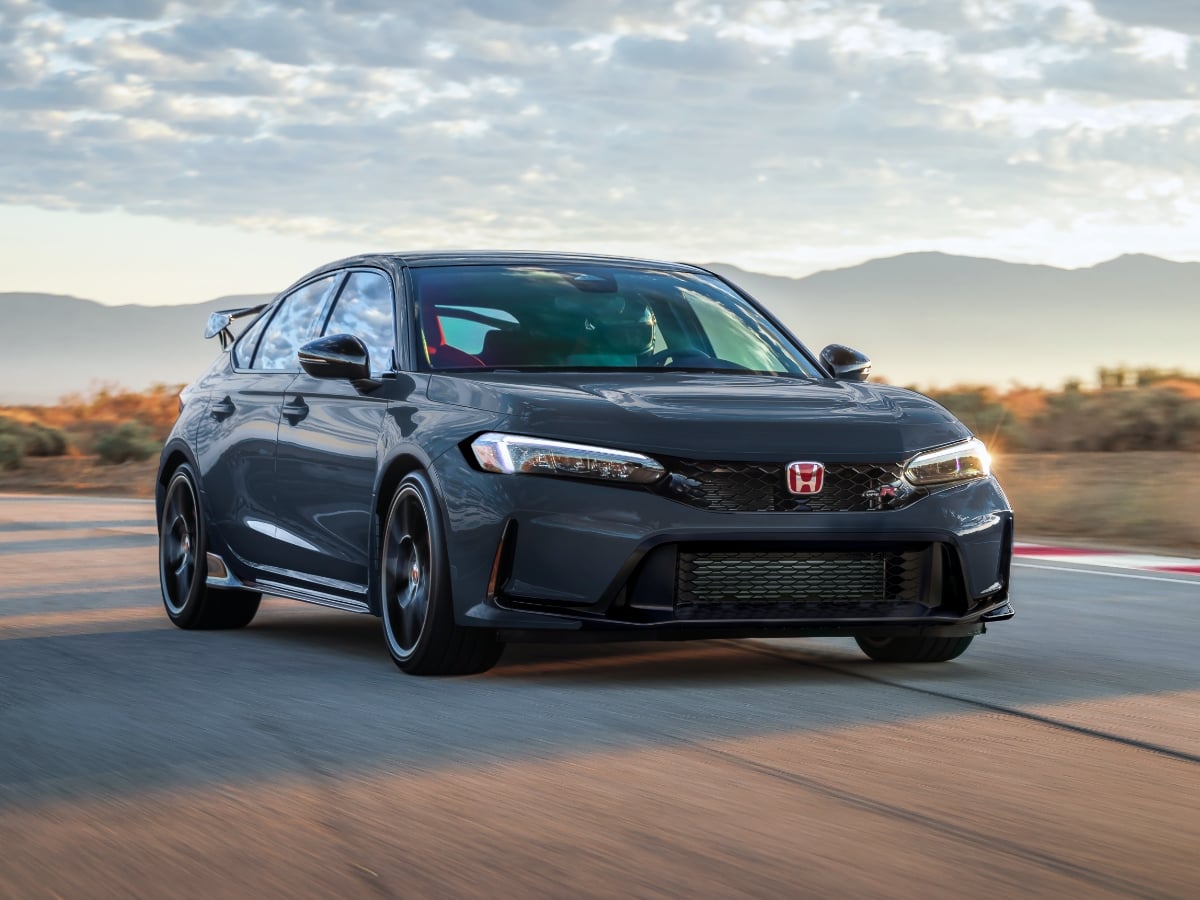
The 2027 Civic Type R goes on sale in October 2026, and it starts at $49,990, including the $1,295 destination charge.
Read the Full Article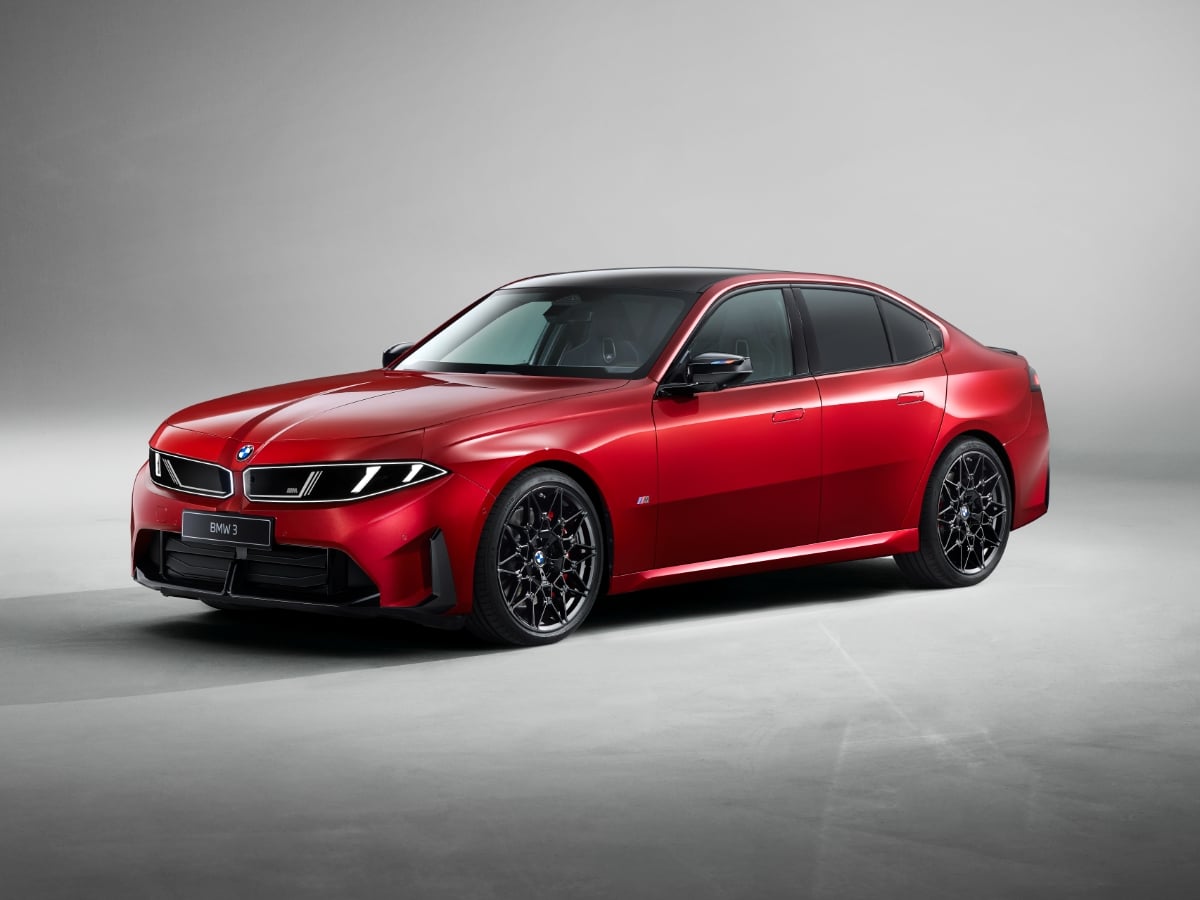
Part of BMW’s Neue Klasse (new class) rollout of redesigned models, the 2027 BMW 3 Series is all-new and goes on sale in the first quarter of 2027.
Read the Full Article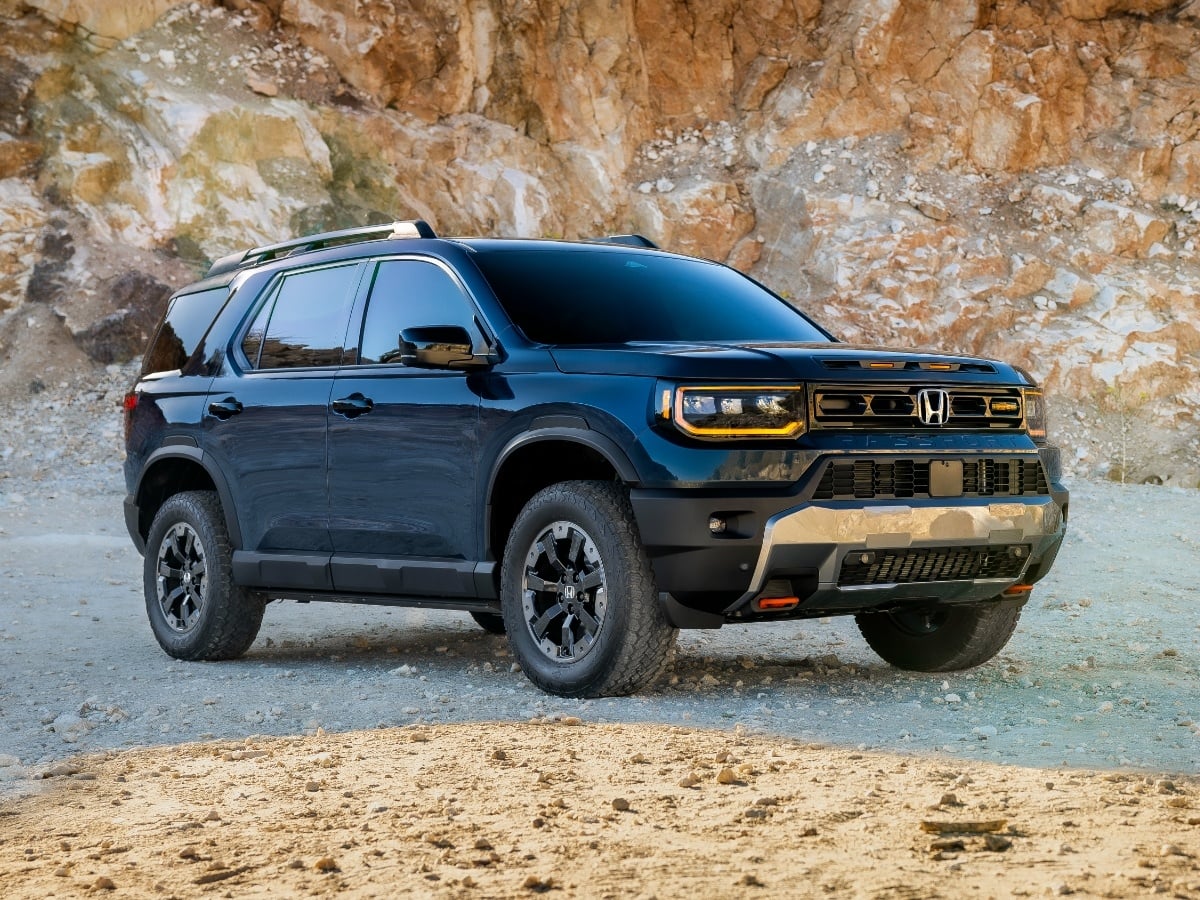
Updates to the 2027 Honda Passport TrailSport include a reworked suspension, improved steering, subtle styling enhancements, and added standard equipment.
Read the Full Article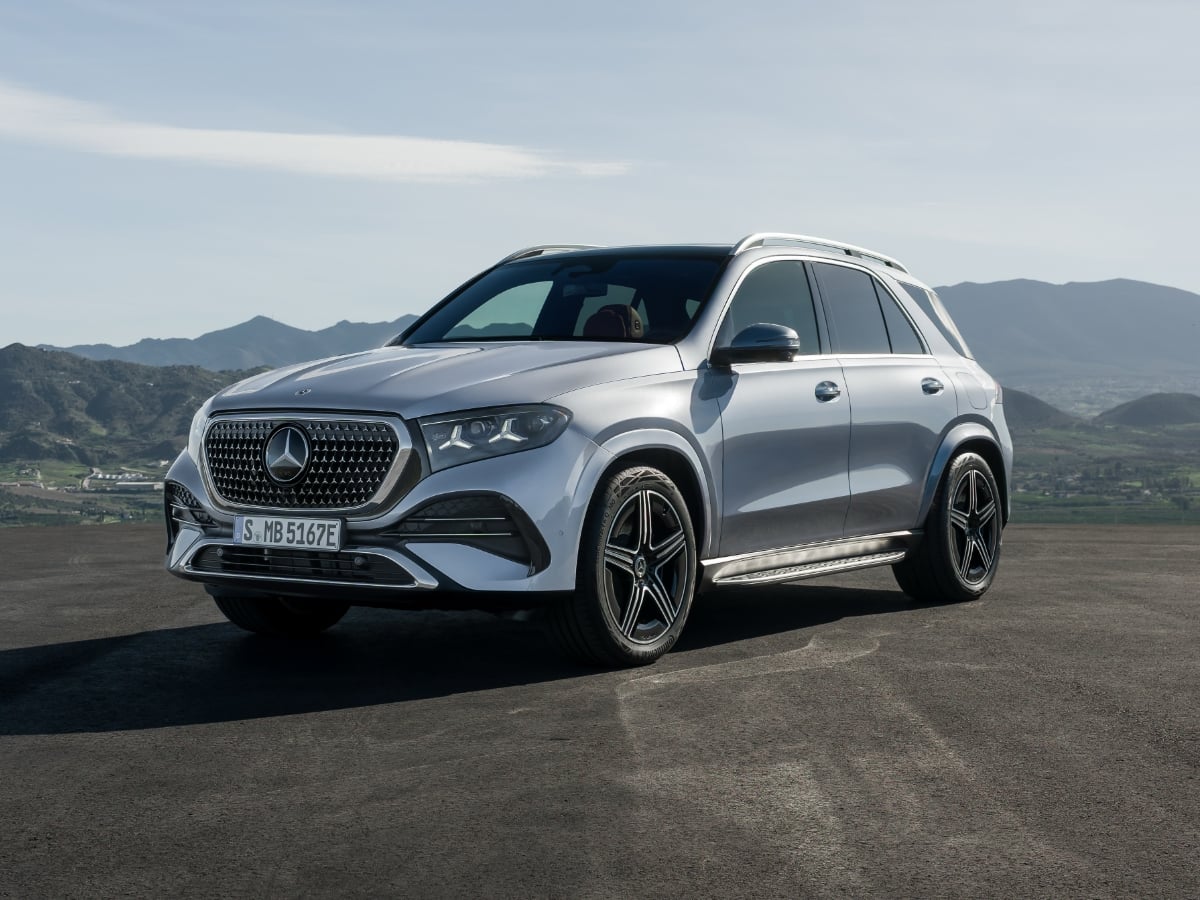
The midsize 2027 Mercedes GLE remains available in original and spicy Coupe recipes, now with standard 4Matic all-wheel drive (AWD), MBUX Superscreen technology, and a panoramic glass sunroof for ...See More
Read the Full Article