
With all the recent emphasis on electric vehicles, we often overlook the technology that still powers most cars on the road today. The internal combustion engine (ICE) has been at the heart of the auto industry for almost 150 years. It continues to be the primary source of motive power for vehicles worldwide, be it cars, trucks, motorcycles, RVs, boats, planes, and beyond.

Combustion engines will likely phase out over the next few decades, replaced by zero-emission mobility solutions due to global clean air standards and efforts to reduce carbon emissions from the environment. However, advancements in ICE design have helped make vehicles more powerful, more efficient, and cleaner-burning than ever before, especially when integrated with hybrid and plug-in hybrid powertrains.
Before we get into technical matters, it's essential to understand how the ICE came into existence. A timeline of significant milestones shows the development of the ICE from early inception to application within automobiles:

In 1886, Karl Benz started the first commercial production of motor vehicles with an internal combustion engine, installed in the three-wheeled Motorwagen. Although various scientists, inventors, and engineers contributed to the development of internal combustion engines, Karl Benz's contribution in 1886 is generally regarded as the start of the modern automotive age.
On the most basic level, an ICE is a mechanical system that ignites fuel to release energy (combustion) within itself to give motive power or propulsion to an object, such as a vehicle. Combustion is essentially an explosion, or in the case of engines, a series of explosions that converts chemical energy into kinetic energy.
The engine uses a cast iron or aluminum block, typically housing three or more fixed cylinders. Each cylinder contains a moving piston. The expansion of high-temperature and high-pressure gases from combustion pushes these pistons back and forth within the cylinder, which, in turn, rotates a crankshaft. The rotational movement of the crankshaft then turns a gear system within a transmission that ultimately drives the vehicle's wheels.

A vehicle's powertrain is a system of components that transfers energy from the cylinders to the gears. A powertrain's output is measured in horsepower and torque. Horsepower most commonly corresponds to vehicle speed, while torque relates to acceleration and pulling power (i.e., towing capacity).
Two primary types of internal combustion engines exist: a spark ignition gasoline engine and a compression ignition diesel engine. Spark ignition and compression ignition differ in how each delivers and ignites fuel within an engine.
In a spark ignition engine, the fuel is mixed with air and then inducted into the cylinder. After the piston compresses the fuel-air mixture, the spark ignites it, causing combustion. In a diesel engine, only air is inducted into the engine and then compressed. This system sprays diesel fuel into the hot, compressed air, causing it to ignite and combust.

The most common powertrain type uses a four-stroke cycle, meaning four piston strokes are needed to complete one operating cycle that produces combustion. This cycle includes four steps: intake (or induction), compression and combustion, power stroke, and exhaust.
Here is what happens at each phase:
There are, of course, different types, sizes, and configurations of combustion engines, each with nuances and variations. Engines are generally defined by size measured in liters, the number of cylinders, and how those cylinders are arranged.

In modern vehicles, they're commonly in a V-pattern (V6 and V8), an inline pattern (I4 and I6), or a horizontally opposed, or boxer-type, pattern (flat-4, flat-6). In each, the four-stroke cadence is the fundamental process by which energy is released to create motive power.
Motor oil is used in ICEs to minimize friction between the pistons, cylinders, and other moving parts, thus preventing overheating. When an ICE does not have sufficient oil, its components become susceptible to burning up, breakage, or other irreversible damage. That's why checking the oil and getting regular oil changes is so important if you own an ICE-powered vehicle.
The most common fuels for ICEs come from fossil fuels, predominantly gasoline or diesel. Most ICE units can also run on natural gas, and with proper modifications, ICE engines can burn cleaner biofuels such as ethanol and biodiesel. Rarer biofuels include peanut oil, soybean oil, vegetable oil, wood alcohol, and biogas.
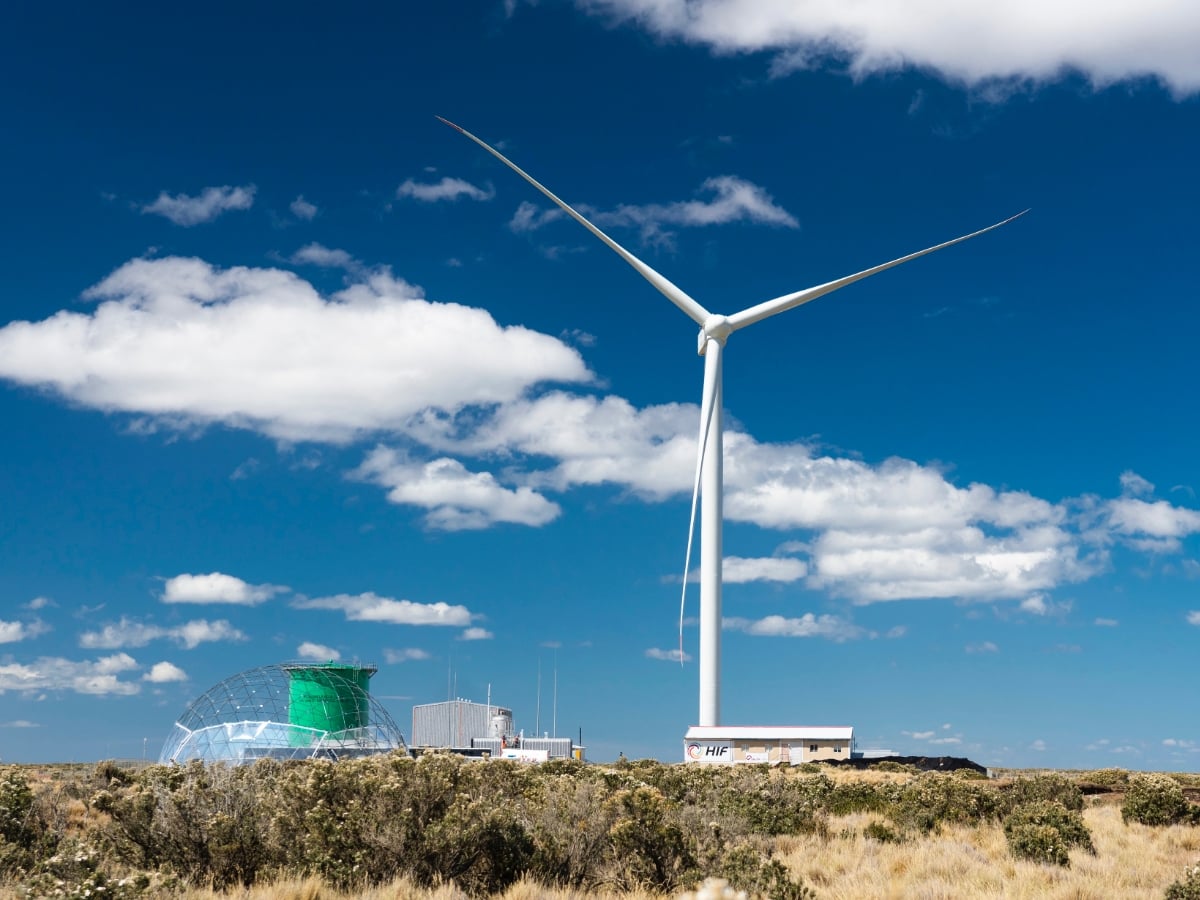
Some automakers, such as Porsche, are also testing synthetic fuels made from renewable energy.
Over the past 30 years, research and development have helped manufacturers reduce ICE emissions, such as nitrogen oxides and particulate matter, by more than 99% to comply with EPA emission standards. Ongoing R&D efforts have also improved ICE performance through greater horsepower and torque.
The main approaches to improving ICE efficiency and performance have been:
Internal combustion engines have served as the driving force behind our motive world, providing drivability and durability for more than 250 million vehicles in the United States and many times that number worldwide. As such, the ICE is perhaps the single most important development in the history of the automotive industry.
However, the curtain is likely closing on the ICE as the world seeks alternatives to fossil fuel use and the harmful emissions burning them create. They'll still be around for decades to come, especially if the auto industry figures out how to scale synthetic fuel. But increasingly, the future is electric.
To learn more about powertrain technologies, go to the Shopping Guides section of the JD Power website.
Jessica Shea Choksey is an experienced writer in the automotive field. In addition to JDPower.com, she was a correspondent for PBS's MotorWeek. Her work has also appeared in AutoTrader.


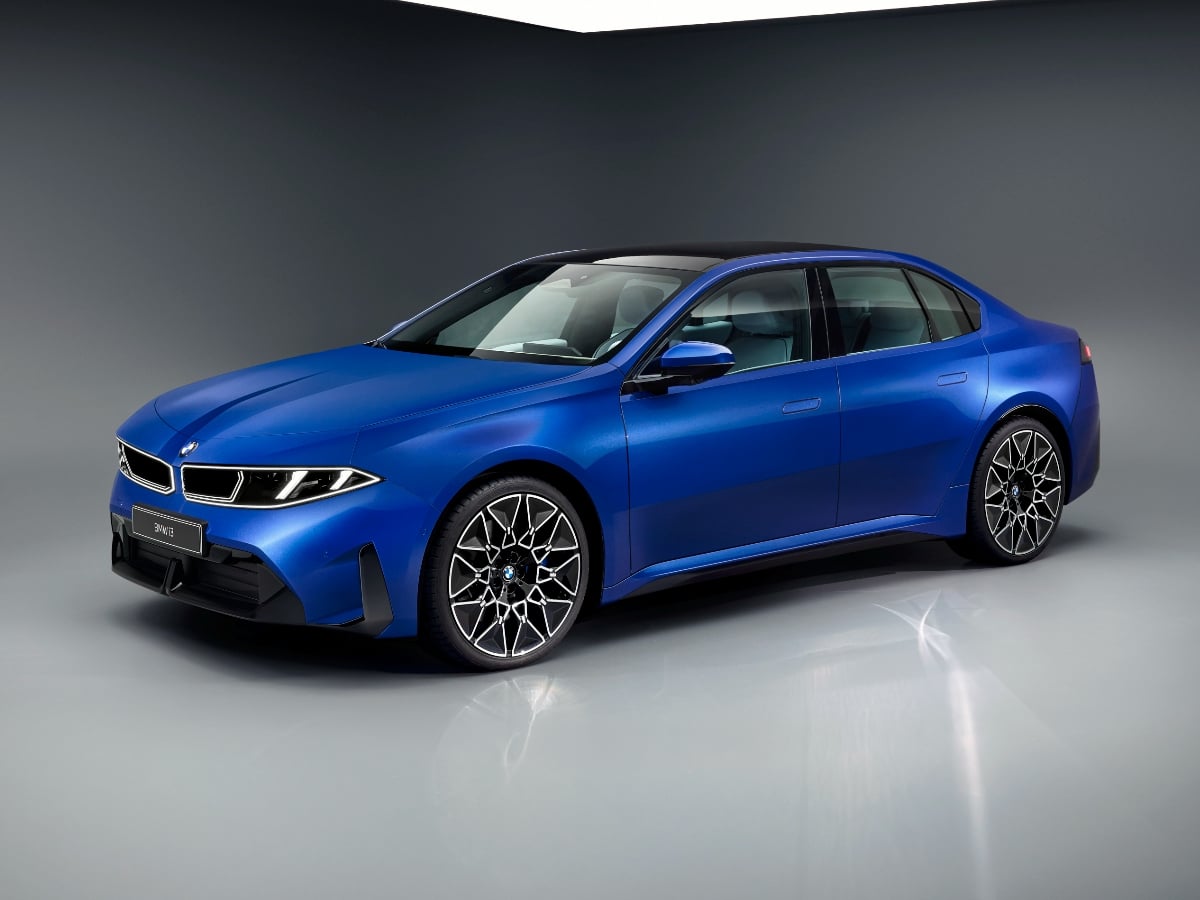
The new 2027 BMW i3 boasts an estimated range of up to 440 miles, 400-kilowatt DC fast charging capability, bidirectional charging to a home or the grid, and next-generation technology.
Read the Full Article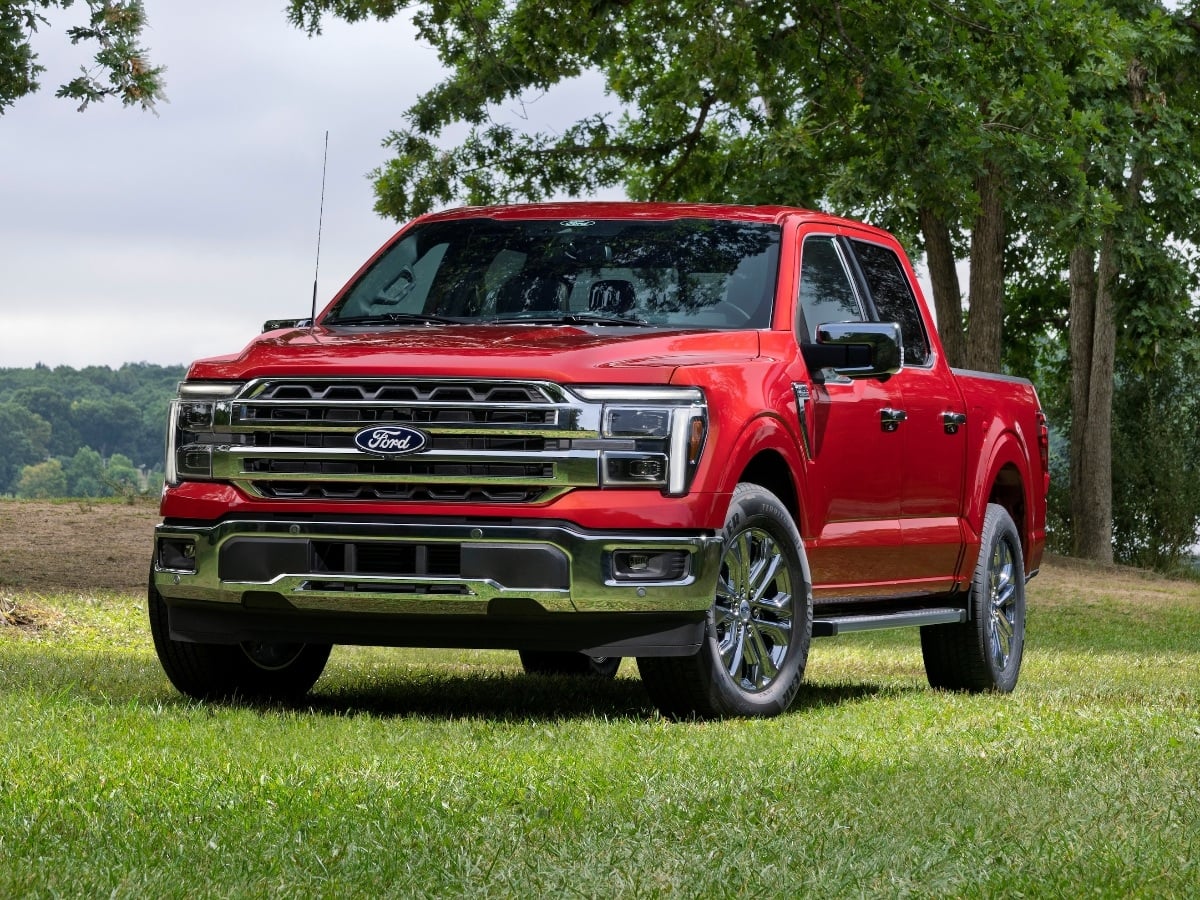
Facing renewed competition in the full-size, light duty pickup truck segment, the 2027 Ford F-150 receives subtle styling updates, a new standard engine, broader availability of its 5.0-liter V8, and ...See More
Read the Full Article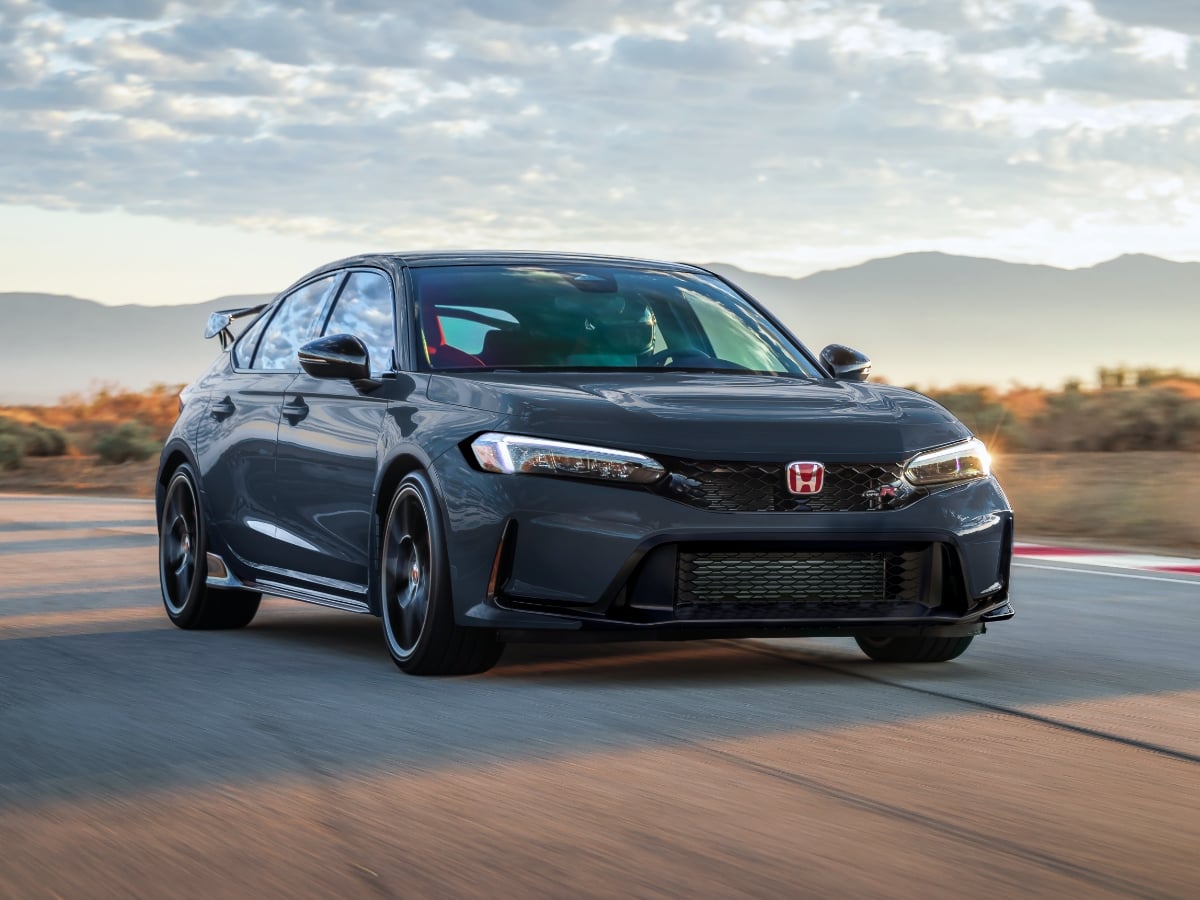
The 2027 Civic Type R goes on sale in October 2026, and it starts at $49,990, including the $1,295 destination charge.
Read the Full Article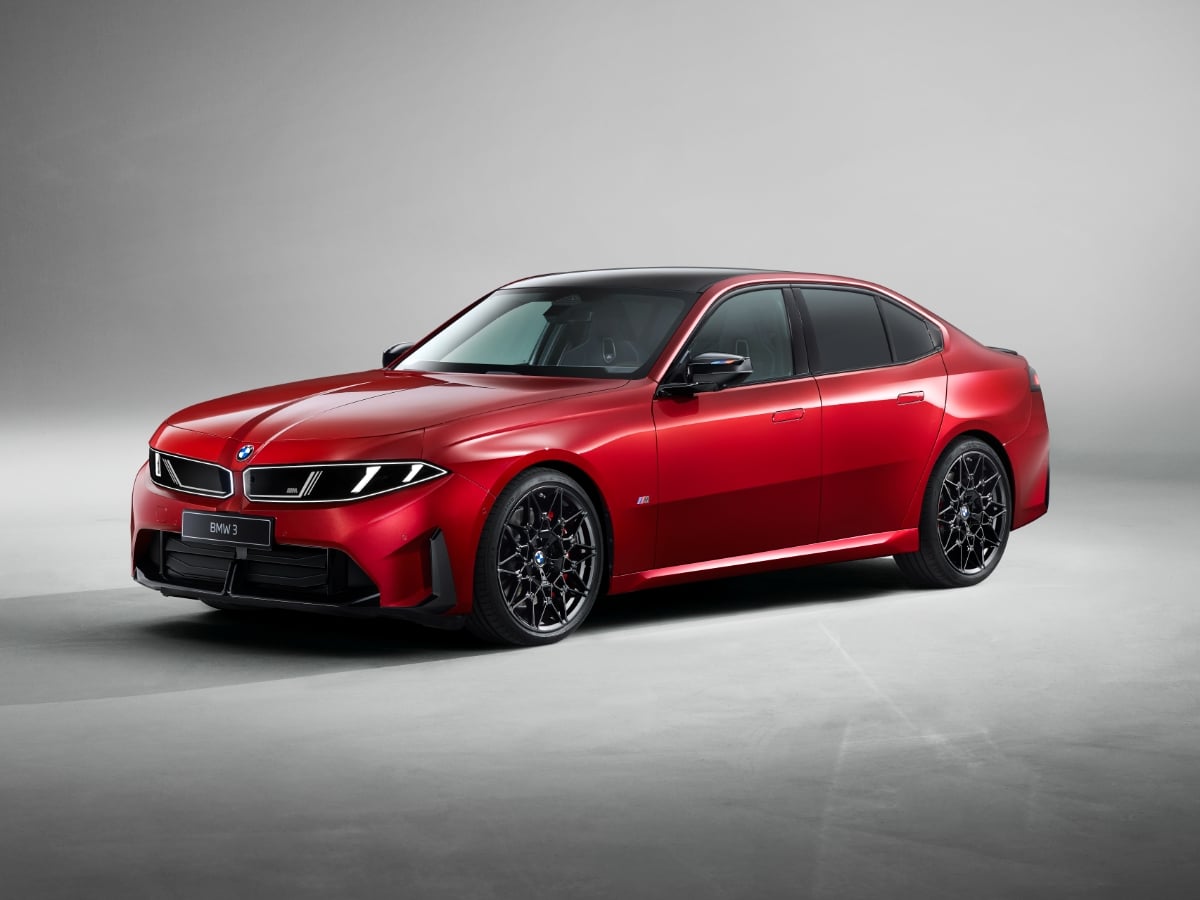
Part of BMW’s Neue Klasse (new class) rollout of redesigned models, the 2027 BMW 3 Series is all-new and goes on sale in the first quarter of 2027.
Read the Full Article