
Flex-fuel vehicles started to become popular in the mid-1990s. Manufacturers designed these vehicles to burn E85 or other gas-biofuel blends. Many people are confused about what E85 is used for. This is true even for many people who drive flex-fuel vehicles.

So, what is flex fuel, and what is it suitable for? We’re about to discuss everything you need to know. We’ll talk about what flex-fuel is, the pros and cons, and what vehicles can burn it.
Flex-fuel is a term for a specific blend of ethanol and gasoline. Ethanol is a plant-based gas alternative that’s renewable and cleaner than ordinary gasoline. Most ethanol, particularly in the US, is produced from corn, but some sugar-producing countries make a sugar-based gas alternative.
E85 is the official name for flex-fuel. There’s a common misconception that it contains 85% ethanol, which isn’t always the case; ethanol has a higher vapor point than gasoline, making it hard to start your car in cold weather. In colder areas and during the winter, E85 can contain as little as 51% ethanol. Warm-weather blends contain 85%.
The first ethanol-powered car was developed by Henry Ford way back in the 1880s. In 1908, Ford even released a Model T that could run on gas and ethanol. But gas prices were lower back then, and since nobody was worried about climate change, ethanol fuel never went mainstream.
Modern flex-fuel vehicles, using E85 fuel, were first produced by Ford in 1996. By the mid-2000s, General Motors, Chrysler, Audi, Volkswagen, Nissan, Toyota, and Mercedes-Benz were all producing at least one flex-fuel vehicle.
Flex-fuel has benefits for drivers, the nation, and the planet. For drivers, it’s 32% cheaper on average than traditional gasoline. Considering how much gas costs these days, you can net significant savings.
On a national level, E85 helps reduce U.S. reliance on foreign oil; given current events, it’s understandable that people would want to do this. Instead, the bulk of your gas money goes to American corn farmers.
For the planet, ethanol is cleaner than regular gasoline. It produces fewer greenhouse gas emissions, which helps slow the progress of climate change. And unlike petroleum, which is a limited resource, corn is almost infinitely renewable.
While it’s true that E85 tends to be much cheaper than regular gas, it’s also not as efficient. On average, a flex-fuel vehicle gets 25% poorer mileage when burning flex-fuel instead of traditional gasoline. This isn’t as bad as it sounds; at a 32% price savings per gallon, you’re still looking at an average 7% lower cost per mile. You’ll still need to fill your tank more often than you would if you were burning regular gas.
Another drawback of E85 is that it can damage cars that aren’t designed for it. Ethanol is harsher than gasoline, and it can dry out fuel lines, O-rings, and other plastic parts. If your vehicle is not designed explicitly for flex fuel, you should avoid using it.
There’s no universal way to determine whether or not a vehicle accepts flex fuel, but there are a few different methods. To begin with, a lot of manufacturers put a green badge on the back of the car, typically with the words “Flex Fuel,” “E85,” or “FFV” printed on it.
Another surefire indicator is a yellow gas cap. In cars with a capless fuel system, a yellow ring around the hole can replace this yellow cap. If you’re still not sure, check your owner’s manual.
You should remember that flex-fuel vehicles can also run on standard gas. Internal sensors will determine the proportion of ethanol in the mix and adjust your engine’s timing and fuel injection accordingly.
In recent years, manufacturers have slowly drifted away from flex-fuel. As recently as 2015, eight major manufacturers were offering E85-compatible vehicles in the US. Today, only Ford and General Motors are selling new flex-fuel vehicles – and most of those models are limited to fleet sales.
Not that long ago, the federal government provided financial incentives for automakers to produce flex-fuel vehicles. Today, the government has moved these incentives to electric cars. This is a good thing, but it can be frustrating if you’re not ready to leap to electric.
Thankfully, there’s a healthy used market. With over 20 million flex-fuel vehicles on America’s roads, you can still buy a used model in good condition.
E85 isn’t the only ethanol-gasoline blend on the market. Here are some of the most common types:
Flex-fuel is a unique blend of ethanol and gasoline designed for specific vehicles. You should never use it in cars that don’t support it, but if your car can burn E85, you’ll spend less on fuel per mile and reduce your carbon footprint.


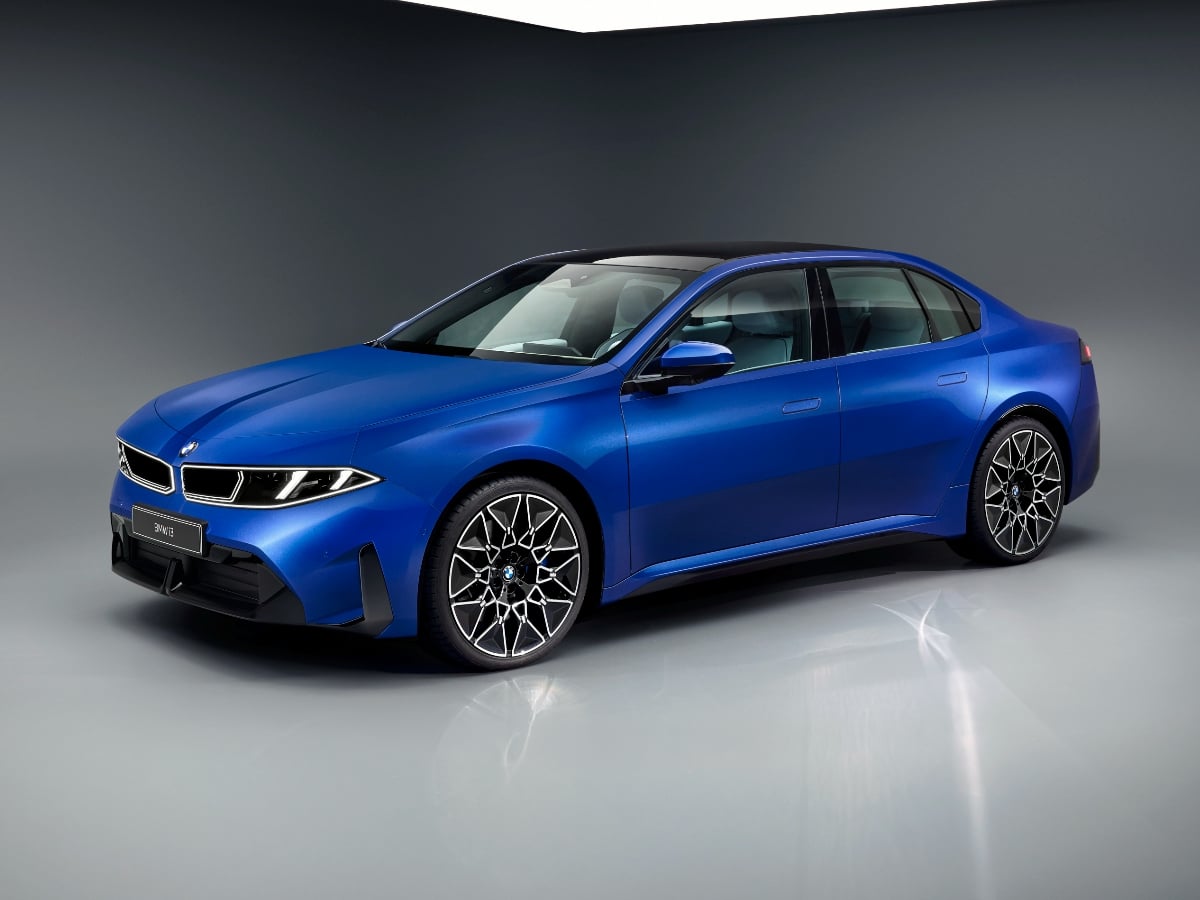
The new 2027 BMW i3 boasts an estimated range of up to 440 miles, 400-kilowatt DC fast charging capability, bidirectional charging to a home or the grid, and next-generation technology.
Read the Full Article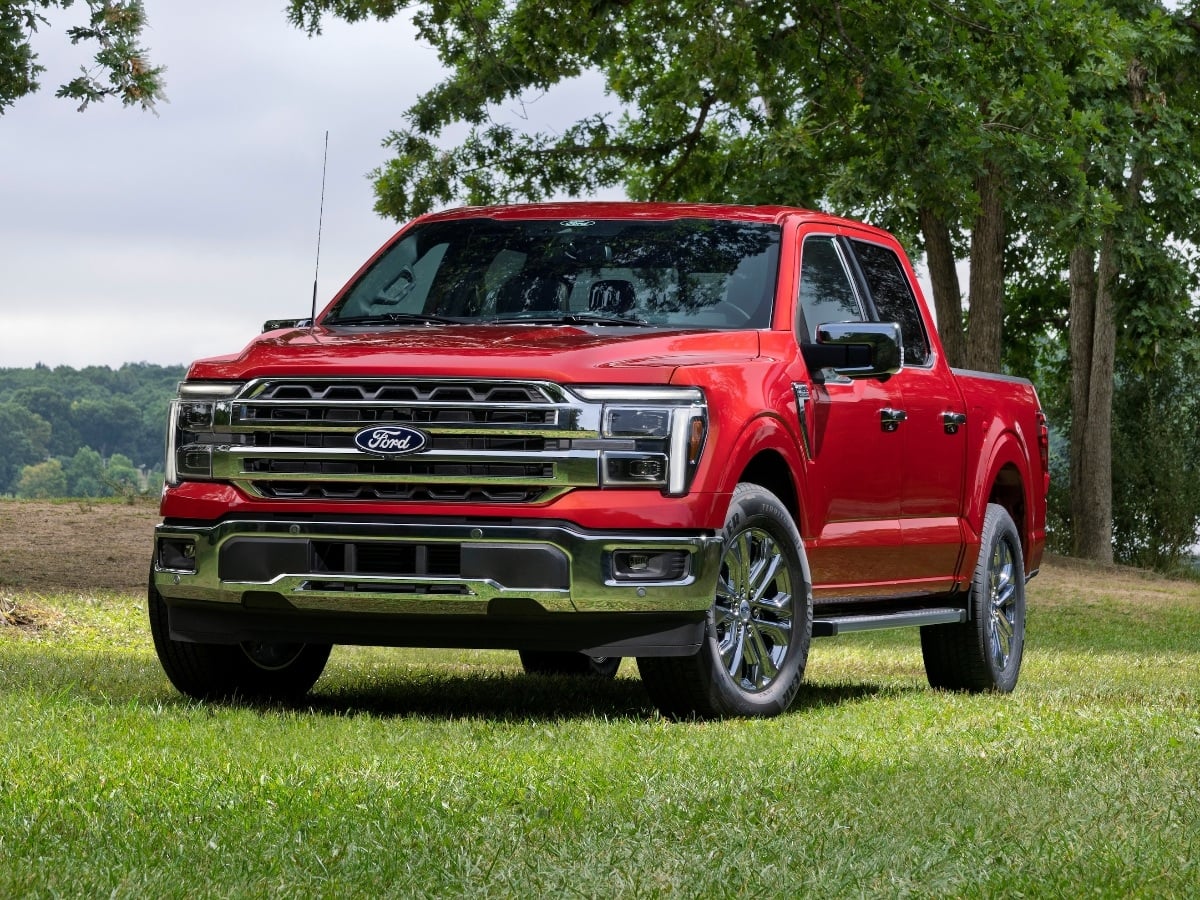
Facing renewed competition in the full-size, light duty pickup truck segment, the 2027 Ford F-150 receives subtle styling updates, a new standard engine, broader availability of its 5.0-liter V8, and ...See More
Read the Full Article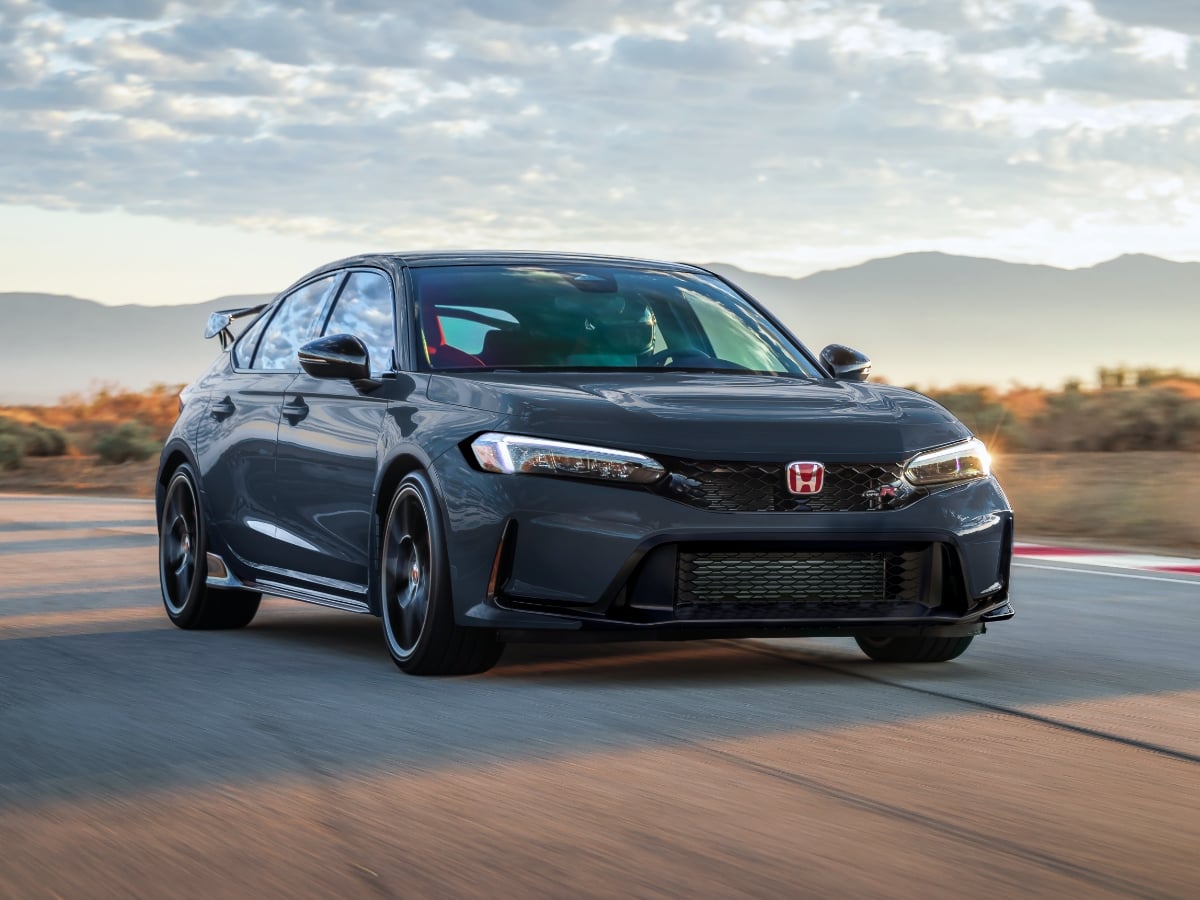
The 2027 Civic Type R goes on sale in October 2026, and it starts at $49,990, including the $1,295 destination charge.
Read the Full Article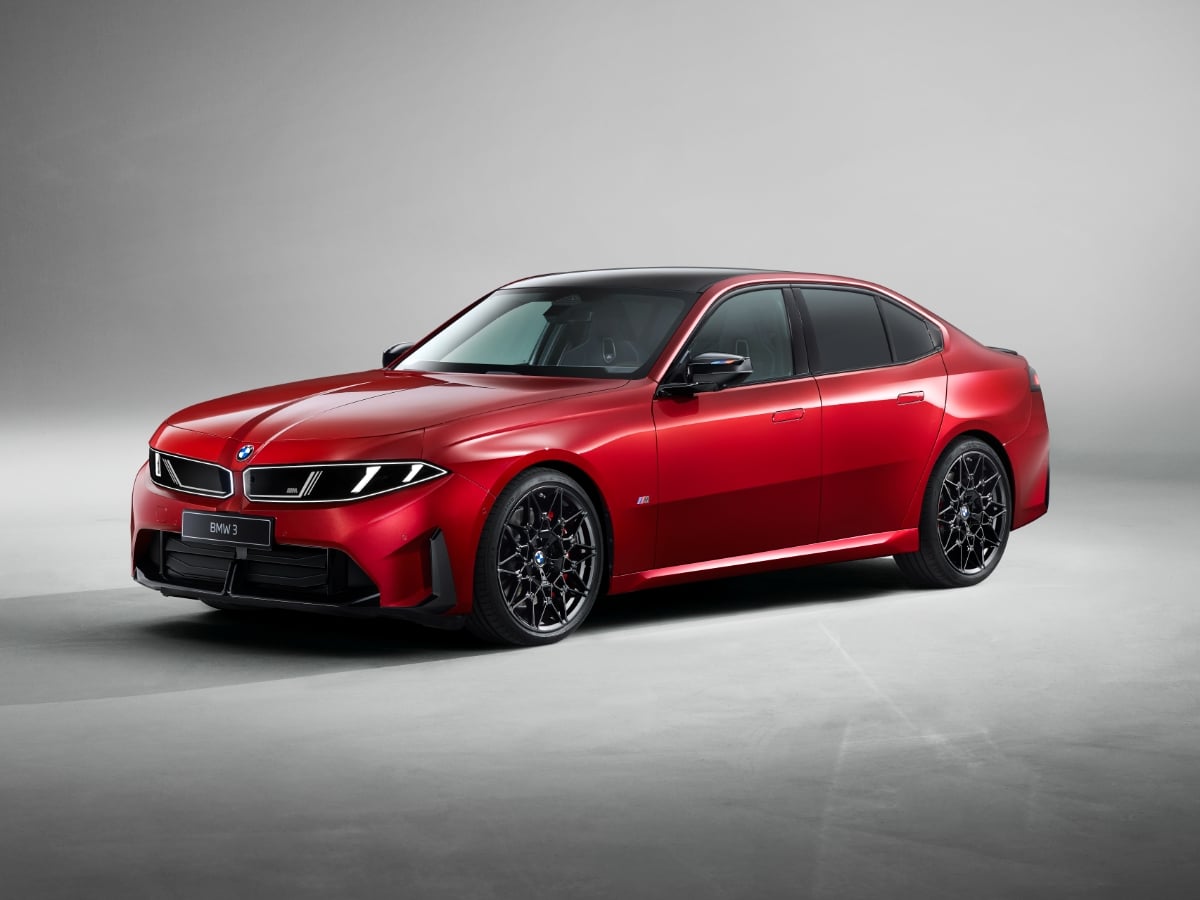
Part of BMW’s Neue Klasse (new class) rollout of redesigned models, the 2027 BMW 3 Series is all-new and goes on sale in the first quarter of 2027.
Read the Full Article