
Regular oil changes are crucial to vehicle maintenance and play a significant role in keeping your engine running smoothly. However, knowing how often you should change your oil can be challenging, with many different recommendations. So, let’s explore these factors and see what can determine the oil change frequency.

Modern vehicles have a maintenance alerts system installed, and they track your mileage from when you first begin driving them and ensure you know just when to change it. Granted, you need to reset them manually after each oil change, but that’s easy to manage. However, if your car doesn’t have such a system or you want to know precisely when to change the oil, several factors can affect the frequency of oil changes:
On average, oil should be changed every 5,000 or 7,000 miles or every six months, whichever comes first. But even with that in mind, it’s challenging to gauge precise intervals personally, and only oil checks with a dipstick can help here.
While there is no one-size-fits-all answer to how often you should change your oil, here are some general guidelines to consider:
Choosing the right oil for your car is essential to ensure optimal performance and longevity of your engine. And, as just with oil changes, multiple factors are involved in the process, consider everything mentioned below.
Your car's owner's manual is the first place to look when determining which type of oil to use. It will typically recommend a specific viscosity grade and any specifications or certifications the oil should meet.
The climate where you live can also influence the type of oil you should use. If you live in an area with extreme temperatures, you may need to use an oil with a different viscosity grade to ensure optimal performance.
The viscosity grade of oil refers to how easily it flows at different temperatures. If you live in a hot climate, you may need a thinner oil to ensure proper lubrication. Living in a colder climate may require thicker oil to ensure proper flow at low temperatures. Your owner's manual should guide your vehicle's recommended viscosity grade.
Synthetic oil is made from chemicals rather than crude oil, which means it can last longer and perform better in extreme temperatures. However, synthetic oil is typically more expensive than conventional oil. If your car's owner's manual does not recommend synthetic oil, it's typically safe to use conventional oil instead.
In general, it’s essential to consider all the factors that affect oil change frequency, as things such as your driving habits, oil type, and car age can increase it. However, alternatively, you could follow average intervals and check it with a dipstick every 5,000 or 7,000 miles or every six months to determine if it’s needed or even entrust that to a maintenance alert system in your vehicle.


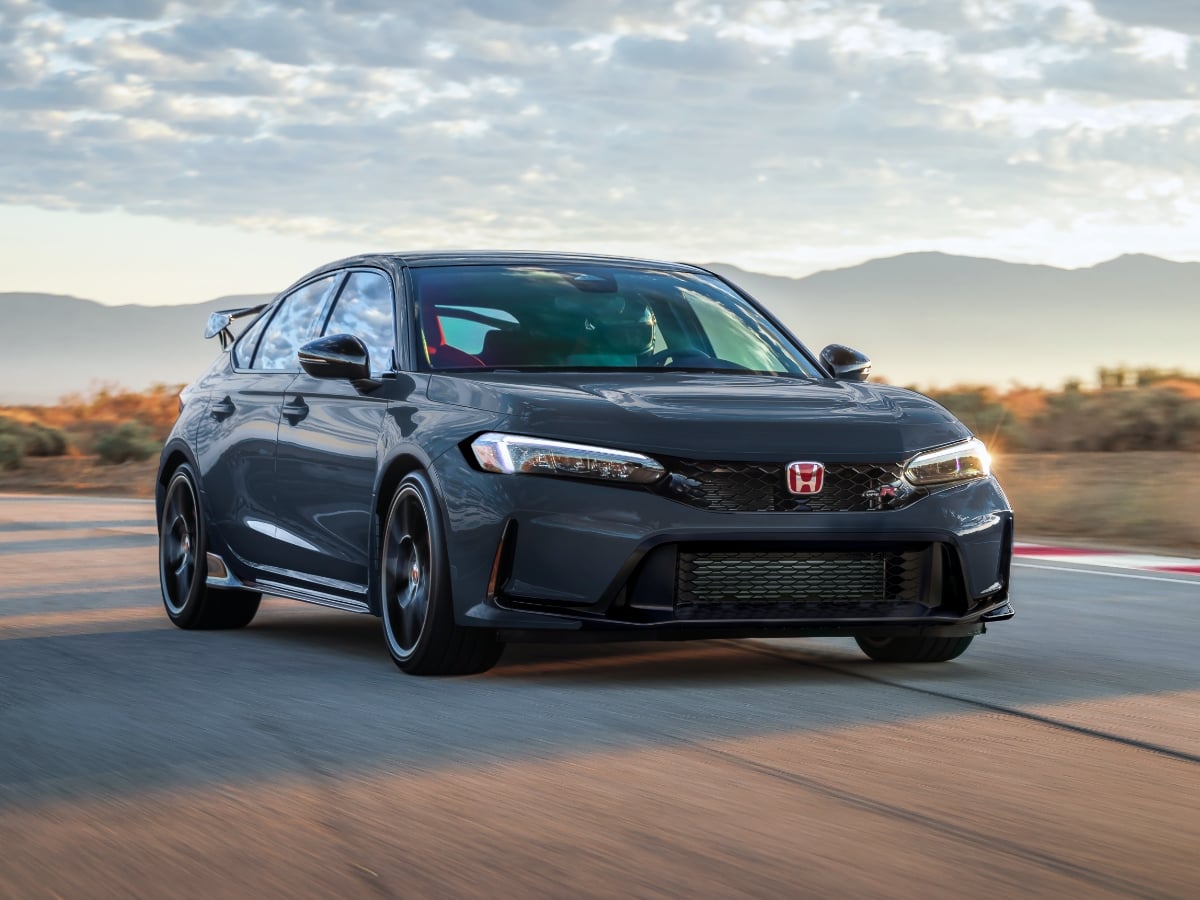
The 2027 Civic Type R goes on sale in October 2026, and it starts at $49,990, including the $1,295 destination charge.
Read the Full Article
Part of BMW’s Neue Klasse (new class) rollout of redesigned models, the 2027 BMW 3 Series is all-new and goes on sale in the first quarter of 2027.
Read the Full Article
Updates to the 2027 Honda Passport TrailSport include a reworked suspension, improved steering, subtle styling enhancements, and added standard equipment.
Read the Full Article
The midsize 2027 Mercedes GLE remains available in original and spicy Coupe recipes, now with standard 4Matic all-wheel drive (AWD), MBUX Superscreen technology, and a panoramic glass sunroof for ...See More
Read the Full Article