
Engines with 4, 5, 6 or 8 cylinders power the majority of modern cars. There are exceptions, of course, perhaps most notably the 10-cylinder engine in the Dodge Viper or the 12-cylinder engines installed in several high-end luxury sedans. But most of today's vehicles employ the more common cylinder counts.
An engine cylinder is where the combustion process occurs. Inside each cylinder is a piston, which moves up and down inside the cylinder (or side to side, as we will learn). Each cylinder is connected to a crankshaft. The crankshaft delivers the energy created by the combustion process to the transmission and, ultimately, to the wheels that drive the vehicle. Generally speaking, the more cylinders an engine has, the more horsepower and torque an engine makes.
Engine cylinders are typically arranged in a vertical orientation, lined up one after another from the front to the rear of the engine, or in a V-shaped orientation with an equal number of cylinders on each side. When engine cylinders are vertically oriented, the engine has an "inline" configuration, which is used in conjunction with 4, 5, or 6 cylinders. When engine cylinders are V-oriented, the engine has a "V" configuration, which is used in conjunction with 6 or more cylinders. If an engine is mounted transversely, which is common for front-wheel-drive vehicles, the cylinders and crankshaft are oriented from side-to-side rather than front-to-back.
Porsches and Subarus do not use either an inline or a V-type engine configuration. Instead, these models have "horizontally opposed" cylinder arrangements. Also known as "flat" or "boxer" engines, these power plants have cylinders that lay flat on either side of the crankshaft, with pistons that rotate outward toward the sides of the car, like a boxer's fists. The new 2013 Scion FR-S, which has a Subaru engine, also features this engine design.
Now that we understand the different engine configurations, let's talk about the differences between them. Inline engines (I) are taller and narrower, and when they are mounted transversely, allow designers to create a vehicle with a smaller front end. V-type engines (V) sit lower with an improved center of gravity, and this design is more space-efficient with a greater numbers of cylinders. Horizontally opposed engines (H) sit very low and wide, producing a low center of gravity and improved handling.
When you combine the engine configuration with the number of cylinders, the resulting references are as follows: I-4, I-5, I-6, V-6, V-8, V-10, V-12, H-4, H-6.


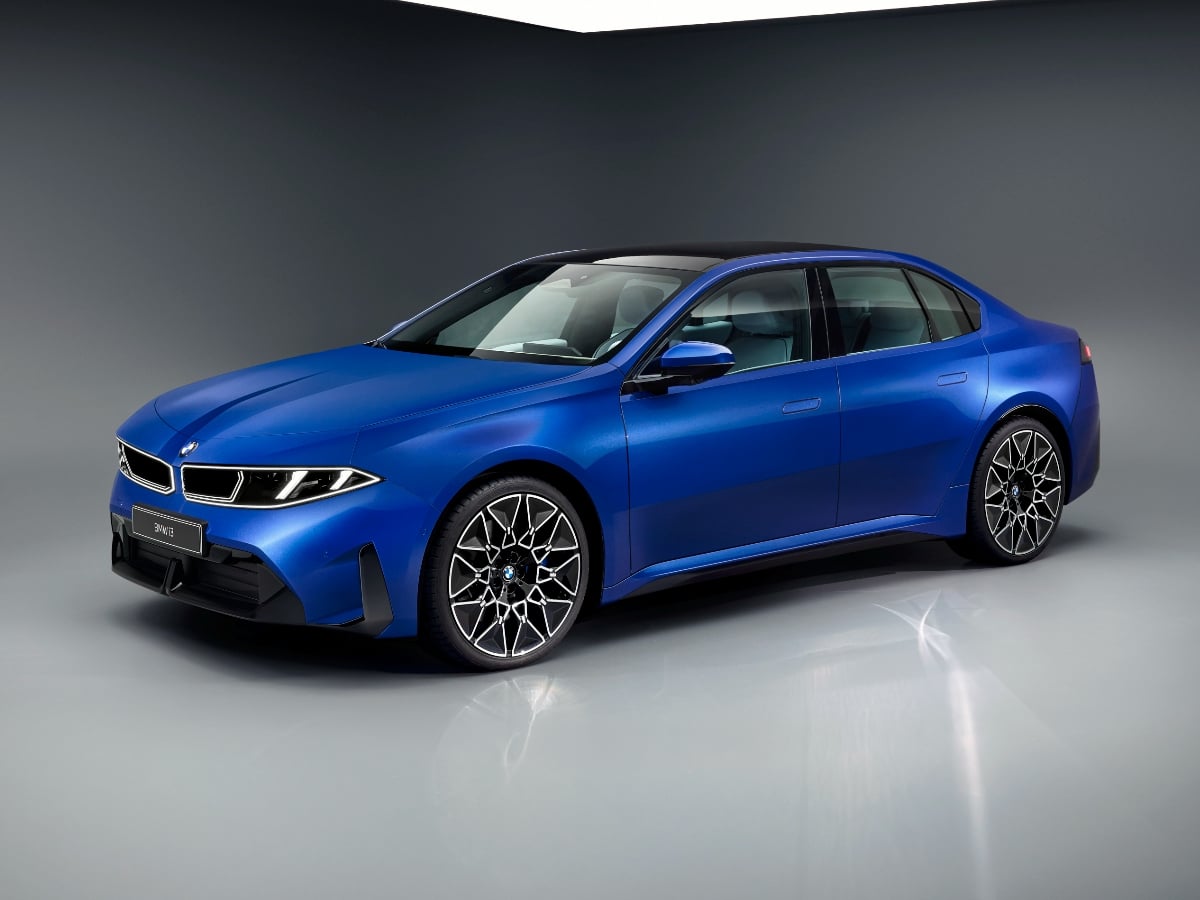
The new 2027 BMW i3 boasts an estimated range of up to 440 miles, 400-kilowatt DC fast charging capability, bidirectional charging to a home or the grid, and next-generation technology.
Read the Full Article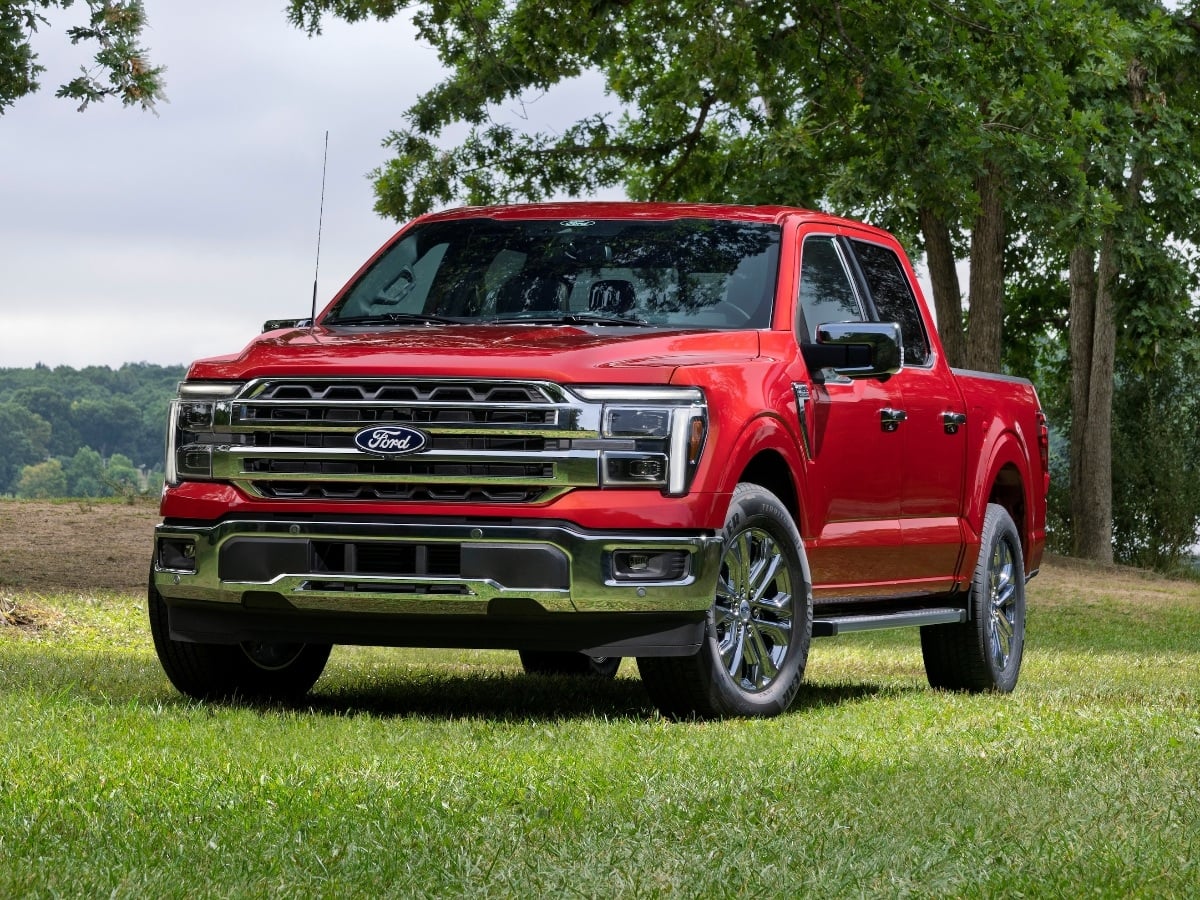
Facing renewed competition in the full-size, light duty pickup truck segment, the 2027 Ford F-150 receives subtle styling updates, a new standard engine, broader availability of its 5.0-liter V8, and ...See More
Read the Full Article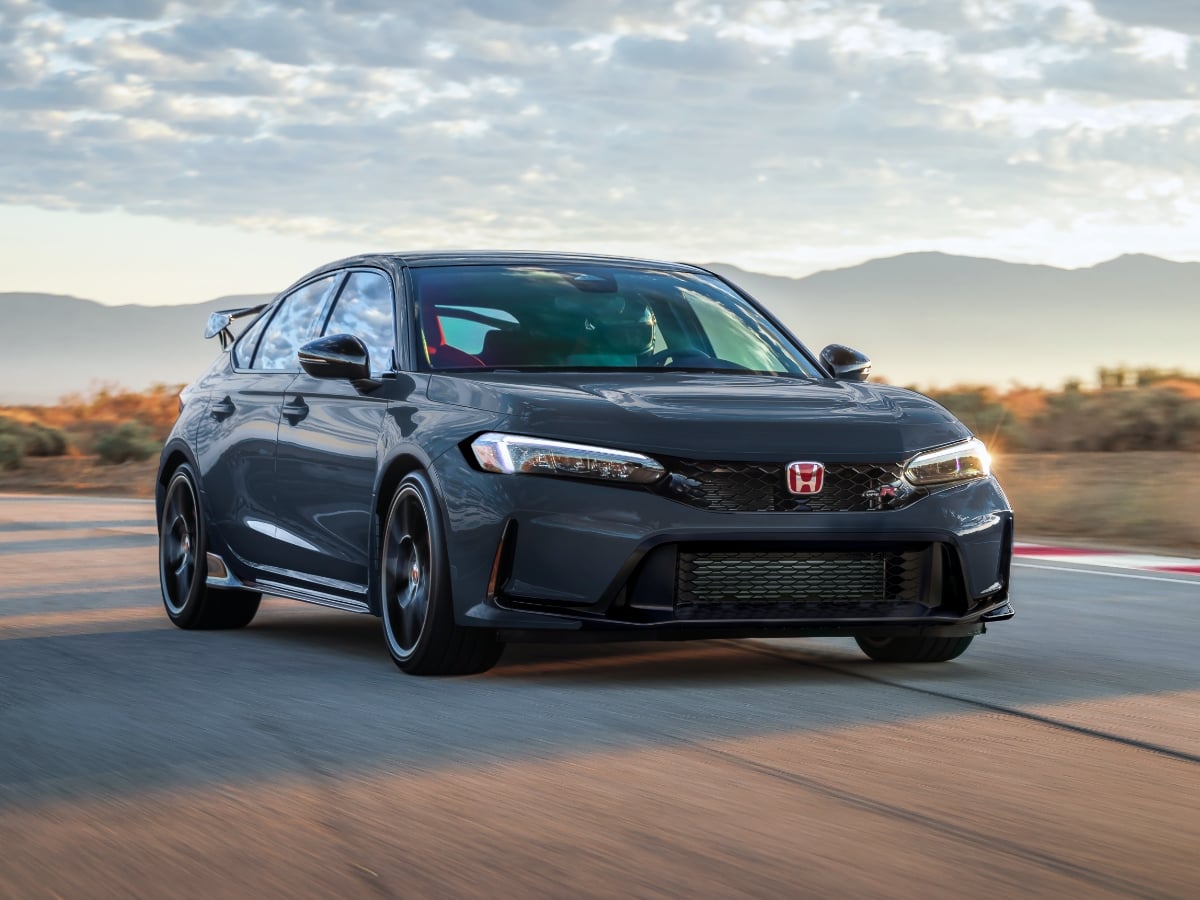
The 2027 Civic Type R goes on sale in October 2026, and it starts at $49,990, including the $1,295 destination charge.
Read the Full Article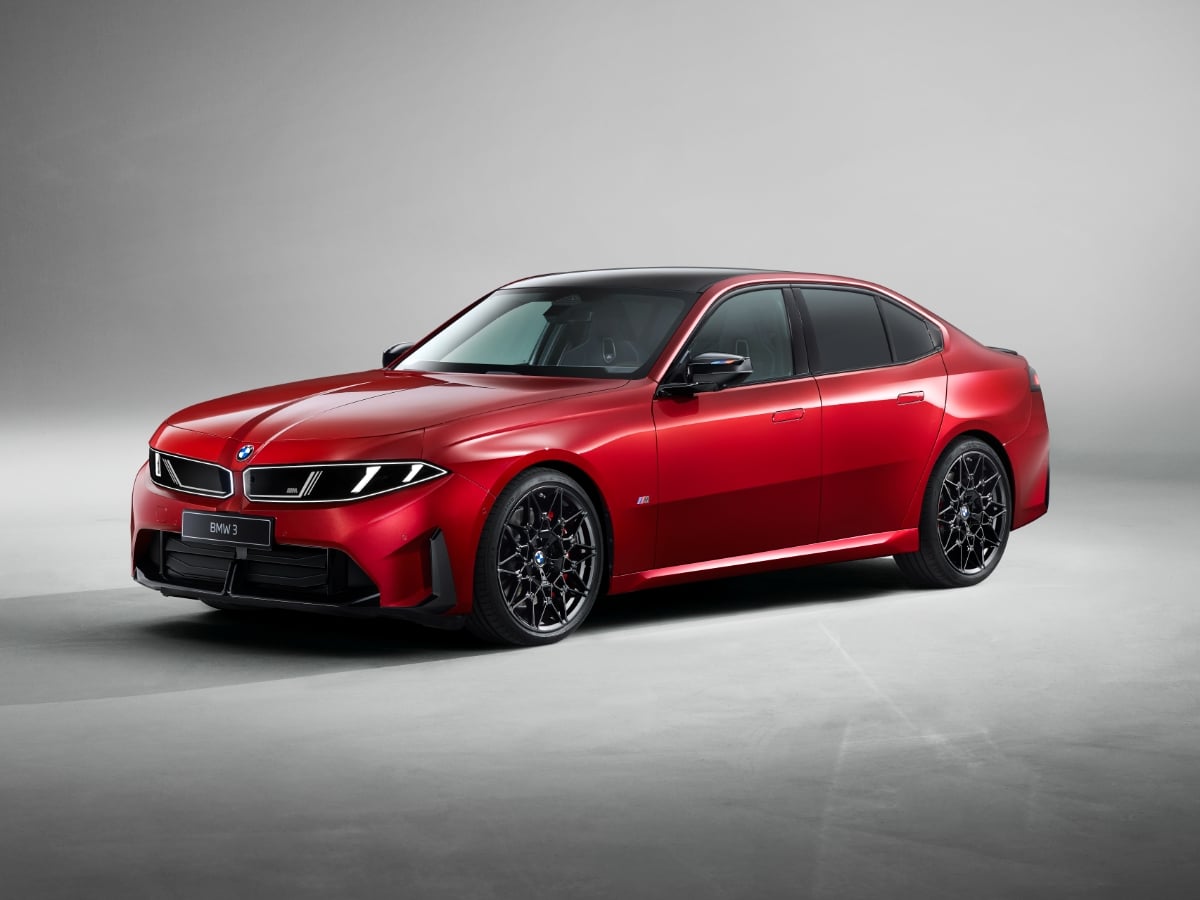
Part of BMW’s Neue Klasse (new class) rollout of redesigned models, the 2027 BMW 3 Series is all-new and goes on sale in the first quarter of 2027.
Read the Full Article