
Interested in transforming your truck’s look without spending over $10,000 on new paint? Wrapping your truck might be the right option for you. Car wraps entail applying vinyl decals to the exterior of the vehicle to transform its look. Truck owners use wraps to customize the appearance of their trucks in the look of chrome, carbon fiber, stainless steel, and even leather. Not only do wraps add style to your truck, but they provide long-term paint protection.

Whether it be for business or pleasure, there’s many truck owners who don’t want to drive around with a boring factory paint job. They want to make a truly lasting impression, and while a new paint job can cost a pretty penny, applying a quality vehicle wrap can be a worthwhile alternative.
Let’s explain both the costs and varying factors that go into wrapping a truck and provide a ballpark price range for those interested in undergoing this endeavor.
Despite their appearance, many vehicle wraps are not manufactured as a single piece. Instead, they come in several pieces, each designed for different panels and parts of the body. A full wrap covers the entire paint job on every portion of the truck, whereas a partial wrap only covers a portion of the vehicle, usually the rear and/or the tailgate.
As you might expect, a full wrap requires more material than a partial, as well as additional labor. With this in mind, it’s logical to account for a higher price point when considering a full wrap.
Before you undergo the process of applying a wrap to your truck, you must prepare the vehicle accordingly.
Make sure you wash your car before applying a wrap. The vinyl will adhere to a clean vehicle much better than it will adhere to a dirty one. While any reputable shop should have the wherewithal to wash your truck before they begin, it’s a common courtesy to make things as easy as possible to help fail-proof your installation.
Another thing to take into consideration is the condition of your paint. If the body of your truck is full of dings and dents, the wrap you apply may not come out looking perfect. Imperfections may be visible in the spots where the wrap meets the dent. Furthermore, if your truck has any rust, it may continue eating away at your car even if it’s been covered with a wrap. For this reason, many installers will refuse to wrap a rusty vehicle, as the quality and longevity of their work are put at risk.
Before a truck can be properly wrapped, it first needs to be prepared, which often includes performing a full detailing service to ensure nothing on the paint surface could cause the wrap to not adhere properly to the truck.
Depending on the vehicle and the wrap style, different truck components may need to be removed to apply the wrap properly. In nearly all cases, this includes items like your vehicle’s lights and bumpers. The reason these items are temporarily removed is to provide proper access to whoever is installing the wrap.
The wrap should then be carefully positioned and applied on each panel, making sure to smooth out any air bubbles and creases that develop. A heat gun is often used to aid with adhesion and shrink the wrap into its final position. In some instances, multiple layers must be applied to create the final product, which is sometimes required to create complex graphics.
Understanding how a wrap is applied gives us some context on the cost. However, it should come as no surprise that the price can vary dramatically from hundreds of dollars to thousands of dollars. A small wrap on a simple truck may be relatively cheap, while a full wrap with complicated elements may be far more expensive.
One determining factor in how expensive (or not) it is to wrap a truck is the complexity of the application. If a wrap kit contains multiple pieces or your truck’s bumper covers are difficult to remove, installers must account for this. Increased labor or intricacy are all but sure to add to the cost of your wrap installation. Similarly, a four-door crew cab will likely require more material than a two-door cab, so the price will probably also be higher. A body kit or unique angles from aftermarket alterations add complexity and labor costs to the execution of the wrap. The material used also impacts wrap costs. For instance, a chrome wrap is the most expensive option.
In most situations, professional installation of a simple wrap on a small truck can start as low as $1,500. However, if you are looking for a full wrap on a larger truck with multiple layers, it could run you as much as $5,000. The only way to know for sure is to get an estimate from a reputable establishment for a particular wrap on a specific truck.
Given the popularity of wraps, some manufacturers have entered the typically aftermarket-dominated field. Tesla offers a urethane-based film wrap option for its CyberTruck priced from $6,000 to $6,500 including installation.
To save money, you may consider wrapping your truck as a DIY. Even with purchasing tools and materials, you may be able to wrap your truck for under $1,000. However, this is not advised as wrapping a vehicle is a complex and tedious process that is most successful when undertaken by a professional.
A well-maintained truck wrap can last for several years with proper care and maintenance. However, environmental conditions test any vehicle wrap’s endurance. Extreme heat and cold can stress the vinyl, causing it to develop tiny cracks and fissures.
Here are some rules to follow to get the most out of your wrap and preserve it for years to come:
The good news is that while your wrap is taking this abuse, it protects the paint job underneath. A wrap can be replaced for the same price as the initial installation cost, often with an additional $500 added for the labor of removing the old wrap.
Wrap removal is often conducted by the original installer and takes 3 to 4 hours assuming the wrap is still intact. A standard wrap removal process costs hundreds of dollars but can surpass $2,000 when the wrap is too “baked-in”, complicating the removal procedure.
Several factors impact the cost of wrapping a truck. One can expect to pay between $1,500 and $6,000 for a truck wrap. Some of these determining factors include the type of wrap used, the wrap’s size, the complexity of the design, and the size and style of the truck. When correctly maintained, a truck wrap will last for five to seven years and provide drivers with the look and protection they covet.
Matt Yantakosol is a lifelong automotive enthusiast and former consultant focused on the consumer aspect of the industry. He has traveled to New York, Detroit, Chicago, L.A., Paris, Geneva, Frankfurt, and Tokyo Auto Shows to track and observe the newest industry innovations. In addition to JDPower.com, Matt's writing has appeared on Pcarmarket.com.


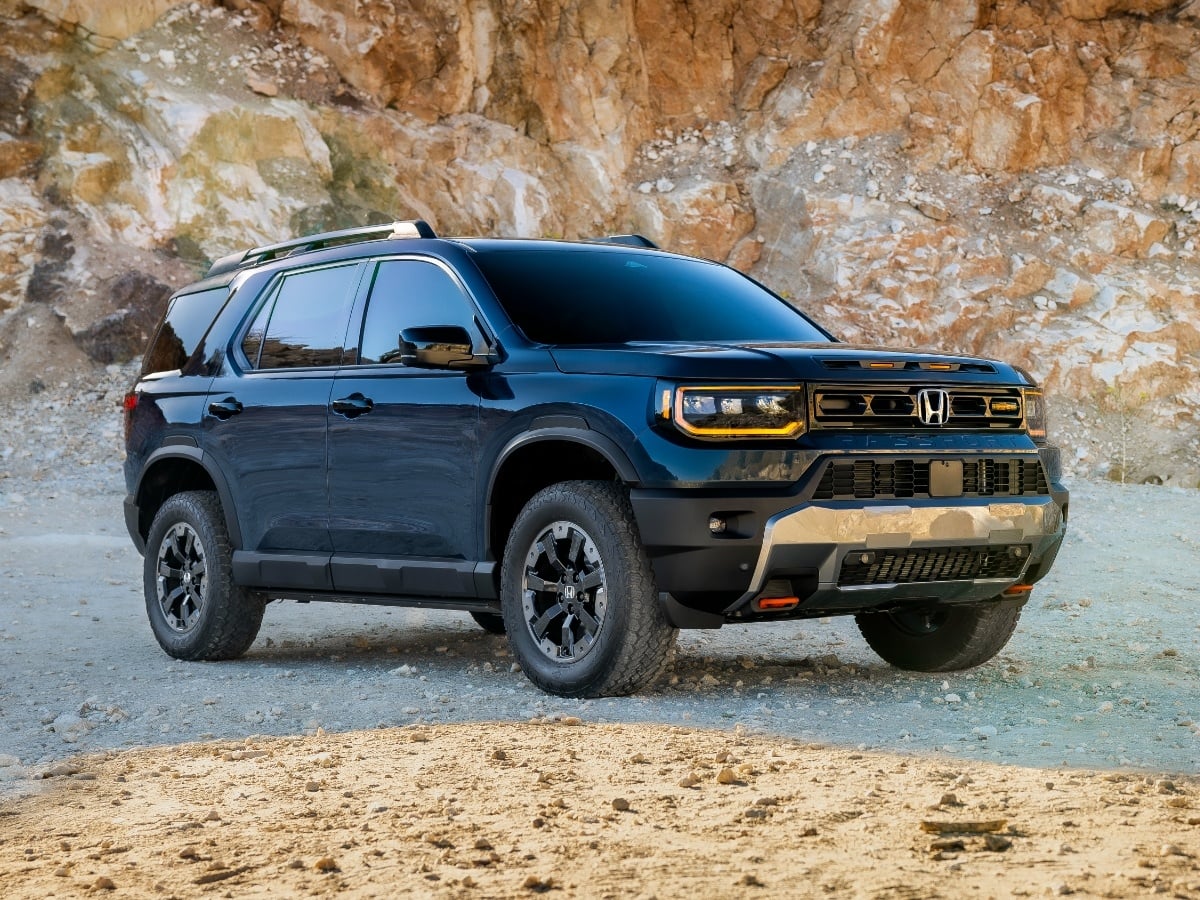
Updates to the 2027 Honda Passport TrailSport include a reworked suspension, improved steering, subtle styling enhancements, and added standard equipment.
Read the Full Article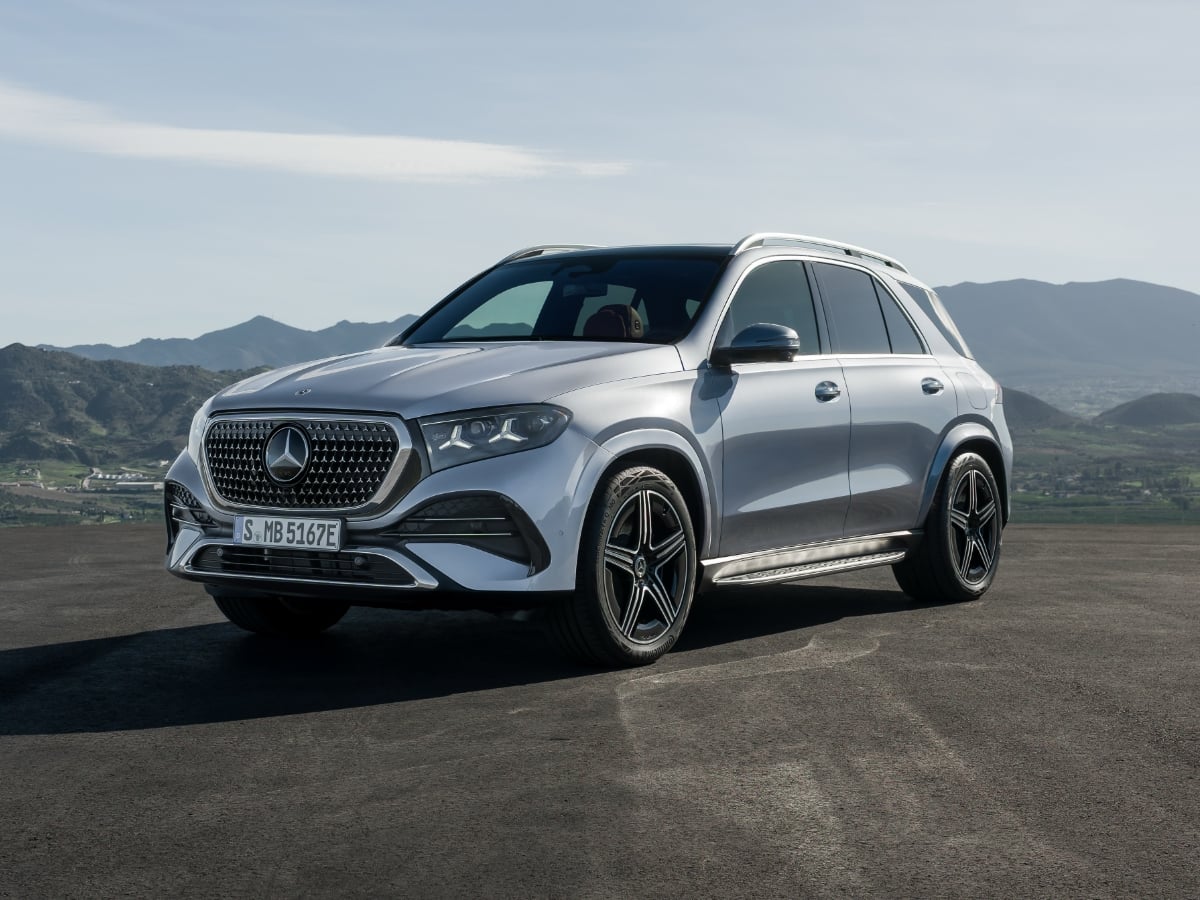
The midsize 2027 Mercedes GLE remains available in original and spicy Coupe recipes, now with standard 4Matic all-wheel drive (AWD), MBUX Superscreen technology, and a panoramic glass sunroof for ...See More
Read the Full Article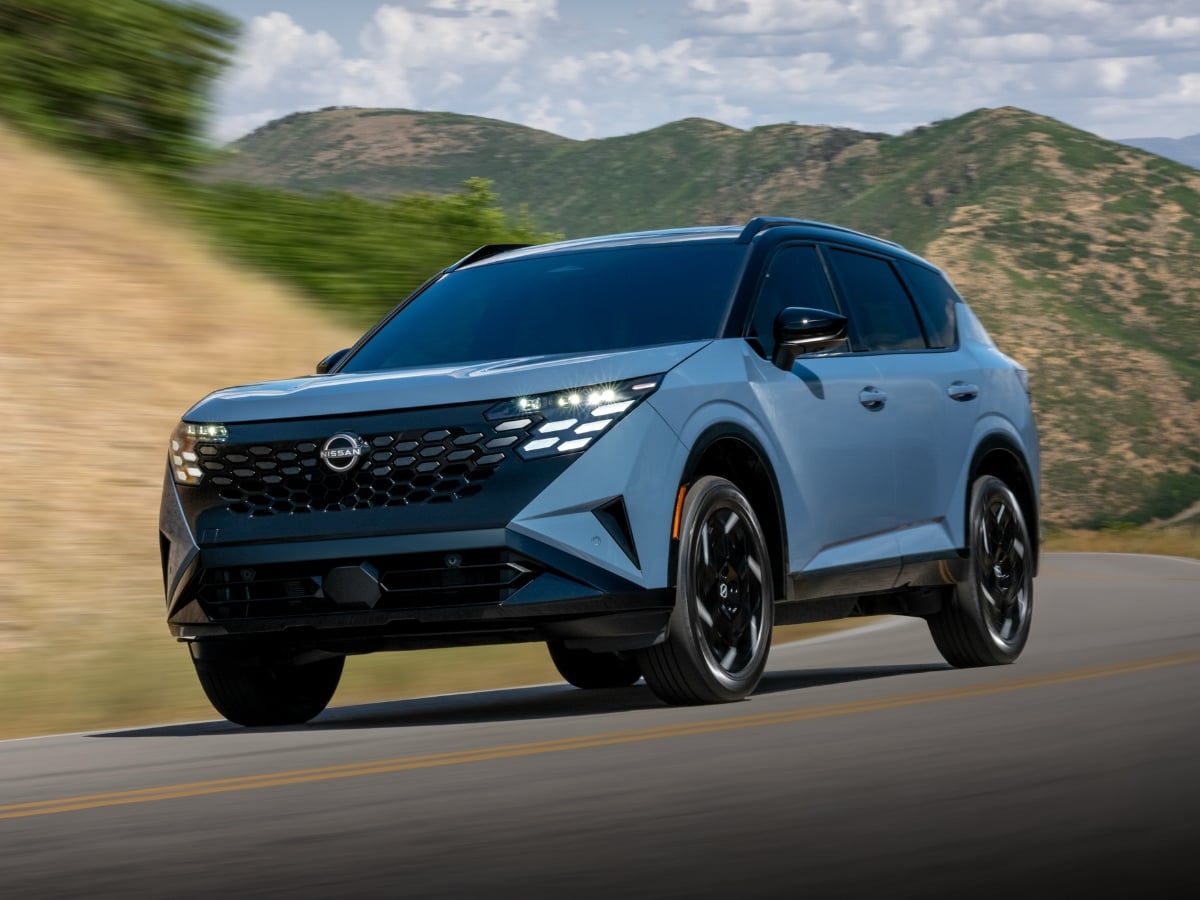
Nissan is about to introduce an innovative new SUV. The 2027 Nissan Rogue Hybrid has a gasoline engine, but it does not power the wheels. Instead, electric motors at each axle provide propulsion, ...See More
Read the Full Article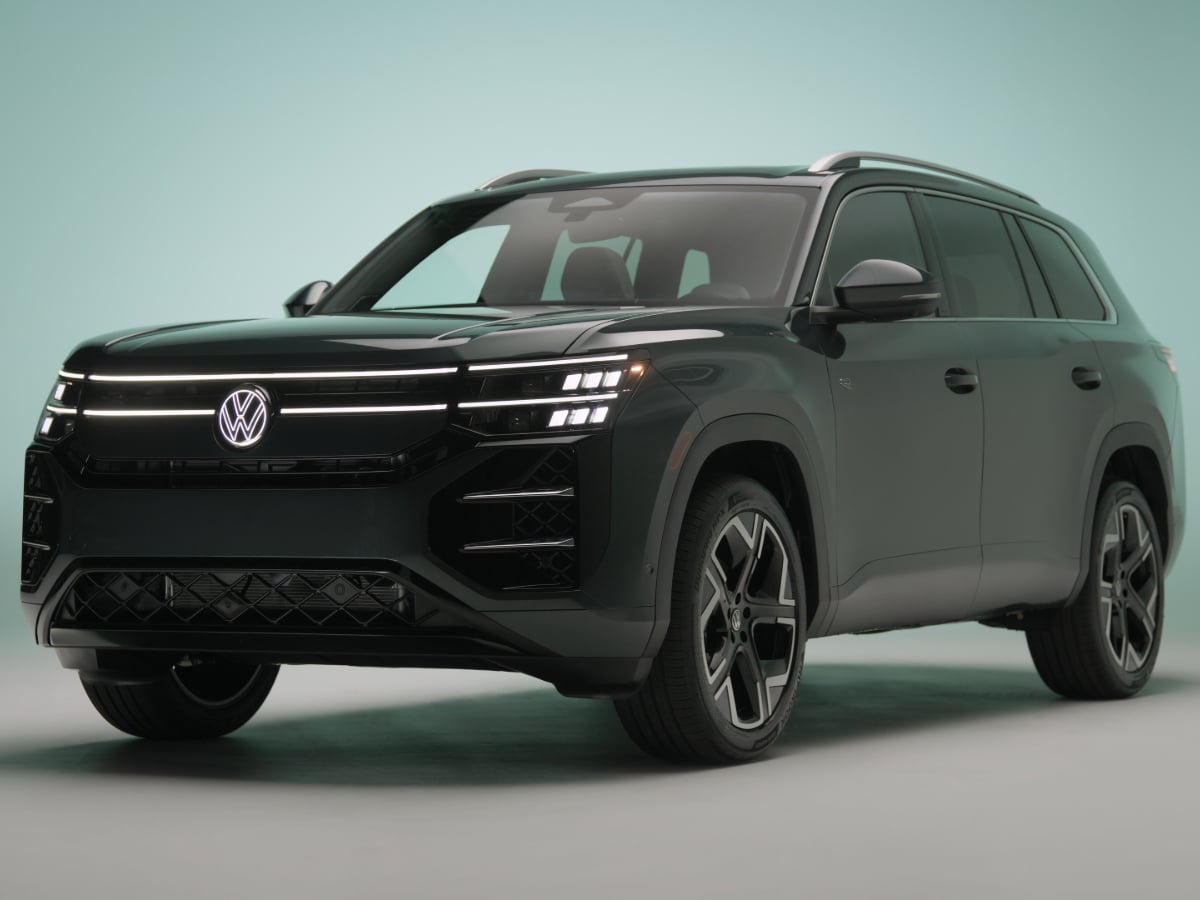
Adding European flair to the otherwise vanilla midsize three-row family SUV market, the redesigned 2027 Volkswagen Atlas debuts with a sharper exterior, an upgraded cabin, more power, and new ...See More
Read the Full Article