
Vehicle wraps make it possible to change a car’s appearance without sacrificing the original factory paint job. They allow vehicle owners to choose colors, styles, and patterns unavailable from the original factory. There are numerous reasons for getting a wrap and endless possibilities.

However, wrapping a car is more complex than it may seem. A lot of work must go into the process to ensure its efficacy, from the necessary conditions for installation to the extra maintenance required to keep the wrap in good condition.
It is essential to have a comprehensive understanding of what entails wrapping a car to ensure it’s a worthwhile decision before going ahead with it. Additionally, this knowledge can help ensure the wraps' longevity and make removing them more manageable when the time comes.
A car wrap is a procedure in which vinyl decals are applied to the exterior of a vehicle. The vinyl consists of an adhesive on one side and a laminated coating on the other. These wraps come in various sizes, designs, colors, and finishes, such as satin, matte, and gloss; they can also replicate the appearance of chrome, carbon fiber, stainless steel, or leather.
Car wrap installers will measure the car's proportions to determine the size of the vinyl decal placement. The car will then be washed and detailed to remove contaminants from the body surface.
Afterward, the wrap is cut and applied around the door handles, windows, and lights to achieve a seamless finish. Heat guns and other specialized tools may be used for the perfect finish. Installations typically take 7 to 9 hours and can take up to 2 to 3 days to complete.
Vehicle wraps cannot be used as a cover for dents, rust, or a bad paint job. The panels must be as smooth as possible to apply the wraps, which is why the car is detailed during the wrapping process.
Consequently, all scratches, dents, rust, and imperfections must be addressed before getting a vehicle wrapped; otherwise, the vinyl decals cannot be applied or will have a rough finish.
A wrapped vehicle must be parked in a garage to avoid excessive sunlight and other elements that can cause staining. If a garage is not available, a good car cover is recommended. The vehicle should be washed by hand with a recommended cleaning product and a soft microfiber cloth to prevent damage. Wrap installers suggest using a waterless car wash product.
This is a must since exposing a wrapped vehicle to the elements reduces its lifespan. Prolonged heat causes the vinyl to become challenging to remove, and using an automatic car wash may cause the wrap to peel off. With the correct maintenance, wraps on a vehicle can last up to four or five years.
A standard full car wrap typically costs between $2,000 and $4,000; however, the cost may increase depending on modifications, design, style, type of vehicle, size, and complexity of installation. For instance, high-end finishes such as carbon fiber, chrome, stainless steel, or metallic finishes can cost between $6,000 and $8,000 due to the cost of the materials.
Additionally, wraps for luxury cars, such as Bentley or Rolls-Royce, cost around $12,000 or more due to the complexity involved.
To unwrap a vehicle, it must be taken to the installer who applied the wrap. If the structural integrity of the wrap is still intact, the removal will be easy and take about 3 to 4 hours. The cost typically ranges from $500 to $600 but can be more if the removal process is complex – for example, a “baked-in” wrap may cost about $2,500 due to the additional labor required.
A vehicle wrap allows you to customize your vehicle's appearance without sacrificing its original paint. However, the added maintenance and conditions required to keep the wrap in good condition should be considered.
If you can keep your car in a garage, use a quality car cover, and accept the extra maintenance required, a wrap may be worth the investment. If the extra care and attention are burdensome, then a wrap may not be the best option. Additionally, the salt used to melt snow on the roads can cause the wrap to wear out more quickly, and the extreme heat of hot climates unless you can avoid parking your car in direct sunlight.
Car wraps offer endless customization opportunities to vehicle owners while maintaining the ability to revert to the original factory color. They can act as paint protection for vehicles with expensive paint. However, the extra maintenance that comes with car wrapping may not be for everyone and can be a hindrance. Wrapping your car will be worth the while if you are willing to take on the additional maintenance requirements.


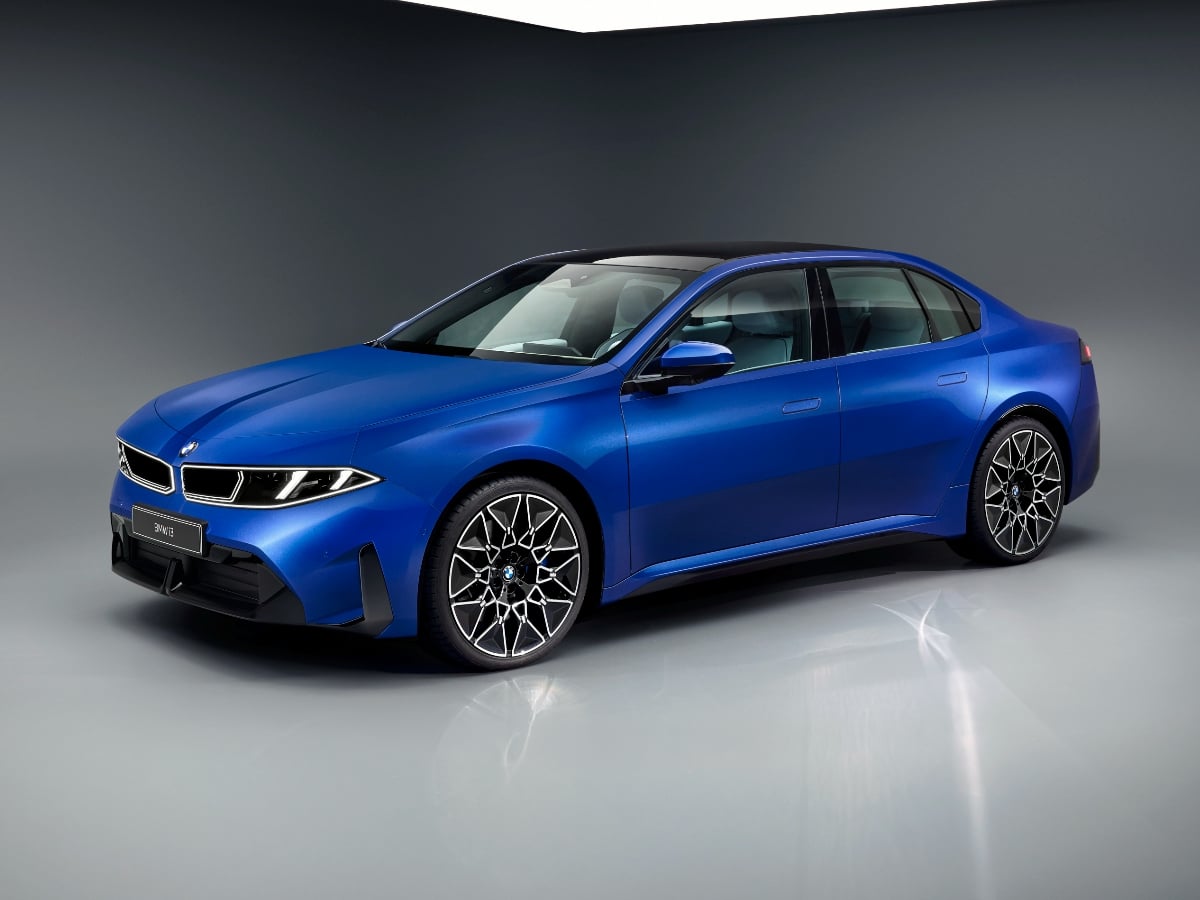
The new 2027 BMW i3 boasts an estimated range of up to 440 miles, 400-kilowatt DC fast charging capability, bidirectional charging to a home or the grid, and next-generation technology.
Read the Full Article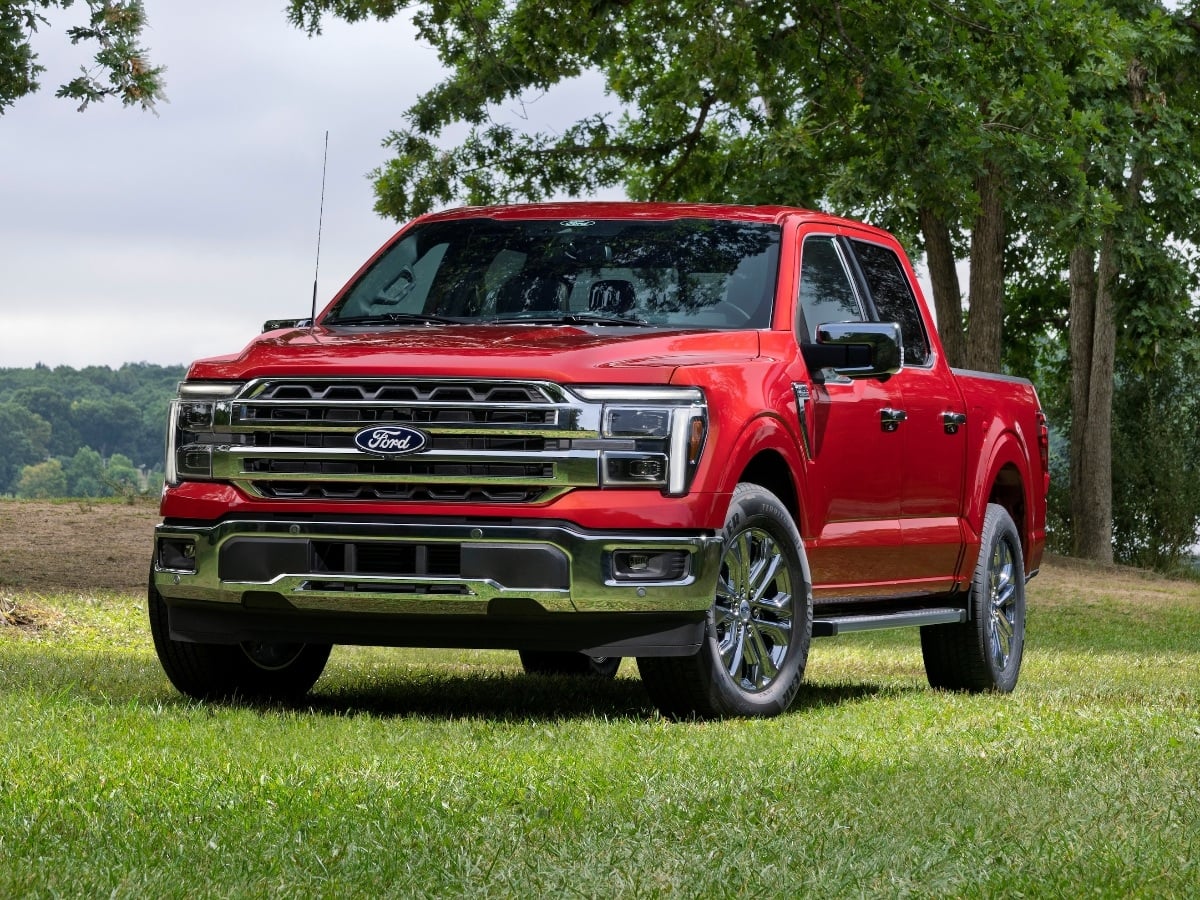
Facing renewed competition in the full-size, light duty pickup truck segment, the 2027 Ford F-150 receives subtle styling updates, a new standard engine, broader availability of its 5.0-liter V8, and ...See More
Read the Full Article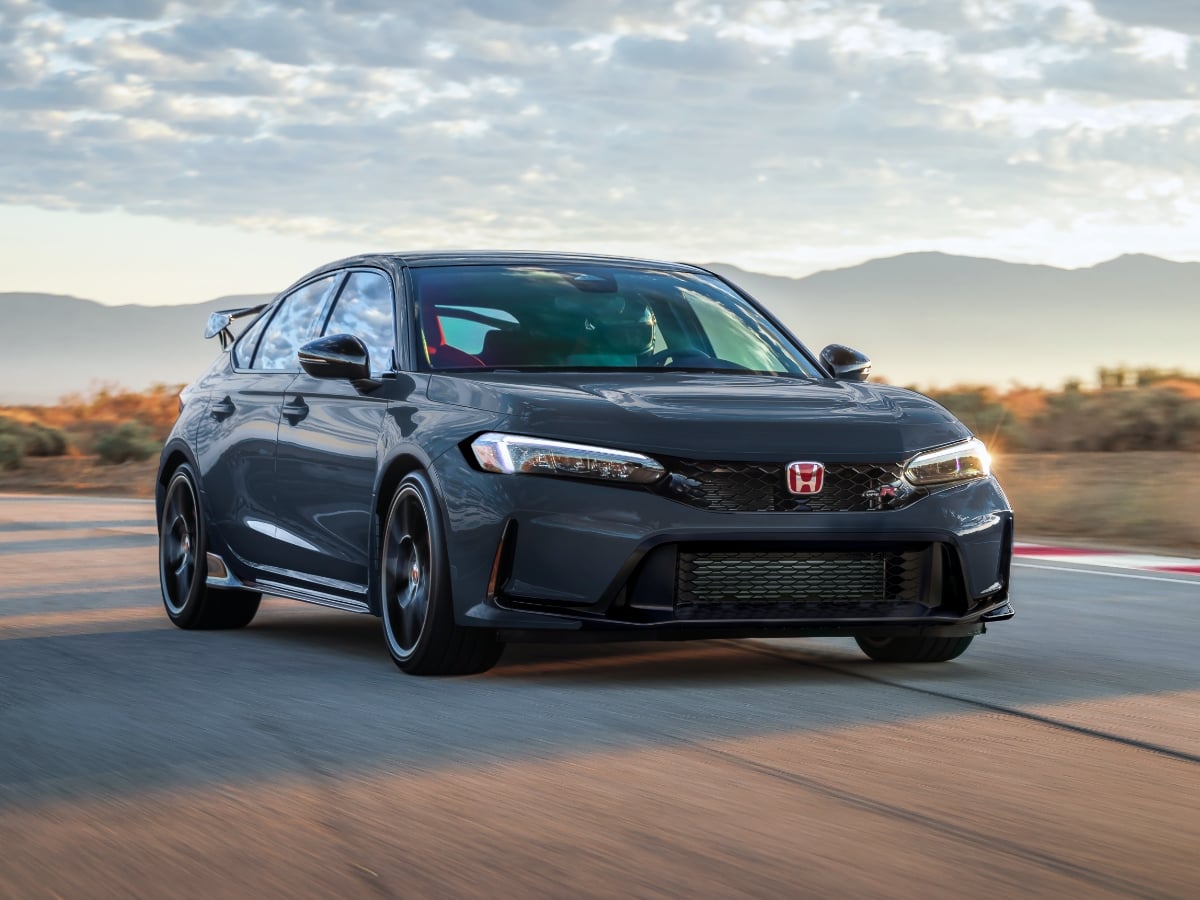
The 2027 Civic Type R goes on sale in October 2026, and it starts at $49,990, including the $1,295 destination charge.
Read the Full Article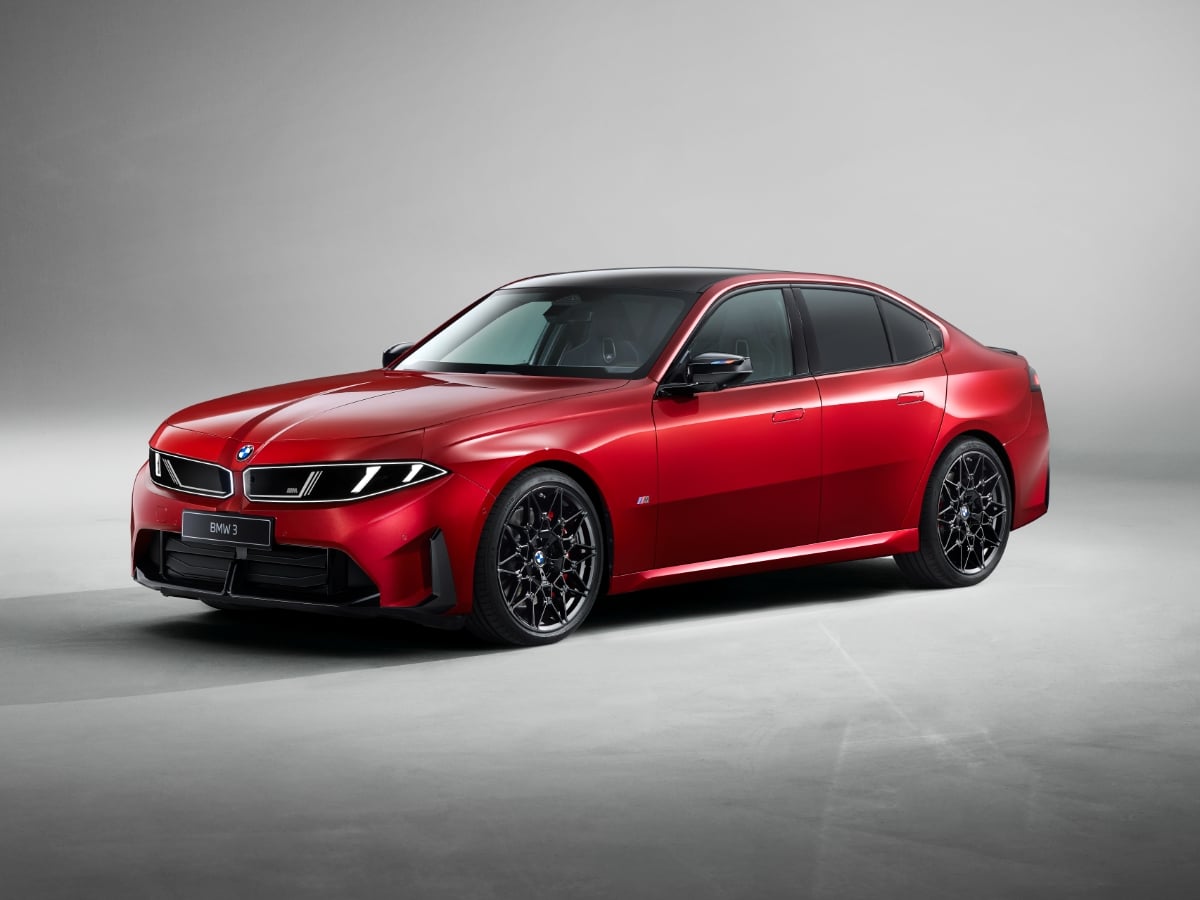
Part of BMW’s Neue Klasse (new class) rollout of redesigned models, the 2027 BMW 3 Series is all-new and goes on sale in the first quarter of 2027.
Read the Full Article