
Let’s face it; every car looks its best when it’s clean, polished, and painted to perfection. In addition to the aesthetic, paint also protects your vehicle by preventing the steel underneath from corroding over time or suffering wear and tear damage caused by everyday driving.

However, new paint jobs aren't cheap.
Let's break down how much it costs to paint a car, the factors that affect that cost, and when you should consider painting your vehicle. Whether you have a 10-year-old sedan or a new truck, this guide should provide you with vital information that will help you budget for your paint job. So, let’s get started!
The cost of paint alone is not the only factor to consider when calculating paint job costs. Several elements impact the overall cost of the project.
Naturally, the quality of the paint job you are seeking will affect the asking price, sometimes dramatically. For example, when contracting a professional paint service, you can expect the best of the best in terms of quality of the paint as well as the painters themselves. The finished project should look nothing short of amazing. On the flip side, if you get a bargain-priced paint service, you should expect bargain-level results.
The size of your vehicle will also affect the cost of a paint job. For instance, a compact coupe would cost far less to paint than a full-size truck or SUV. The latter vehicles are much larger, so there’s more surface area that needs painting.
Simply put, the larger the vehicle, the higher the cost of the paint job. Period.
Though a white shirt and a yellow shirt may carry the same price tag in a department store, paint color does not work in the same fashion. Color affects the price, and standard colors like black, gray, and white are much cheaper than specialized colors. Furthermore, you should expect to pay more if you choose rare colors used by premium automakers.
The paint quality will determine the cost of the overall paint job, as well. Higher-quality and long-lasting paint are more expensive than the industry standard. But it’s usually well worth it since you’ll have to repaint your car far less often - if ever again.
For example, one coat of synthetic enamel paint might cost between $300-$700 for an average-sized sedan. On the flip side, multiple coats of high-quality paint can run several thousands dollars or more. You’ll also have to consider any additional paint art or stylistic touches you may want. Looking to add racing stripes? In many cases, you’ll need to pay a few hundred dollars extra.
All in all, the more elaborate the project and the higher the quality of paint, the more expensive it will be.
If your vehicle has several surface imperfections, like deep scratches, a new paint job will probably cost more. Some paint services will offer to repair imperfections, but even those who don’t may charge extra for the project since they’ll have to paint around the issue or cover it up.
Smaller imperfections won’t necessarily require a full repaint to resolve. Instead, paint correction is administered by using an electric polisher, a cutting compound, and a buffing pad to remove swirl marks and scratches. Since this process involves cutting into the clear coat, it is advisable to use a professional. Frequently an add-on during detailing, a paint correction can range from $300 to over $1,000 depending on the severity of the defects.
After painting a vehicle there are some optional final touches to preserve the paint. These finishes include waxing, sealants, ceramic coating, and paint protection film.
Waxing preserves the clear coat which is the protective layer that shields the paint from harsh elements like salt, tree sap, rain, snow, and more. A regular wax finish will probably add another $100-$200 to the total cost of the paint job. Recommended waxing intervals vary from every 8 weeks to twice a year depending on vehicle storage and the type of wax used.
Although synthetic paint sealants do not provide the same level of shine as wax, they are designed to last many months and are easily applied.
However, ceramic coating is a finish option that can last for several years. The silica-based liquid polymer coating is applied by hand and forms a hard shell protecting the paint from road elements and mineral deposits. Ceramic coating application is a complex process and is best undertaken by a professional who may charge $1,000 to $3,000 or more. While ceramic coating preserves the paint, it will not protect it against stone chips and other dings.
Paint Protection Film (PPF) is a protective film applied to the paint that prevents rock chips and small scratches. Mainly composed of thermoplastic polyurethane (TPU), PPF is developed to be almost invisible, has self-healing technology, and lasts up to 10 years. PPF ranges in price from $1,000 to over $8,000.
Fortunately, choosing between ceramic coating and paint protection film is not an either/or decision as PPF can be adhered first and followed by ceramic coating.
These added finishes are expensive, but they can pay dividends over time by significantly boosting the longevity of your car’s paint job.
Paint does more than give your car a distinctive look—it protects the body of your vehicle from wear and tear and helps prevent corrosive damage. There is no clear standard for when to paint your car. If your car’s paint gets scratched or damaged from a minor accident or inclement weather, consider getting a partial paint job to resolve the trouble spots.
Bottom line: painting your car can cost you anywhere from a few hundred dollars to up to $10,000 or more, depending on the many factors listed above.
A basic paint job for a sedan-sized vehicle that doesn't include any additional features, like racing stripes or high-quality wax, can be purchased for around $500 depending on the auto body shops in your area. A more complete paint job, which includes multiple coats of paint and basic wax, will probably cost $2,500 or so for a similar car. If you want a truck painted with high-quality, manufacturer-exclusive paint and a ceramic coating, don't be surprised if the price tag reaches $5000 or higher.
Painting your car is no small task, and it’s not always easy on your wallet either. But nothing compares to the sleek, sheen finish of a freshly painted car.
Matt Yantakosol is a lifelong automotive enthusiast and former consultant focused on the consumer aspect of the industry. He has traveled to New York, Detroit, Chicago, L.A., Paris, Geneva, Frankfurt, and Tokyo Auto Shows to track and observe the newest industry innovations. In addition to JDPower.com, Matt's writing has appeared on Pcarmarket.com.


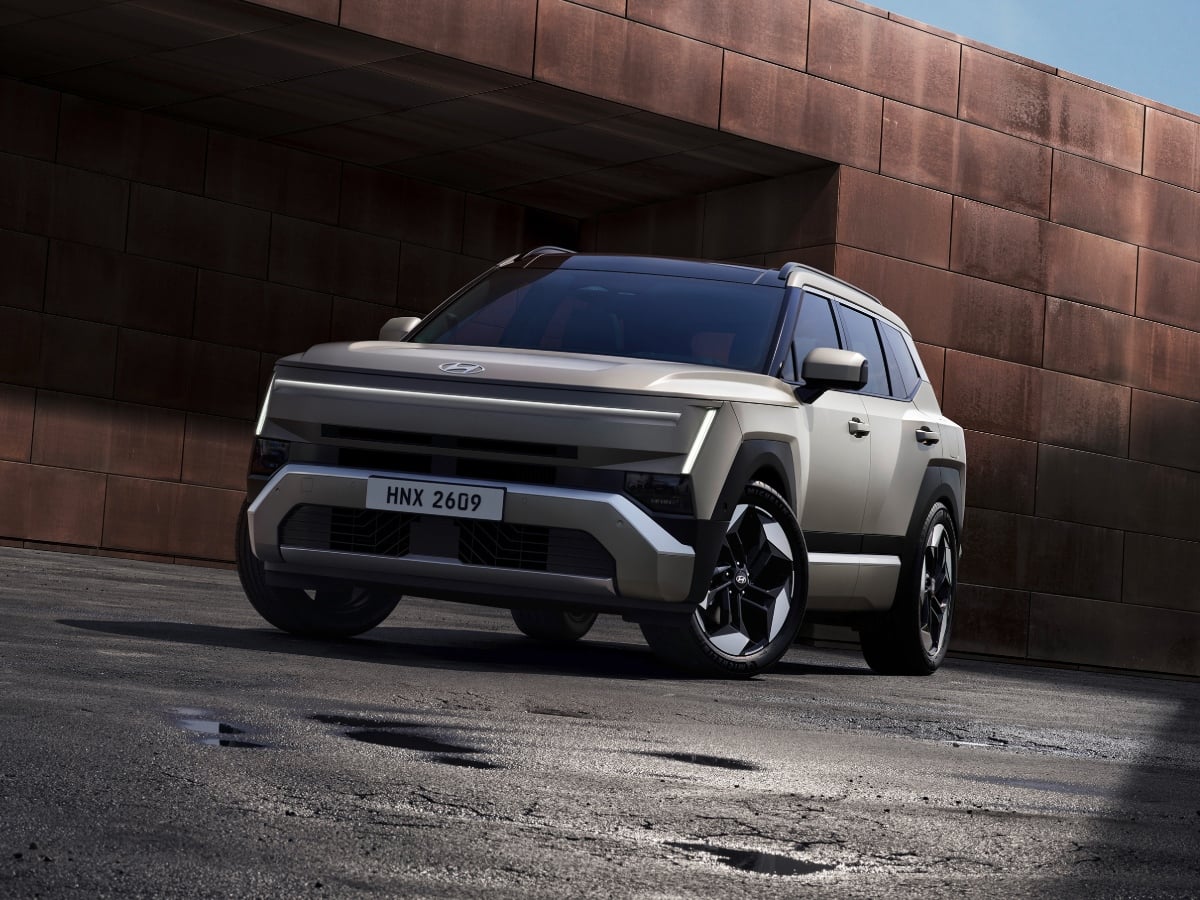
With a purposeful new design and some trail-ready upgrades, the 2027 Hyundai Tucson is pushing the brand's best-selling crossover SUV into more aggressive territory.
Read the Full Article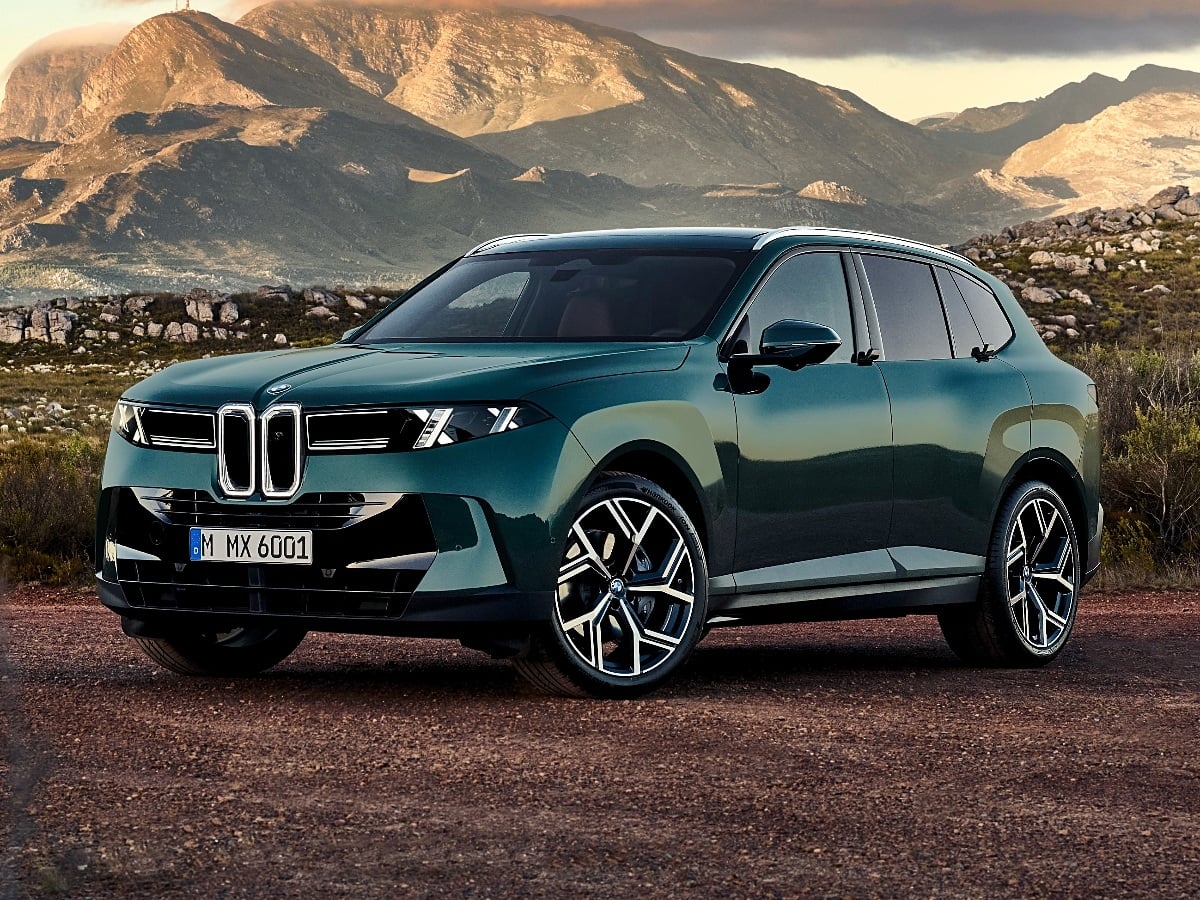
For more than 25 years, the BMW X5 has helped to define the luxury SUV segment. Now, the redesigned fifth-generation 2027 BMW X5 arrives with the automaker’s Neue Klasse styling, a roomier interior, ...See More
Read the Full Article
One of Lexus's most popular models, the NX crossover SUV is also one of the most affordable in the company’s lineup. The 2027 Lexus NX transitions to hybrid-only powertrains, and gets revised ...See More
Read the Full Article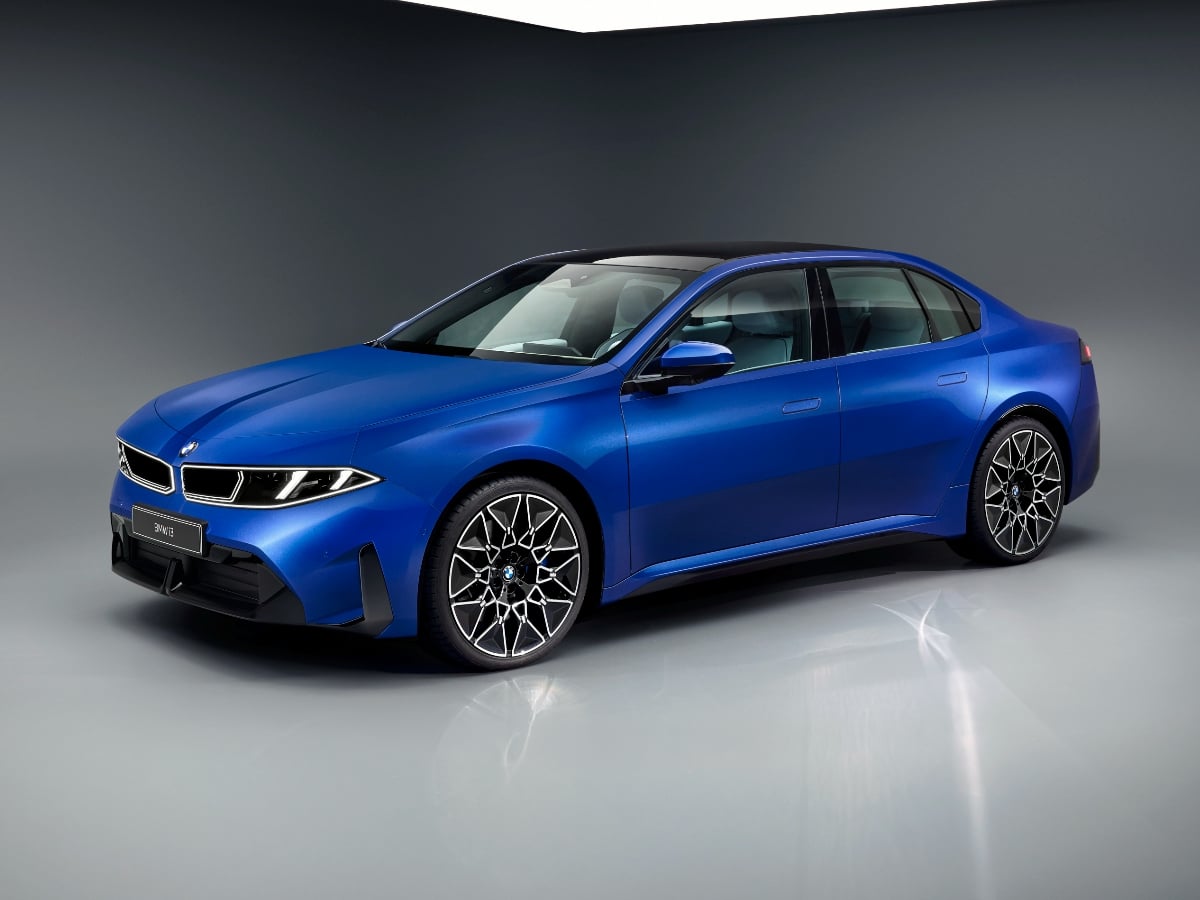
The new 2027 BMW i3 boasts an estimated range of up to 440 miles, 400-kilowatt DC fast charging capability, bidirectional charging to a home or the grid, and next-generation technology.
Read the Full Article