
According to the latest JD Power study on electric vehicle (EV) ownership, charging at home is much more satisfying than charging in public. Not only that, but satisfaction improves among all three home charging segments: Level 1 portable chargers (+20 points on a 1,000-point scale), Level 2 permanently mounted home chargers (+4), and Level 2 portable charging stations (+2).

That’s the main takeaway from the JD Power 2024 U.S. Electric Vehicle Experience (EVX) Home Charging Study, which measures EV home charging satisfaction across eight factors. They include:
“In contrast to public charging, home charging is the ultimate convenience for owners to charge their EV,” said Brent Gruber, executive director of the EV practice at JD Power. “Home charging is the most satisfying aspect of owning an EV, which is why all parties in the EV ecosystem need to take the necessary steps to ensure that residential charging is available for current and potential EV owners alike.”
Despite the overall rise in EV owner satisfaction with home charging, there’s still plenty of room for improvement, particularly among those using Level 1 portable chargers. According to the study, satisfaction with Level 1 portable chargers (581) lags far behind that of Level 2 portable charging stations (735) and further still compared to Level 2 permanently mounted chargers (744). Interestingly, 84 percent of EV owners who charge at home use a Level 2 charger.
Also, 35 percent of premium EV owners say they are interested in and willing to pay more for the ability to use bidirectional charging, which allows an EV to send power back to the electric grid. A slightly lower proportion (29 percent) of mass-market EV owners say the same.
Unlike most people who drive an internal combustion engine (ICE) vehicle, EV owners are far more concerned with how long it takes to “fill up.” According to the study, charging speed is the biggest satisfaction differentiator among those using a Level 1 charger versus those using a Level 2 unit. Indeed, owner satisfaction with the charging speed of Level 1 portable chargers (325) is roughly half that of Level 2 portable chargers (649). An even larger gap exists between Level 1 portable and Level 2 permanently mounted chargers (682).
Satisfaction with home charging is on the rise despite owners experiencing more problems with their chargers. According to the 2024 EVX Home Charging Study, owners in all three home charging segments had more problems with their chargers than last year.
Notably, slower-than-normal charging speed—at 8.6 problems per 100 chargers (PP100)—is particularly concerning among Level 1 portable charger users. At the same time, Level 2 portable charger owners experienced an increase of 6.6 PP100 collectively.
While offering consumer incentives for home charger installations and electricity usage discounts is a boon for EV buyers, the message often falls on deaf ears. According to the study, 18 percent of EV owners say their electric utility offers no customer incentive programs. In comparison, nearly half (49 percent) say they are unaware of such programs. Consumers, automakers, home charger manufacturers, and local utilities would all benefit from better consumer education.
“Incentives and programs are also available to offset the cost of charger installations, upgrades, and management of ongoing charging costs, but too few EV shoppers are taking advantage of these offerings,” said Gruber. “The industry needs to do a much better job with consumer education and awareness, and dealers are certainly in the best position to fill that role at a local level.”

For a fourth consecutive year, Tesla (790) ranks highest in the Level 2 Permanently Mounted Charging Station segment in the EVX Home Charging Study. Emporia (764) and GRIZZL-E (761) round out the top three in this year’s study. JD Power did not issue awards in either of the other two segments in 2024.
While the auto industry still faces many challenges regarding EV pricing, adoption, and public charging infrastructure, owner satisfaction with home charging is a bright spot. Still, there’s significant room for improvement in charging unit quality, charger speed, and consumer awareness of vehicle charging incentives.
Visit our EV Learning Center to access EV tools and resources, get answers to common questions, read news and articles, and shop electric vehicles.
Jeff Youngs has over 25 years of experience in the auto industry, including 19 years with JD Power in marketing and editorial management roles. He also spent nearly six years as a media relations pro with General Motors. As a freelance automotive journalist, his work has appeared on JDPower.com, CarGurus, Kelley Blue Book, Autotrader, Autolist, and iSeeCars.


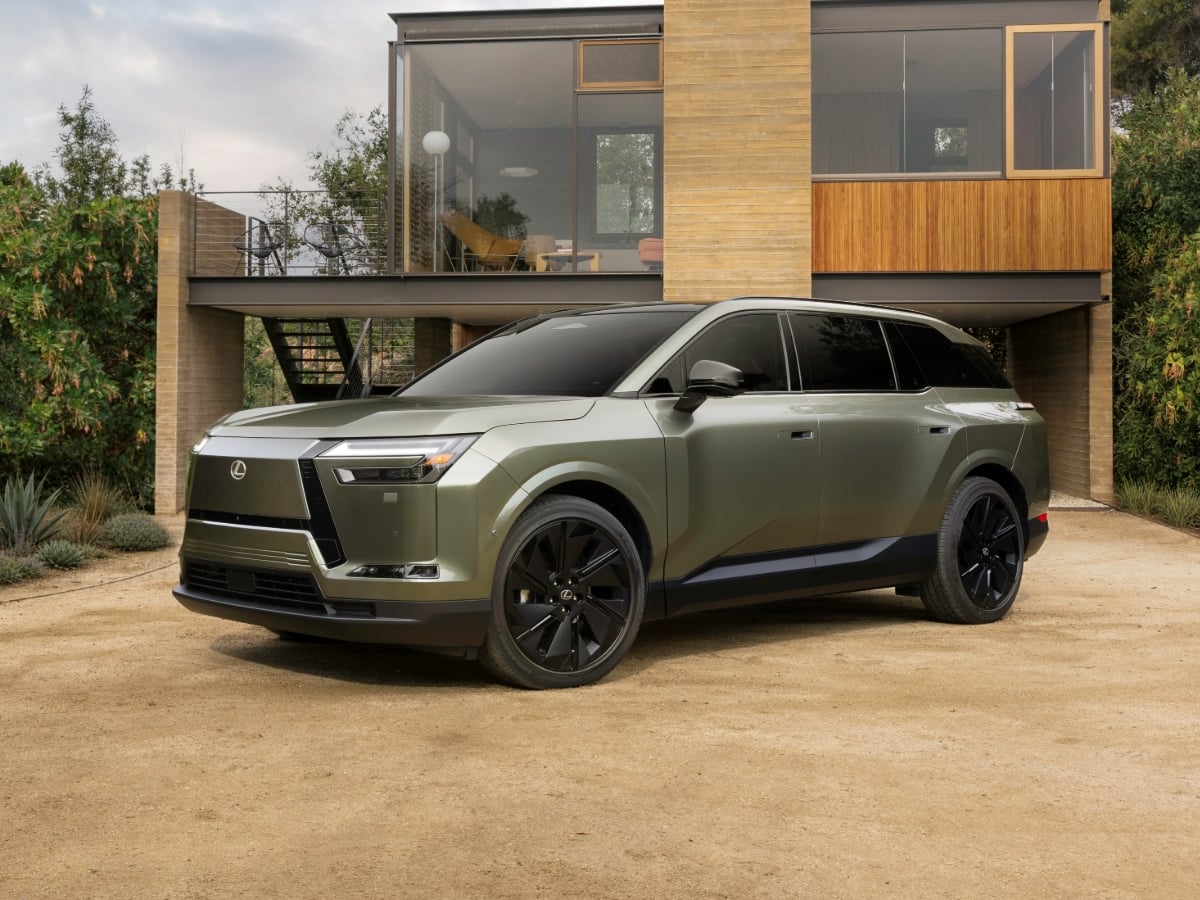
With the 2027 Lexus TZ, Toyota Motor’s luxury division introduces its first three-row all-electric SUV, featuring a lounge-inspired interior, an enhanced all-wheel drive (AWD) system, and up to 300 ...See More
Read the Full Article
With the all-new 2027 Kia EV3 small crossover SUV, the Korean automaker continues to expand its all-electric lineup while keeping prices accessible.
Read the Full Article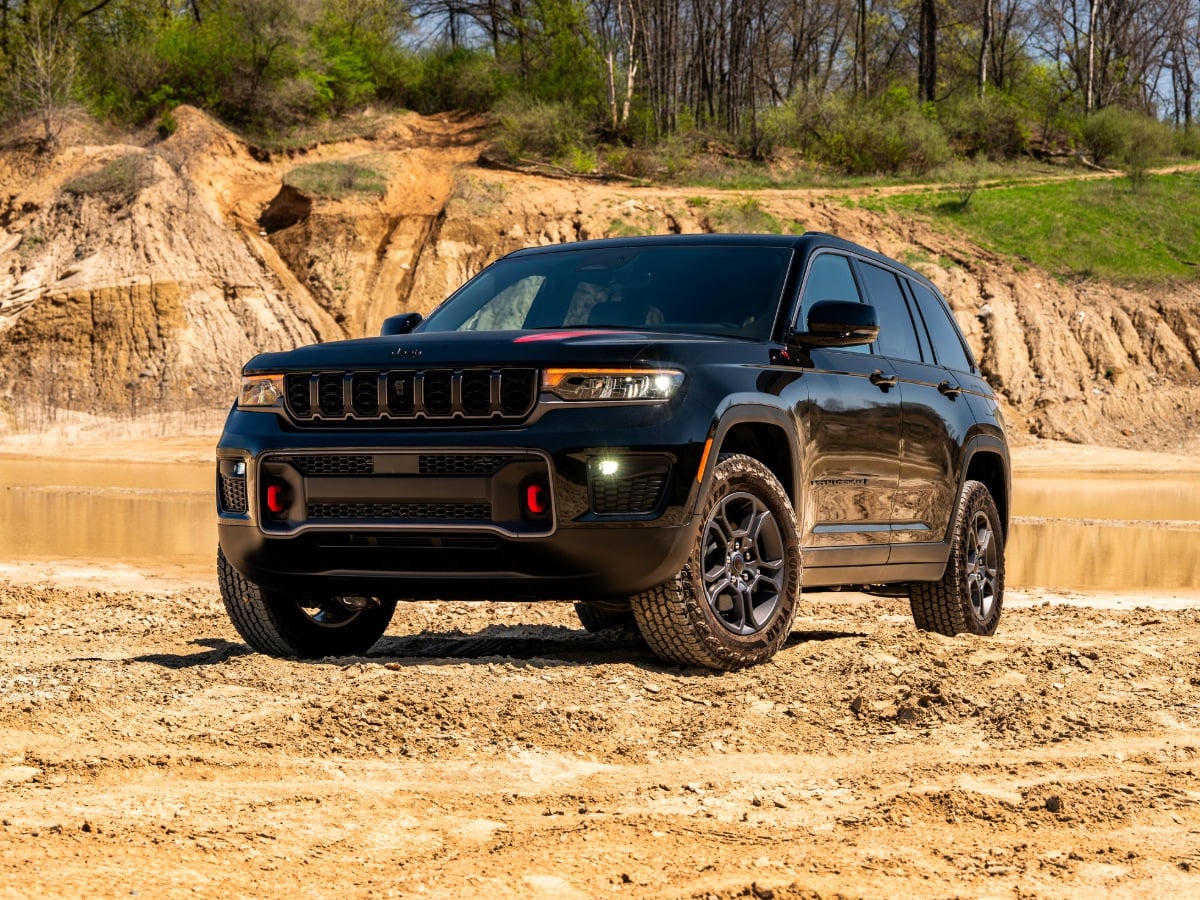
Following a refresh for the 2026 model year, the 2027 Jeep Grand Cherokee lineup brings back two familiar variants, the go-anywhere Trailhawk and the premium-yet-capable Overland, offering buyers ...See More
Read the Full Article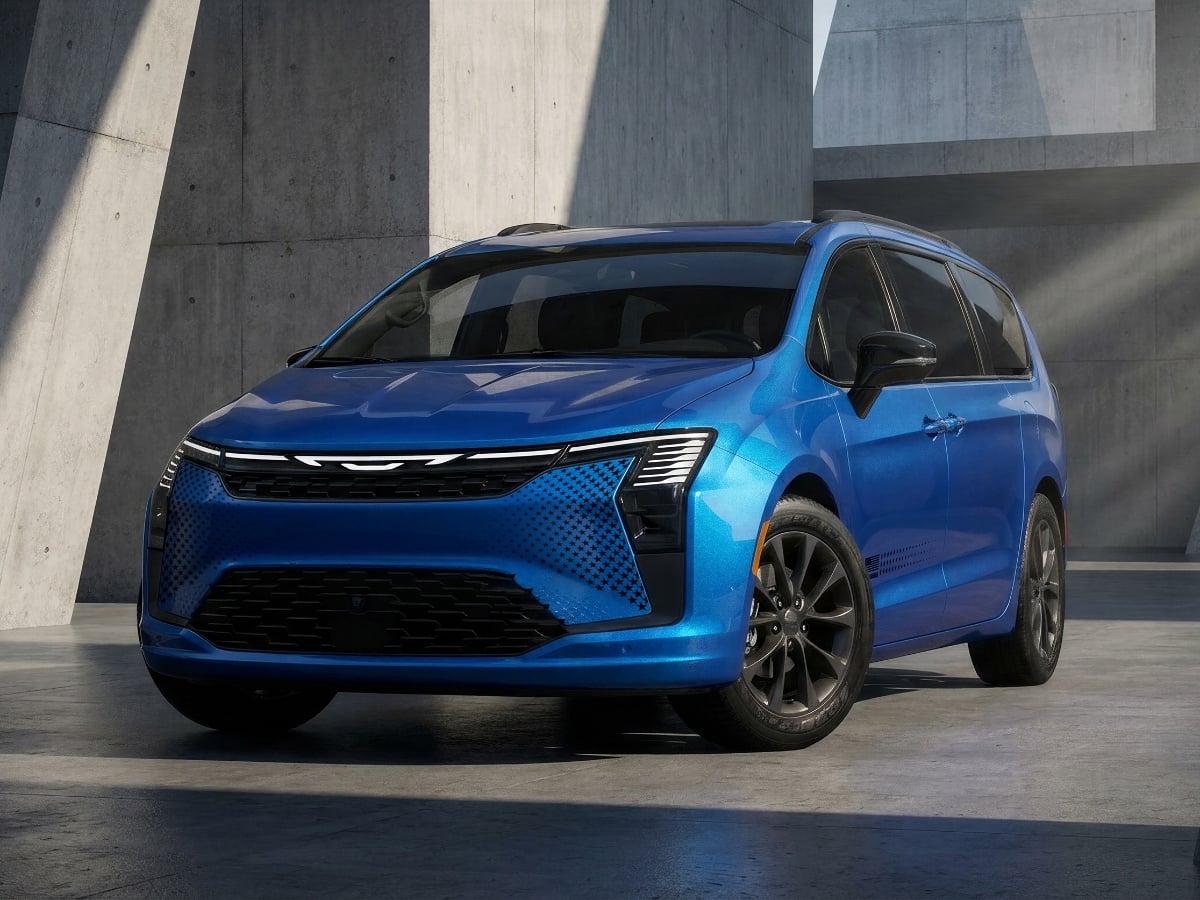
Chrysler, the company that launched the modern minivan segment in 1984, is giving its popular 2027 Chrysler Pacifica a nose job and introducing a special edition commemorating America’s 250th ...See More
Read the Full Article