
Ever since the arrival of electric vehicles (EVs), issues around charging infrastructure have been a growing concern. It's not just the number of charging stations or their accessibility that has caused anxiety among consumers, but also the genuine question of whether local and national electric grids can bear the load from the surge in demand when so many electric vehicles are plugged in and charging simultaneously. One solution to this problem is bidirectional charging, an innovative way for battery-electric vehicles (BEVs) to manage energy flow and usage.

As with conventionally powered vehicles, EVs are parked or idle for long periods. Bidirectional charging turns static EVs into active components that help balance interconnected energy systems.
When an EV charges, it takes energy into a battery, stored to power the vehicle's propulsion system. In many cases, the car will only use some of this energy—what's needed to get from point A to point B. This means a vehicle may still have significant energy on board at the end of a commute. Bidirectional charging allows you to harness this excess or leftover energy using the at-rest EV as a portable battery pack while parked in a driveway, garage, or lot.
There are two types of bidirectional charging: vehicle-to-grid (V2G) and vehicle-to-home (V2H). V2G and V2H add an important layer of flexibility to modern energy systems, allowing you to use an EV as additional energy storage.
Vehicle-to-grid enables electricity to be drawn from EVs and sent back to the grid when needs dictate additional electricity for broader use across a town, municipality, or geographical area. Energy from the EV's battery is fed into the electric grid as a countermeasure to drawing energy from the grid.
With V2G, the EV connects to the local power grid, and municipalities can use its stored energy in periods of low power supply. Thus, an owner can charge or discharge the EV battery according to the grid's needs to balance supply and demand. This helps reduce the overall load on the electric grid and ultimately saves energy for a local region.
Although V2G sends power out of the vehicle, it does not drain the battery. Instead, the BEV will send power to the grid during peak power usage times and recharge itself during off-peak times when demand is low, allowing it to operate at full capacity when needed.
This ebb and flow of electricity allows municipalities to smooth out potential spikes in power demand while taking pressure off the electric grid. As few as 10 EVs plugged into a V2G system can generate enough energy to power a neighborhood or small business district for up to an hour. Extrapolating from there, hundreds or thousands of EVs could help support the power needs of an entire city on an ongoing basis.
The concept of V2H is similar to V2G, except "Home" replaces "Grid." So, the EV does not feed electricity directly back into the local grid but instead into a connected household to power appliances, electrical devices, and even larger systems like HVAC. It allows plugging an EV into a home and using the power from the vehicle's battery to provide additional energy during peak usage. Then, during off-peak time, the car draws power to charge up again. This alternating power flow helps smooth out demand spikes in much the same way as V2G.
Vehicle-to-home allows an EV to supply a building with electricity during a power outage or if weather conditions are not optimal for local solar generation. You can recharge the EV for its next drive when the outage is over, or the sun comes out. As such, V2H maximizes self-sufficiency as homeowners become less dependent on the power grid. It also helps reduce energy costs without compromising mobility.
Bidirectional charging, whether it be V2G or V2H, has many advantages—environmental, economic, or practical:
There are many benefits to bidirectional charging, but like any other innovation, there are barriers or detractors:
Bidirectional charging allows EV charging and discharging to support the grid's or the house's needs. As a market-ready functionality, it is a potential win for EV drivers and the world.
To learn more about electric vehicles, visit the JD Power Electric Vehicle Learning Center section of the website.
Jessica Shea Choksey is an experienced writer in the automotive field. In addition to JDPower.com, she was a correspondent for PBS's MotorWeek. Her work has also appeared in AutoTrader.


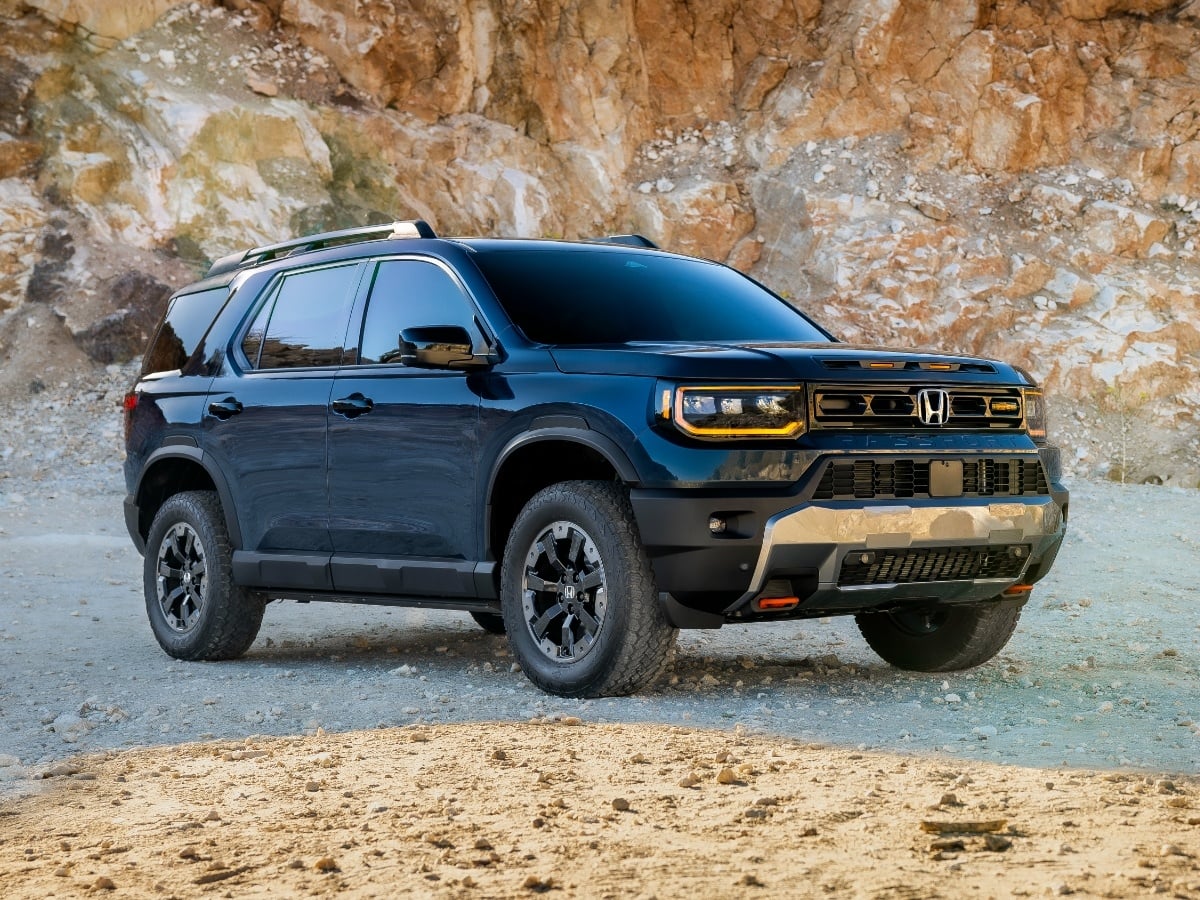
Updates to the 2027 Honda Passport TrailSport include a reworked suspension, improved steering, subtle styling enhancements, and added standard equipment.
Read the Full Article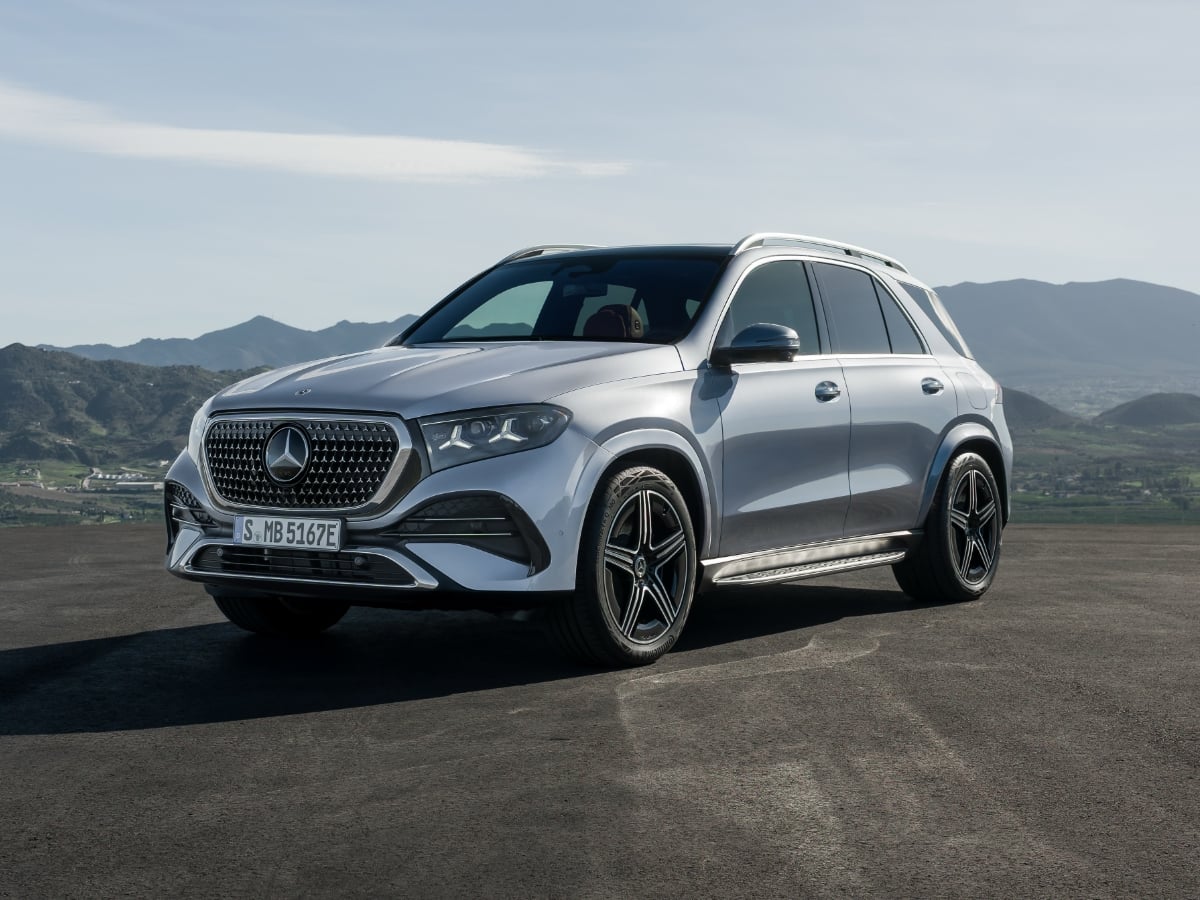
The midsize 2027 Mercedes GLE remains available in original and spicy Coupe recipes, now with standard 4Matic all-wheel drive (AWD), MBUX Superscreen technology, and a panoramic glass sunroof for ...See More
Read the Full Article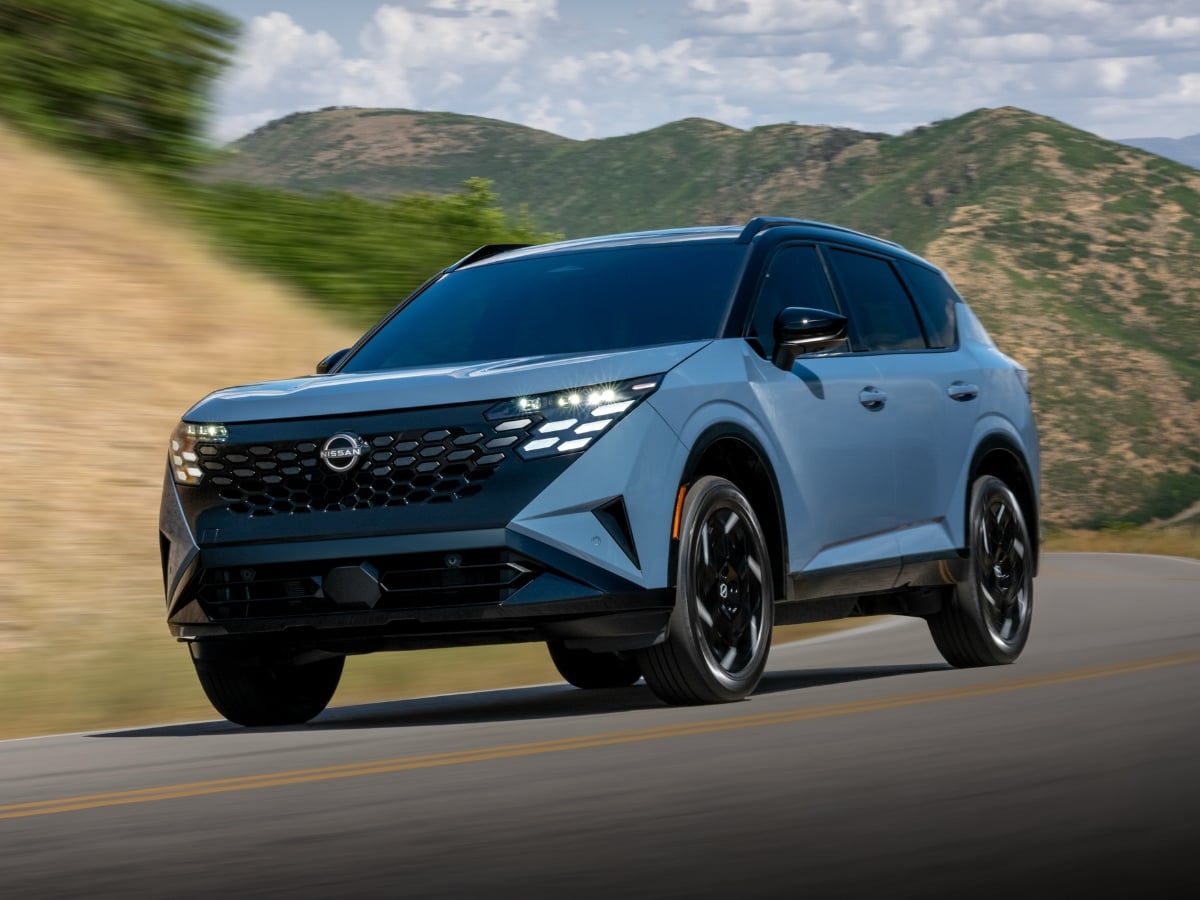
Nissan is about to introduce an innovative new SUV. The 2027 Nissan Rogue Hybrid has a gasoline engine, but it does not power the wheels. Instead, electric motors at each axle provide propulsion, ...See More
Read the Full Article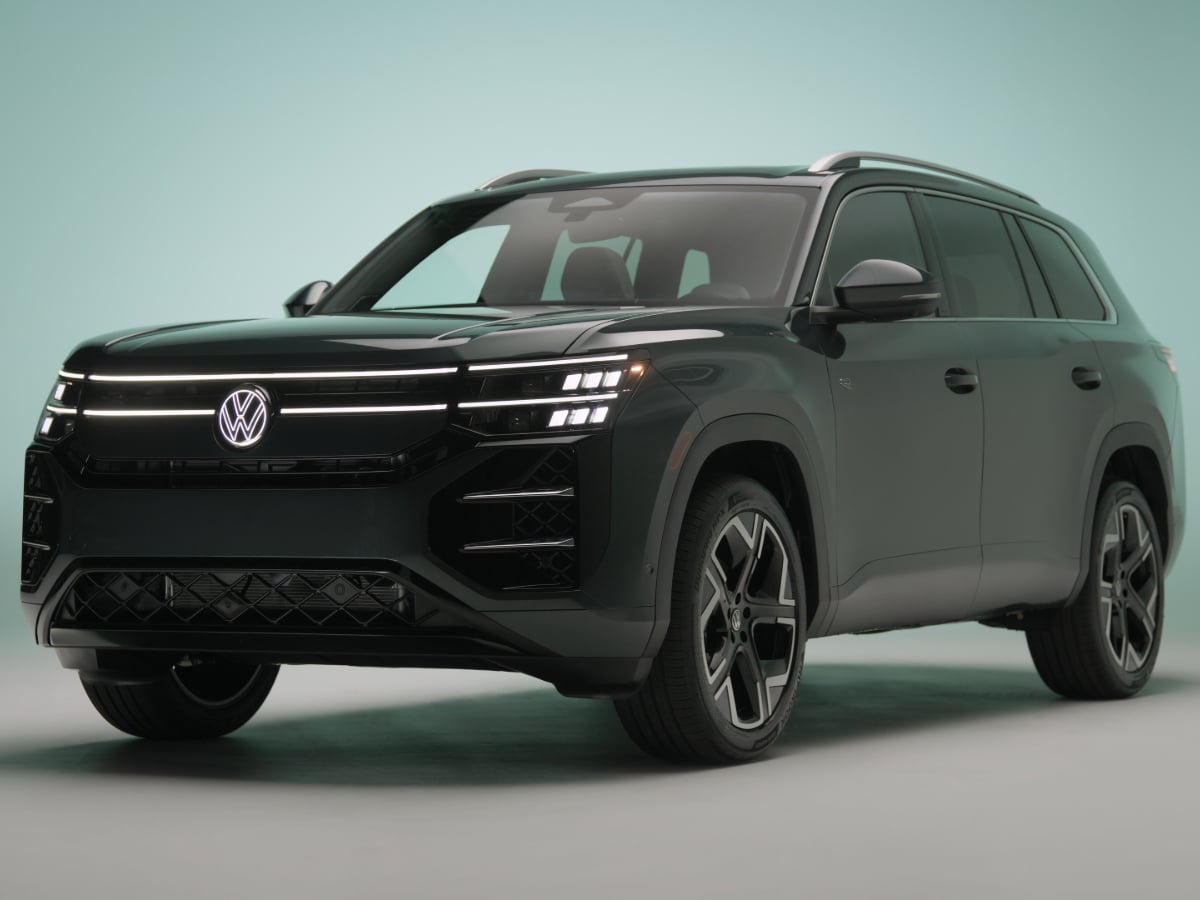
Adding European flair to the otherwise vanilla midsize three-row family SUV market, the redesigned 2027 Volkswagen Atlas debuts with a sharper exterior, an upgraded cabin, more power, and new ...See More
Read the Full Article