
Advanced Compatibility Engineering (ACE) is a design and engineering philosophy that Honda Motor Company applies to its modern vehicle architectures. Unique to Acura and Honda models, the ACE body structure is designed to absorb and deflect crash energy during a frontal-impact collision, preventing as much of the impact force as possible from reaching the interior of a vehicle and its occupants.
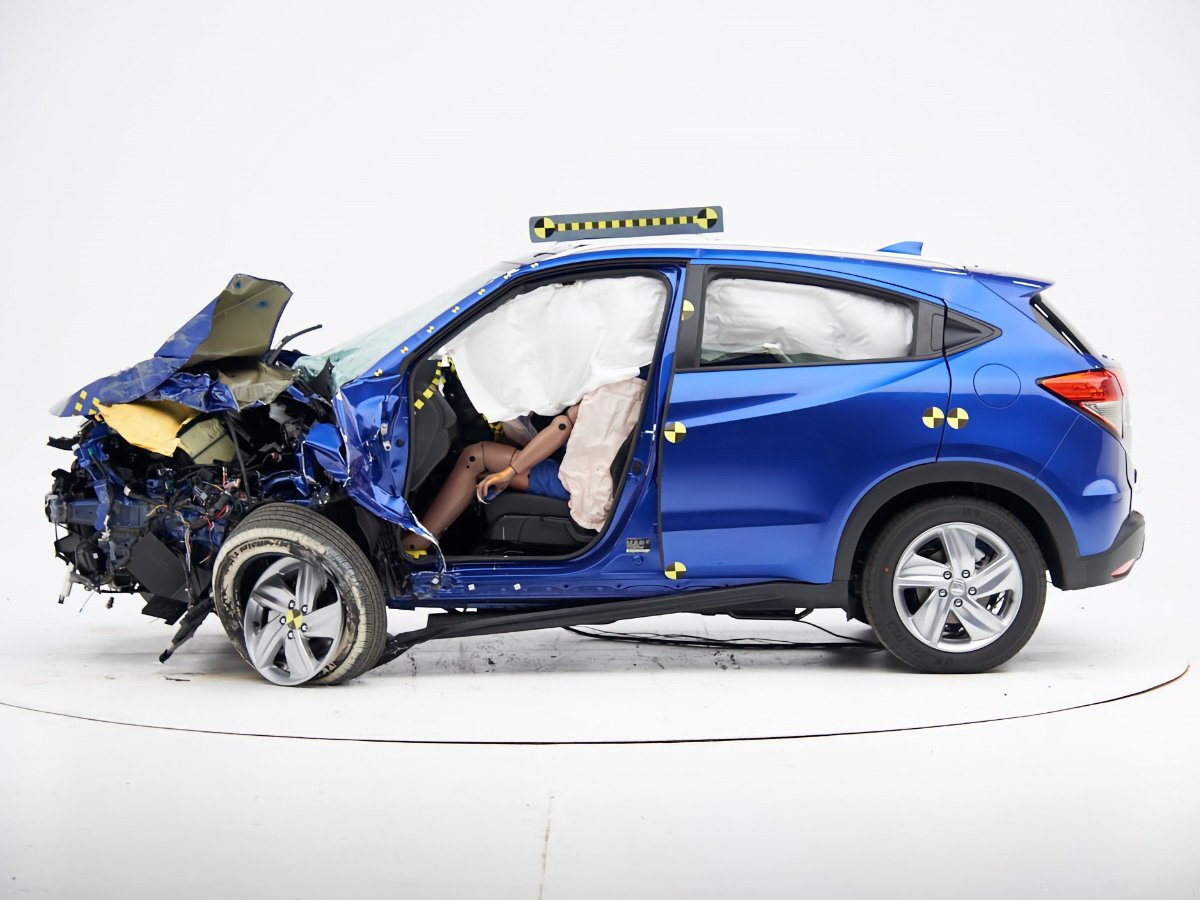
Using a mix of materials and an intricate network of front body frame structures, ACE is specifically designed to absorb, deflect, disperse, and dissipate the violent forces associated with a collision before they have a chance to deform the passenger compartment and transfer into a vehicle’s interior and harm its occupants.
Additionally, in multi-vehicle accidents, and according to Honda, the ACE body structure can “disperse the forces transferred to other vehicles involved.” This reduces what the company calls “aggressivity” of Acura and Honda models in those types of accidents.
Furthermore, Honda developed the ACE body structure to provide improved crash-protection in collisions with a wider variety of vehicles. Many people drive SUVs and pickup trucks, which are larger, heavier, and higher-riding than a typical passenger car. Often, these types of vehicles also have body-on-frame construction, making them sturdier but less able to absorb crash energy. ACE is specifically engineered to improve crash-compatibility with these types of vehicles.
To develop and improve its ACE body structure, Honda operates two crash safety research and testing labs. These state-of-the-art facilities, one in Japan and one in Ohio, allow the automaker to test new designs under a variety of collision scenarios that occur in the real world. More recently, Honda developed Real Impact, a 3-D crash visualization technology allowing the company’s engineers and designers to examine collision performance predictions from numerous perspectives.
Honda introduced its ACE body structure in the 2005 Acura RL luxury sedan and 2005 Honda Odyssey minivan. Each model was redesigned for that year and equipped with the innovative new way of approaching driver and passenger safety in a collision.
In subsequent years, the automaker rolled ACE out to the majority of its models with each complete vehicle redesign. Today, all Acura and Honda models include the ACE body structure except for the NSX sports car.
"Safety performance is an important factor in the purchase decision of most car buyers regardless of vehicle size or price," said Henio Arcangeli, Jr., senior vice president of Automobile Sales at American Honda Motor Co., Inc. and general manager of the Honda Division, at the 2019 New York Auto Show. The automaker used the annual auto show to showcase its ACE body structure and how it protects the driver and passengers, displaying a crashed Honda HR-V that had been used for Insurance Institute for Highway Safety (IIHS) testing.
According to the National Highway Traffic Safety Administration (NHTSA), all 2020 Acura models except for the untested NSX receive a 5-star overall crash-test rating. The same is true of all 2020 Honda models on which tests have been performed.
However, the goal with the ACE body structure is to protect in a variety of collisions beyond the simple head-on frontal-impact crashes the NHTSA examines. That makes testing by the Insurance Institute for Highway Safety (IIHS) more instructive.
In IIHS testing, the only Acura to earn the highest ratings in all crash-test evaluations is the RDX, a compact SUV. Within the Honda lineup, those models meeting the highest standards include the Accord, Civic, CR-V, HR-V, Insight, and Odyssey. Note, however, that some Acura and Honda models have not been fully tested by the IIHS.
American Honda, the NHTSA, and the IIHS are the sources of the information in this article. It was accurate on June 8, 2020 but may have changed since then.


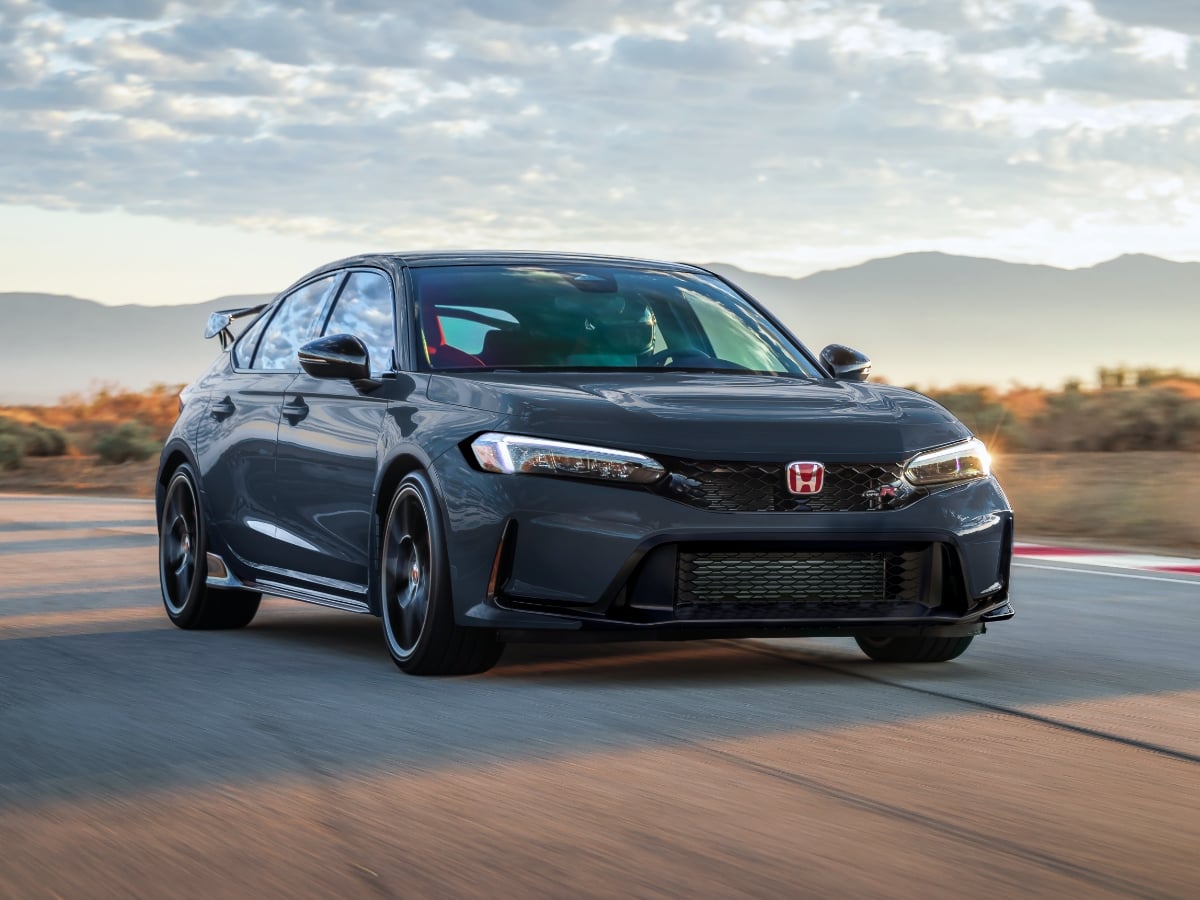
The 2027 Civic Type R goes on sale in October 2026, and it starts at $49,990, including the $1,295 destination charge.
Read the Full Article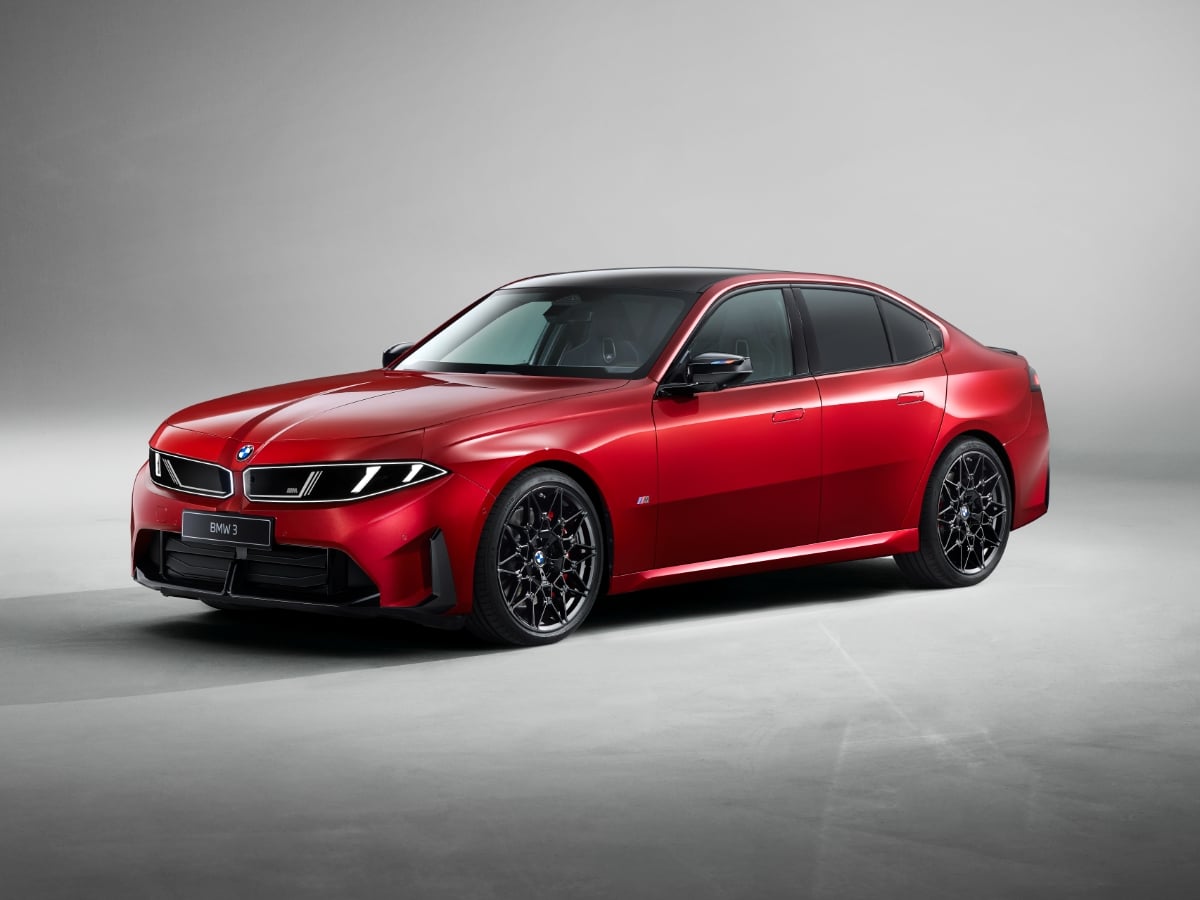
Part of BMW’s Neue Klasse (new class) rollout of redesigned models, the 2027 BMW 3 Series is all-new and goes on sale in the first quarter of 2027.
Read the Full Article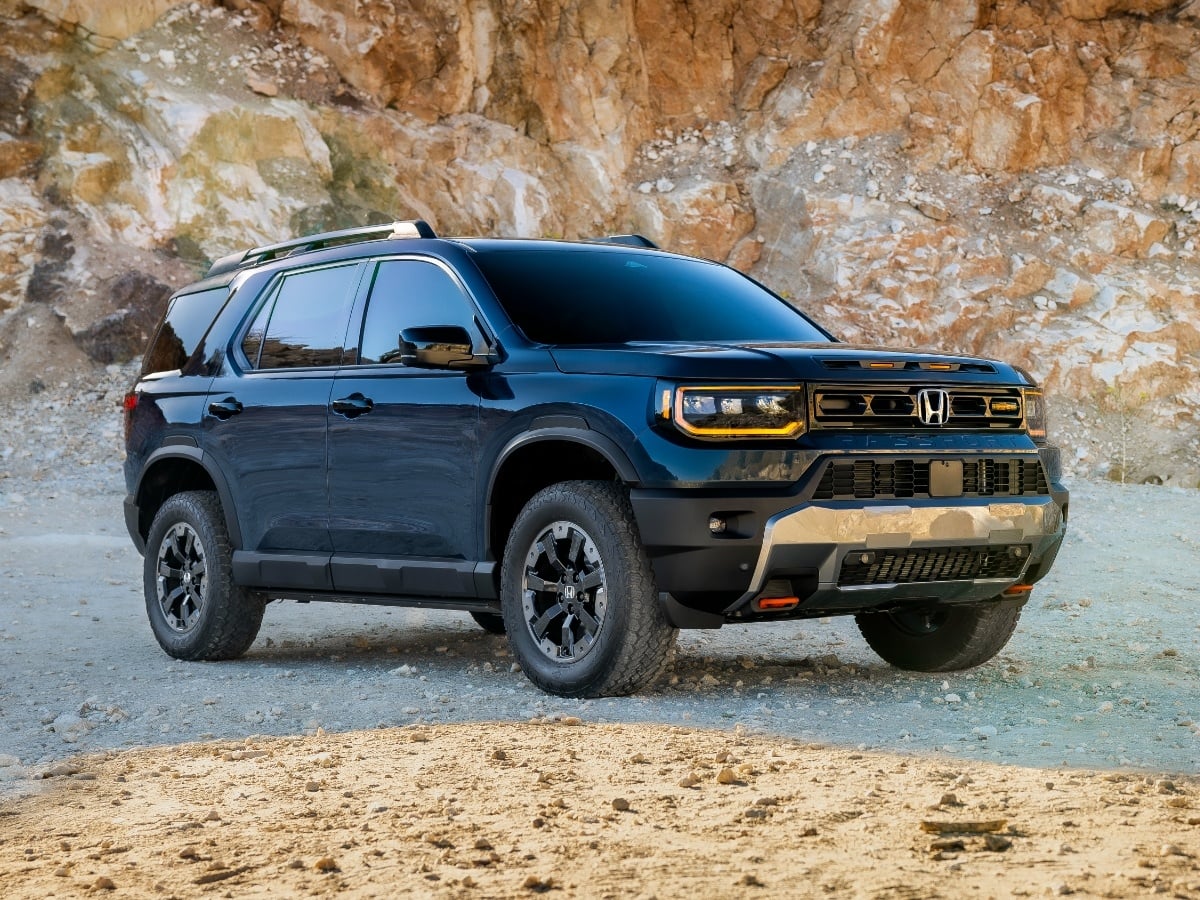
Updates to the 2027 Honda Passport TrailSport include a reworked suspension, improved steering, subtle styling enhancements, and added standard equipment.
Read the Full Article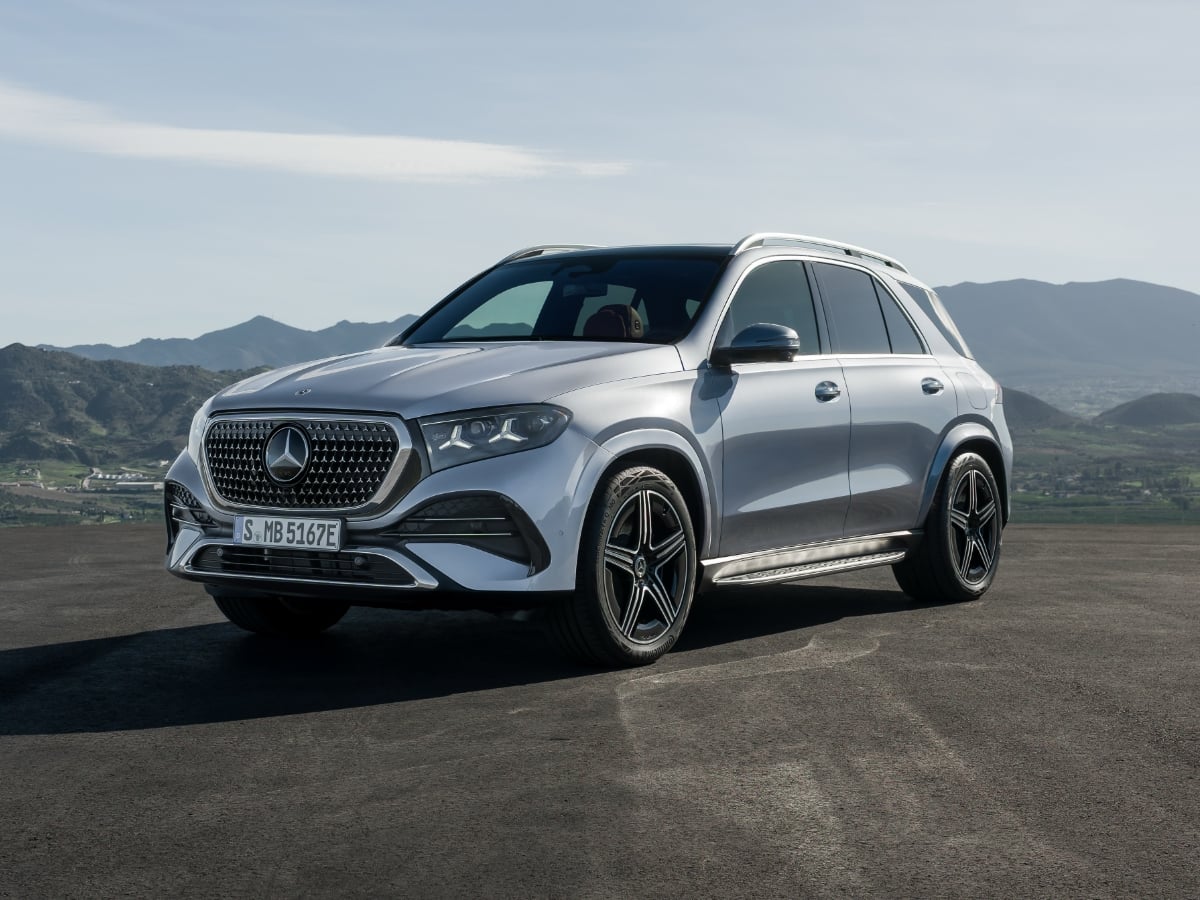
The midsize 2027 Mercedes GLE remains available in original and spicy Coupe recipes, now with standard 4Matic all-wheel drive (AWD), MBUX Superscreen technology, and a panoramic glass sunroof for ...See More
Read the Full Article