20 - 22
26 - 27
247 - 295
8 speed, Automatic w/OD
Intercooled Turbo Gas/Electric I-4
All Wheel Drive
The XC90 was Volvo's first SUV when it debuted more than 20 years ago. The lineup has expanded over the years, but the three-row XC90 remains the flagship, now sharing that role with the all-electric EX90. Although the XC90 is only in its second generation, it received a significant refresh midway through the 2025 model year (technically, it’s a 2025.5 model), featuring updated styling, an improved infotainment system, and additional enhancements. These changes breathe new life into the XC90 compared to the 2023 model we last reviewed.

Photo: Perry Stern
Although it is one of the oldest models offered by Volvo, the company is continually updating the XC90. Changes for mid-2025 that carry over to the 2026 model include:
The 2026 Volvo XC90 is available in three trim levels: Core, Plus, and Ultra, with options for mild hybrid or plug-in hybrid powertrains. All-wheel drive (AWD) is standard on all variants, which offer seating for either six or seven passengers. Prices range from around $60,000 to $84,000, including the destination charge.
For this 2026 XC90 review, Volvo provided a test vehicle equipped with T8 Ultra trim and the following options:
The Lounge package enhances luxury with a premium headliner and front-seat massagers.
The test vehicle's manufacturer's suggested retail price (MSRP) was $91,895, including the $1,295 destination charge to ship the SUV to your local dealership from the Torslanda, Sweden, assembly plant.

Photo: Perry Stern
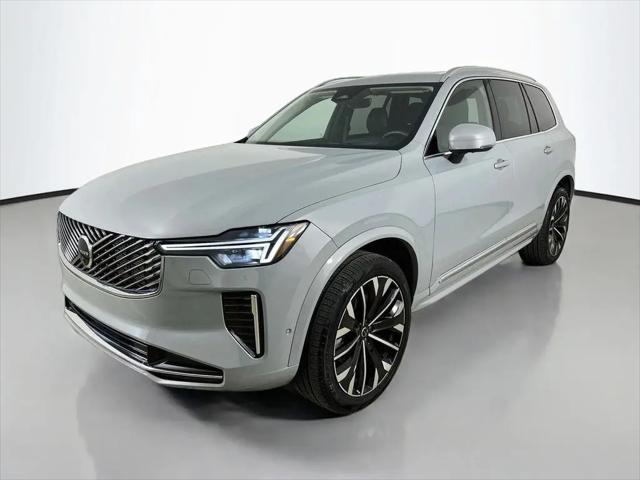
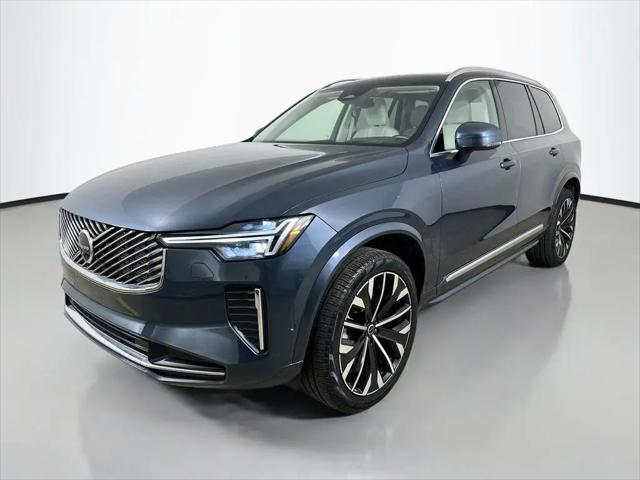
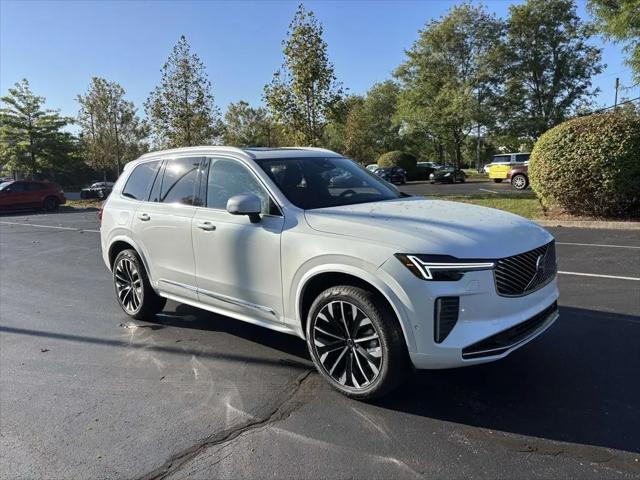
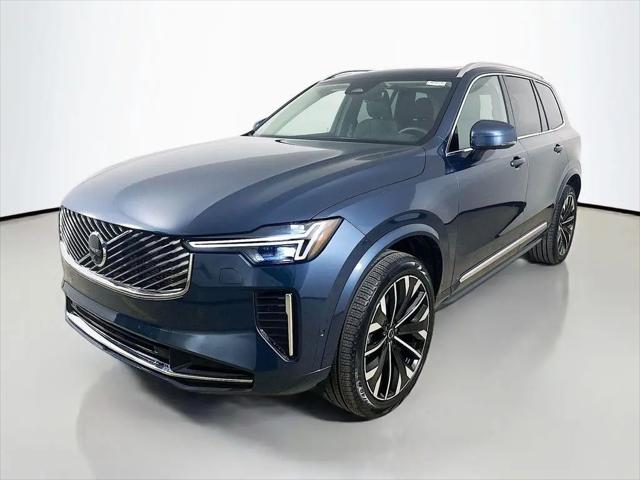
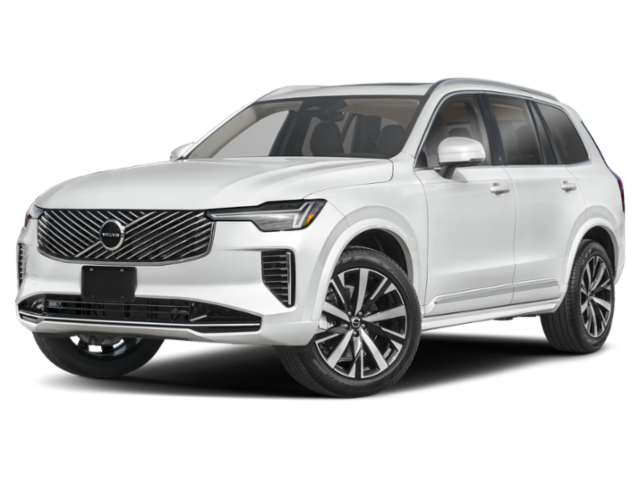
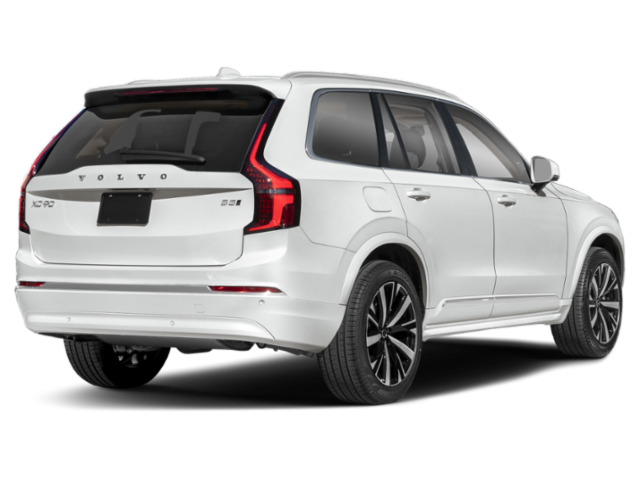
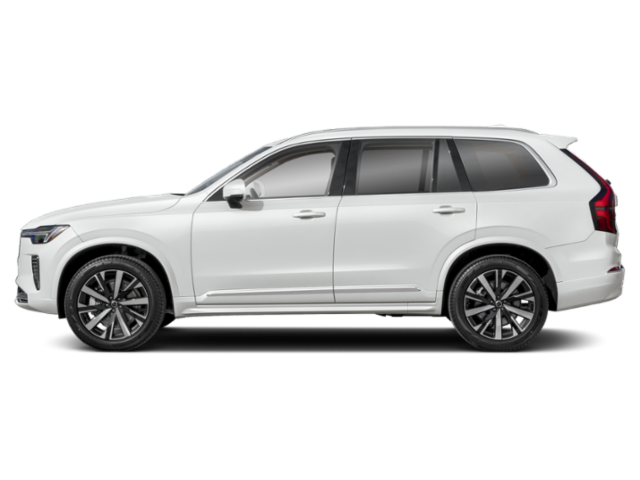
The basic shape of the XC90 has remained unchanged since Volvo introduced the second-generation model 10 years ago. However, recent updates keep the exterior looking modern and up-to-date.
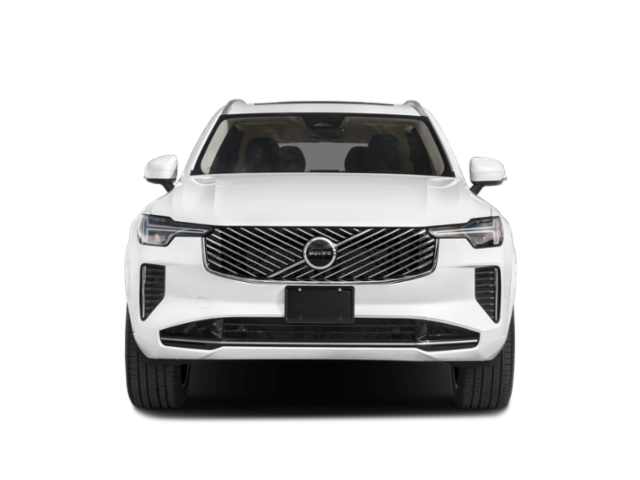
Most of the updates are at the front, where you'll see a new grille with a stylish new pattern. The grille is wider and, instead of the previous concave design, now sits flush with the body, flowing smoothly under the updated hood.
The large Volvo logo remains in the center, intersected by an angled crossbar that’s part of the new design. The headlights keep the Swedish company's signature "Thor's Hammer" style, but they’re much slimmer on the updated model, blending with the grille for a contemporary look.
The lower bumper is more streamlined, and together with the vertical vents below the headlights, it gives the XC90 a bolder stance. New wheel options enhance the refreshed appearance.

Photo: Perry Stern
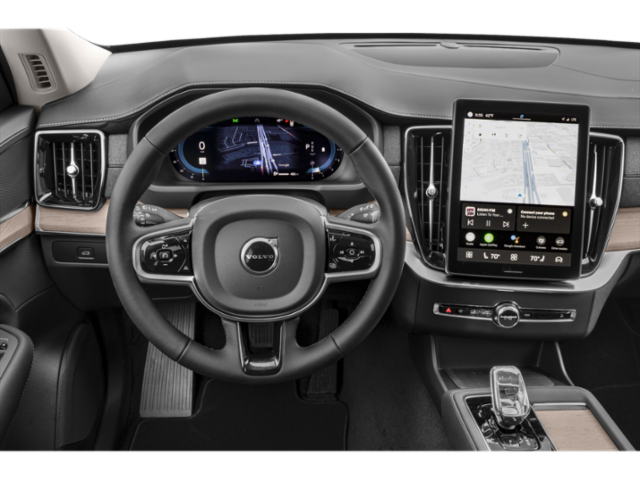
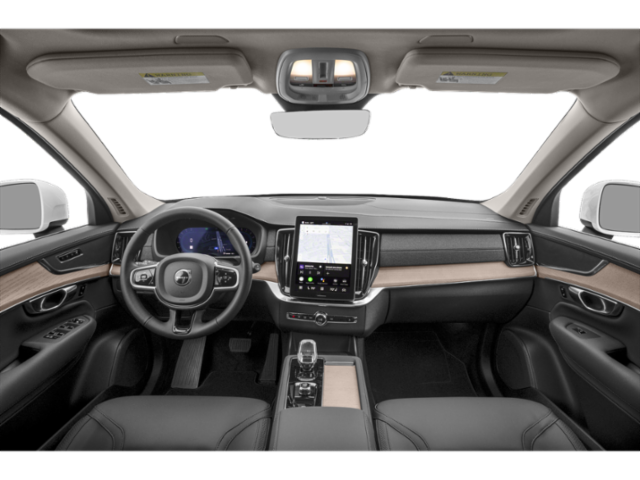
Changes to the XC90's cabin are more pronounced as the top-tier SUV receives updates first seen on its electric sibling, the EX90. Leading the updates is a larger 11.2-inch touchscreen with significantly more space than the previous version and a higher-resolution display. New, narrower vertical vents help better integrate the screen, which is tilted slightly toward the driver.
Complementing the new screen is the 12.3-inch digital gauge cluster. Surprisingly, you can configure the driver's display in just two ways: with the map in the center of the gauges or with that space left blank. I would have liked the option to show the trip computer or other relevant information in that space when the navigation map isn't displayed. A head-up display is also available.
Not only does the primary display increase in size, but updates to the Google Built-in infotainment system make better use of the space, resulting in a significantly improved interface compared to the previous version. It is now possible to view the navigation screen with smaller tiles displaying media and communication information below. There are also shortcuts to the most recently used apps, along with relevant controls such as cameras and drive modes.
Climate functions remain fixed at the bottom of the screen, but the controls are larger and easier to operate while driving, although they are still not as intuitive as physical controls. Shortcuts to frequently used features also appear in this area, along with a consistent link to vehicle settings and drive modes.
According to Volvo, this new infotainment system is adaptable to various screen sizes, so over-the-air updates will be rolled out to more than 2.5 million customers worldwide with Volvos running the Android operating system from 2020 onwards.
Google Maps remains the native navigation system, while Google Assistant provides one of the best natural-voice interfaces available. Drivers can download additional apps via the Google Play Store that integrate with the built-in systems. The XC90 is also available with an excellent audio system from Bowers & Wilkins, featuring 1,410 watts of power and 19 speakers, including the stylish tweeter in the center of the dashboard.
However, for drivers who prefer a more familiar experience, Apple CarPlay comes standard on all trim levels. Notably, Android Auto is not available with the updated infotainment system.
The updated interior of my XC90 featured the available Brown Ash wood décor, complemented by color-coordinated textile trim on the dashboard and doors, giving the SUV a distinctly Swedish vibe. Dark charcoal on the upper dashboard and lower panels provided a nice contrasting style, enhancing the premium look.
With more space and a more intuitive layout, the updated center console features larger cupholders and a conveniently located wireless phone charger at the front. The crystal gear selector remains a distinctive visual element in the center console.
Seating in the XC90 remains stylish and comfortable, with my top-tier Ultra test vehicle featuring soft Nappa leather trim. The front seats are a bit firm, but they still offer excellent support, and the available massaging seats help prevent fatigue on long road trips.
The XC90 comes standard with seating for seven, including three in the second row. However, my test vehicle had the six-passenger option, replacing the second-row bench with two captain's chairs. Seat heating is available, and each rear passenger can set their own zone temperature. The seating provides ample legroom and headroom, and the panoramic sunroof further enhances the spacious feel. The third row is less roomy, and with limited legroom, it can be a tight fit for adults.

Photo: Perry Stern
Powering my XC90 T8 was a plug-in hybrid powertrain featuring a turbocharged 2.0-liter four-cylinder engine combined with an electric motor, producing 455 horsepower and 523 pound-feet of torque, along with an eight-speed automatic transmission. The gasoline engine powers the front wheels, while the electric motor drives the rear wheels, providing standard AWD. The hybrid setup delivers enough power to accelerate this three-row SUV to 60 mph in about five seconds or tow up to 5,000 pounds.
According to the Environmental Protection Agency (EPA), the XC90 T8 achieves an estimated 58 MPGe in electric mode and 27 mpg combined when the hybrid battery is depleted. The EPA estimates the electric-only driving range at 33 miles, which closely aligns with my experience after a full charge. During my drive with the hybrid battery depleted, the trip computer showed just under 24 mpg.
Driving the XC90 on the roads surrounding Road America in Elkhart Lake, Wisconsin, I was immediately impressed by how quickly the Volvo gets moving. Throttle response is instant, and power delivery remains smooth as it effortlessly reaches highway speeds.
While the battery still had charge, I switched the XC90 to Pure mode, which prioritizes the use of the electric motor. Not surprisingly, the Volvo doesn’t accelerate as quickly without the gas engine helping to move the SUV, but its power is sufficient for most situations. When the battery charge drops too low for Pure mode, the hybrid system still enables electric driving when there's minimal load on the powertrain, and the transition between gas and electric power is nearly seamless.
Volvo has made several updates midway through the 2025 model year to deliver a smoother and quieter ride, and the improvements are evident. Updated suspension dampers can respond quickly to changes in road surface conditions, enhancing the overall ride quality. The XC90 also features improved sound insulation, which reduces road and wind noise to make the already quiet Volvo even quieter and more peaceful to ride in.
My XC90 also featured the available air suspension that can make adjustments up to 500 times per second to almost eliminate all but the worst bumps in the road. The improved ride was welcome as I traversed the older Wisconsin back roads, which weren't exactly smooth. Even crossing railroad tracks at speed didn't affect the XC90’s stability.
Handling is more than adequate for most situations, although the XC90 excels at providing a smooth and comfortable ride rather than tackling mountain roads. The brakes are reliable, with a smooth and predictable response. The XC90 T8 offers one-pedal driving, which utilizes regenerative braking when the driver lifts off the accelerator, eventually bringing the SUV to a complete stop.
I also had the chance to try Volvo's Pilot Assist semi-autonomous driving system, which is standard on all XC90 T8 variants. While it doesn't offer hands-free driving, Pilot Assist uses adaptive cruise control to keep a consistent speed and a safe distance from the car ahead, while providing steering input to keep the vehicle centered between the lane markers. When the system was active, the Volvo stayed in its lane without any issues and smoothly came to a complete stop when the car in front stopped to make a left turn.

Photo: Perry Stern
The XC90 might be getting a bit long in the tooth, but it is aging gracefully. Thanks to recent design and technology updates, the flagship Volvo SUV gets a fresh lease on life, at least for a few more years.
The updated exterior design gives the XC90 a more modern look, and with the refreshed interior and larger, more practical infotainment screen, the Volvo still feels up-to-date. The XC90 faces stiff competition from models like the BMW X5, Genesis GV80, and Mercedes-Benz GLE. However, with its recent updates, the Volvo XC90 will remain a strong contender in the luxury crossover market.
Perry Stern has worked in the automotive industry for over 30 years and has always been a car enthusiast. Driving nearly every new car on the market, Perry has written for multiple publications in addition to his work for JDPower.com. Recently relocated to southeast Michigan, Perry remains passionate about cars, especially his 2006 Mazda MX-5 Miata.