
The Mercedes-Benz GLE is the German luxury sport automaker's traditionally best-selling SUV model. It traces its lineage to the M-Class, the first Mercedes SUV offered in America in late 1997. The AMG GLE 53 is one of two high-performance model variants in the updated 2024 Mercedes GLE lineup, the AMG GLE 63 being even more powerful but much more expensive. The GLE 53 strongly focuses on performance, power, handling, and slightly more aggressive styling than the non-AMG GLE models. Except for the GLE 63, the GLE 53 offers higher all-around performance than the others, with a 429-horsepower, turbocharged 3.0-liter inline 6-cylinder engine.
Mercedes makes various changes across the GLE board for 2024, including revised front bodywork, new wheel designs, a new steering wheel with touch-sensitive controls, and a second-generation MBUX infotainment system with advanced graphics. There’s also a new plug-in hybrid model.
The 2024 Mercedes-Benz GLE upper midsize SUV includes the standard body style seen here, and the sloped-back version Mercedes calls a "coupe," though it retains four doors.
The powertrains for each variant include:
The AMG GLE 53 differs from the GLE 350, GLE 450, GLE 450e, and GLE 580 in that it offers higher all-around performance than the others, with a 429-hp, turbocharged 3.0-liter inline 6-cylinder engine and sport-tuned suspension and brakes. And though it lacks the outright grunt of the AMG GLE 63, it is no slouch in the acceleration department.
Previously, JD Power reviewed the 2020 Mercedes-Benz GLE 450. This review focuses on the AMG GLE 53's unique performance equipment, various updates, and how they potentially impact its overall consumer appeal.

Photo: Jim Resnick
The Mercedes-Benz GLE competes in the Upper Midsize Premium SUV market segment. According to data collected from verified new-vehicle buyers for the JD Power 2022 Automotive Performance, Execution and Layout (APEAL) Study, 58 percent of new Mercedes-Benz GLE buyers are male (vs. 63 percent for the segment), and the median age of a new GLE buyer is 58 years (vs. 56).
As part of the APEAL Study, owners rated the GLE in 10 primary categories. Listed below in descending order, you'll find their preferences, from their most favorite thing about the vehicle to their least favorite:
In the 2022 APEAL Study, the GLE ranks 4th (in a tie) out of 12 Upper Midsize Premium SUV models.
In the following sections, our independent expert analyzes an AMG GLE 53 equipped with the following options:
The test vehicle's price was $95,150, including the $1,150 destination charge.

Photo: Jim Resnick
The AMG GLE 53's turbocharged 3.0-liter inline 6-cylinder engine makes 429 hp and 413 pound-feet of torque. Mercedes couples it to an EQ Boost integrated starter/generator worth 148 pound-feet of torque from a dead stop, so the GLE 53 accelerates with massive strength. According to Mercedes-Benz official figures, 60 mph arrives in just 4.9 seconds. However, Car and Driver Magazine independently tested a GLE 53 Coupe and reached 60 mph in just 4.7 seconds. The engine in the GLE 53 emits a sophisticated howl when hurtling ahead under full acceleration. But that sound is muted when trundling along at shopping mall speeds.
As much as you feel the engine power in any vehicle, you also feel the transmission. Here, the AMG GLE 53's 9-speed automatic is more intelligent than nearly any human driver. In Sport and Sport Plus modes, it makes excellent shifting decisions using throttle position, load, and engine speed. It felt off-kilter only in one circumstance. In Comfort mode, downshifting proved sluggish on anything but a floored throttle.
The transmission offers seven drive modes selectable at an ascending level of aggressiveness in power delivery and shift quality. These include Comfort, Sport, Sport+, Slippery, Individual, and two Offroad programs, including Trail and Sand. Shift paddles on the steering wheel allow you to shift manually, too.

Photo: Jim Resnick
There's often a trade-off in sporty SUVs (and sedans, for that matter) on handling agility and responsiveness versus ride comfort. Engineers usually leave some ride comfort on the table to imbue a vehicle with responsive steering, athletics, and test track numbers. But the GLE 53 strikes a remarkable balance between good ride comfort over bumps, strips, and poor surface quality while behaving like an appropriately taut, sharp, surefooted handler while transparently communicating everything happening at the road surface. The more normal GLE models not pointed at high performance offer slightly more cushy ride comfort but none of the athletics.
Instead of conventional steel coil springs, the GLE 53 uses high-pressure air cavities at each corner that can change their effective spring rate instantly. Mercedes has used systems like this for well over 20 years now and even started with a far simpler air spring system on one model in 1964.
Shocks also actively change their valving to match what's happening at the road surface and work with active anti-roll bars unique to the GLE 53 (and GLE 63 not tested here) that vary their stiffness in countering body roll in corners at the front and rear. You can dial up stiffer suspension settings independent of the transmission's drive mode programming using a rotary knob on the left of the steering wheel. A similar knob at the right changes the overall driving mode (suspension, transmission, acceleration response, and exhaust character).
There is one slight downside to this tech-intensive natural handling agility. Taking aggressive driveway curbing or speed bumps at an angle so that the front tires cross the ridge in a staggered fashion creates an intense rocking or "head-toss" motion. But that's a small price for an excellent comfort/handling balance.

Photo: Jim Resnick
Mercedes now has a long lineage of graphics-intensive digital technology in their in-car infotainment systems, which improves in the 2024 GLE. A long piece of glass covers the instrument panel and the infotainment screen, producing a high-tech yet transparent feel of elegance. In addition, all the instrumentation is digital and configurable, offering seven themes varying from traditional dial gauges to the downright avant-garde. This is new across the GLE range for 2024 and not exclusive to the GLE 53.
An active touchscreen combines with physical buttons and a remote touchpad on the lower center console. So, there are three approaches to changing any of the MBUX settings for infotainment items.
Steering wheel-mounted controls operate the digital instrumentation panel. Still, some fonts on the multi-function steering wheel and ventilation controls are too small. This small size was okay for me, but it would be a problem for someone with poorer near-field vision. Also, one can easily glance the controls on the steering wheel's upper spokes with a finger, potentially changing radio stations with the right hand or changing the central instrument display with the left hand.
One area in many vehicles' infotainment systems more apt to show a glitch or three is voice control, or voice recognition. In the GLE, you don't need to touch the "speak" button on the steering wheel. Instead, announce to the car, "Hey, Mercedes," and the system wakes up and asks how it can help.
Confusing names or places posed no challenge to the Mercedes system. When asked to navigate to Montreal, Canada, from Phoenix, Arizona, it took no longer to declare a route than it did for the nearest Dunkin' Donuts. Announce to Hey Mercedes that "I'm hot," and the system lowers the temperature and increases the fan speed. If only family members were so cooperative.
Pairing an iPhone to the system through Bluetooth proved quick and even quicker through the USB connection. There's also a wireless charging mat. Once connected, the Mercedes screen presents a CarPlay tab at the top left corner. This makes toggling from the car's native system to your phone quick and easy. Some recent test cars have required paging through several menus to do the same; Mercedes applied deeper thought and ergonomic reasoning here.
A Burmester audio system is standard on the GLE 53 and optional on the GLE 350 and GLE 450 models. It sounds outstanding. Among the 13 speakers, Mercedes mounts several within the unibody framework of the vehicle. The system makes 590 watts of total peak power, getting very loud without being harsh. Plenty of competing SUVs and luxury cars use systems with way more power—even double the wattage—but this shows that the Burmester system isn't merely powerful; it makes the most of its power, meaning it is efficient, too. Classical and jazz come out sweet, while rock and R&B hit your sternum. It's possibly the best system I've listened to in the past year.
The GLE 53's EQ Boost starter/generator does a few important things but is imperceptible in its operation. It delivers a small amount of electric drive at low speeds. It also helps build the combustion engine's turbo boost directly by providing pressure electrically to the inlet. This results in essentially no perceptible lag. The engine's turbocharger doesn't need to spool up on exhaust gases alone since it's electrically fed a modicum of boost pressure.
The EQ Boost generator also feeds current to the 48-volt mild-hybrid electrical system, including the 48-volt battery. One advantage here is that the 48-volt system requires a mere 25 percent of the current to generate the same electrical power as a conventional 12-volt system. That means much of the wiring can be thinner, lighter, less resistant, and more efficient.
Another benefit from the 48-volt system—and the only highly tangible one—is that the automatic engine stop/start switching at rest is basically undetectable. Many other vehicles with stop/start systems make the starting and the stopping quite apparent—and sometimes obnoxious. So, this tangible benefit is the absence of a lesser system's tangibility.

Photo: Jim Resnick
The test AMG GLE 53 did not have many advanced driver assistance systems (ADAS) you'd expect to be standard on a Mercedes. The standard features include forward-collision warning, automatic emergency braking, blind-spot warning, a safe-exit system, and active parking assistance. Nearly everything else under the ADAS umbrella is optional as part of the Driver Assistance Package Plus upgrade, which the test vehicle did not have. Items in that package include adaptive cruise control, lane-keeping assistance, lane-centering assistance, lane-change assistance, active blind-spot assist, and cross-traffic and pedestrian alert. Therefore, I could not evaluate these systems in the GLE 53.
One helpful feature of the Driver Assistance Package Plus option is an automatic emergency stop assistance system that can detect an unresponsive driver under specific conditions and bring the SUV to a safe stop with the hazard lights flashing. I've tested all these features on other Mercedes vehicles and know them to work very well.
A $95,000 luxury SUV with sporting intentions should have every active driver assist known to man as standard equipment. This is especially true for a $95,000 Mercedes. The company that invented the energy-absorbing car body with crumple zones to soften crash impacts, all to lower human injuries and death (used universally for decades since Mercedes shared the patent with the entire car industry), should make every tool in this field standard. Top-notch safety tech should not be an option, especially at this price.
That stated, the Mercedes GLE line is in many ways the class of the midsize premium SUV field with thoughtful design and helpful infotainment technology with redundancy so unfamiliar drivers understand. The environment inside is soothing, roomy for passengers, and attentive to the driver's needs. All of them perform well, and the AMG GLE 53 offers all the performance you could ever want in a sportier version. But all that goodness comes at a high cost, this test model coming very close to the $100,000 mark, so it ought to be fantastic.
Jim Resnick has been covering transportation and the automotive, technology, engineering, and motorsports fields for decades, his award-winning work appearing in numerous American and European media outlets. He also spent 13 years managing product information, media relations, marketing, and strategy with three luxury carmakers.


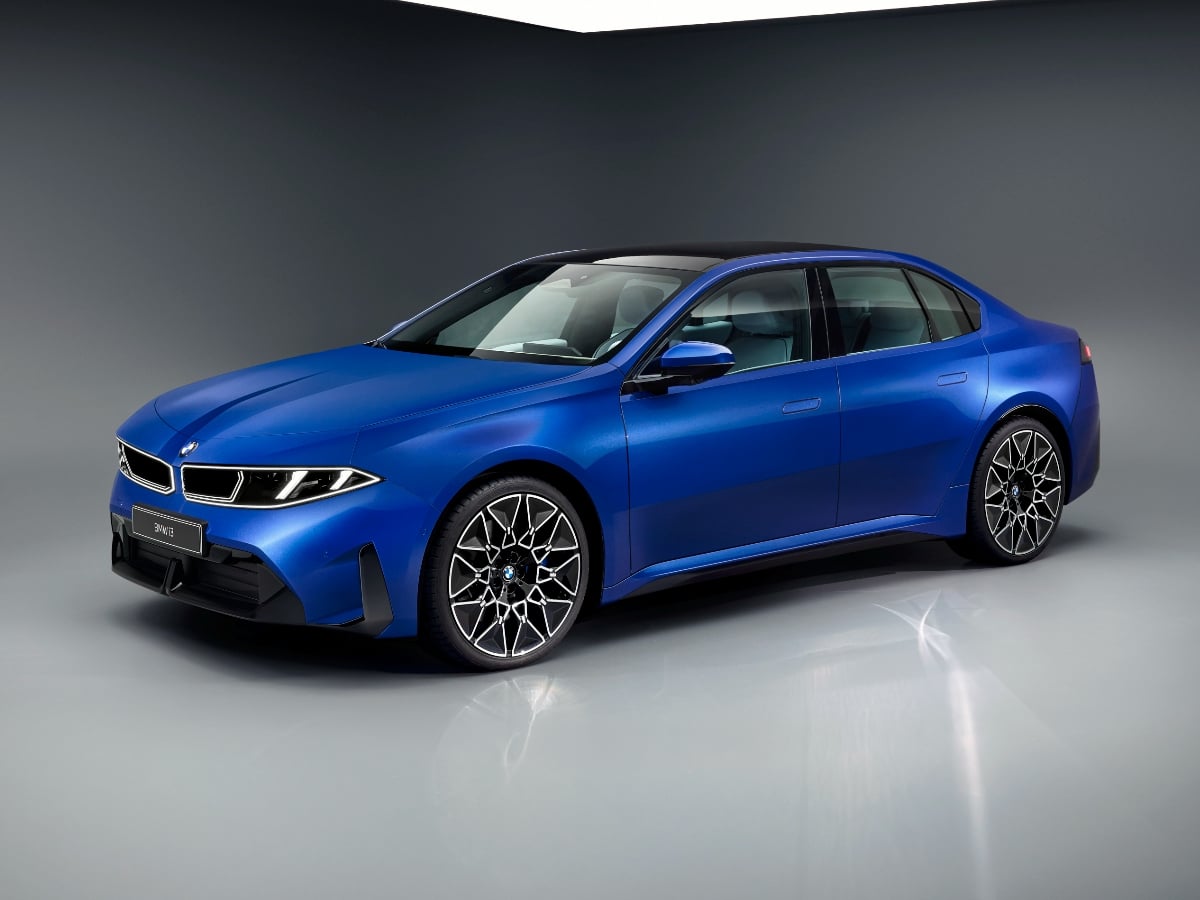
The new 2027 BMW i3 boasts an estimated range of up to 440 miles, 400-kilowatt DC fast charging capability, bidirectional charging to a home or the grid, and next-generation technology.
Read the Full Article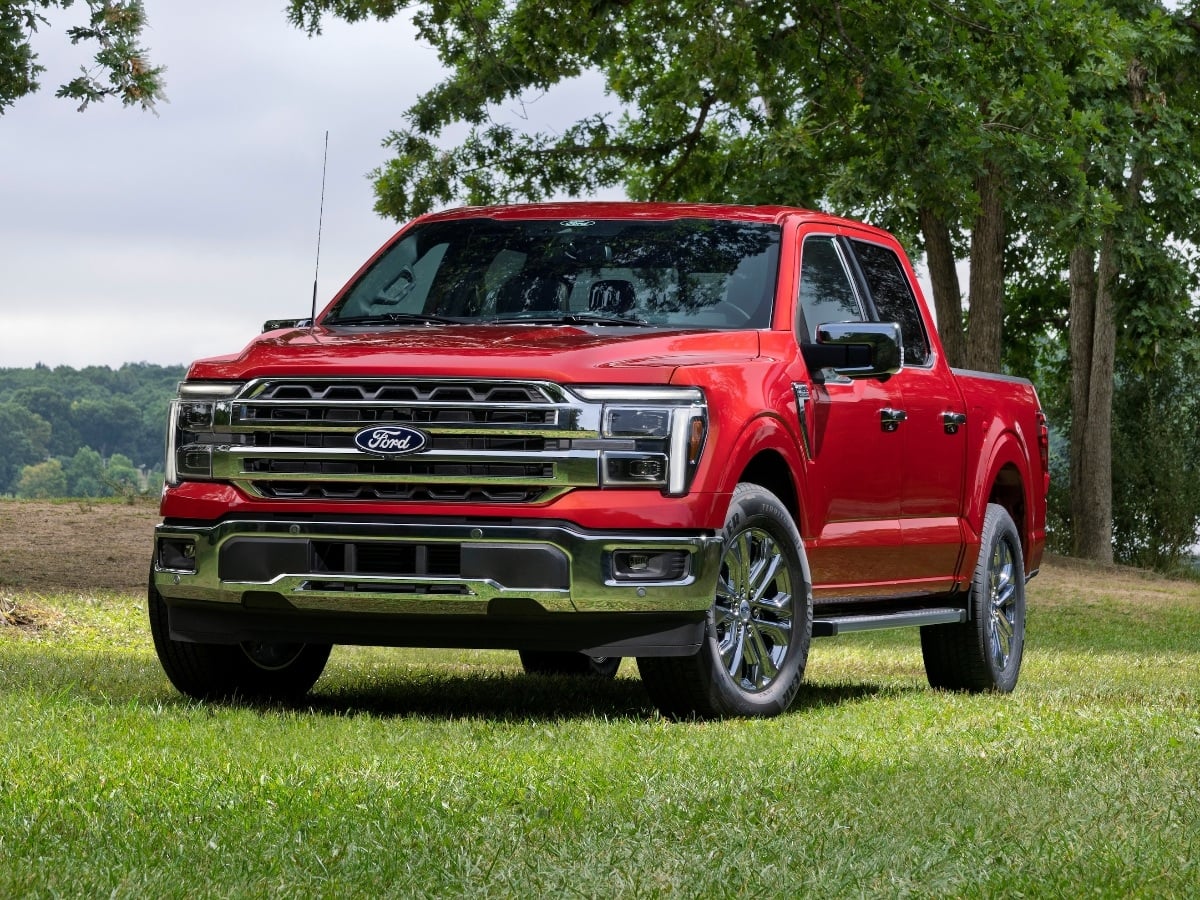
Facing renewed competition in the full-size, light duty pickup truck segment, the 2027 Ford F-150 receives subtle styling updates, a new standard engine, broader availability of its 5.0-liter V8, and ...See More
Read the Full Article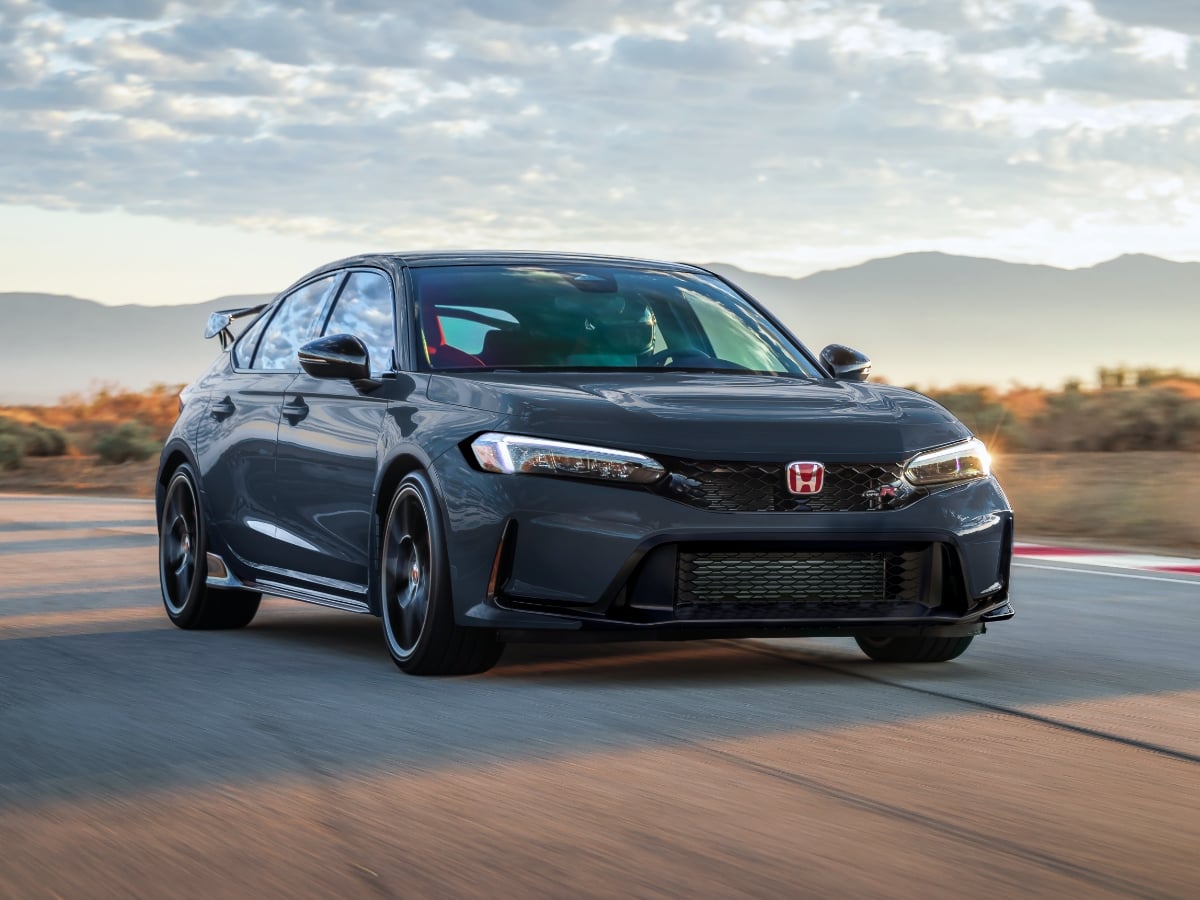
The 2027 Civic Type R goes on sale in October 2026, and it starts at $49,990, including the $1,295 destination charge.
Read the Full Article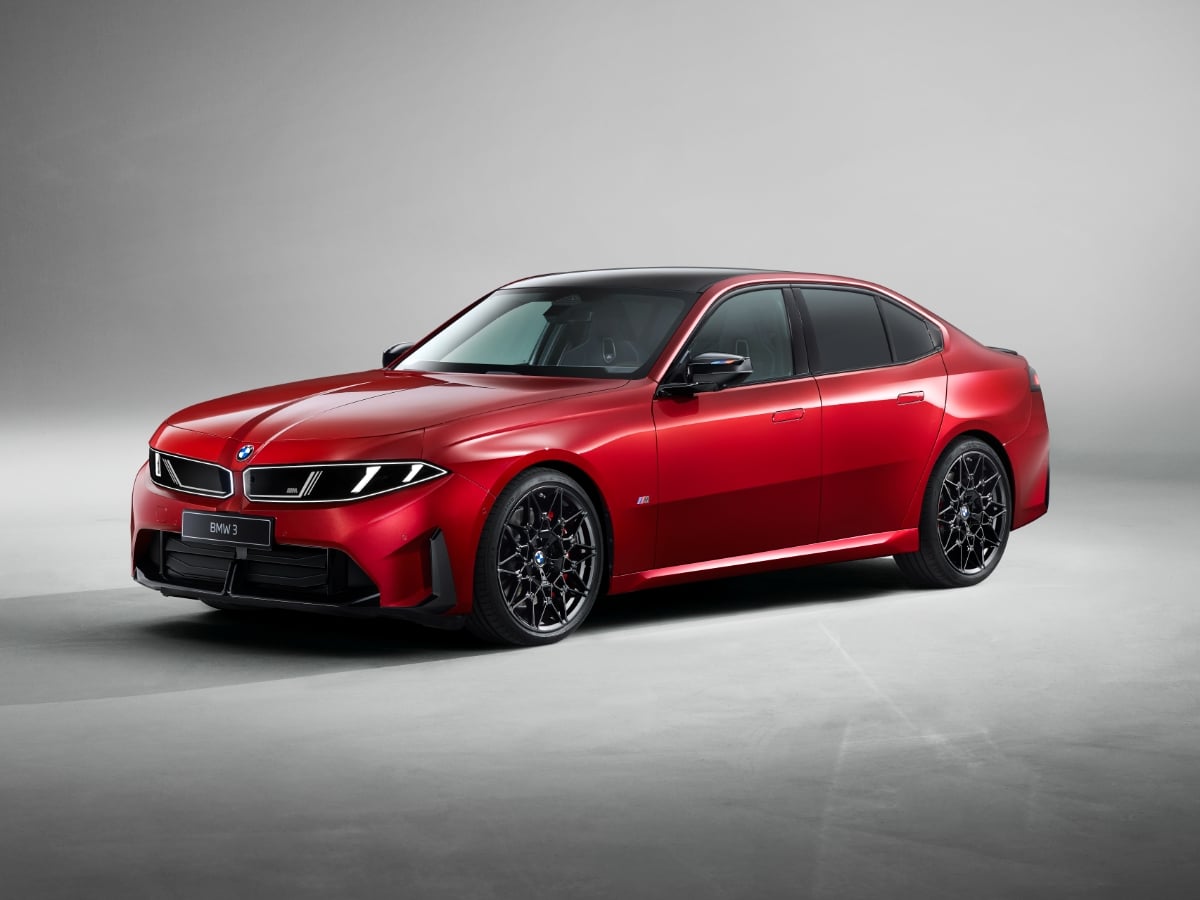
Part of BMW’s Neue Klasse (new class) rollout of redesigned models, the 2027 BMW 3 Series is all-new and goes on sale in the first quarter of 2027.
Read the Full Article