
Going off-road generally means adventure, excitement, and taking on challenges in the wilderness. One such challenge is driving down steep slopes over rough or uneven terrain. To assist drivers in these situations, many automakers offer hill descent control (HDC), a system that allows vehicles to make their way from the top of a hill to the bottom in a safe and controlled manner.

Hill descent control is sometimes described as a slow-speed cruise control system for downhill travel. Its primary purpose is to minimize tire slips and keep a vehicle from losing traction as it descends a slope.
Hill descent control allows a slow and controlled descent over uneven terrain without brake input from the driver. To accomplish this, the system employs anti-lock braking and traction control systems as a vehicle makes its way downhill. Some systems also utilize engine braking to help control speed, especially when it needs to be at a walking pace over steep and unstable surfaces. Low-range gearing is also recommended in these situations.
As gravity pulls a vehicle down a slope, HDC applies measures to keep it at a safe speed. With some HDC systems, cruise control settings allow the driver to set a desired downhill speed. Hill descent control generally operates between two and 20 miles per hour.
For most trucks and SUVs that offer HDC, drivers can activate the system by pressing and holding a button on the dashboard or center console. The icon for HDC is unmistakable: a vehicle on a downward-sloping line.
Once you activate HDC, the system can complete a controlled descent. First, come to a complete stop at the top of the decline. Then, slowly let your foot off the brake and begin your roll down the hill. Stay off the accelerator and the brakes and allow the system to manage a controlled descent.
Applying the brakes at any time will override the system and give the driver complete control. Once you reach the bottom of the hill, remember to turn HDC off. The system is not intended for flat surfaces or paved roads.
Although HDC increases capability, always be aware of the system's limits. Some HDC systems may not be ideal for very loose dirt, mud, snow, or ice. Be sure to evaluate the terrain of a hill before descending a slope of any degree.
Hill descent control offers several advantages to the off-road driving experience:
Steep off-road hills can be difficult and stressful to traverse. Hill descent control makes these situations safer and easier to overcome, enhancing capability and confidence.
To learn more about various automotive technologies, visit the Shopping Guides section of the website.
Jessica Shea Choksey is an experienced writer in the automotive field. In addition to JDPower.com, she was a correspondent for PBS's MotorWeek, and her work has appeared on AutoTrader.


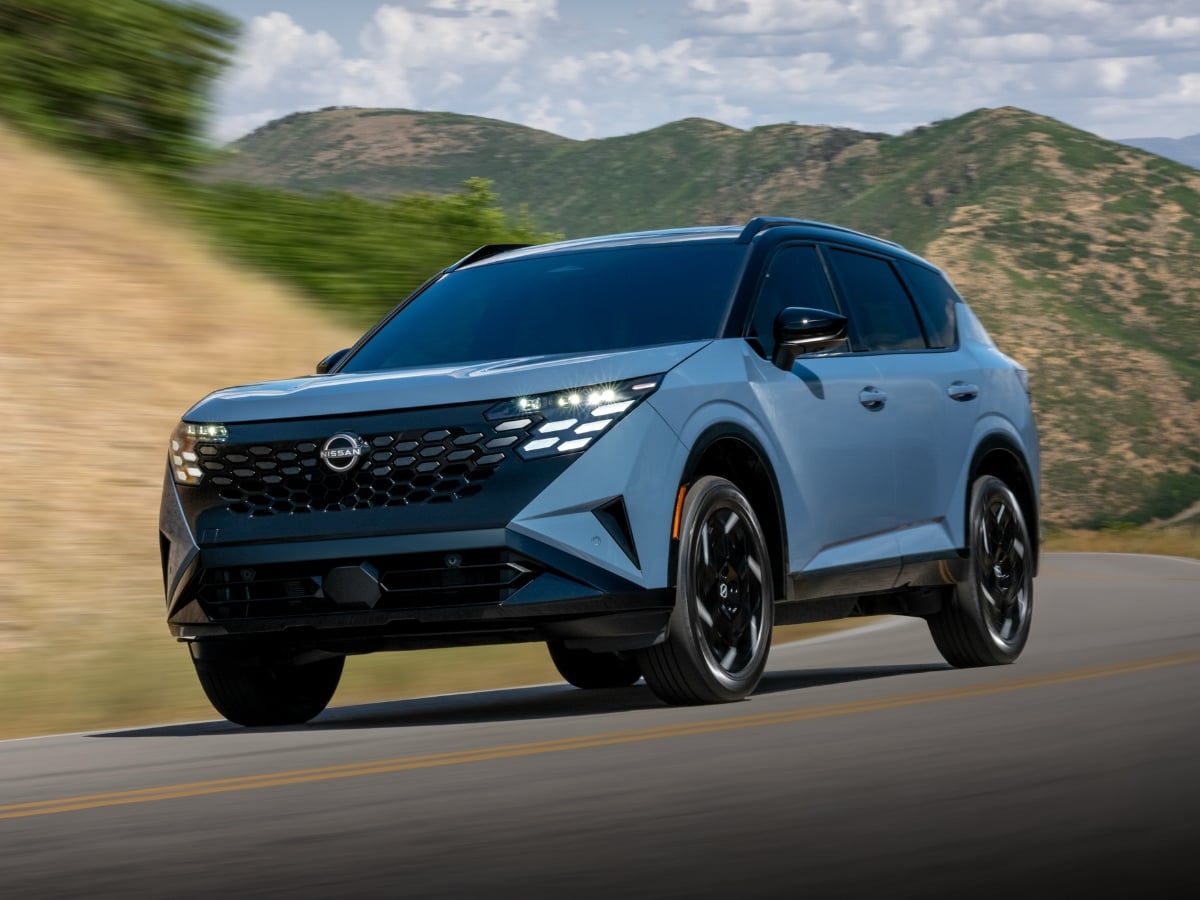
Nissan is about to introduce an innovative new SUV. The 2027 Nissan Rogue Hybrid has a gasoline engine, but it does not power the wheels. Instead, electric motors at each axle provide propulsion, ...See More
Read the Full Article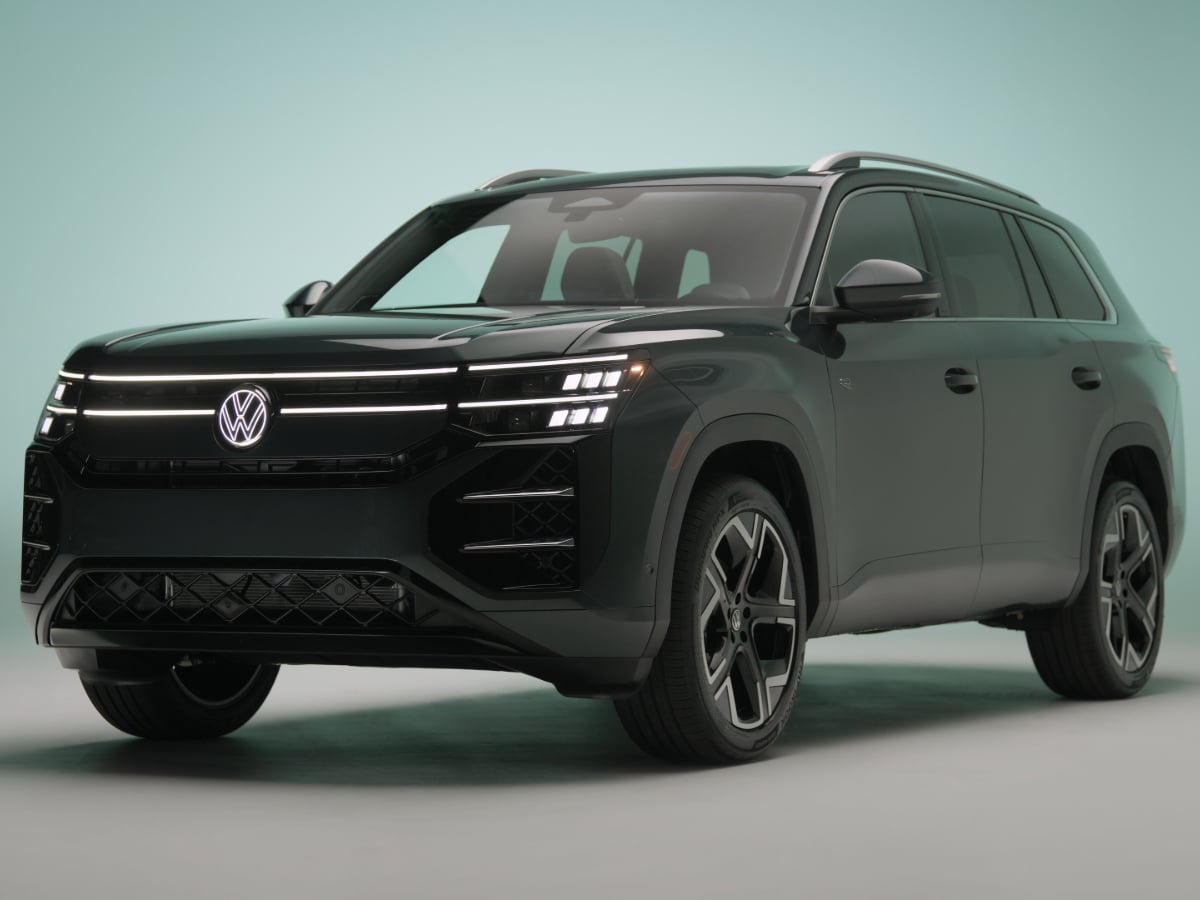
Adding European flair to the otherwise vanilla midsize three-row family SUV market, the redesigned 2027 Volkswagen Atlas debuts with a sharper exterior, an upgraded cabin, more power, and new ...See More
Read the Full Article
Though the styling stays largely the same, a massive boost in electric range for the plug-in hybrid (PHEV), plus a refined design, helps the 2028 Volvo XC60 stay current and desirable.
Read the Full Article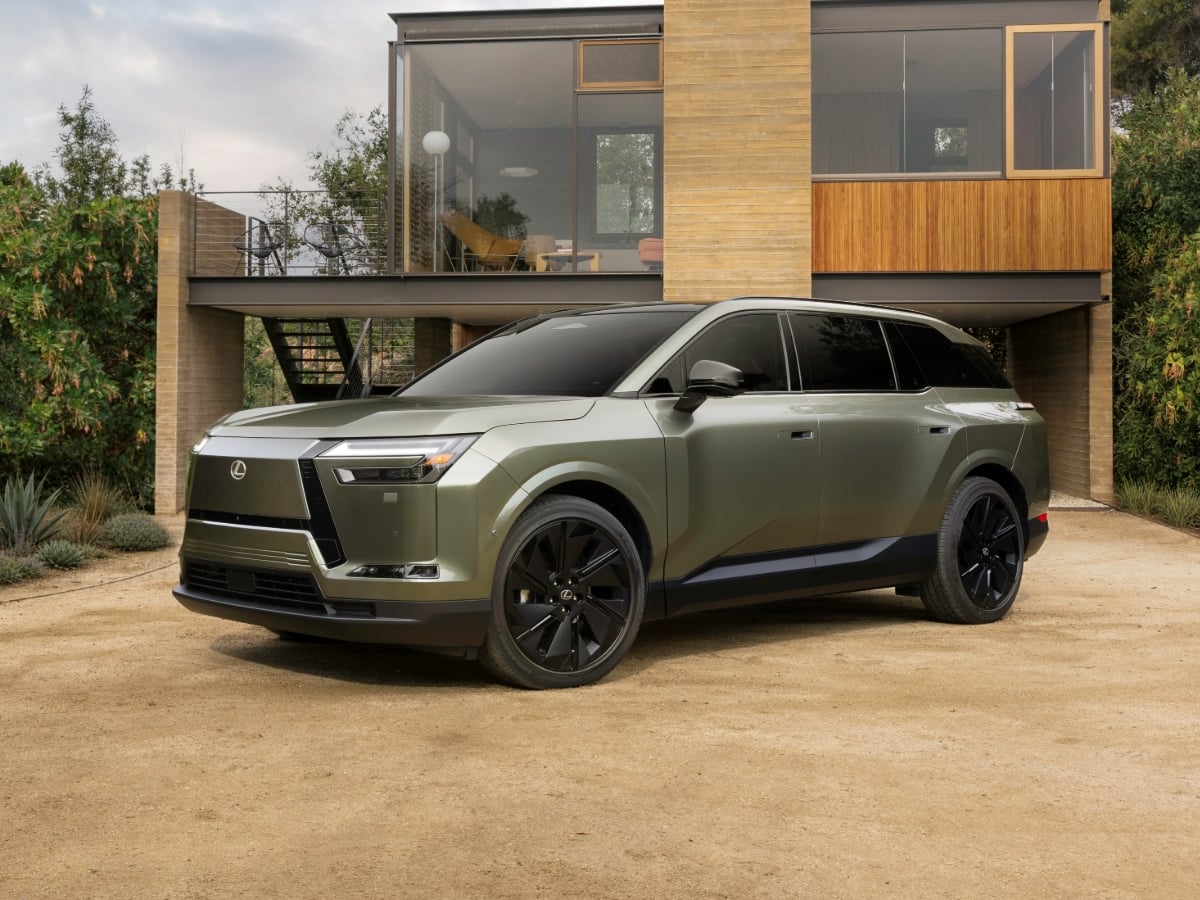
With the 2027 Lexus TZ, Toyota Motor’s luxury division introduces its first three-row all-electric SUV, featuring a lounge-inspired interior, an enhanced all-wheel drive (AWD) system, and up to 300 ...See More
Read the Full Article