92 - 114
77 - 95
220 - 615
1 speed
Electric
All Wheel Drive, Front Wheel Drive, Rear Wheel Drive
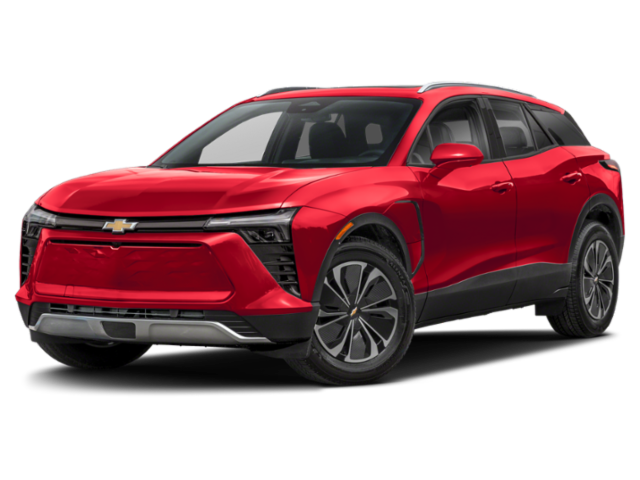
With fully electric offerings like the Silverado EV, Equinox EV, and Blazer EV, Chevrolet's portfolio of battery-powered machines looks quite comprehensive. And with sales up, the brand's electric vehicle (EV) efforts are starting to pay off. Now, Chevrolet adds a boatload of horsepower to its Blazer EV, creating what the automaker claims is the quickest SS model ever. That, plus a raft of standard features and a few other upgrades, creates a desirable performance SUV.
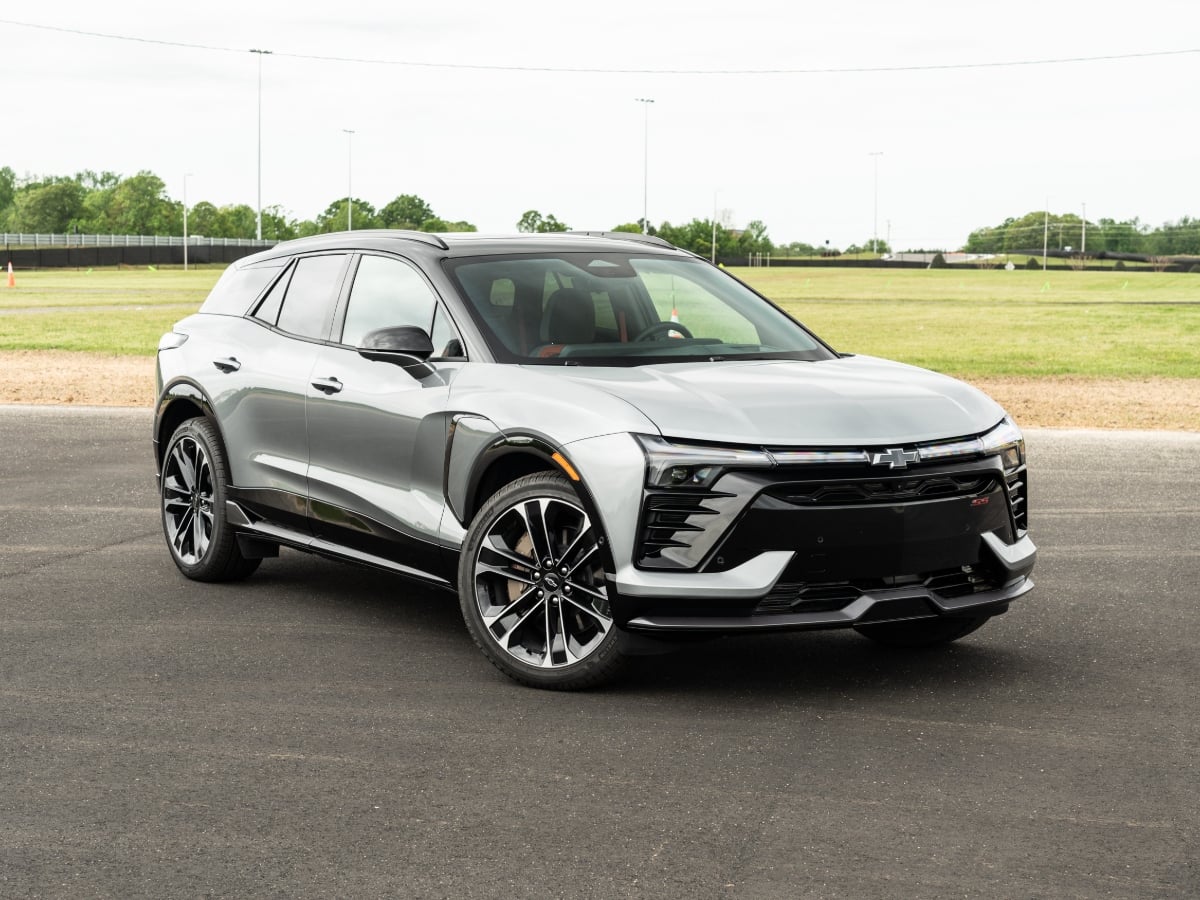
Photo: Tim Stevens
For 2025, the Blazer EV SS offers the following major changes over previous editions of the Blazer EV:
Like other Blazer EVs, the SS is exclusively available in a two-row, five-passenger configuration. The SS joins the LT ($44,600) and the RS ($49,900). The SS starts at $60,600, not including the $1,495 destination charge, and is eligible for the $7,500 federal tax credit.
For this review of the 2025 Blazer EV, Chevrolet provided a test vehicle equipped with SS trim and the following options:
For the track portion of the testing, I also sampled a Blazer EV SS with the $395 Performance package, which includes summer tires and a more performance-oriented compound for both brake rotors and pads.
The test vehicle's manufacturer's suggested retail price (MSRP) was $63,885, including the $1,495 destination charge to ship the SUV to your local dealership from the Ramos Arizpe, Mexico, assembly plant.
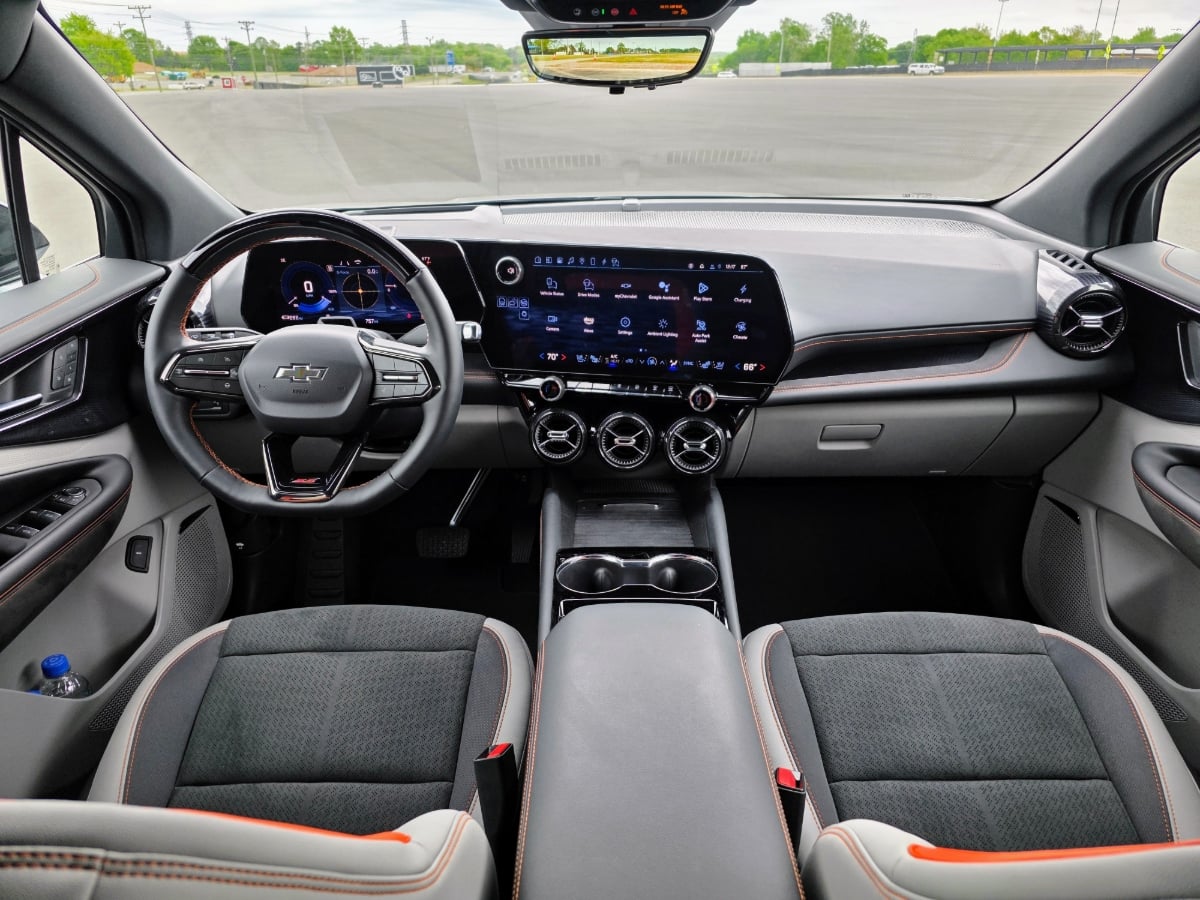
Photo: Tim Stevens
When running down what's different about the new Blazer EV SS, the clear highlight is the power. How much? Thanks to a dual-motor configuration, the Blazer EV SS can put a maximum of 615 hp and 650 pound-feet of torque down through all four wheels. According to Chevrolet, that's enough power to get the new Blazer EV SS to 60 mph from a standstill in just 3.4 seconds, making this the quickest SS machine in the brand’s history. Chevy says it'll also do the quarter-mile in 11.8 seconds at 115 mph.
But, it's worth noting that you only get that kind of performance—access to the SS's full power—when Wide Open Watts, or WOW, mode is enabled. Without that, it's a more modest (but still impressive) 515 hp and 450 pound-feet of torque.
Much of that power comes from a permanent-magnet rear motor that provides 391 pound-feet of torque on its own. The rest comes from the front motor, which also has a permanent magnet design. The SUV can also do torque vectoring by applying the brakes on either side to help it rotate when driven hard.
A 102-kWh battery pack situated under the floor powers the Blazer EV SS. It charges at a maximum rate of 190 kilowatts (kW). According to Chevrolet, that's enough for the SUV to add 78 miles of range in 10 minutes. Chevy says the Blazer EV SS's maximum range is 303 miles.
In my testing, I managed an efficiency of 35 kWh per 100 miles on a mostly rural road route with a few stretches of highway. That's about 10 percent better than the official Environmental Protection Agency (EPA) efficiency rating, despite a fair bit of time spent with WOW mode enabled to test acceleration and overall performance. Those driving more conservatively will surely do even better.
The system is also compatible with GM's Vehicle-to-Home (V2H) Enablement kit, which enables bidirectional charging, meaning the Blazer EV SS could power your house during an outage.

Photo: Tim Stevens
While the SUV's upgraded power is the headliner, Chevrolet re-engineered the SS's suspension to cope with the extra speed. The changes are minor but still noteworthy.
There's the expected increase in spring rates and anti-roll bar thickness, while switching to monotube dampers helps the SUV better handle bumps. A revised steering rack with a quicker ratio helps to bolster driving feel, and 22-inch wheels are standard. They're wrapped in 275/40 Michelin Primacy all-season tires by default. Choose the optional Performance Pack and you step up to Continental Premium Contact 6 summer tires. The Blazer EV SS also has six-piston brake calipers up front, but the rear calipers are unchanged.
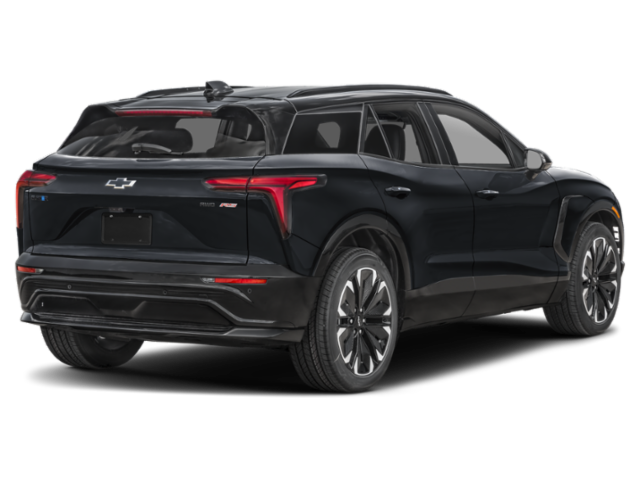
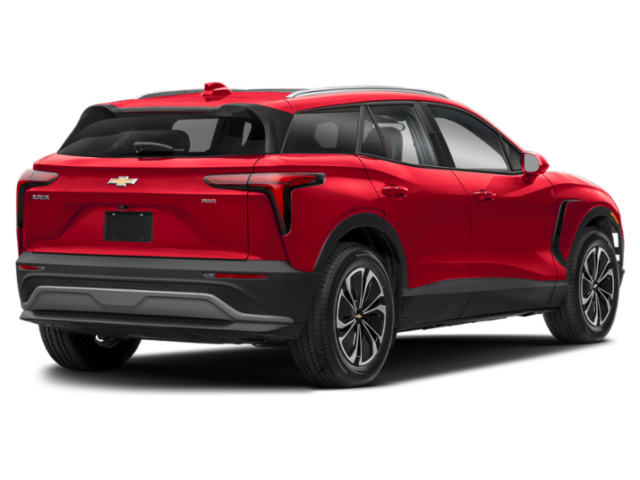
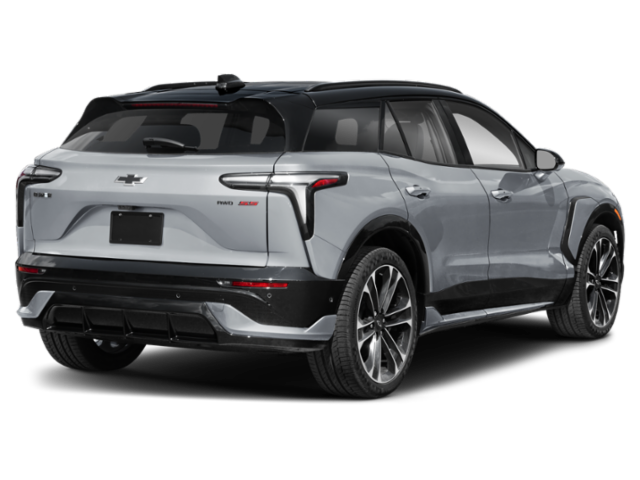
Beyond that, the rest of the Blazer EV SS is much the same as the mainstream versions, except for a crimson SS badge on the nose and tail, plus embossed logos on the headrests.
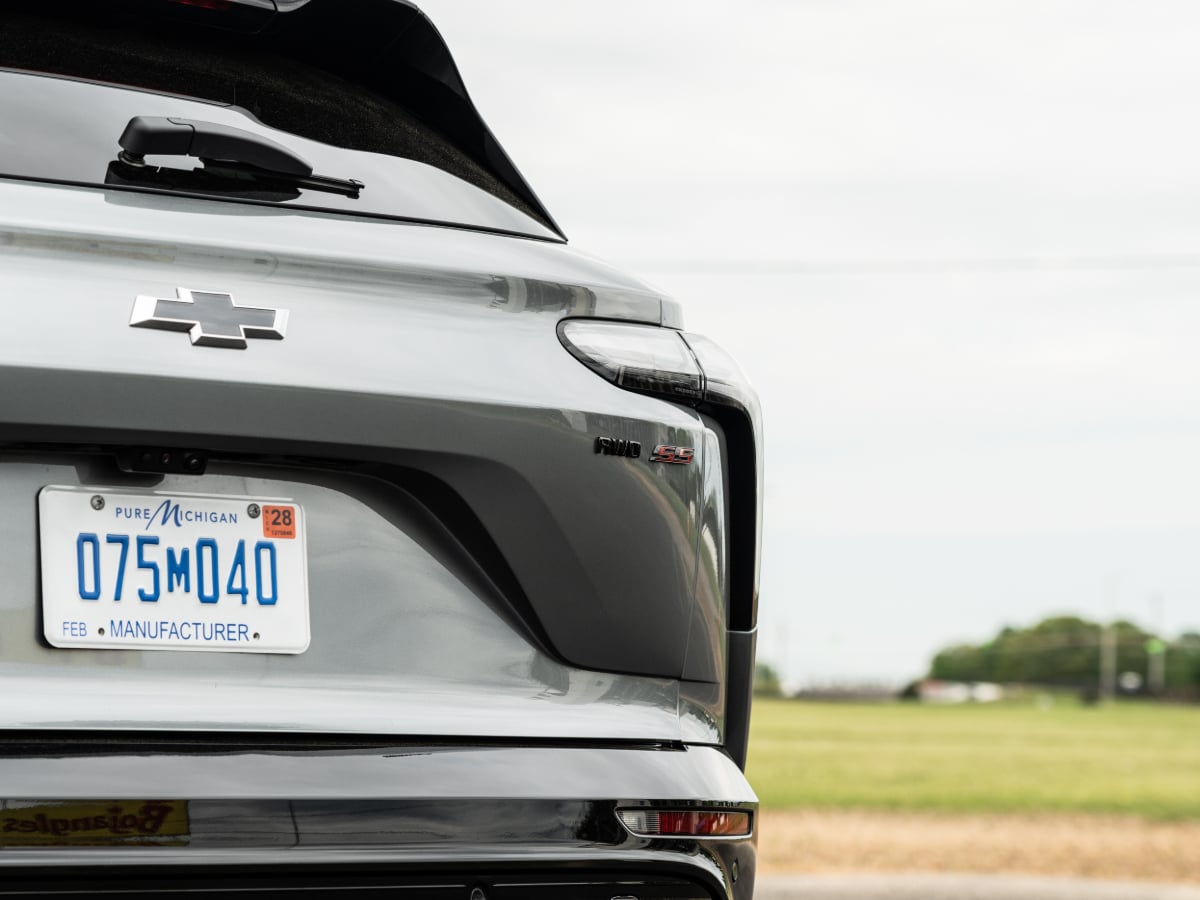
Photo: Tim Stevens
One of the best parts of the Blazer EV SS is that getting in and going feels like driving any other Blazer EV. There's nothing especially ostentatious about the SUV, and there is no additional drama in pulling away.
It's still just a good-looking, clean-driving electric SUV, and the changes here haven't muddled with that formula. Yes, the suspension is stiffer, and there's more responsiveness through the steering. But, most importantly, it isn't more punishing. The Blazer EV SS exhibits good ride quality over bumps, uneven surfaces, and separation joints on the highway, absorbing the worst imperfections without becoming unsettled or jarring in the cockpit.
I was pleasantly surprised. I'd expected those bigger wheels and tires to make things significantly worse from inside the cabin, especially on less-than-perfect roads. But there's no trade-off here on the SS. The summer tires on a Blazer EV SS with the Performance Pack did exhibit some noticeable extra road noise on concrete, but otherwise, the SUV was quiet at all speeds.
Quiet, but quick. Even without WOW mode, the Blazer EV SS scoots forward at any speed, but it isn't jerky. Throttle response is progressive in Normal mode, making the SUV easy to drive.
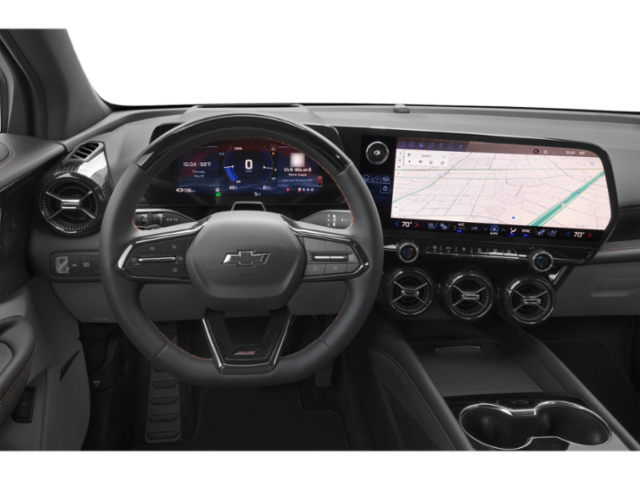
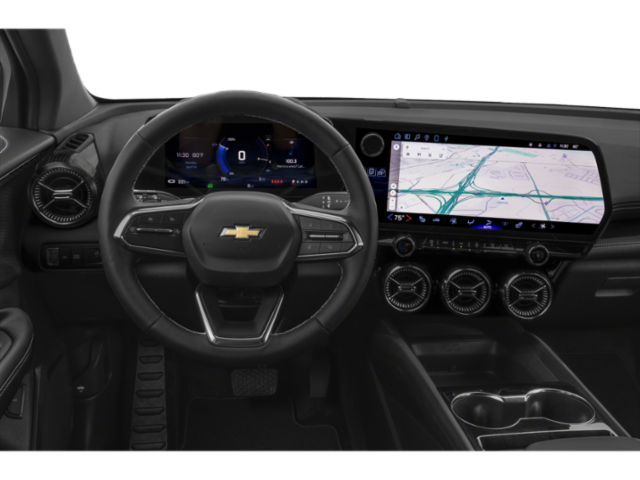
It's also easy to turn one-pedal driving mode on or off, thanks to a dedicated button on the far left of the 17.7-inch touchscreen. There are two levels of regeneration, or you can get an extra boost by holding the left paddle mounted on the back of the steering wheel. One-pedal fans will be happy to note that even the lower level of regen will bring the SUV to a complete stop.
Enabling WOW mode takes just a touchscreen tap, a dedicated control accompanied by a little acoustic fanfare that sounds like an electric jet taking off. It's fun the first time, but this dramatic whoosh grew tiresome after just the third or fourth application. When enabled, a little graphic with lightning bolts appears on the digital gauge cluster to remind you of the extra power at your disposal.
You can activate WOW even in Normal mode. But if you want the maximum responsiveness from your SS, you'll want Z-Mode. Here, you can also enable the Competitive Mode and customize things like steering feel and even brake pedal feel. The steering gets firmer, but I couldn't tell much difference in the braking changes.
The extra throttle response, however, was certainly easy to detect. With WOW mode enabled, the Blazer EV SS's acceleration goes from eager to extreme, especially when using the included launch control feature. Hold your left foot hard on the brake pedal, put your right foot flat on the accelerator, and then release the brake.
The Blazer EV SS shoots forward with surprisingly little fanfare. There's no squealing of tires or wiggling of tails here. In fact, for the first few tenths of a second, it all seems underwhelming. Then the power kicks in, and you realize this is a serious performer, despite its familiar appearance from the outside.
According to Chevrolet, the Blazer EV SS is officially rated for 3.4 seconds from zero-to-60 mph, but I managed 3.1 seconds on my first attempt in an SS equipped with the Performance Pack's summer tires. So, it's excellent in a straight line, but on a racetrack, the Blazer EV SS shows its limits early and often. The SUV turns cleanly and eagerly into corners and has plenty of grip. But, when it runs out of grip, it does so at the front.
I drove a few laps around the tight and winding road course at the Ten Tenths Motor Club outside of Charlotte, North Carolina, and the two front tires spent much of that time screaming for mercy. Exciting? No, but it was safe, and for an SUV like this, I must begrudgingly admit that safety is more important.
On the road, the Blazer EV SS is fun and engaging. There's still a good amount of body roll here, and it doesn't exactly hide its 5,730-pound weight, but it’s fun to swing through the twistier lanes and then zip out of them with only the tiniest throttle application.
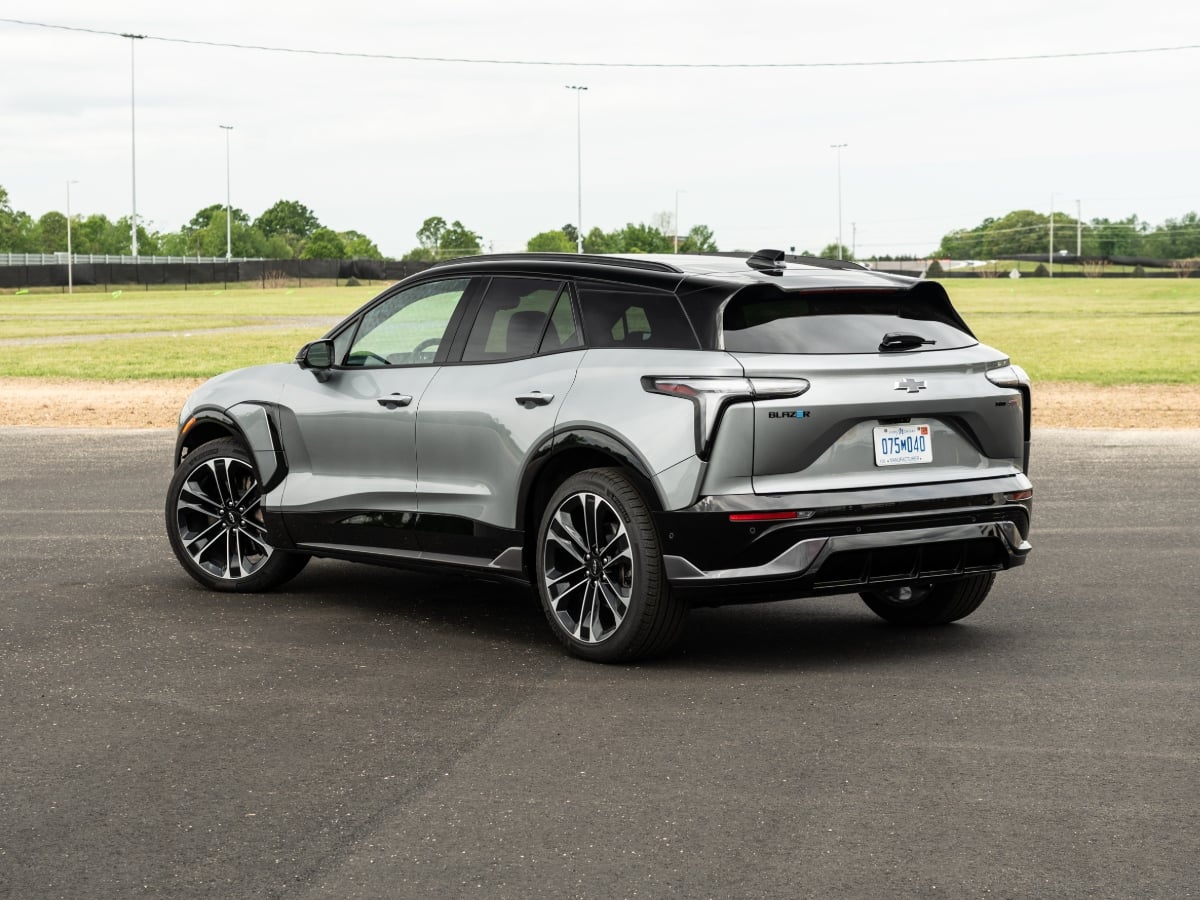
Photo: Tim Stevens
The Blazer EV has proven to be a competent EV option in the burgeoning electric SUV space. Still, it was hardly an electrifying machine to drive. That changes with the SS, which adds tremendous performance without compromising any of the Blazer EV's other attributes.
The Blazer EV SS looks great, drives well, and has enough power to satisfy even the most acceleration-mad drivers. It's a far more sedate and slightly more affordable alternative to something like Hyundai's mad Ioniq 5 N. It is well worth including on the list for anyone considering a Tesla Model Y Performance or Ford Mustang Mach-E GT.
Tim Stevens is a veteran automotive and technology journalist with over 25 years of experience covering everything from smartphones to supercars. In addition to JDPower.com, his expert perspectives have appeared in numerous national and international outlets, including print, online, and broadcast television.