
Ford took a calculated risk in calling its new electric crossover SUV a Mustang. However, since the Mustang Mach-E debuted in 2021, the automaker has built more than 150,000 examples for distribution worldwide. So, it appears some people willingly accept the Mach-E as a member of the Mustang family.
Initially, Ford rolled the 2021 Mustang Mach-E out in Select, California Route 1, and Premium trim levels. At that time, we reviewed a Mach-E Premium with dual-motor all-wheel drive (eAWD). However, shortly after that, Ford expanded the lineup to include new GT and GT Performance variants. For this review, we’re taking a closer look at a 2023 Ford Mustang Mach-E GT and discussing the changes to the electric vehicle (EV) since our last review.
In addition to adding GT and GT Performance versions, Ford has made the following changes to the Mustang Mach-E since 2021:
For this 2023 Ford Mustang Mach-E review, we will focus on the GT trim, the updated BlueCruise 1.2 advanced driver assistance system (ADAS), and the other modifications for the 2023 model year.
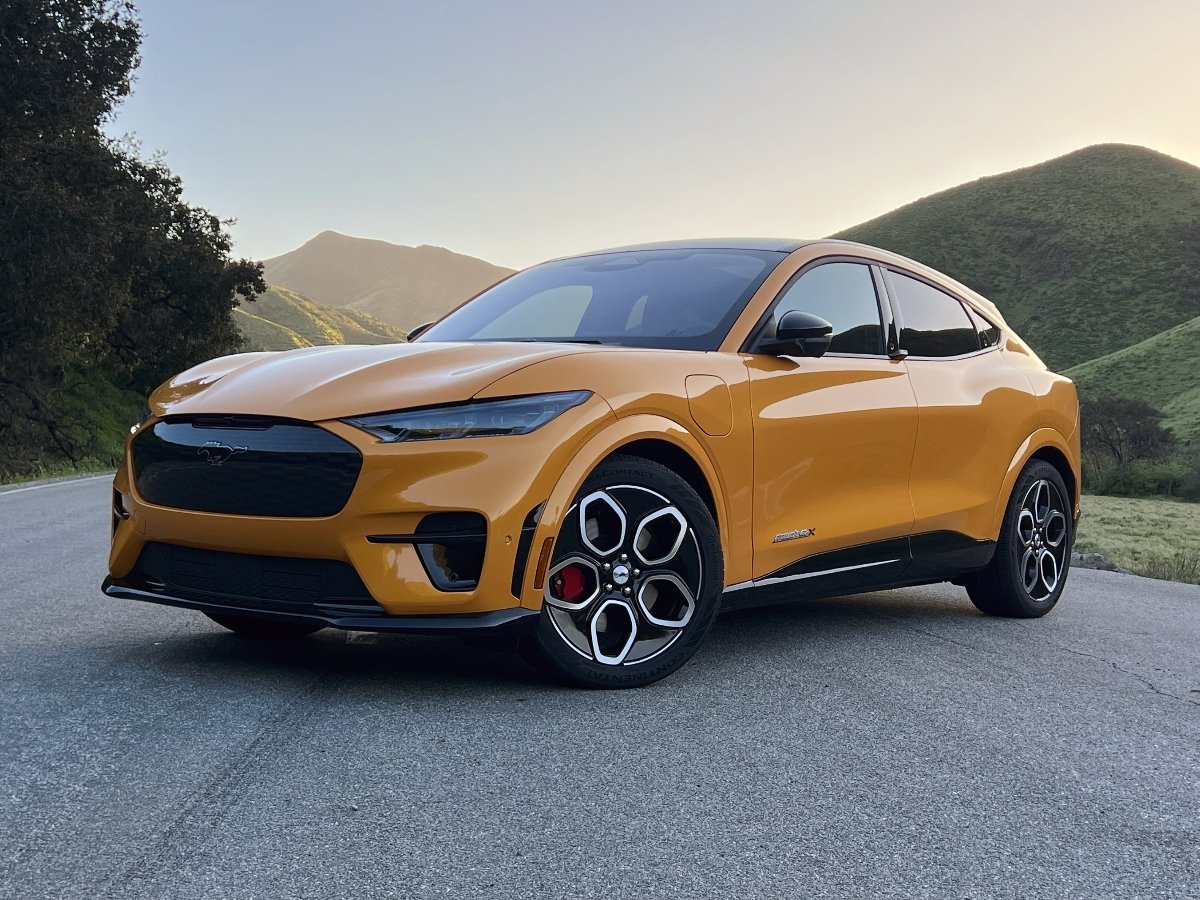
Photo: Christian Wardlaw
The Ford Mustang Mach-E competes in the Compact SUV market segment. According to data collected from verified new-vehicle buyers for the JD Power 2022 Automotive Performance, Execution and Layout (APEAL) Study, 51 percent of new Compact SUV buyers are male (vs. 62 percent for the industry), and the median age of a new Compact SUV buyer is 57 years (vs. 54).
As part of the APEAL Study, owners rated Compact SUVs in 10 primary categories. Listed below in descending order, you’ll find their preferences, from their most favorite thing about the vehicle to their least favorite:
In the following sections, our independent expert analyzes a Mach-E GT equipped with extra-cost Cyber Orange paint. The test vehicle’s price was $66,590, including the $1,800 destination charge. In addition, the Mach-E is eligible for the $7,500 federal income tax credit plus any state or local incentives, such as California’s $2,000 rebate on this model.

Photo: Christian Wardlaw
Ford bases the Mustang Mach-E GT on the Premium trim equipped with dual-motor eAWD and an extended-range (ER) battery pack. The GT gets a more robust secondary electric motor, producing 480 horsepower and 600 pound-feet of torque—increases of 134 hp and 206 pound-feet over the standard ER eAWD setup. In addition, the electric drive system is compatible with 150-kW DC fast chargers, according to Ford.
Ford also says the GT accelerates to 60 mph in 3.8 seconds, shaving a second off the ER eAWD model’s time. Official Environmental Protection Agency (EPA) estimates for the GT are 270 miles of driving range at 40 kWh of battery use per 100 miles of driving (2.5 mi/kWh). Compare that to the ER eAWD, which offers up to 312 miles of range at 34 kWh/100 miles in California Route 1 specification.
In addition to more power, the GT gets appearance changes. The dark “grille” panel was a hit with my father—a long-time Mustang fan who doesn’t like the Mach-E because it is, in his words, “grille-less.”
In addition, the GT sits on unique 20-inch wheels with Continental Cross Contact 245/45 all-season tires, features red-painted brake calipers, and has body-color wheel arch moldings. Inside, it includes sport-bolstered seats wrapped in ActiveX artificial leather with Miko simulated suede inserts. Copper accents, including the stitching, seat piping, and stereo speaker emblems, help the GT to stand apart from other Mach-E variants.
You can upgrade to the GT Performance Edition. This version has unique wheel designs, summer performance tires, larger front brake discs, and an adaptive damping suspension. In addition, it makes a little bit more torque (634 pound-feet), and Ford calibrates the drive system to accelerate to 60 mph in a claimed 3.5 seconds.
In a nutshell, driving the Mustang Mach-E GT is fun. However, because my test vehicle did not have the GT Performance Edition upgrades, the car is more about cosmetics and bragging rights than anything else.
For example, the GT is downright fast and feels more responsive to accelerator pedal inputs than other Mach-E models with the ER eAWD electric drive system. However, you sense incremental instead of substantial gains from behind the steering wheel, especially when driving the EV in the real world. Therefore, I think choosing the GT for its added performance is less satisfying than doing so for its appearance.
Furthermore, the standard-issue GT still exhibits the firm, choppy ride you’ll feel in other versions of the Mach-E. On city streets, the suspension tuning constantly reminds you how flabby and out of shape you are, jiggling all body parts that haven’t seen a gym in at least a decade. The Mach-E is almost punishing on lumpy mountain roads as it eliminates most (but not all) of the bouncing and weight transfer common to EVs.
I haven’t driven a Mach-E GT Performance Edition, so I cannot comment on whether that model’s adaptive damping suspension resolves these undesirable ride and handling traits. Still, my best guess is that it certainly must help.
Nevertheless, the Mach-E GT is a real thrill ride. The instantaneous response and rapid acceleration never get old. While the steering isn’t particularly rewarding, the SUV’s flat, stable cornering attitude and decent all-season rubber allow you to hustle a Mach-E on writhing stretches of road. And if you upgrade to the GT Performance Edition, the larger front brakes and stickier summer performance tires undoubtedly improve how it drives when you’re taking the long way home.
The GT offers Whisper, Engage, and Unbridled modes, the latter adding a louder soundtrack to the drive combined with quicker acceleration and steering response. I tested the car using the Engage mode, which Ford says provides a “balanced drive” and “everyday fun.” Because the challenge appeals to the driving enthusiast in me, I also used the 1-Pedal Drive function for part of my time with the Mach-E. Predict accurately, and you can bring the EV to a complete stop simply by releasing the accelerator pedal.
I modified my usual testing route for the evaluation to better experience the Mach-E’s updated BlueCruise 1.2 hands-free driving technology (discussed below) in various situations. The test drive began with a 71-percent battery charge and 178 miles of estimated range. I monitored my energy use through Ford’s detailed trip analysis panel on the center touchscreen display.
I joined a Monday morning commute from my Los Angeles suburb into West L.A., taking the 101 and 405 freeways to Wilshire Boulevard, cutting over to Pacific Coast Highway, winding my way over the Santa Monica Mountains, and then back to the 101 freeway and home.
For 76.6 miles and more than two hours of driving, the Mach-E GT averaged 2.7 mi/kWh, proving slightly more efficient than the EPA rating. (Remember, that was without using the 1-Pedal Drive function.) However, the remaining range indicator dropped from 178 miles to 88 miles, a 90-mile difference.

Photo: Christian Wardlaw
Ford invited me to drive the 2023 Mustang Mach-E primarily to test its upgraded BlueCruise 1.2 hands-free driving technology. BlueCruise combines an adaptive cruise control system with lane-centering assistance and allows hands-free driving on more than 130,000 miles of limited-access highways across the United States and Canada.
For 2023, BlueCruise 1.2 adds a lane-change function, the ability to reposition the SUV within its lane to add breathing room between the Mach-E and other vehicles, and a predictive speed assist function to reduce vehicle speed before curves. In addition, it is now standard across the Mustang Mach-E lineup. However, Select trim comes with a complimentary 90-day subscription to the service. If you want to continue using it, you must pay for it.
I used BlueCruise to drive a typical Monday morning commute in L.A. Speeds ranged from zero to 80 mph in light to heavy traffic. The technology performed well, but I learned a few things.
First, driving into direct sunlight disables BlueCruise. As I rounded a curve just before the Topanga Canyon Road exit, the Mach-E BlueCruised directly into the rising sun. Urgent audible and visual alerts told me to take control immediately.
Second, a head-up display would help by placing system status and alerts within the driver’s view. For example, as you’re slogging along in moderate traffic, BlueCruise 1.2 will tell you when an automated lane change is possible so that you can pass slower vehicles and resume your pre-set speed. But the notification is momentary, appearing in the thin strip of a digital instrumentation display without an audible alert.
Third, it is frequently unclear why BlueCruise is no longer working or why it says the system is “Ready” but is not engaging. For instance, while driving in pre-dawn light over the hills near Calabasas, BlueCruise determined it would be better for me to take control. However, this request wasn’t as urgent as the warning I got later when direct sun blinded the tech. Was it the curves of the freeway as it winds through these hills that caused a problem? I don’t know.
BlueCruise 1.2 is impressive, and the new lane-change function is just as sophisticated as anything on the latest Mercedes-Benz. In addition, the Mach-E successfully navigated two construction zones where lanes narrowed and shifted, and pavement scars could have easily tricked other ADAS technology. Also, where it was safe and possible, BlueCruise 1.2 did appear to give 18-wheelers a wider berth, though, on the narrow lanes of L.A. freeways, this was likely a challenge for the tech.
Still, I must admit that I preferred driving the Mustang Mach-E without using BlueCruise. Though the ADAS is easy to trust, it also requires babysitting. That doesn’t align with my personality; I’d rather perform a task than observe the worker and make corrections. So, except for this evaluation drive, I didn’t use the system.
There are a handful of other changes to the 2023 Mustang Mach-E. For example, the California Route 1 version comes only with the ER eAWD powertrain, giving it a range of 312 miles. Meanwhile, the Premium ER eAWD version now provides up to 290 miles of range—a 13-mile improvement over the 2022 model.
Ford also added a new Nite Pony package for the Premium ER and GT Performance Edition trims. As you might expect, the Mustang Mach-E Nite Pony treatment includes black wheels and blacked-out trim. But, to the company’s credit, it refrains from referring to the look as “sinister.”
Lastly, the GT and GT Performance Edition have a standard panoramic glass roof instead of a black-painted roof. New paint colors also arrive for 2023, including Carbonized Gray and Vapor Blue.

Photo: Christian Wardlaw
Spending quality time with the 2023 Ford Mustang Mach-E GT served to cement my favorable impressions of this electric SUV. It exudes engineering excellence, reflects quality construction and materials, and demonstrates the same technological advancement as vehicles that can cost significantly more money. It is competitive with rivals of similar size sold for similar prices, whether they wear a luxury brand nameplate or not.
As for BlueCruise 1.2, it is impressive hands-free driving technology in need of a better user experience. For example, in addition to a head-up display, it would help to understand why the system shows it is “Ready” but doesn’t engage or why it wants to turn control over to the driver when conditions suggest it should continue operating. Understandably, driving into the direct morning sunlight might cause BlueCruise blindness. But in other situations, the reason the tech wasn’t working wasn’t apparent.
Christian Wardlaw is a veteran digital automotive journalist with over 25 years of experience in test-driving vehicles. In addition to JDPower.com, his work has appeared in numerous new- and used-car buying guides, newspapers, and automotive industry trade journals.


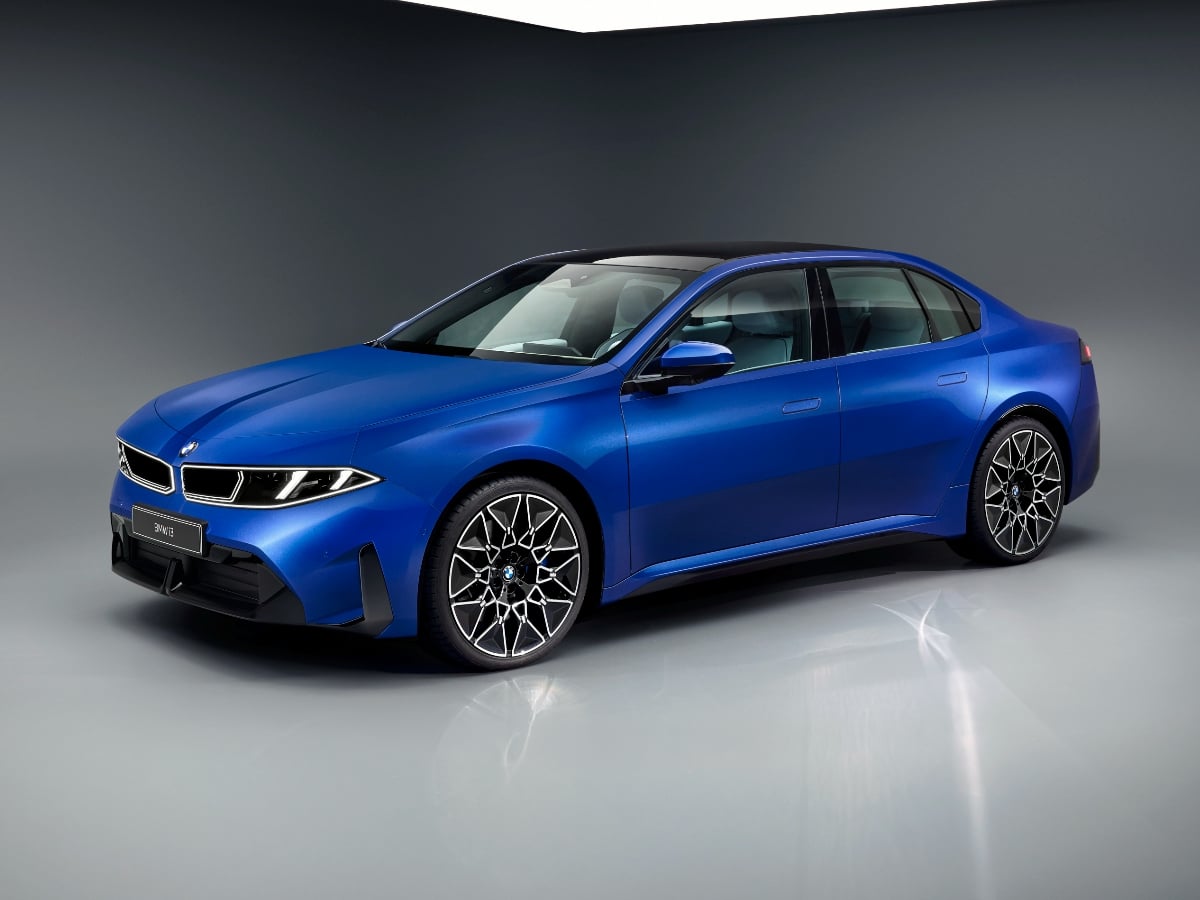
The new 2027 BMW i3 boasts an estimated range of up to 440 miles, 400-kilowatt DC fast charging capability, bidirectional charging to a home or the grid, and next-generation technology.
Read the Full Article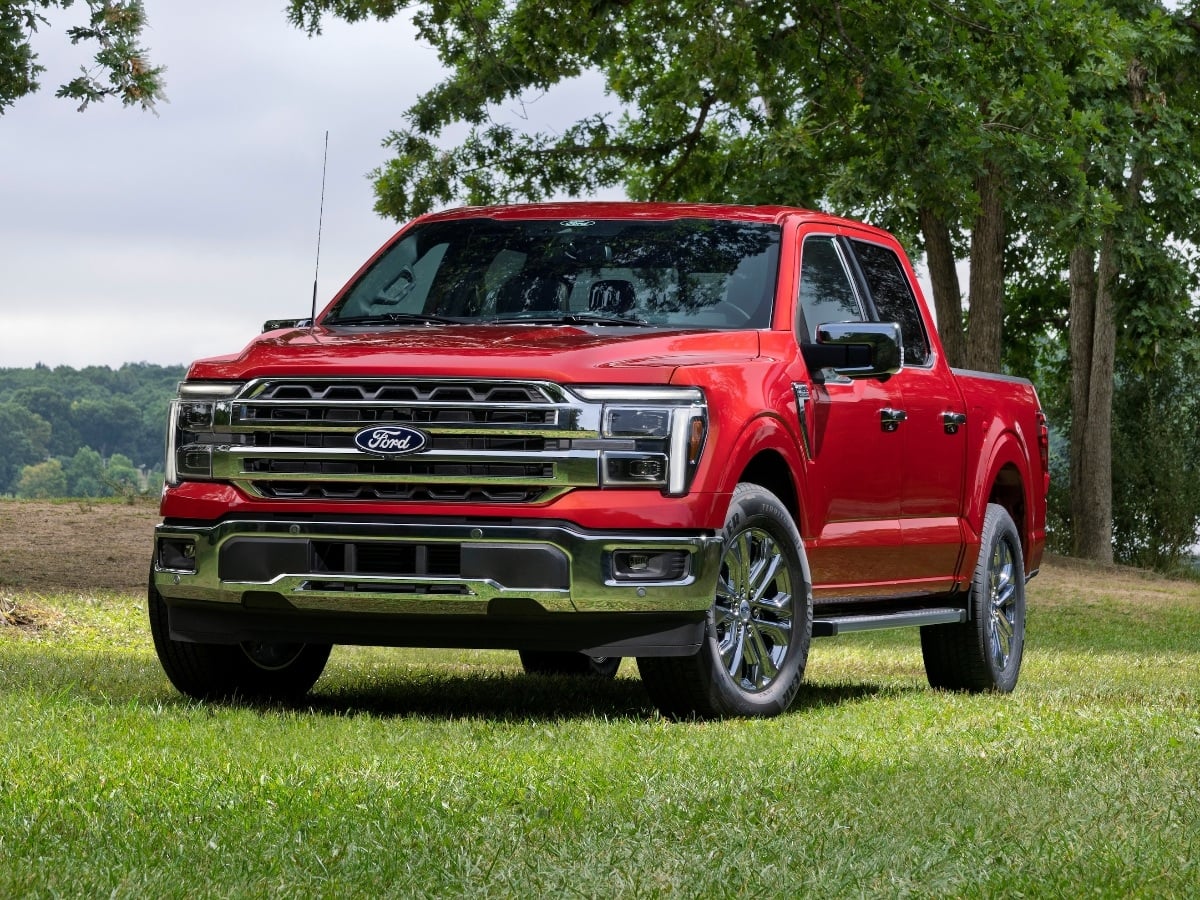
Facing renewed competition in the full-size, light duty pickup truck segment, the 2027 Ford F-150 receives subtle styling updates, a new standard engine, broader availability of its 5.0-liter V8, and ...See More
Read the Full Article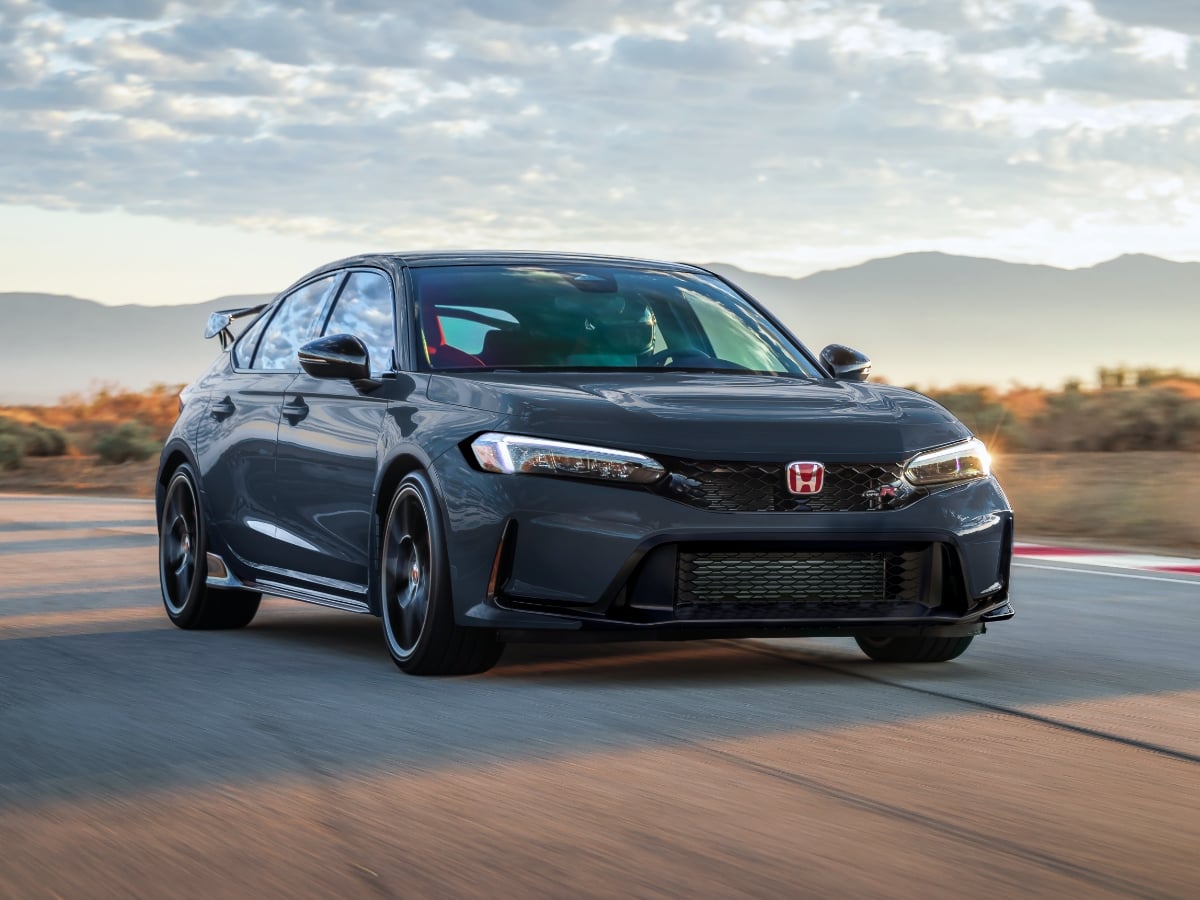
The 2027 Civic Type R goes on sale in October 2026, and it starts at $49,990, including the $1,295 destination charge.
Read the Full Article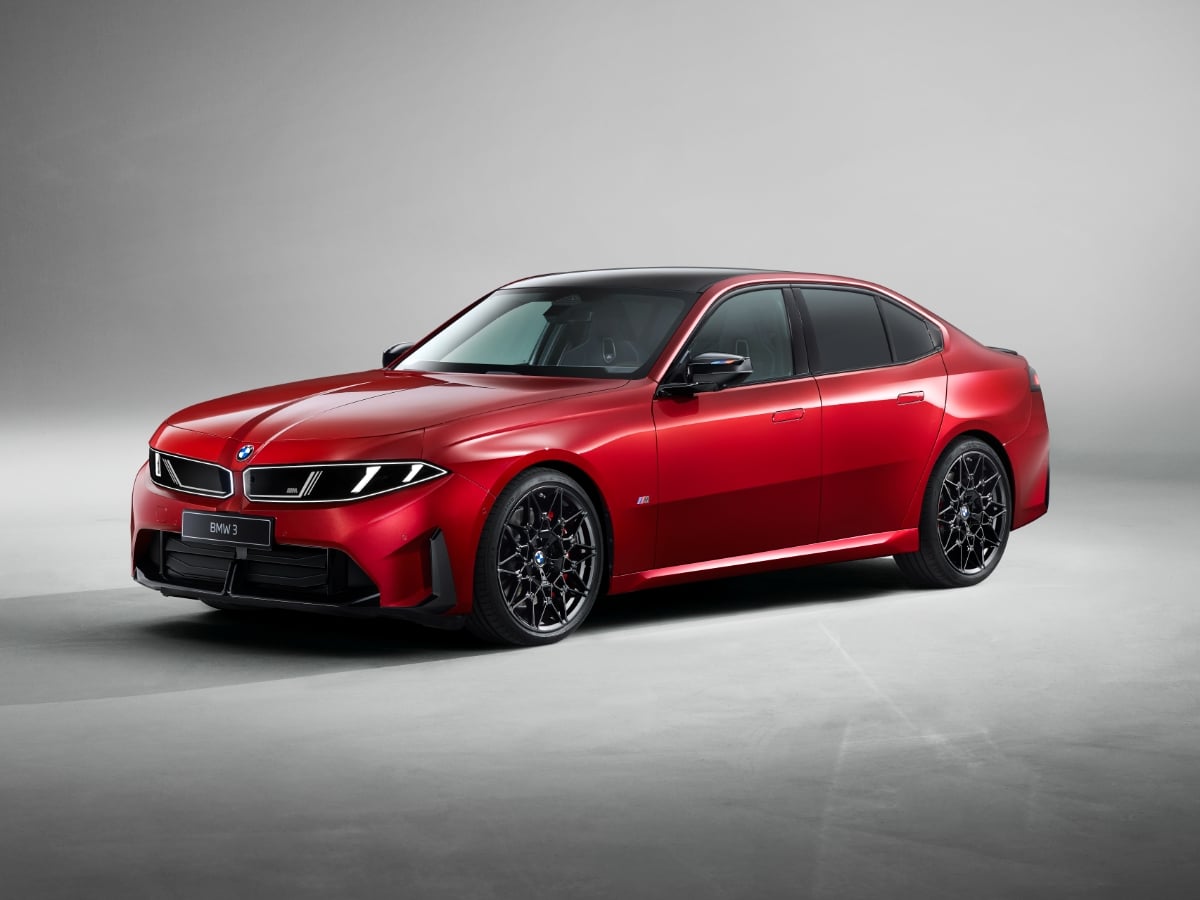
Part of BMW’s Neue Klasse (new class) rollout of redesigned models, the 2027 BMW 3 Series is all-new and goes on sale in the first quarter of 2027.
Read the Full Article