
Rivian may be one of the newer players on the automotive landscape, but the Irvine, California-based electric-vehicle (EV) startup and Tesla-fighter is offering a newly developed advanced driver assistance system (ADAS) architecture that makes a leap forward with autonomous-driving capabilities. The technology is appropriately named Rivian Autonomy Platform (RAP) as it underpins the brand’s redesigned second-generation models—the R1T pickup truck and R1S SUV.

The RAP is a unique system that the automaker has developed in-house. It uses a more powerful computer module than the first generation of Rivian vehicles, built exclusively for the carmaker’s current product portfolio and future offerings.
The result is a Level 2+ system that supports the driver by way of alerts and evasive maneuvers like steering adjustments and emergency braking but does not ever take complete control of the vehicle. It offers a full suite of ADAS designed to intervene only when necessary.
Aside from having a processor with ten times more computing power than Rivian’s first-generation system, the RAP utilizes sophisticated artificial intelligence (AI) prediction technology. This is a significant step to leveraging AI in an entirely new way.
Predictive AI uses machine learning to identify patterns in past events and make future predictions. In automotive applications, such technology could, for example, inform a vehicle to take certain precautionary measures when it recognizes specific traffic patterns it has previously encountered.
The RAP employs an arsenal of upgraded hardware to gather data for processing, including 11 high-resolution cameras, five radar units, and other sensors placed strategically around the vehicle. This equipment is a palpable step up from the devices Rivian used in the first iteration of the R1T and R1S models.
The new cameras benefit from 360-degree viewing with eight times the megapixels of Rivian’s first-generation cameras. This level of resolution allows the system to see with long-range visibility, whether day or night, clear or rainy.
The RAP is standard on the R1T and R1S. Its features come in two categories: Driving Assist and Active Safety Assist. Driving Assist includes ADAS that the driver selects. Active Safety Assist features comprise those ADAS that provide automatic alerts, warnings, and preventative action, with the primary goal being accident avoidance.
There are three main Driving Assist features:
Highway assist—Provides automatic steering and braking when driving on select highways and interstates. The number of roadways that allow this feature will continue to grow.
Adaptive cruise control—Allows you to set your speed and, at the same time, keep a safe distance from vehicles ahead with automatic braking and acceleration.
Lane-changing assistance—Assists with making safe highway lane changes.
Active Safety Assist is divided into four primary areas: Lane Safety, Light Safety, Parking and Reverse, and Collision Mitigation. The individual systems are as follows:
Lane-keeping assistance—Offers gentle steering adjustments to keep you in your intended lane if it detects drift (lateral movement without a signal).
Lane-departure warning—Provides audible alerts when the vehicle begins to drift out of the lane without turn signal activation (works in tandem with lane-keeping assistance).
Blind-spot warning—Provides a visual alert to make you aware of vehicles in your blind spot when you signal to change lanes.
Automatic high-beam headlights—Automatically switches the headlights between high and low depending on the presence of oncoming traffic.
Rear cross-traffic warning—Alerts you if a vehicle is approaching from the left or right when backing out of a driveway or a parking space.
Park assist—Assists in parking in tight spaces by providing a 360-degree detection system that uses sensors to warn you if you’re too close to an object (car, curb, tree, etc.).
Forward-collision warning—Provides visual and audible warnings if the system detects a potential collision with objects—people and cars—in front of the vehicle.
Automatic emergency braking—Automatically and urgently applies the brakes when the system detects a potential crash.
Rivian will utilize over-the-air software updates to enhance the above features and add new ones over time.
Rivian Autonomy Platform+ is a premium version of the base system that promises an expanded set of advanced features. Lane Change on Command and Enhanced Highway Assist are the first two offerings in this suite.
The Rivian Autonomy Platform is an advanced suite of ADAS and semi-autonomous technologies that make the EV ownership experience safer and more refined for buyers.
To learn more about various automotive technologies, visit the Shopping Guides section of the website.
Jessica Shea Choksey is an experienced writer in the automotive field. In addition to JDPower.com, she was a correspondent for PBS's MotorWeek, and her work has appeared on AutoTrader.


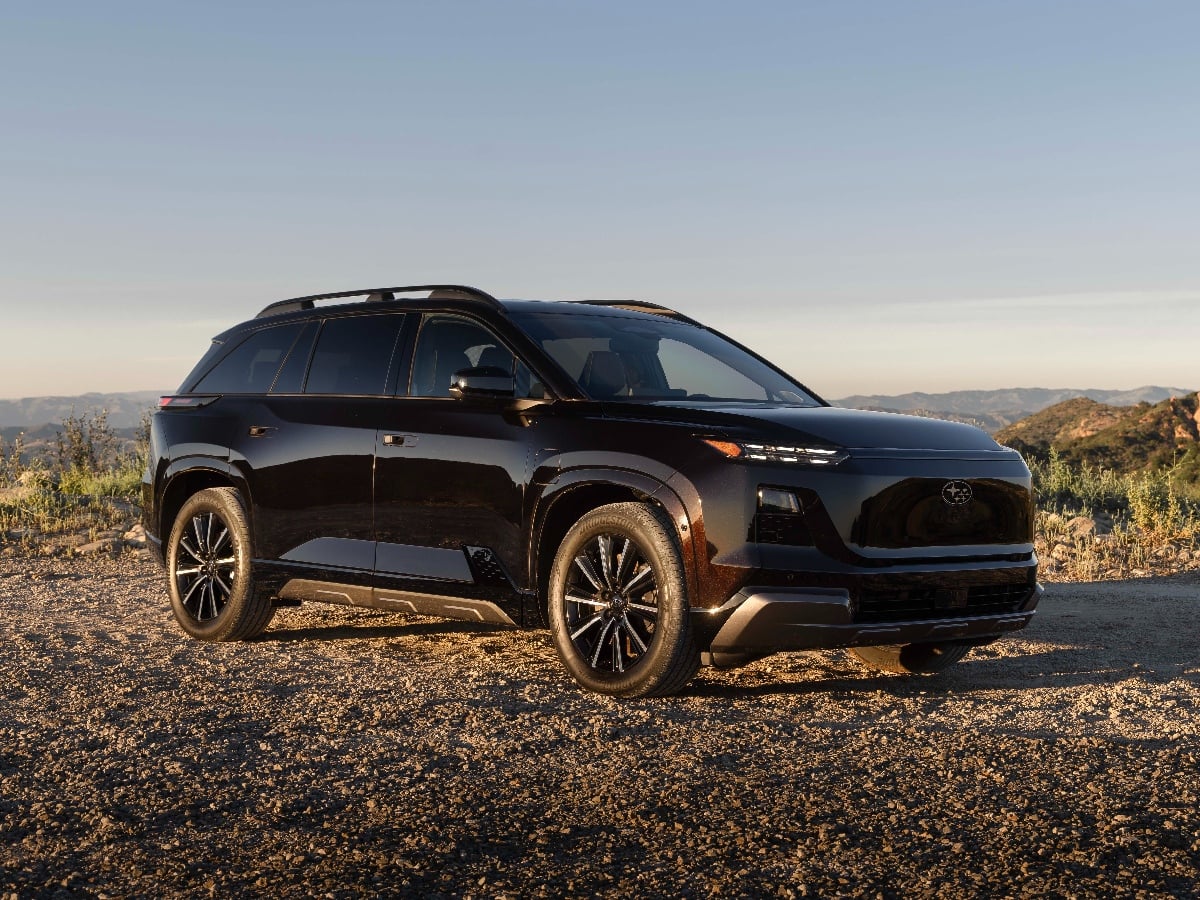
Arriving in late 2026, the new 2027 Subaru Getaway three-row SUV will be the largest of the brand’s now-trio of electric offerings, co-developed with Toyota. It has impressive specs that should make ...See More
Read the Full Article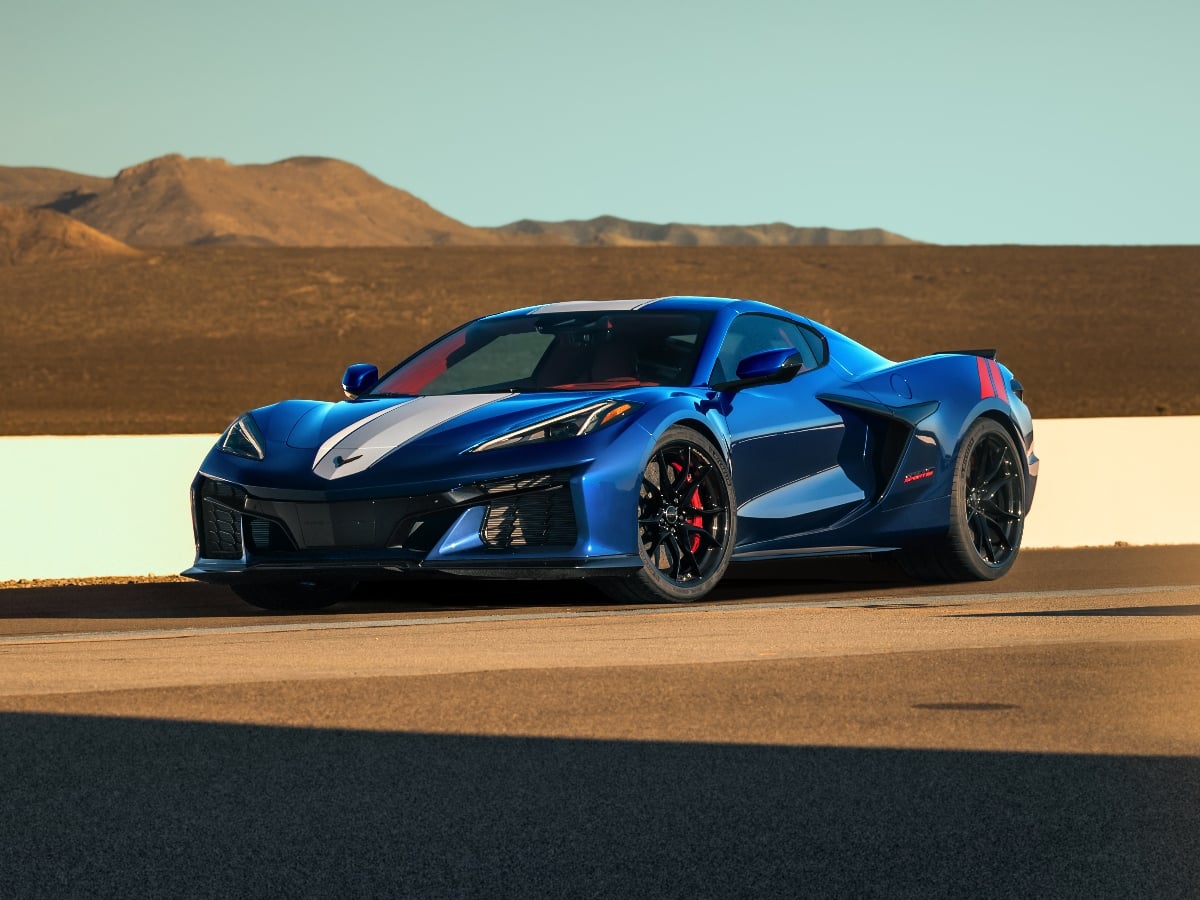
Bringing the ZR1's style to a more attainable model, the 2027 Chevrolet Corvette Grand Sport features all the best C8 go-fast bits, including an all-new 6.7-liter V8 engine.
Read the Full Article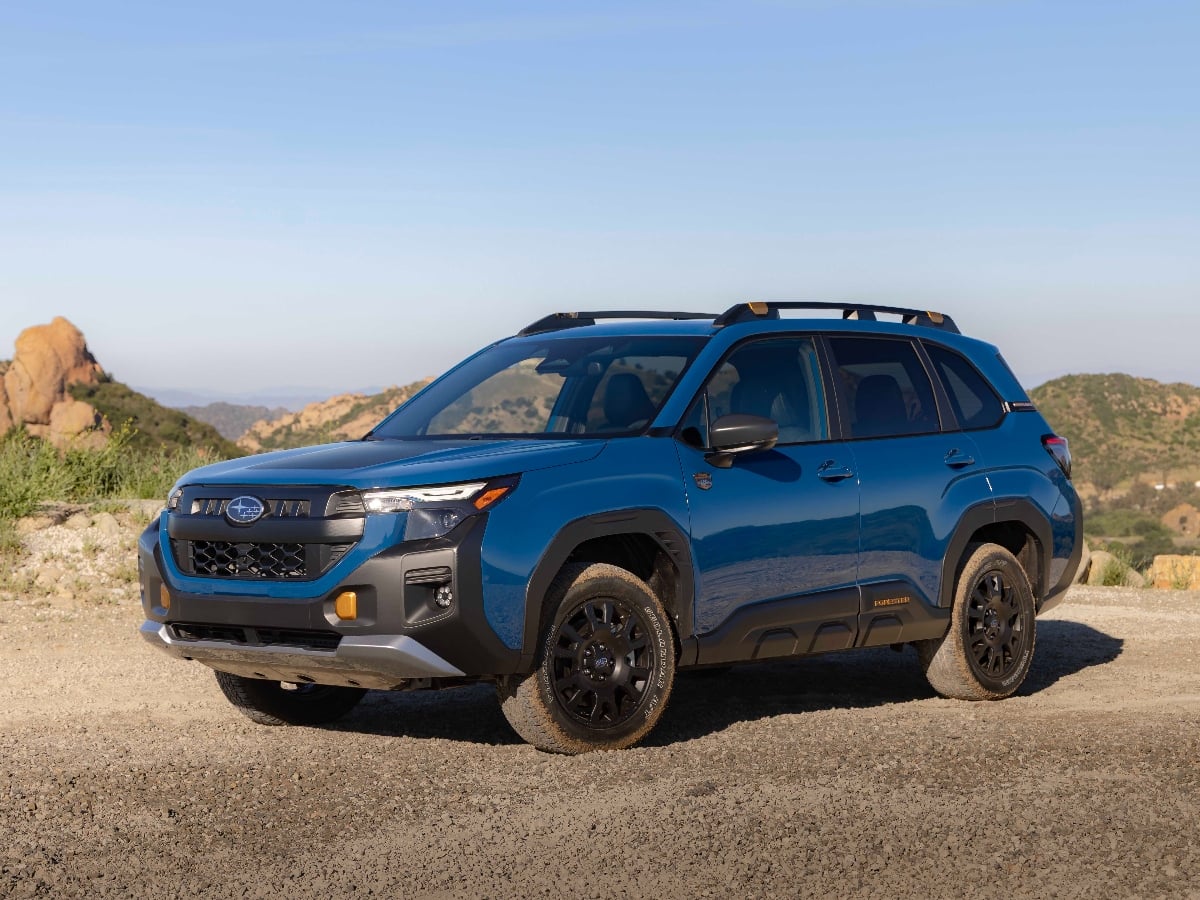
The new 2027 Subaru Forester Wilderness Hybrid brings together two branches of the existing Forester family tree: the fuel-efficient Forester Hybrid model and the off-road-oriented Wilderness trim ...See More
Read the Full Article
The 2027 Ford Bronco Filson falls on the fancier (and handsomer) end of the classic off-roader's lineup, with added comfort and convenience backed by confident power and trail capability.
Read the Full Article