
When we think of electric vehicles (EVs), the first things that come to mind are range and charging speed. But performance and capability are also essential components of the EV driving experience. On that front, Nissan's e-Force all-wheel-drive (AWD) system (the automaker brands it "e-4ORCE") is all about increasing stability, surefootedness, and driver confidence in an electrified application.
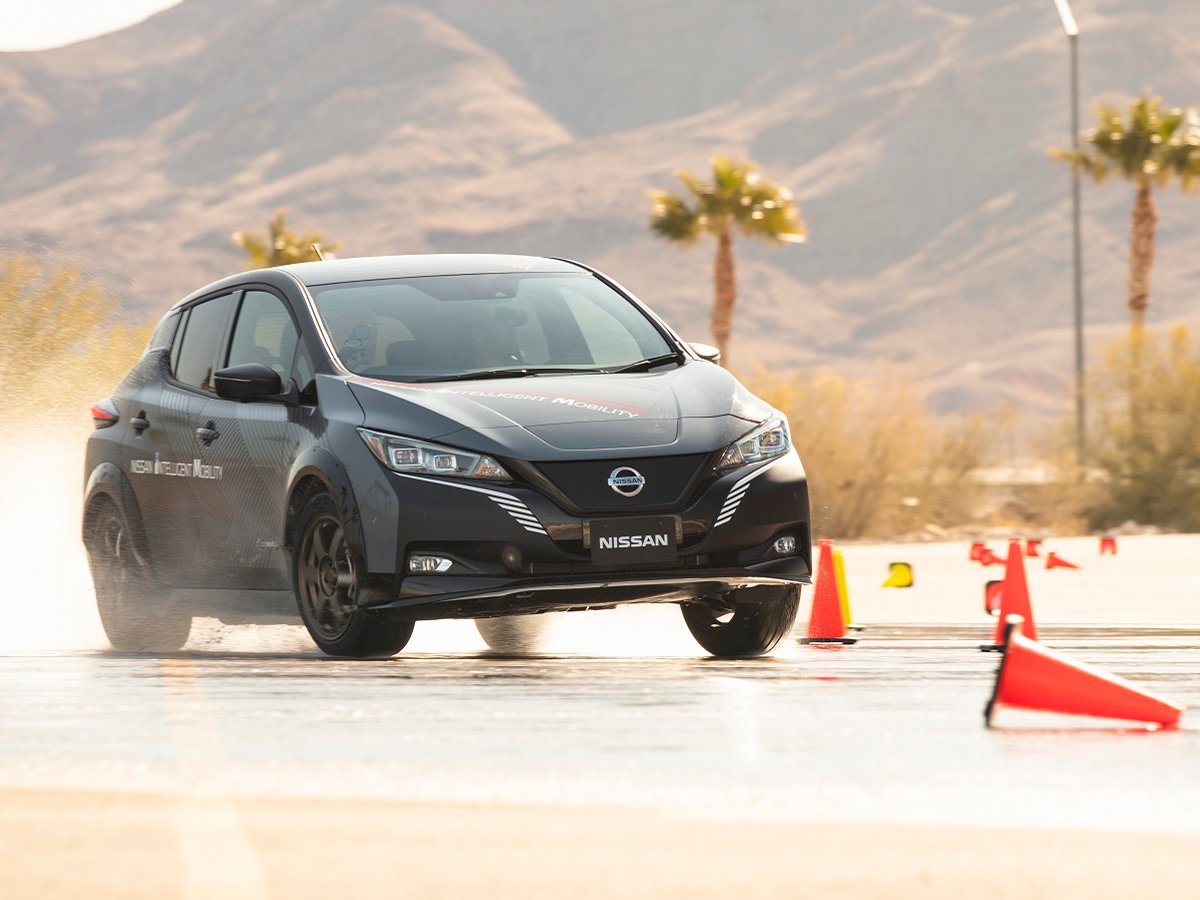
The e-Force system is an advanced dual-motor all-wheel control technology for electric powertrains. It manages power delivery and braking to each wheel to enhance traction on wet, snowy, or uneven road surfaces. According to Nissan, the CMF-EV platform—the automaker's dedicated all-electric modular architecture—allows the e-Force system to operate seamlessly and to its full potential.
Nissan says that the e-Force control technology can react to driver input three times faster than the blink of an eye. This level of responsiveness yields instant and smooth acceleration through a wide range of scenarios, the company says, including avoidance maneuvers.
Like a traditional torque-vectoring system, e-Force optimizes front and rear torque allocation when driving along curves. The system uses dual motors and regenerative braking functions to ensure road grip. Nissan claims this ability to apply energy recuperation through two motors makes e-Force unique from most other dual-motor EV systems.
Additionally, the system maximizes cornering force by independently controlling braking at each wheel, which Nissan says yields a precise handling experience similar to a premium sports car. And when the road surface undergoes more challenging conditions, Nissan says e-Force manages the driver's intentions and reactions intuitively, maintaining the driver's intended path by employing high-precision motor and brake control.
"This technology offers a new level of control," said Ryozo Hiraku, expert leader of Nissan's powertrain and EV engineering division. "New for Nissan, new for EVs, e-Force control technology is the combination of our know-how of all-wheel drive and chassis control technology and our EV development expertise. E-Force is not a successor of one, but an evolution of many."
According to Nissan, e-Force technology optimizes handling with a combination of balanced chassis control, line tracing, and steering precision. These three components keep the vehicle's behavior predictable and consistent at all times, the company says. Constant output modulation from each motor and braking control at each wheel enhances the driver's overall vehicle control with minimal steering adjustment.
The system distributes power 50/50 between the front and rear axles but can send up to 100 percent of engine torque in either direction, depending on the real-time road and traction conditions. Braking force is applied at each wheel, utilizing both regenerative and hydraulic braking. Nissan says these characteristics improve turning performance and slow the vehicle down in a controlled and stable manner.
According to Nissan, passenger comfort was as crucial as drivability and capability when engineers developed the e-Force system. The idea was to create a smooth ride no matter the driving situation or road conditions.
The key to meeting this goal is regenerative braking, which works with the electric motors to reduce pitch and dive at all four corners. This effort keeps occupants from shaking back and forth when slowing down or even abruptly braking. It keeps them level and upright, reducing motion sickness and fatigue, the automaker says.
"Electric motor response can provide excellent acceleration, but that in itself was not our goal," said Hiraku. "By taking advantage of e-Force's precise motor control response, we're able to control vehicle motion as soon as the brakes are applied, giving all occupants—especially passengers—a stable, smooth ride."
Driving on challenging road surfaces can be challenging for drivers of all experience levels. To that end, the e-Force system sends power to the wheel or wheels that have the most traction in a given situation. This lets the driver maintain grip and handling control while experiencing minimal lateral movement. The system will also compensate for the driver applying too much power by managing the actual output sent to the wheels. The end result is control and traceability on low-traction surfaces.
Nissan's new e-Force AWD system will first appear on the upcoming all-electric Nissan Ariya crossover. The Ariya joins the front-wheel-drive Nissan Leaf as the Japanese automaker's second mass-market EV for the United States. It will arrive in dealerships in the fourth quarter of 2022.
Nissan's e-Force all-wheel control technology demonstrates that EVs are more than just about the all-electric range and zero-emissions mobility. These battery-powered vehicles are also about driving performance and 4-wheel capability. By managing power output and braking, the e-Force system aims to deliver an enhanced driving experience that is safer, smoother, and confidence-inspiring.


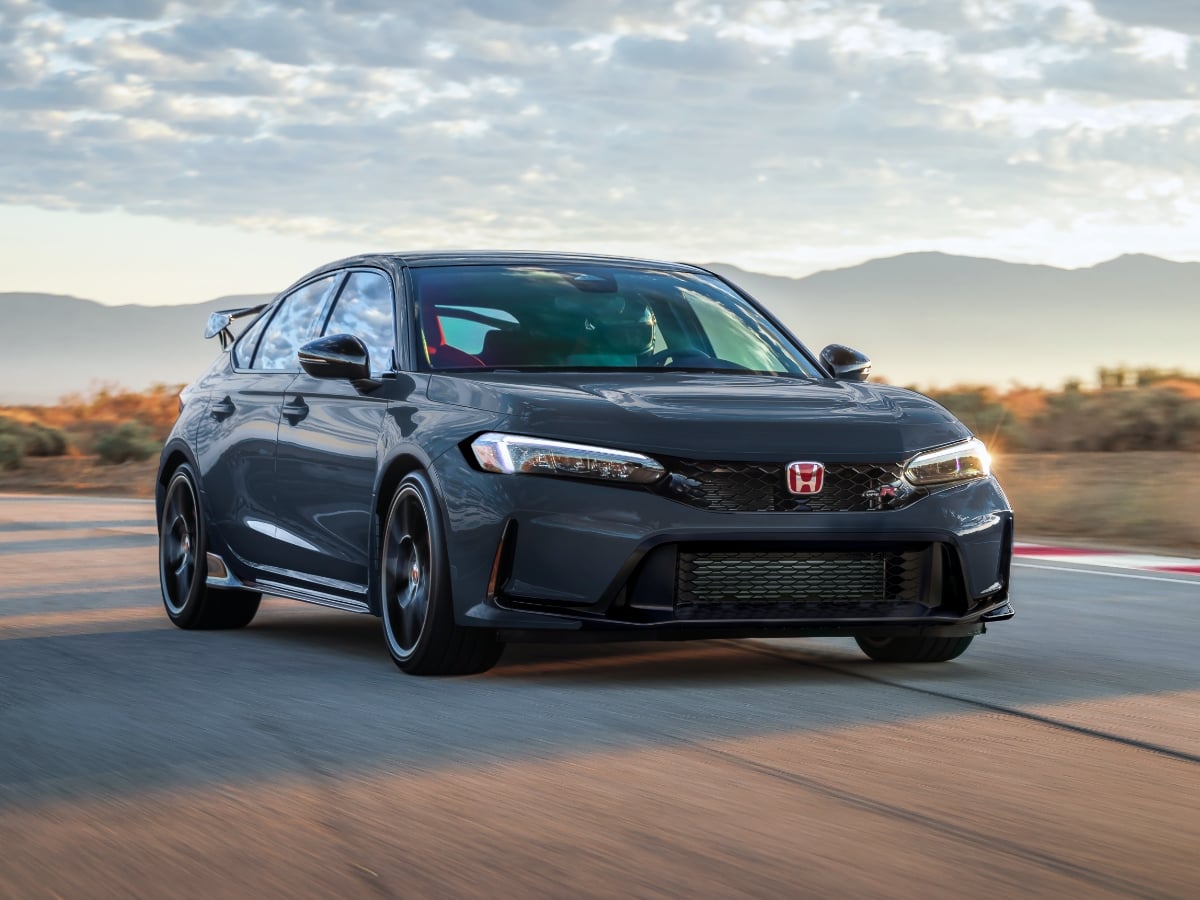
The 2027 Civic Type R goes on sale in October 2026, and it starts at $49,990, including the $1,295 destination charge.
Read the Full Article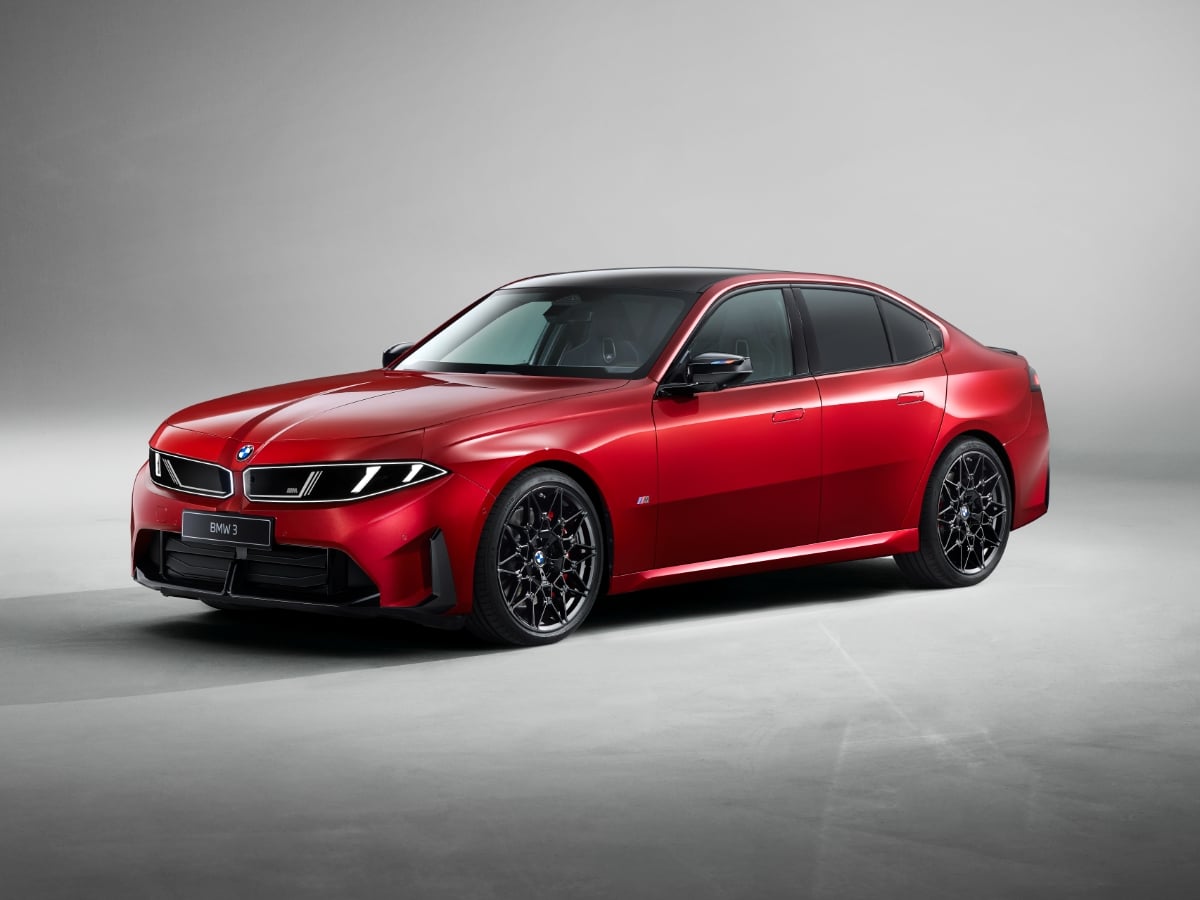
Part of BMW’s Neue Klasse (new class) rollout of redesigned models, the 2027 BMW 3 Series is all-new and goes on sale in the first quarter of 2027.
Read the Full Article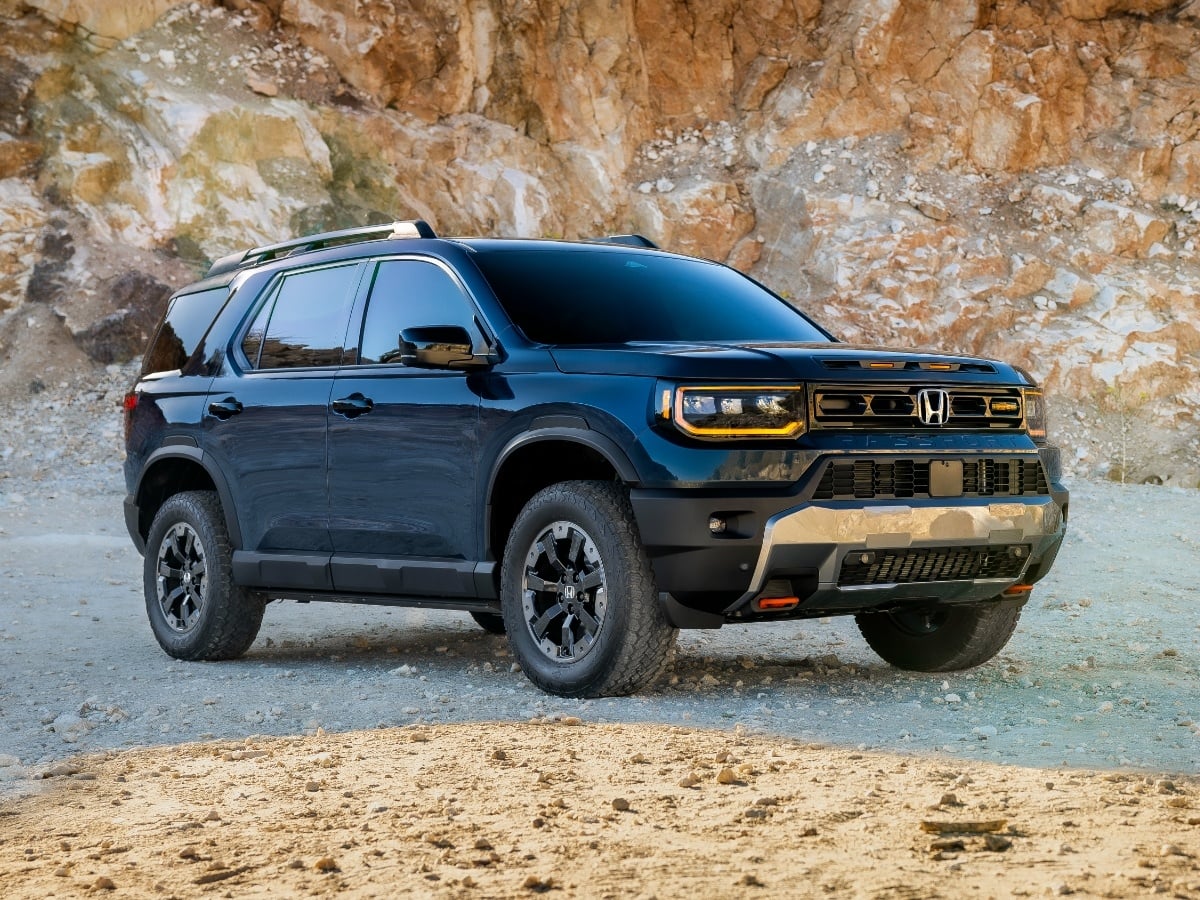
Updates to the 2027 Honda Passport TrailSport include a reworked suspension, improved steering, subtle styling enhancements, and added standard equipment.
Read the Full Article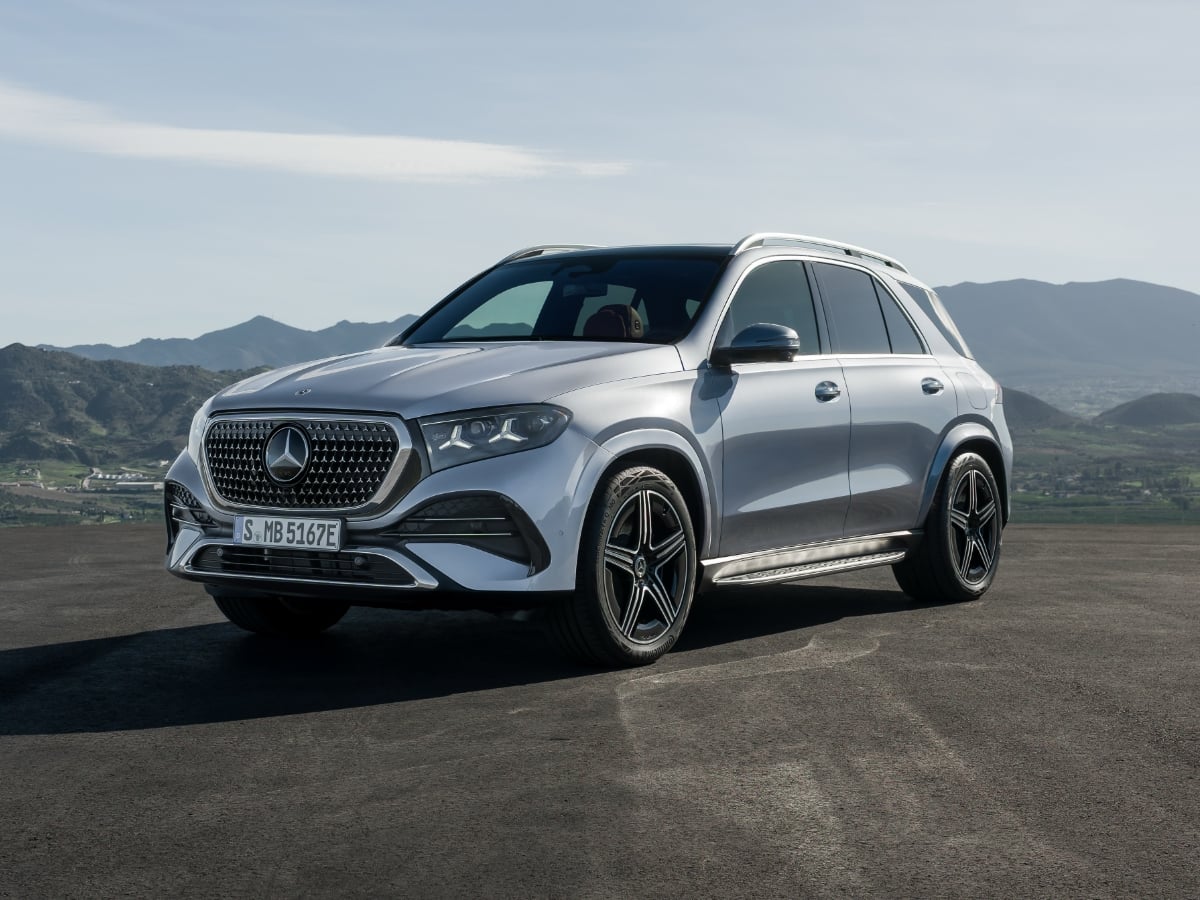
The midsize 2027 Mercedes GLE remains available in original and spicy Coupe recipes, now with standard 4Matic all-wheel drive (AWD), MBUX Superscreen technology, and a panoramic glass sunroof for ...See More
Read the Full Article