
Many automakers use torque vectoring to shift torque between the wheel or wheels that need traction the most. In spirited driving, the system can improve handling by helping rotate the vehicle and get it out of corners faster. Mazda implemented a similar system in the 2022 MX-5 Miata, though the automaker doesn't call it torque vectoring. Mazda's Kinematic Posture Control, or KPC, works with the vehicle's suspension and braking systems to provide better balance and feel when cornering.
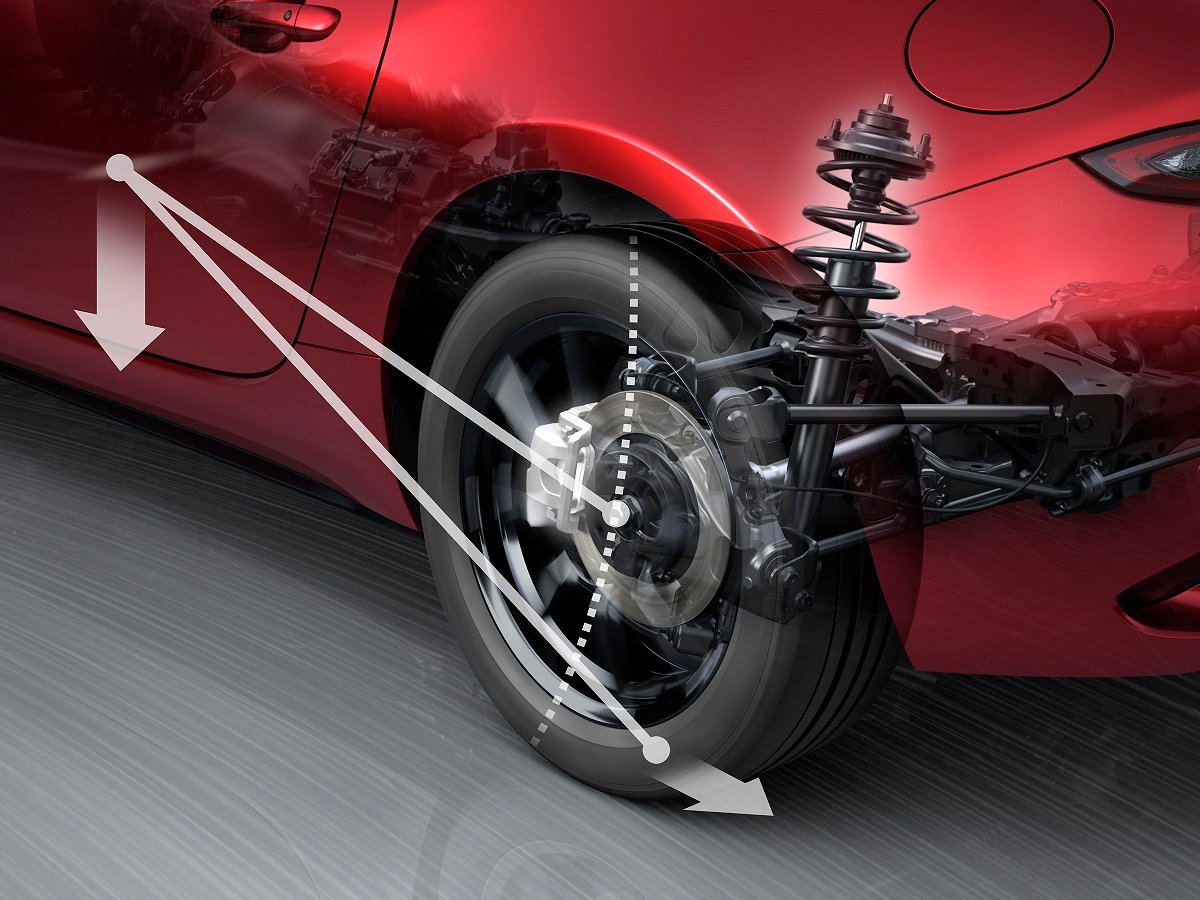
Kinematic Posture Control applies braking to the inner rear wheel when the vehicle senses high G-forces in a corner. Mazda says this helps pull the inner rear corner down, suppressing body roll. If the driver accelerates through a corner, the system applies more braking force, which, as the automaker notes, "enhances the limited-slip effect providing more confidence and enjoyment."
Interestingly, KPC does not require changes to the vehicle's hardware and works exclusively with onboard sensors and computers. The result is a more balanced and planted rear end and more confidence in corners, especially longer, high-speed sweepers. The system activates automatically and does not need input from the driver to turn it on or off.
In short, no. Kinematic Posture Control is not torque vectoring, despite the similarities. Torque vectoring redistributes torque to the wheels that can provide the best traction, especially in corners, where it helps rotate the vehicle and tighten the turning radius. Some systems use clutches and differentials to achieve the effect, while others use a brake-based approach that works similarly to KPC. Kinetic Posture Control uses braking, but its goal is to control the car's "posture" and height during cornering.
It's worth noting that many electric vehicles offer torque vectoring through their electric motors. Their ability to rapidly shut off and restart allows automakers to shift power delivery between wheels for better traction and performance.
Mazda debuted KPC on the 2022 MX-5 Miata, a 2-seat, 2-door sports car. It's an obvious application for such a system, but the automaker will expand its use to SUVs with the upcoming CX-90. Mazda says it intends to use the system in rear-wheel-drive vehicles, so while the new CX-90 comes with all-wheel drive, it has a rear-biased architecture. It's unclear if the system will appear in other Mazda SUVs going forward.
Kinematic Posture Control is a unique performance tool, but it's only available in Mazda vehicles. If you're looking for a similar performance-enhancing system in another brand, head to the Shopping Guides section of our website to find models equipped with torque-vectoring systems.
Chris Teague is an experienced writer in the automotive and technology fields. In addition to JDPower.com, his work appears at Forbes, The Drive, Autoweek, and others.


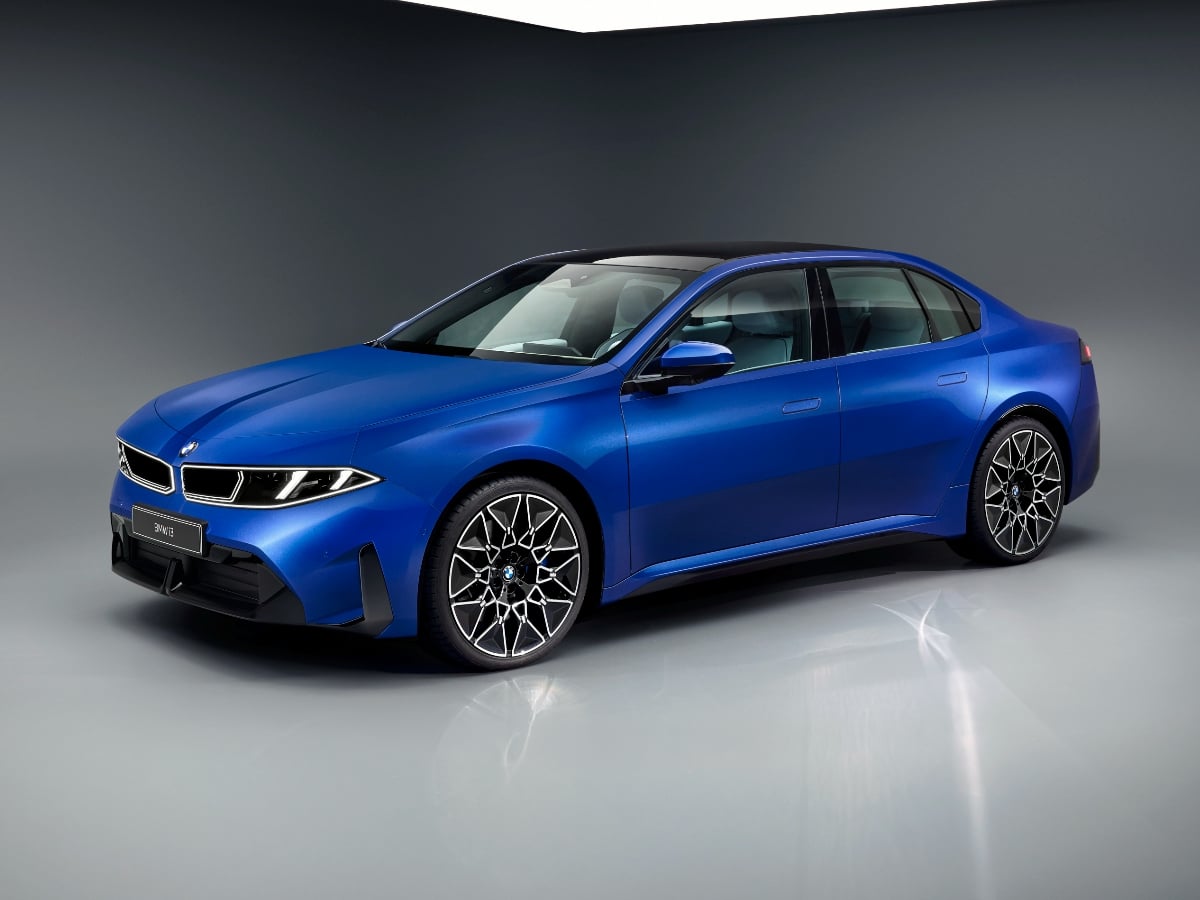
The new 2027 BMW i3 boasts an estimated range of up to 440 miles, 400-kilowatt DC fast charging capability, bidirectional charging to a home or the grid, and next-generation technology.
Read the Full Article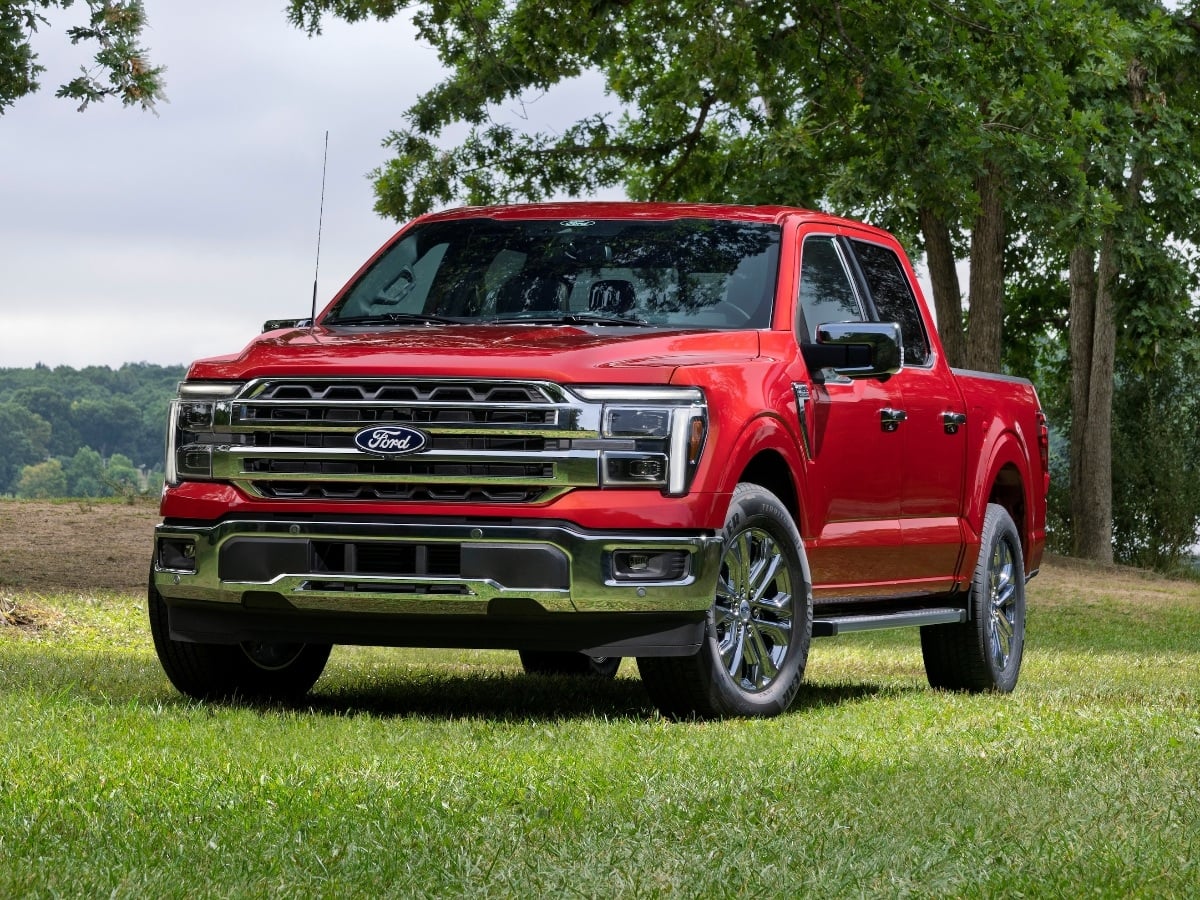
Facing renewed competition in the full-size, light duty pickup truck segment, the 2027 Ford F-150 receives subtle styling updates, a new standard engine, broader availability of its 5.0-liter V8, and ...See More
Read the Full Article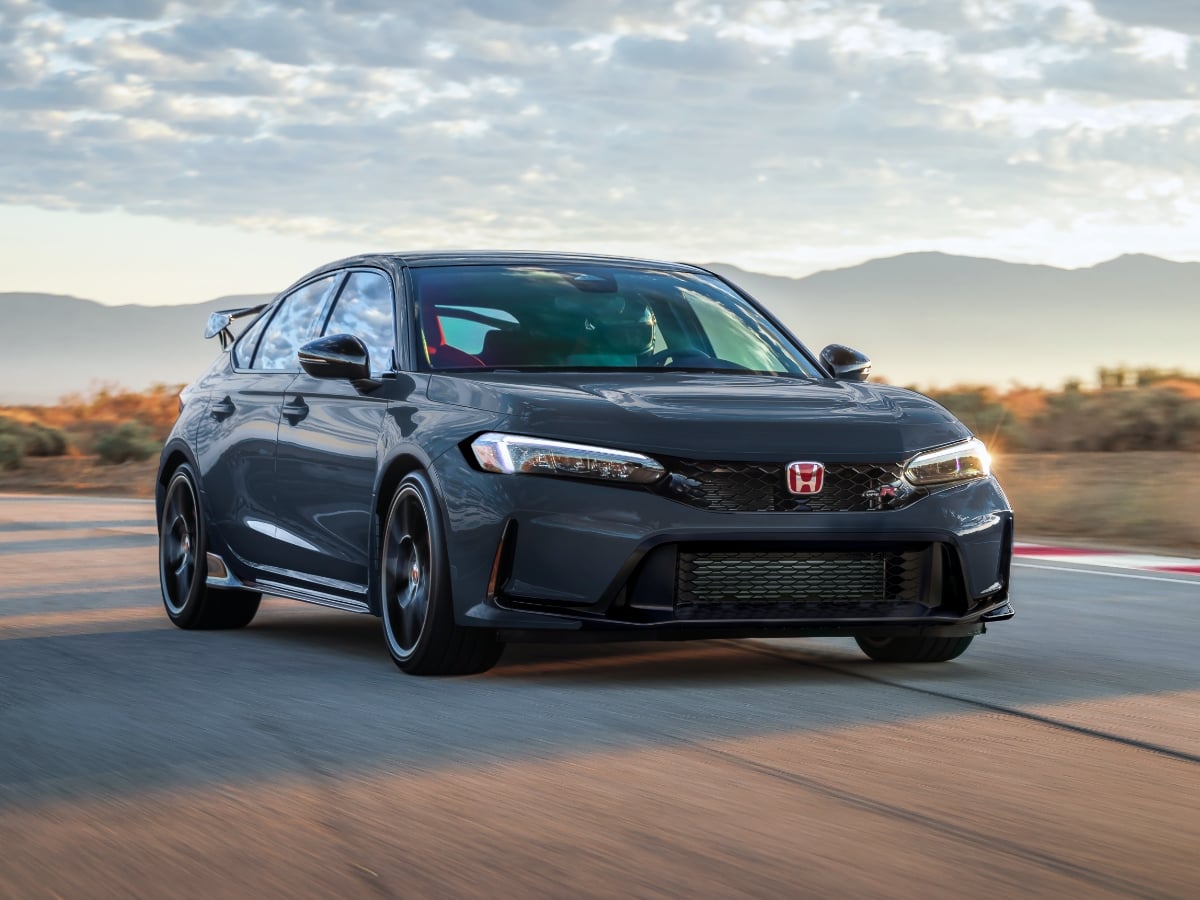
The 2027 Civic Type R goes on sale in October 2026, and it starts at $49,990, including the $1,295 destination charge.
Read the Full Article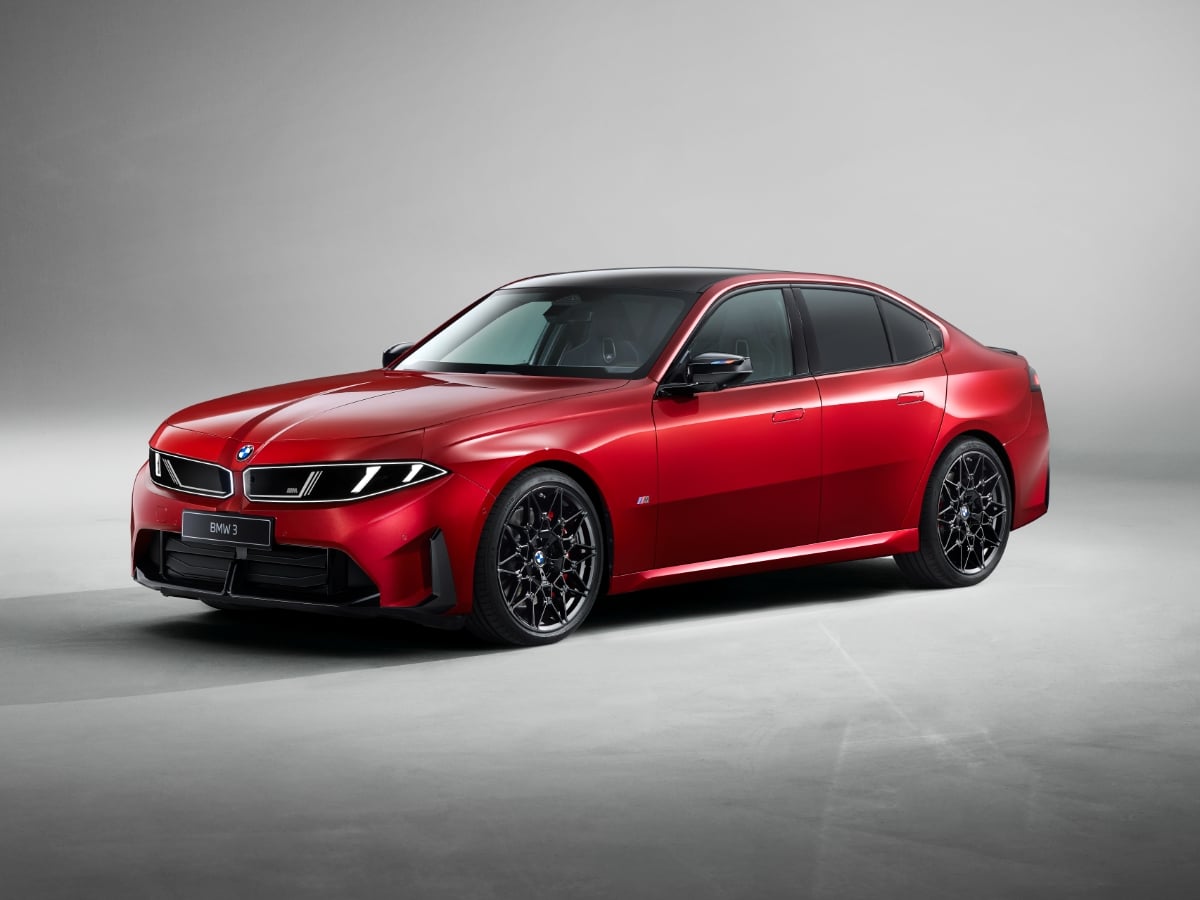
Part of BMW’s Neue Klasse (new class) rollout of redesigned models, the 2027 BMW 3 Series is all-new and goes on sale in the first quarter of 2027.
Read the Full Article