
Like many automakers, Lexus offers its own flavor of advanced driver assistance systems (ADAS) called Lexus Safety System+ (LSS+). The brand has released a few new versions over the years, adding additional features and tech with each release. Radar cruise control, or adaptive cruise control, uses sensors and radar to position the car at a constant distance from other vehicles while using cruise control. Lexus offers another feature in the system called Curve Speed Management (CMS), which uses the car's navigation system to detect curves and changes in the road and adjusts vehicle speed accordingly.

Lexus introduced CMS with LSS+ 2.5 and continued offering it with LSS+ 3.0. The automaker says that the system will lower vehicle speed accordingly. After the curve, the system resumes the vehicle speed the driver had set.
It's important to differentiate the all-speed dynamic radar cruise control system from the standard radar cruise control system. The standard system does not include stop-and-go capability and lacks curve-speed management. It's designed for a large range of speeds but cannot bring the vehicle to a complete stop.
Curve-speed management relies on the car's adaptive cruise control and navigation systems. Lexus introduced adaptive cruise control with CMS for many models in 2020 and 2021. The system also offers all-speed adaptive cruise control, which uses a millimeter-wave radar and camera to judge the speed of other vehicles and adjust its own accordingly. It can bring the car to a stop and start again, reducing fatigue in traffic jams.
According to the automaker, the Toyota/Lexus radar cruise control system works between 0 and 110 mph. It's also capable of maintaining vehicle spacing and speed while in the curve, and the automaker says that it will improve driver focus by keeping the distance in all situations.
This differs from the brand's standard radar cruise control system, which works between 25 and 110 mph. It can manage vehicle speed and distance but cannot handle traffic jams or stop-and-go traffic, nor is it able to manage curve speed.
Curve-speed management is an innovative and helpful system that builds on adaptive cruise control, but Lexus is far from the only car brand offering the tech. Volvo has offered speed management in its cars and SUVs for a few years now, and the system has been part of Toyota vehicles as long as Lexus has offered it. Kia, Hyundai, and others offer it as part of adaptive cruise control systems, but the name varies slightly between automakers.
The all-speed dynamic radar cruise control system comes standard on most Lexus models, including the ES, IS, LC, LS, LX, NX, RC, RX, and UX. Adaptive cruise control is standard for the RC F and GX. As Lexus and Toyota develop more ADAS, including semi-autonomous driving-assistance systems, the automakers will likely increase the capability of the adaptive cruise control systems to match. Lane control, curve-speed management, and traffic-jam assist are stepping stones toward a more autonomous driving future.
Curve-speed management, or CMS, is an excellent addition to Lexus' safety package, but remember that it's far from the only brand offering the technology. If you're looking for a different car, truck, or SUV with similar safety features, check out our Shopping Guides for information on the latest models and features.


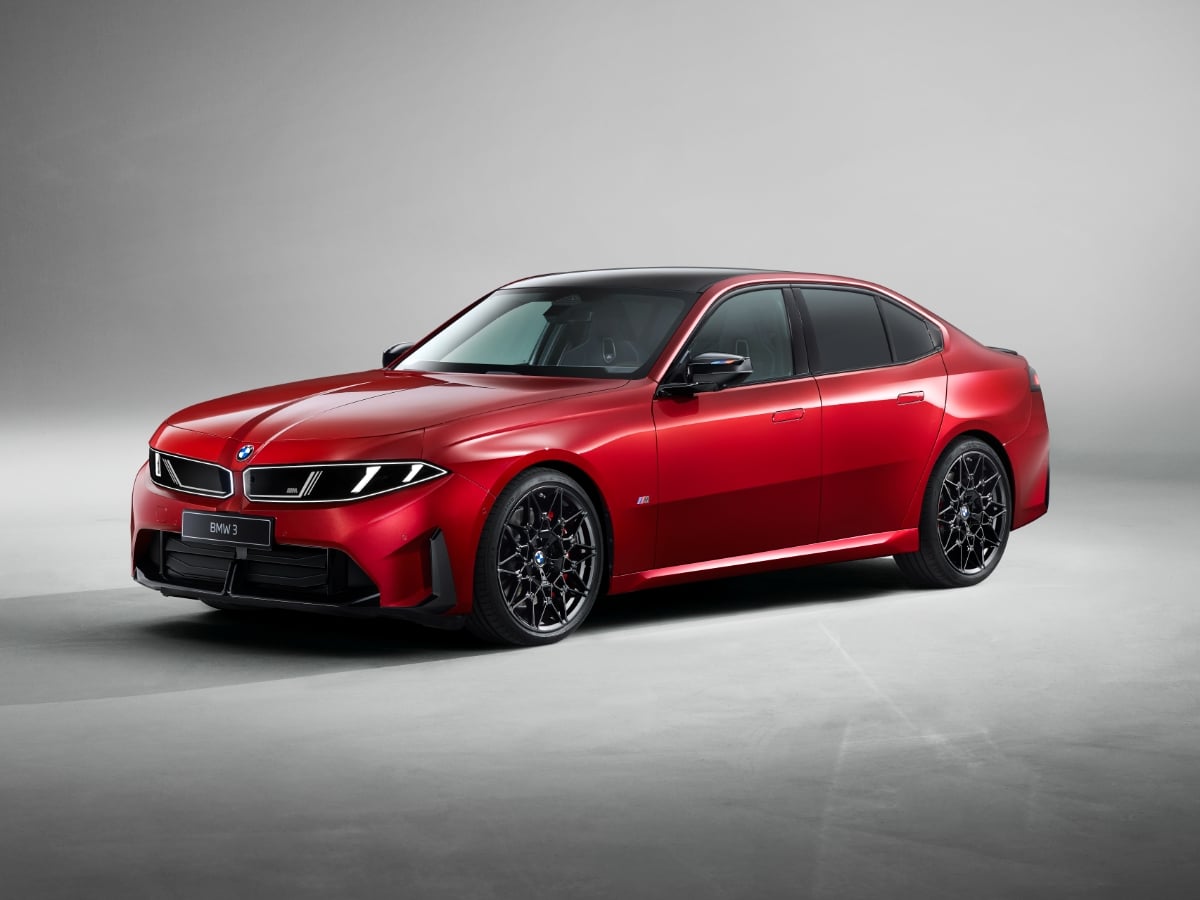
Part of BMW’s Neue Klasse (new class) rollout of redesigned models, the 2027 BMW 3 Series is all-new and goes on sale in the first quarter of 2027.
Read the Full Article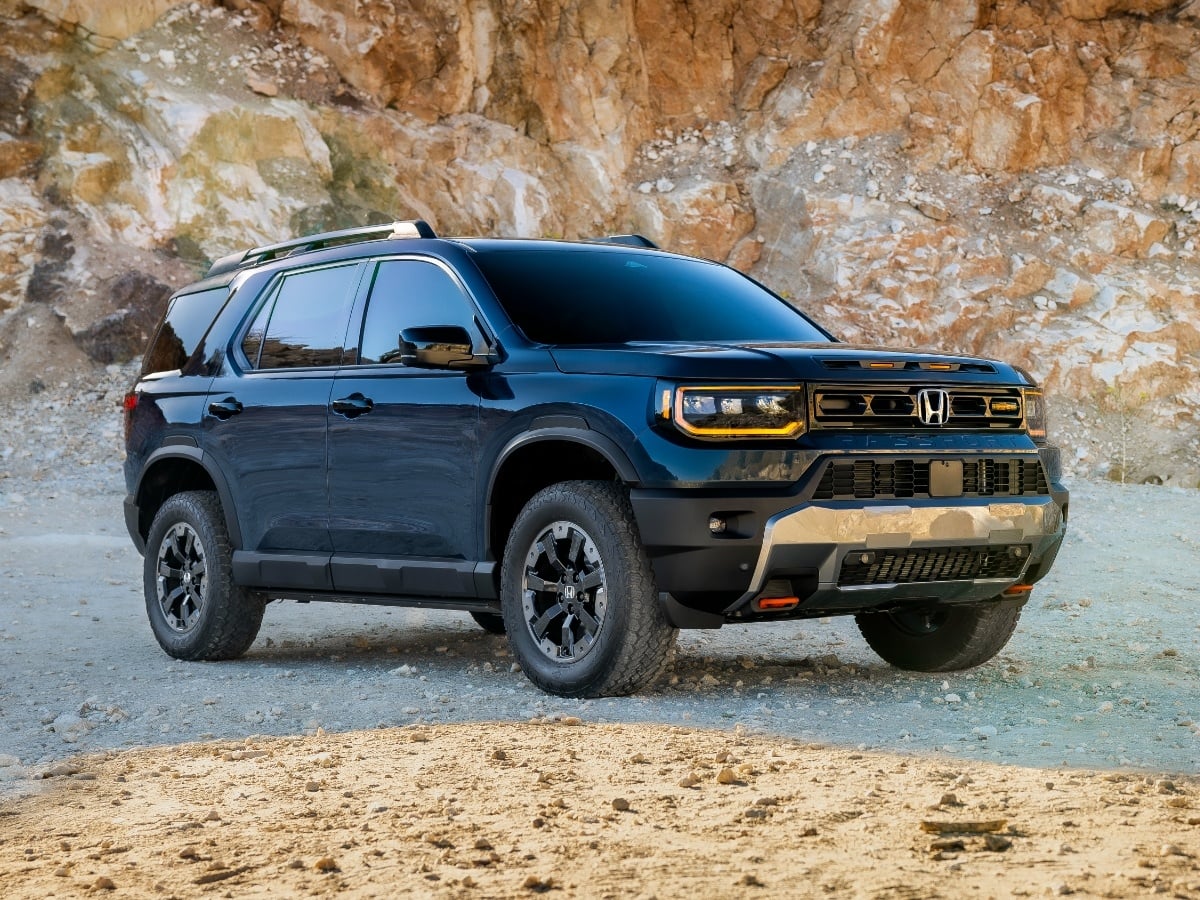
Updates to the 2027 Honda Passport TrailSport include a reworked suspension, improved steering, subtle styling enhancements, and added standard equipment.
Read the Full Article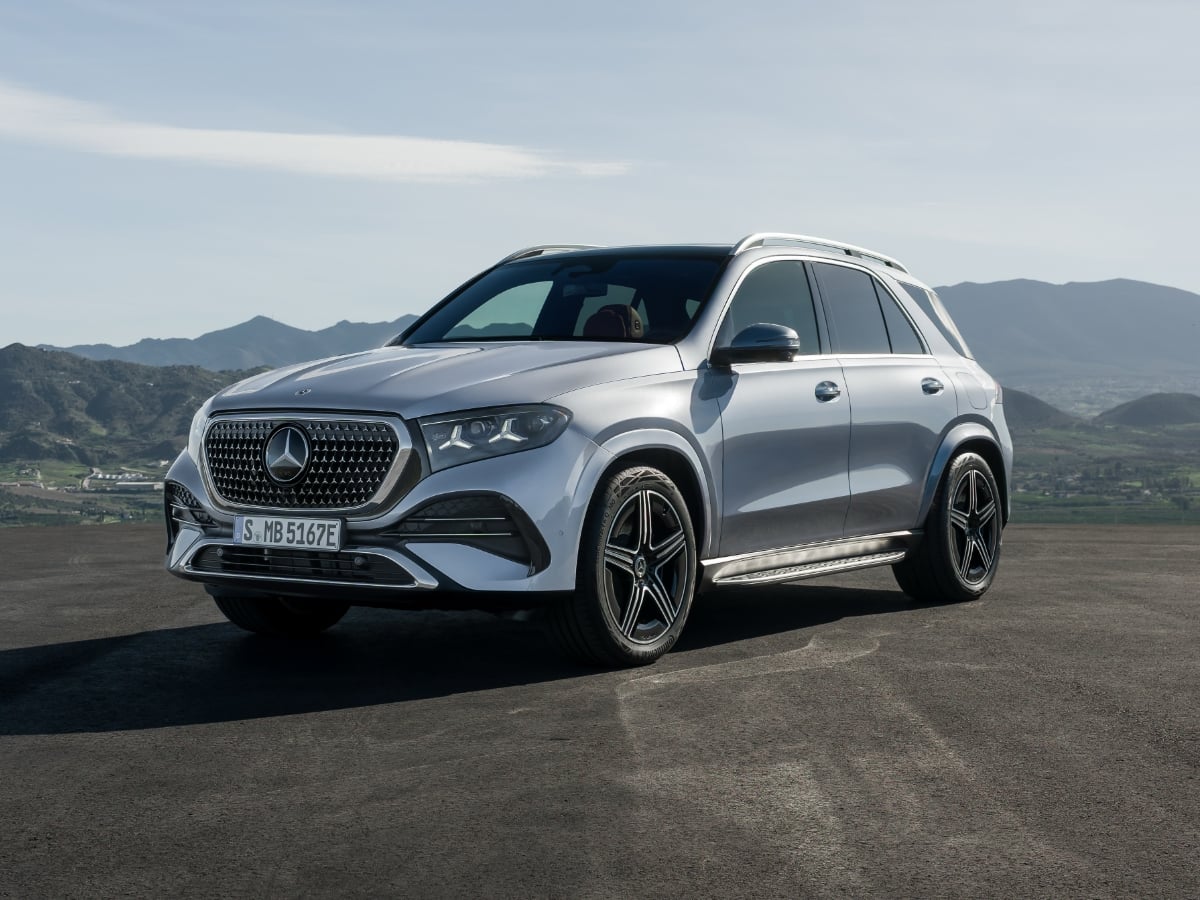
The midsize 2027 Mercedes GLE remains available in original and spicy Coupe recipes, now with standard 4Matic all-wheel drive (AWD), MBUX Superscreen technology, and a panoramic glass sunroof for ...See More
Read the Full Article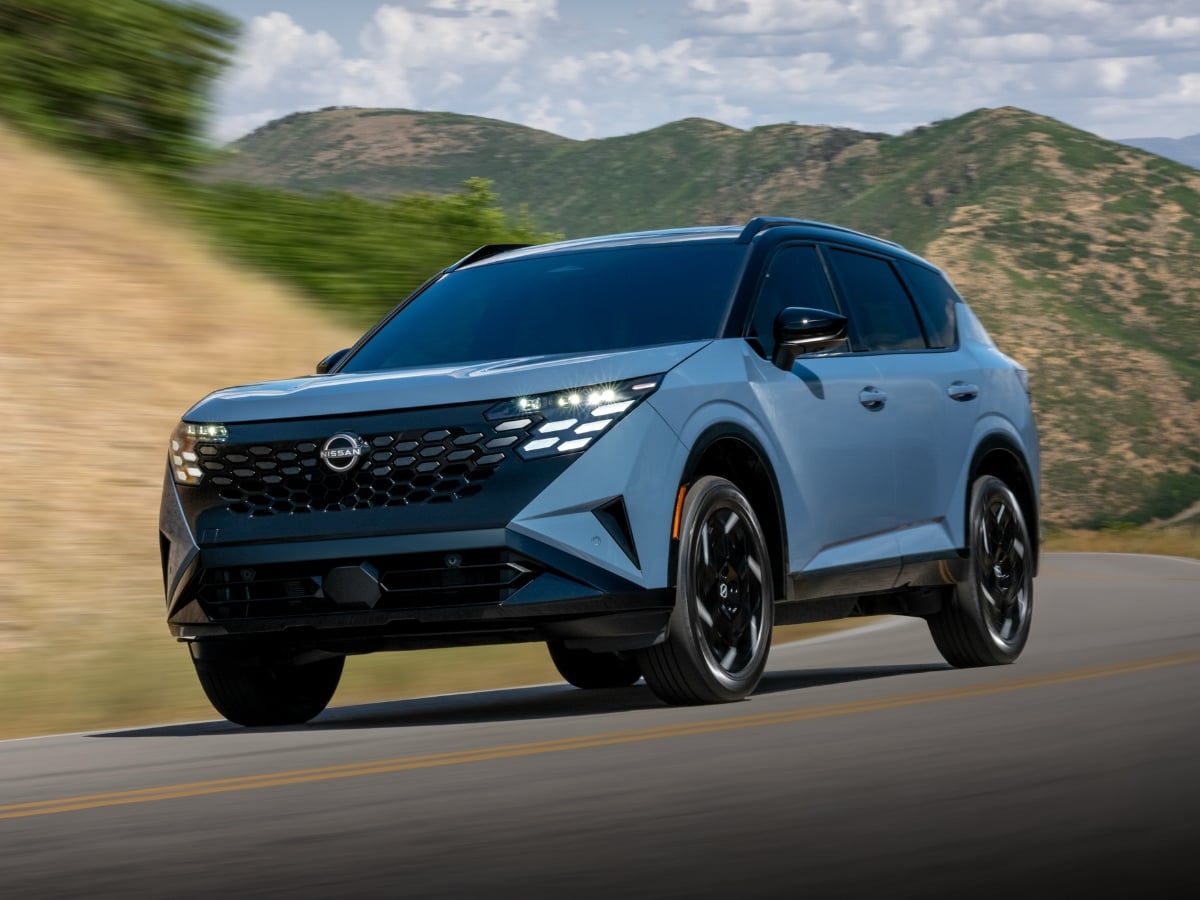
Nissan is about to introduce an innovative new SUV. The 2027 Nissan Rogue Hybrid has a gasoline engine, but it does not power the wheels. Instead, electric motors at each axle provide propulsion, ...See More
Read the Full Article