
Before you own a car, you might be clueless about vehicle transmissions but they’re vital to know as your vehicle insurance. You might have probably heard about manual and automatic transmissions and not CVT.

The CVT is the newest type of automatic transmission and is referred to as a shiftless transmission. This article will explain CVT transmissions, how they work and which cars have them.
The term CVT stands for continuously variable transmission. The CVT is a type of automatic transmission that can continuously “transmit” power from a vehicle’s engine to the rest of the drivetrain through an infinite variety of gear ratios.
A CVT allows a car’s engine to operate efficiently in its most efficient revolutions per minute(rpm) range for the car’s speed and road conditions. However, this is different from the system of fixed gear ratios in conventional automatic, dual-clutch automatic, or manual transmissions.
CVT systems work through a pulley system. The CVT consists of cones at each pulley connected via a belt or chain. The cones can move to increase or decrease the belt diameter to change gear ratios, or by allowing quick shifting into the needed ratio for increased engine power, and boosting fuel economy.
One pulley in the CVT gets connected to the engine and the other directs power to the wheels. The width of these pulleys changes based on the needed power, as one gets large and the other gets smaller. This allows a CVT to deliver strong and seamless acceleration.
Though there are no gears in a CVT, some CVT systems simulate a more traditional changing of gears. In these transmissions, the belt-and-pulley system gets aligned so that preset points get moved by using a shift lever or paddle shifters on the steering wheel.
Apart from CVTs, there is also a different type of variable transmission, often called an eCVT, which gets used in many hybrids and plug-in hybrid vehicles. eCVTs are more complicated transmissions that use electric motors and a physical gear set to function as a CVT, but also to blend power from the vehicle’s gasoline and battery-electric systems.
CVT transmissions are popular now because most manufacturers realize that CVTs work well for their primary customer base. A CVT transmission equally operates well even with a smaller engine. Using CVTs makes acceleration quicker and more responsive, so the average driver enjoys a better experience.
The CVT transmission system guarantees that fuel economy is significantly improved. Modern hybrid vehicles utilize CVTs for efficient fuel efficiency.
Driving uphill gets easy with a car that has a CVT. A typical transmission has to work harder to find the right gear ratio for the drive, whereas a CVT finds the exact ratio needed almost immediately, this allows the engine to seamlessly provide power without hard shifting.
CVTs do not have hard gear shifts and allow you to enjoy smooth driving and acceleration at any speed. This also eliminates abrupt downshifting when trying to accelerate additional power while driving on the highway. A CVT transmission can enhance the experience for an average driver.
Below are the vehicles that offer CVTs for the 2022 model year as standard or available. Vehicles that have multiple engine options might not have a CVT.
Buick: Encore GX
Chevrolet: Malibu, Trailblazer, Spark
Chrysler: Pacifica Hybrid (plug-in hybrid)
Ford: Escape Hybrid, Escape Plug-in Hybrid, Maverick (hybrid)
Honda: Accord, Accord Hybrid, Civic, CR-V, CR-V Hybrid, HR-V, Insight
Hyundai: Accent, Elantra, Kona, Venue
Infiniti: QX50, QX55
Kia: Forte, Rio, Seltos, Soul
Lexus: ES 300h, LC 500h, LS 500h, NX 350h, NX 450h Plus (PHEV), RX 450h, RX 450hL, UX 200, UX 250h
Lincoln: Corsair Grand Touring (PHEV)
Mitsubishi: Eclipse Cross, Mirage, Mirage G4, Outlander, Outlander Sport
Nissan: Altima, Kicks, Maxima, Murano, Rogue, Rogue Sport, Sentra, Versa
Subaru: Ascent, Crosstrek, Crosstrek Hybrid (PHEV), Forester, Impreza, Legacy, Outback, WRX
Toyota: Avalon Hybrid, C-HR, Camry Hybrid, Corolla, Corolla Hybrid, Corolla Cross, Highlander Hybrid, Prius, Prius Prime (PHEV), RAV4 Hybrid, RAV4 Prime (PHEV), Sienna, Venza
The term CVT stands for continuously variable transmission. The CVT is a type of automatic transmission that can continuously “transmit” power from a vehicle’s engine to the rest of the drivetrain through an infinite variety of gear ratios.
CVT systems work through a pulley system. The CVT consists of cones at each pulley connected via a belt or chain. The cones can move to increase or decrease the belt diameter to change the gear ratio, or by allowing quick shifting into the needed ratio for increased engine power, and boosting fuel economy.
Apart from CVTs, there is also a different type of variable transmission, often called an eCVT, which gets used in many hybrids and plug-in hybrid vehicles.
The CVT transmission system guarantees that fuel economy is significantly improved. Modern hybrid vehicles utilize CVTs for efficient fuel efficiency. CVTs do not have hard gear shifts and allow you to enjoy smooth driving and acceleration at any speed.
Car manufacturing companies like Honda, Nissan, Ford, Chevrolet, and others have their 2022 models using CVT transmissions.


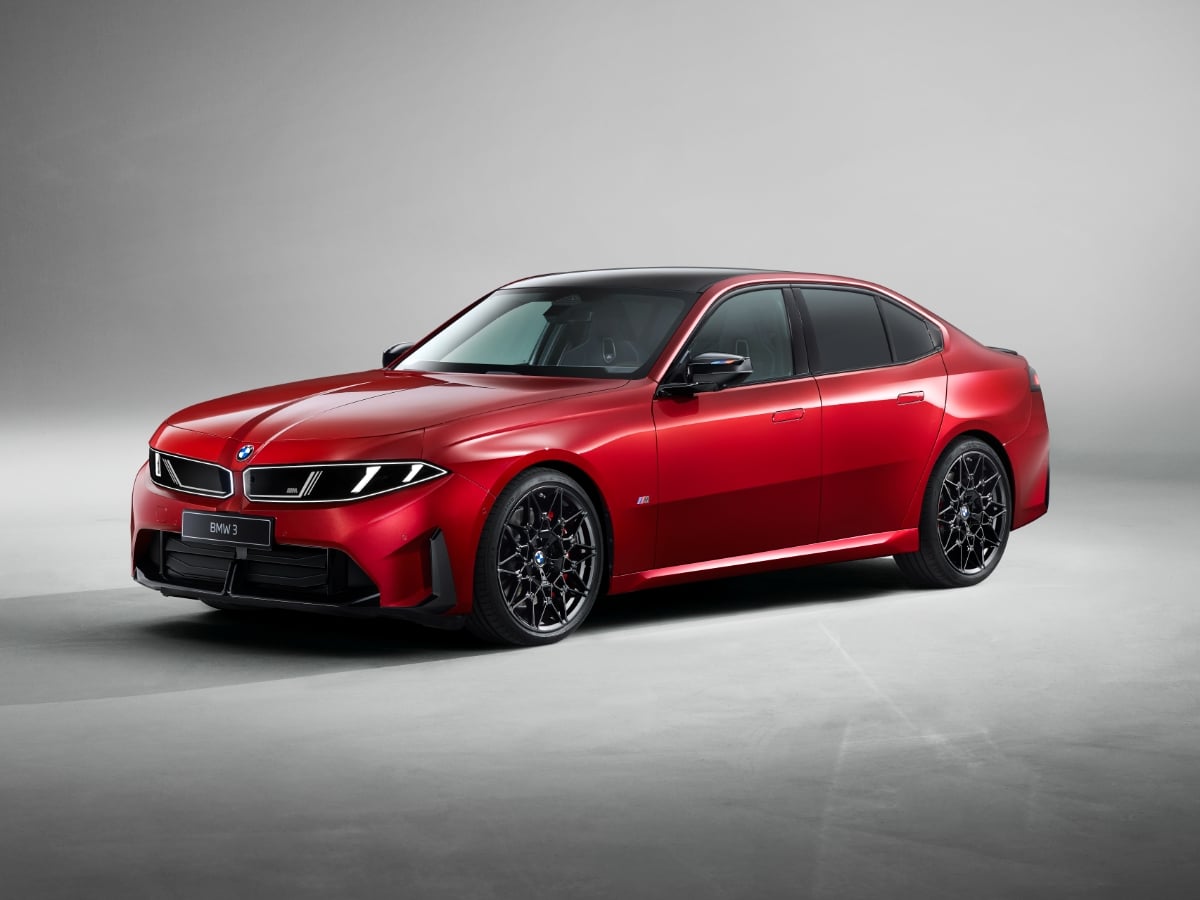
Part of BMW’s Neue Klasse (new class) rollout of redesigned models, the 2027 BMW 3 Series is all-new and goes on sale in the first quarter of 2027.
Read the Full Article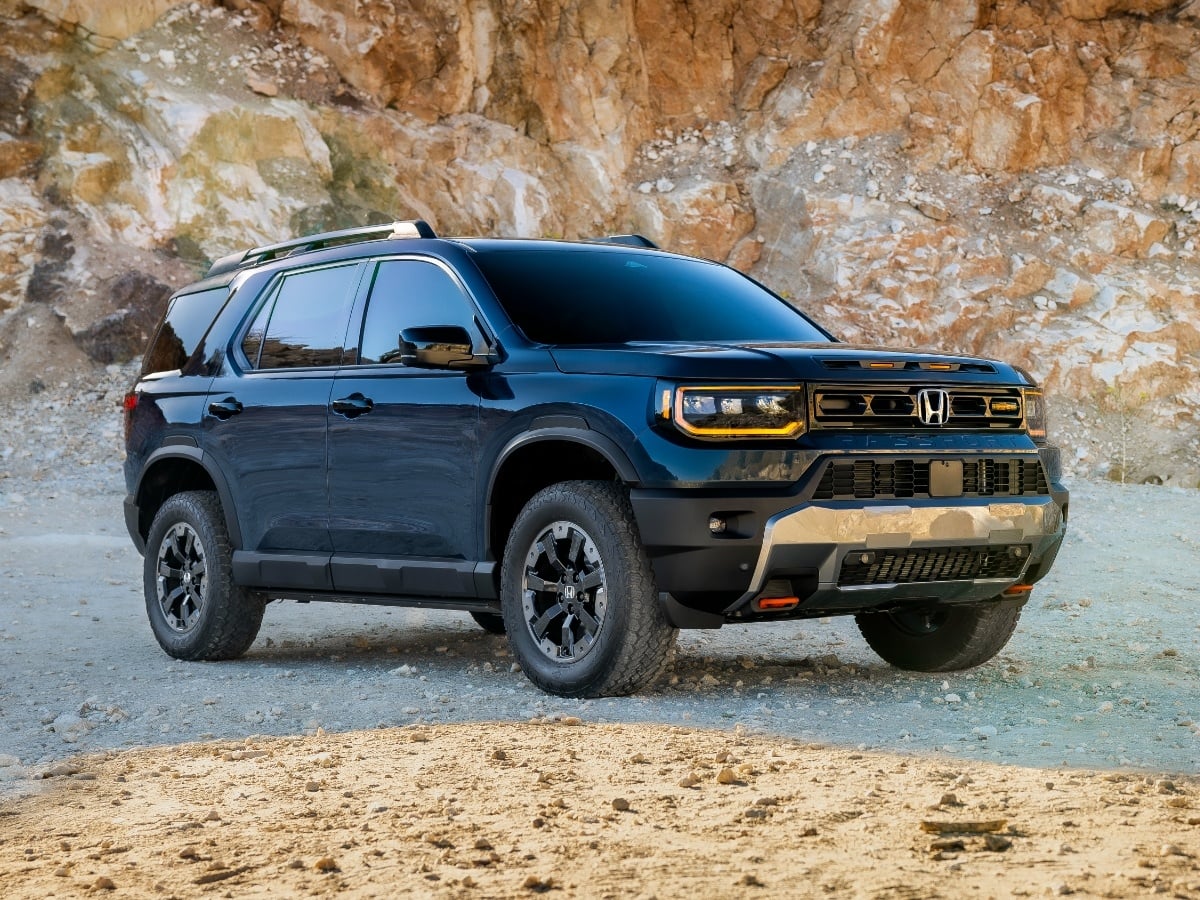
Updates to the 2027 Honda Passport TrailSport include a reworked suspension, improved steering, subtle styling enhancements, and added standard equipment.
Read the Full Article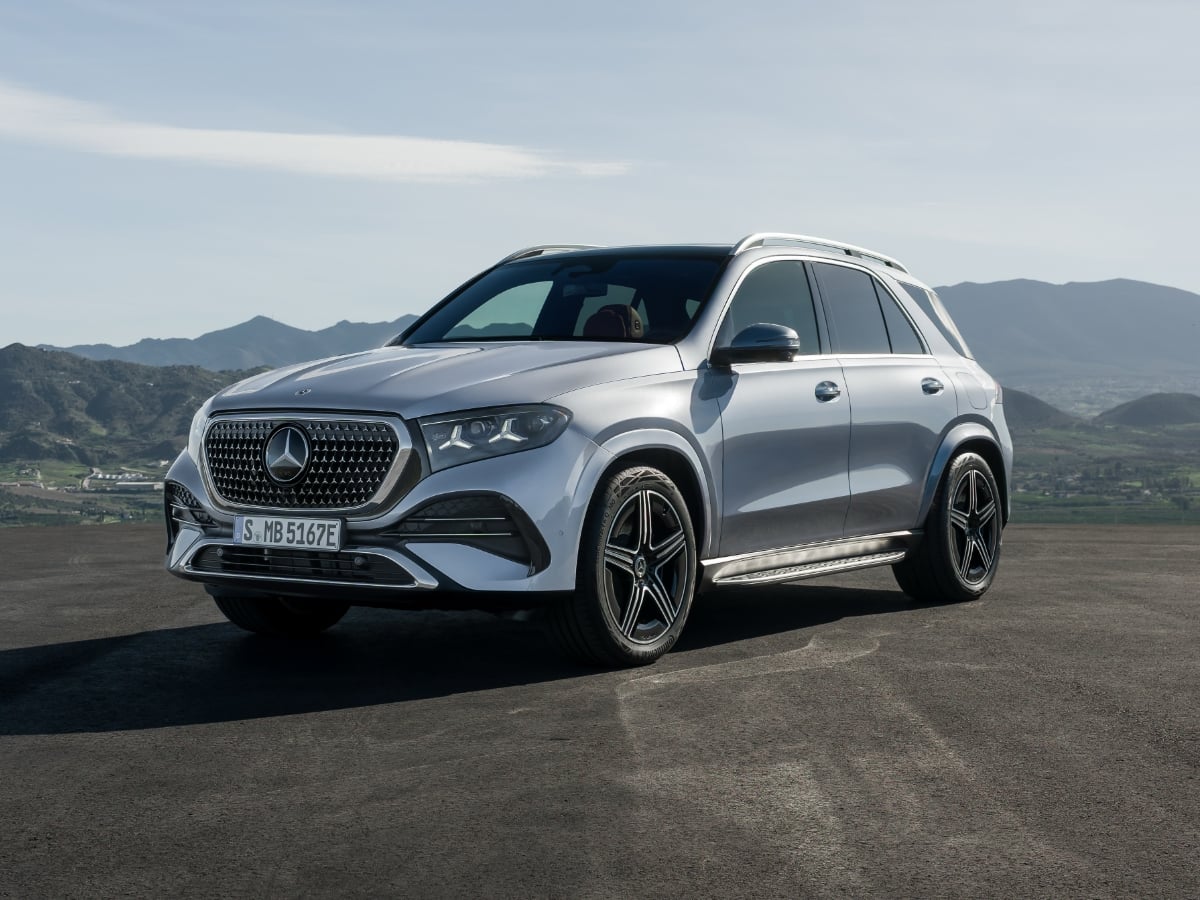
The midsize 2027 Mercedes GLE remains available in original and spicy Coupe recipes, now with standard 4Matic all-wheel drive (AWD), MBUX Superscreen technology, and a panoramic glass sunroof for ...See More
Read the Full Article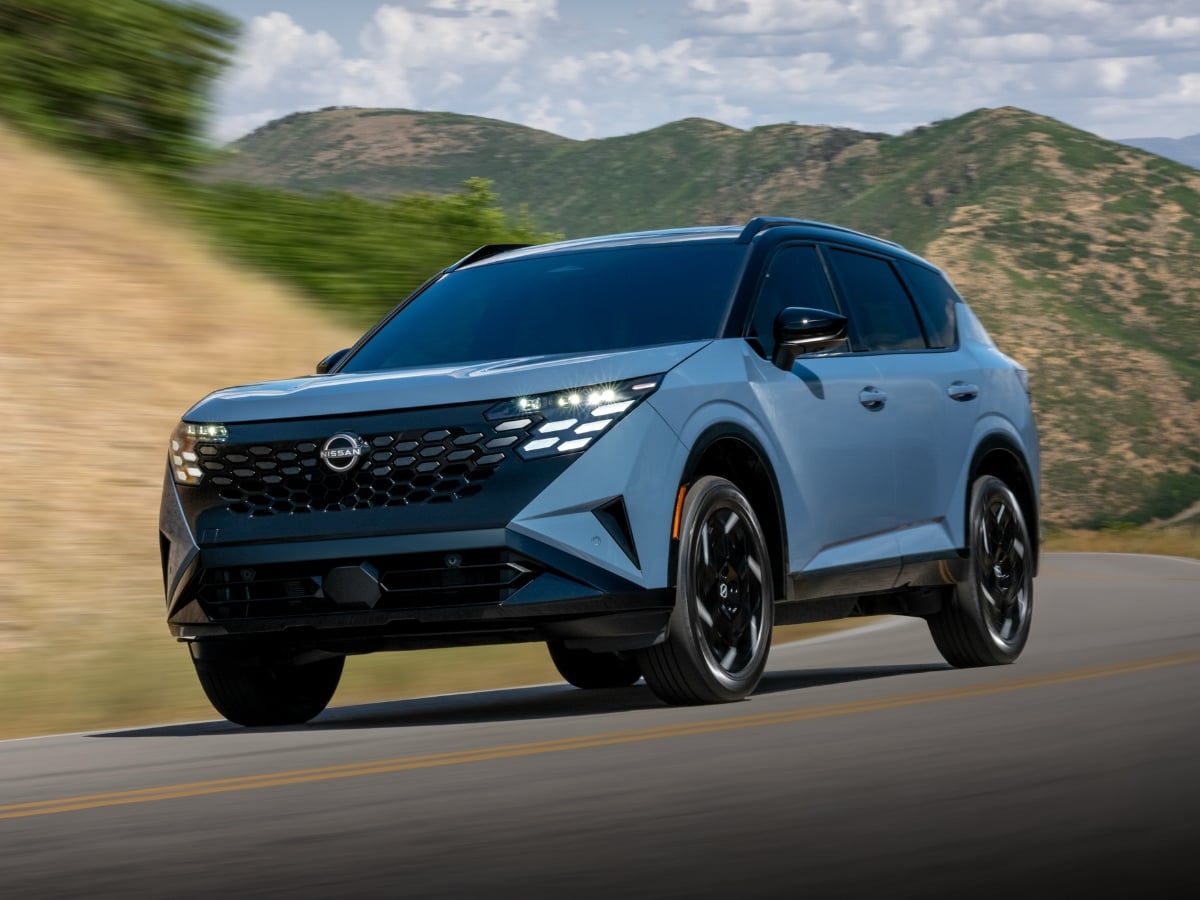
Nissan is about to introduce an innovative new SUV. The 2027 Nissan Rogue Hybrid has a gasoline engine, but it does not power the wheels. Instead, electric motors at each axle provide propulsion, ...See More
Read the Full Article