
Software has been revolutionizing nearly every industry on the planet for decades. That most definitely includes the auto industry, particularly in automotive design and engineering. Still, we are now on the cusp of a software revolution that is completely changing not only how cars are designed but also how they grow and evolve long after they are driven off the dealership lot.
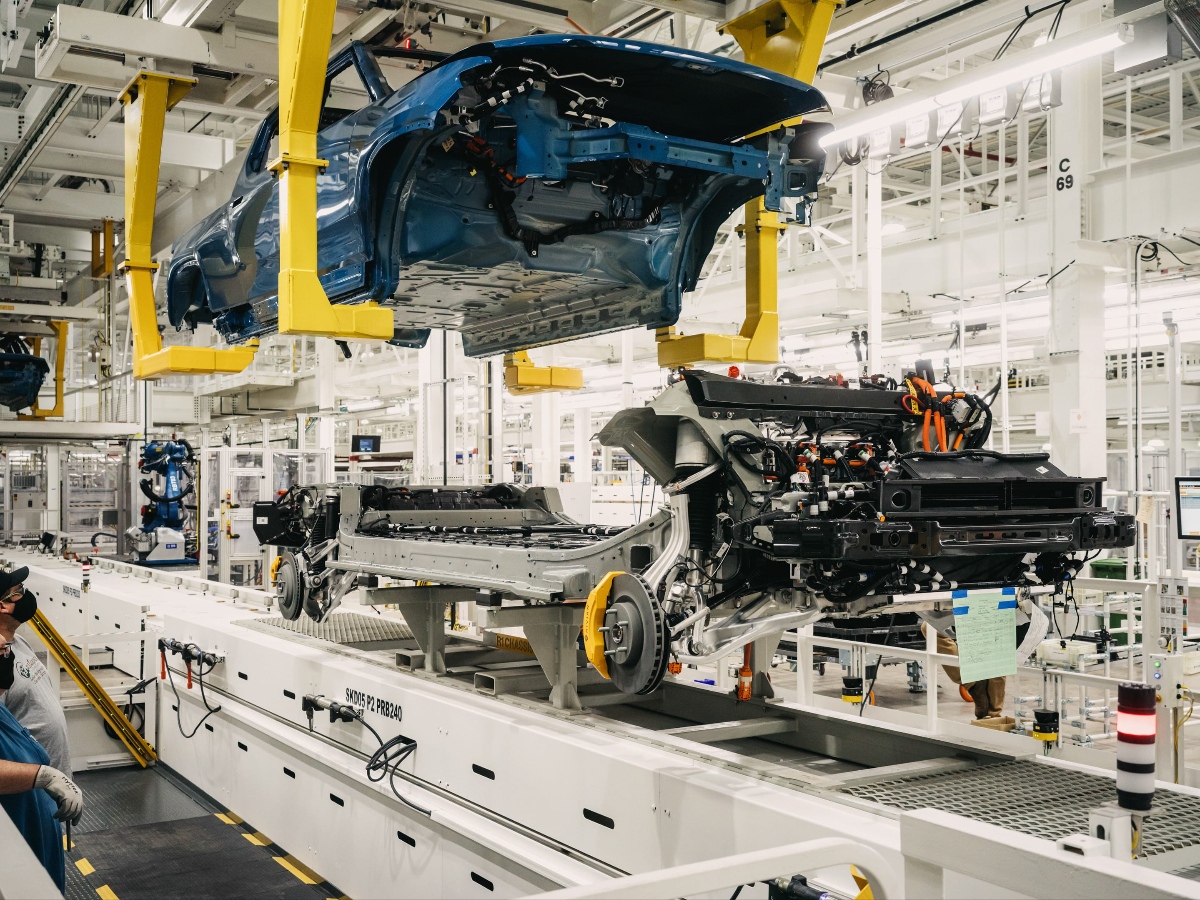
In short, hardware encompasses the computing equipment, the digital chips that power your vehicle's systems, and the various wires and components that connect them. Software is the set of instructions that control those electronic control units, or ECUs. Cars have had some form of on-board software for decades, but the new software-defined vehicle trend is taking it to another level.
More capable and powerful ECUs running more comprehensive software are now taking over tasks previously handled by discrete, specialized components. For example, instead of a hardware relay that turns a turn signal on and off, those lights are now controlled by software that determines when they should turn on and off.
This trend is leading to fewer, more powerful ECUs in cars, vastly simplifying a vehicle's design and creating what is called a zonal architecture. Having these chips handle more duties leads to much simpler designs. For example, when Rivian moved to a zonal architecture for its updated R1S and R1T, it eliminated 1.6 miles of wiring.
Reduced wiring means less weight, which translates into greater range for a given battery size in an electric vehicle or greater fuel efficiency in a car with an internal combustion engine. It also has the potential to reduce manufacturing costs, which is likewise good news regardless of what is moving you.

Moving the features and functions of those once-specialized pieces of hardware into fewer, more powerful ECUs creates opportunities to greatly expand their use. For example, cameras typically used exclusively by a car's active safety system can now also be used for functions such as dashcams or surround view cameras.
Impressively, features like this can be added or changed long after the customer takes delivery of the car. If the logic controlling a car is written in software rather than embedded in hardware, over-the-air updates can radically change what a car does and how it does it. In other words, your new car might keep feeling new even long after you have made your last payment, and it will always offer the latest security updates to keep things safe.
The software-defined vehicle is not just a trend. It is a radical rethinking of how a car can and should be designed. As more and more vehicles are designed to leverage these innovations, expect increasingly impressive features and capabilities in tomorrow's cars. After that, watch those cars keep getting better with age.
Visit the Shopping Guides section of the website to learn more about different automotive technologies.
Tim Stevens is a veteran automotive and technology journalist with over 25 years of experience covering a wide range of topics, from smartphones to supercars. In addition to jdpower.com, his expert perspectives have appeared in numerous national and international outlets, including print, online, and broadcast television.


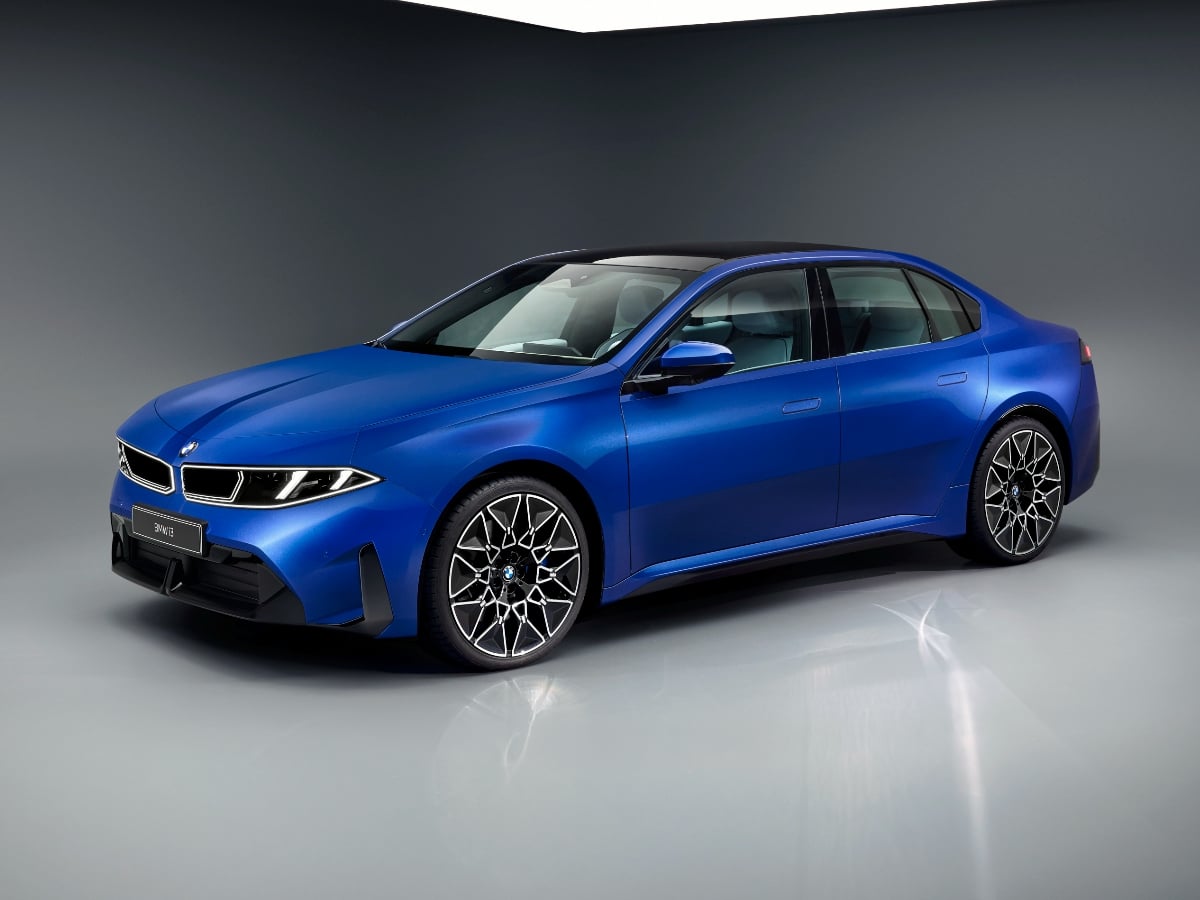
The new 2027 BMW i3 boasts an estimated range of up to 440 miles, 400-kilowatt DC fast charging capability, bidirectional charging to a home or the grid, and next-generation technology.
Read the Full Article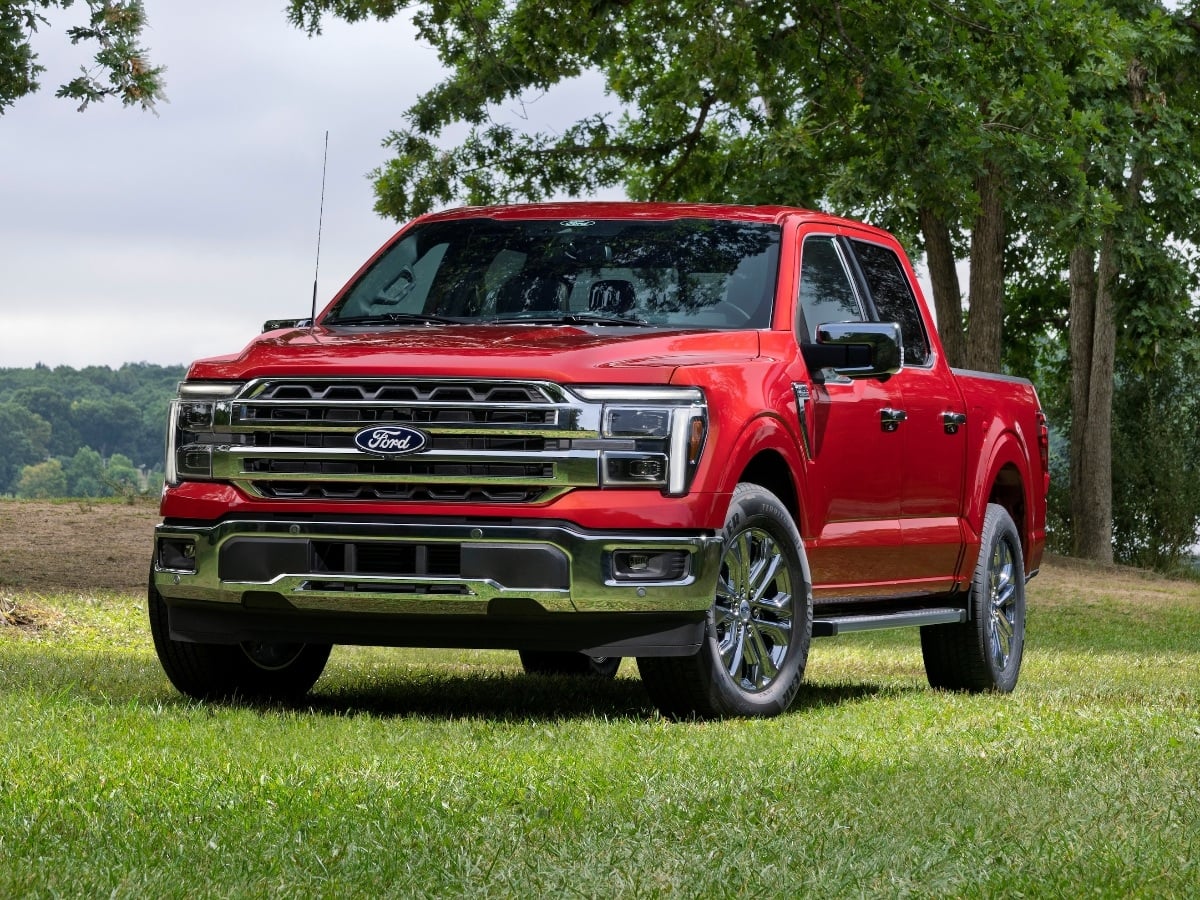
Facing renewed competition in the full-size, light duty pickup truck segment, the 2027 Ford F-150 receives subtle styling updates, a new standard engine, broader availability of its 5.0-liter V8, and ...See More
Read the Full Article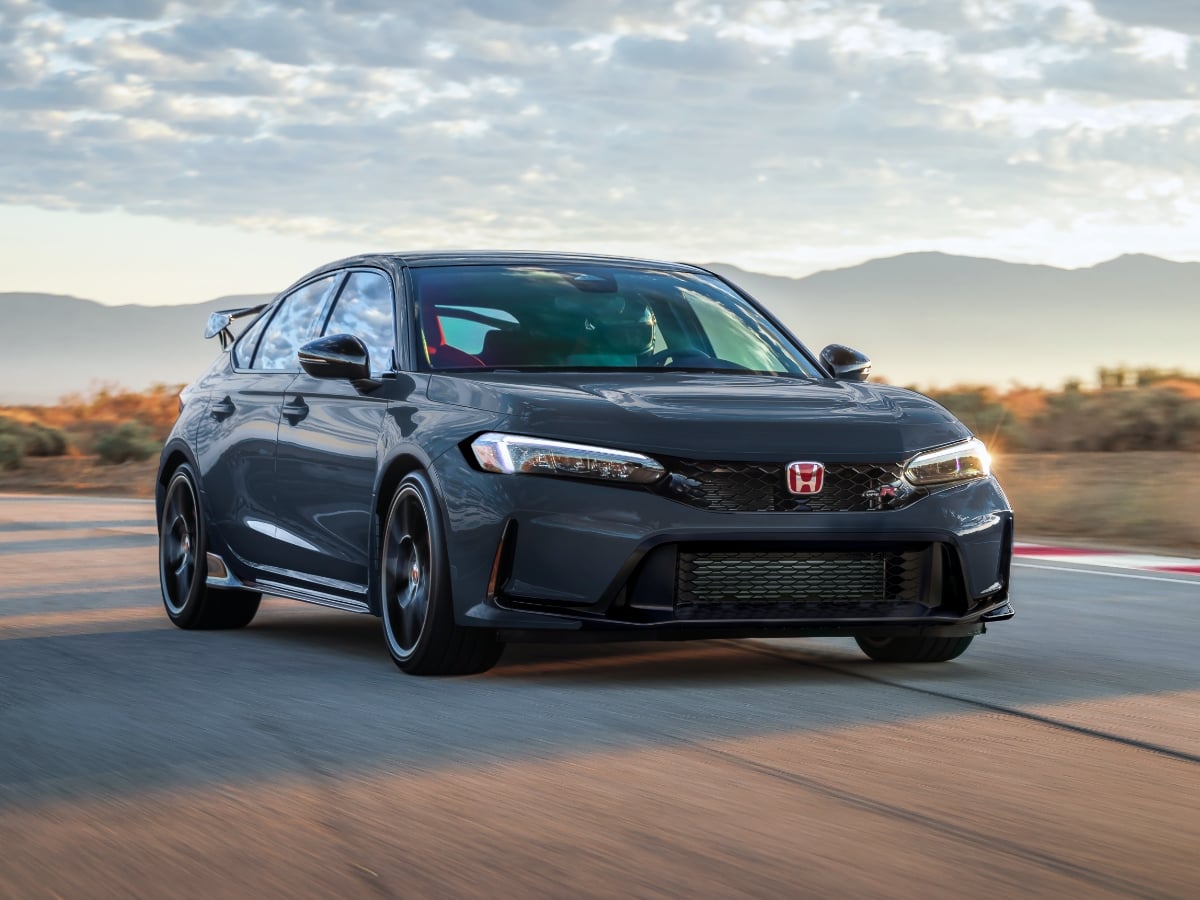
The 2027 Civic Type R goes on sale in October 2026, and it starts at $49,990, including the $1,295 destination charge.
Read the Full Article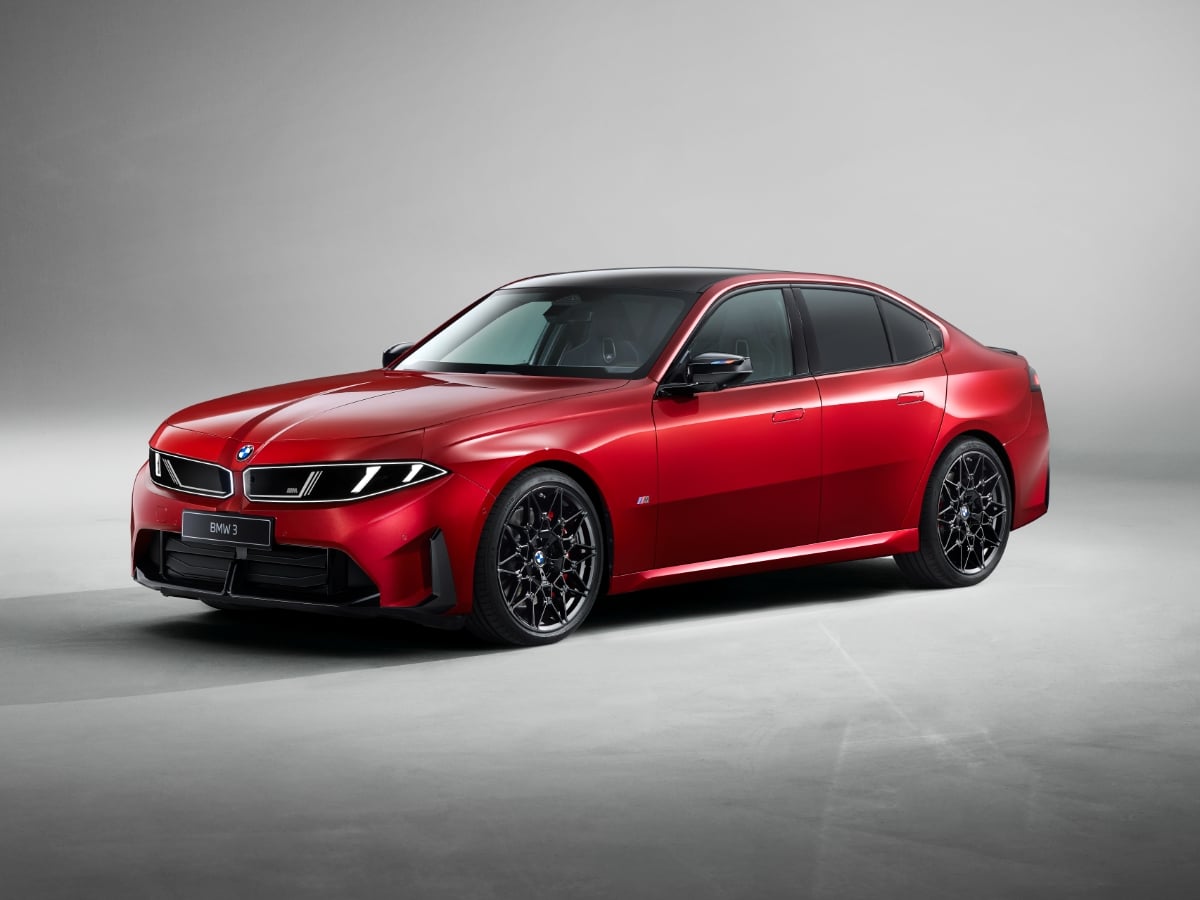
Part of BMW’s Neue Klasse (new class) rollout of redesigned models, the 2027 BMW 3 Series is all-new and goes on sale in the first quarter of 2027.
Read the Full Article