
As the U.S. auto industry continues its post-pandemic recovery, it's still experiencing some side effects, mainly related to new-vehicle dependability. Among the major pain points are glitchy infotainment technology, annoying driver-assistance system alerts, and a disproportionate number of problems experienced by owners of electric vehicles (EVs).
According to the JD Power 2024 Vehicle Dependability Study (VDS), which measures problems experienced by original owners during the third year of ownership, vehicle owners are experiencing lower levels of vehicle dependability. Indeed, owners experienced 190 problems per 100 vehicles (PP100) in the 2024 study—an increase of 4 PP100 from 2023. Further, nearly two-thirds of brands measured in the study experienced a dip in long-term quality compared to last year.

JD Power's research shows a strong correlation between initial quality and long-term dependability. Typically, the models that perform well in the company's Initial Quality Study (IQS), which looks at problems experienced during the first 90 days of ownership, carry over that success in the VDS.
However, according to the 2024 VDS, the rate at which problems have increased between 90 days and three years of ownership has risen to 17 percent—up 5 percentage points from 12 percent in 2023.
"Historically, VDS model results mirror the results of the respective model year in the JD Power Initial Quality Study, so a deterioration of vehicle dependability is unusual," said Frank Hanley, senior director of auto benchmarking at JD Power. "This can likely be attributed to the tumultuous time during which these vehicles were built, and owners are keeping their vehicles for much longer…which underscores the importance of building a vehicle designed to stand the test of time."
Among the nine major vehicle categories measured in the 2024 VDS, owners experience the most problems with their infotainment systems. At 49.1 PP100, owners experience nearly twice as many problems with their infotainment systems as the next-highest category, Exterior.
According to consumers, the major pain points with infotainment systems are Android Auto and Apple CarPlay connectivity (6.3 PP100) and problems with the built-in voice-recognition system (6.1 PP100).
As automakers continue rolling out new advanced driver assistance systems (ADAS), presumably to make drivers' lives easier, many owners are having difficulty adjusting to the technology. One primary source of their discontent is the associated warnings accompanying these various technologies. Indeed, the number of problems related to ADAS alerts has increased between the IQS ownership period (90 days) and the 2024 VDS (third year).
"Many would think that after three years, owners would become used to the alerts on their vehicle," Hanley said. "However, that is not the case. Increased problem levels are experienced across multiple driver-assistance features including, but not limited to, lane-departure warning/lane-keeping assistance and forward-collision warning/automatic emergency braking."
Undoubtedly, the global auto industry is shifting toward electrification. But as the Vehicle Dependability Study has shown over the years, cutting-edge technology brings new challenges related to long-term vehicle quality. Perhaps not surprisingly, the results of the 2024 VDS bear this out.
According to the study, owners of gas-powered and hybrid electric vehicles (HEVs) experience fewer problems than battery electric vehicles (BEVs) and plug-in hybrids (PHEVs). While BEV and PHEV owners experience 256 PP100 and 216 PP100, respectively, HEV (191 PP100) and gasoline vehicle (187 PP100) owners fare significantly better.
Interestingly, BEV owners had to replace their tires during the third year of ownership at nearly twice the rate of gas-powered vehicles—39 percent to 20 percent. That may be attributable to EVs being heavier than their gas-powered counterparts.
According to the 2024 VDS, the following mass-market brands provide the best dependability after three years of ownership:
Top-ranked premium brands include:
The most dependable cars include:
These are the best mass-market SUV, minivan, and truck models in each category for dependability:
These are the best premium SUV, minivan, and truck models in each category for dependability:
As consumers demand more technology in their new vehicles and EVs continue to proliferate, the march toward high-tech electrified cars, trucks, and SUVs is proving to be a double-edged sword, significantly impacting long-term vehicle quality.
To learn more about the most dependable models from the 2024 VDS, you can also read expert reviews and view ratings for each.
Jeff Youngs has over 25 years of experience in the auto industry, including 19 years with JD Power in marketing and editorial management roles. He also spent nearly six years as a media relations pro with General Motors. As a freelance automotive journalist, his work has appeared on JDPower.com, CarGurus, Kelley Blue Book, Autotrader, Autolist, and iSeeCars.


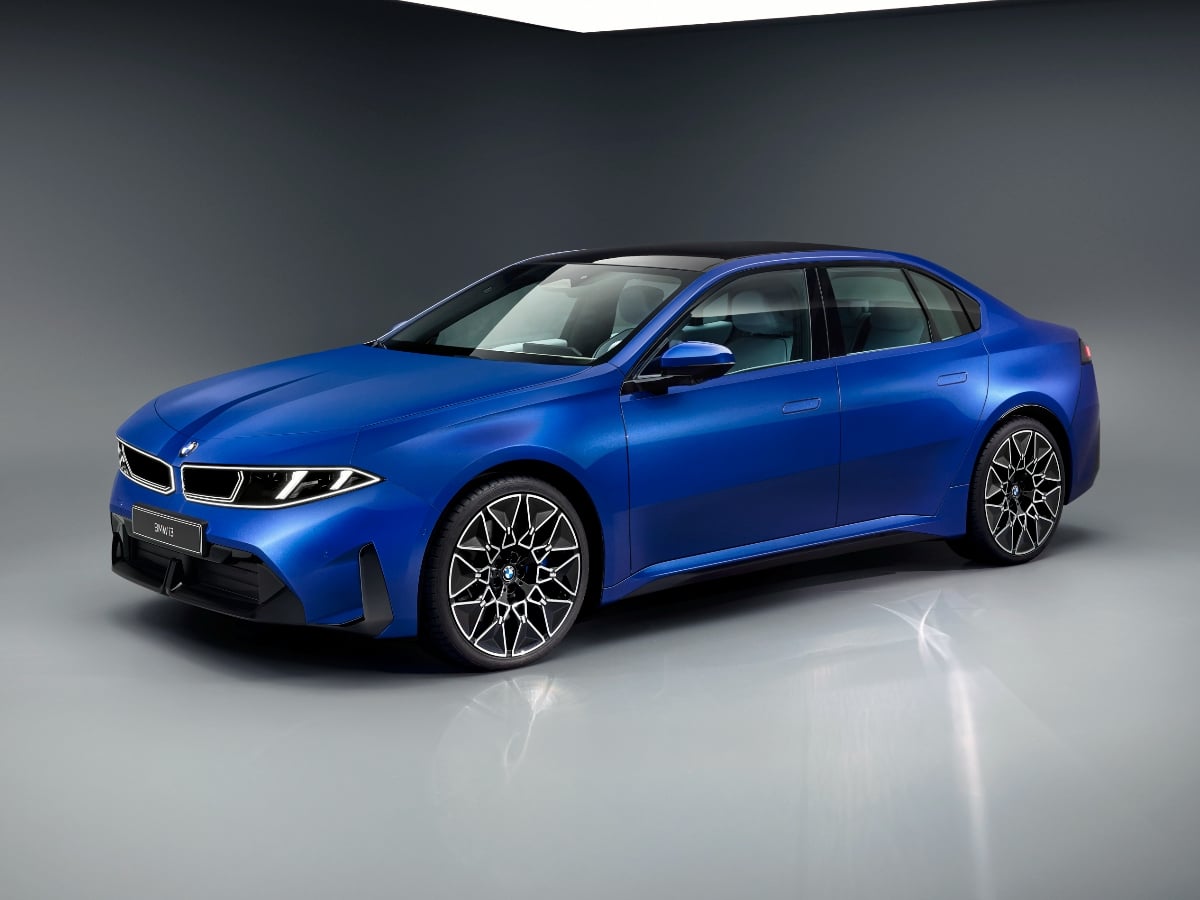
The new 2027 BMW i3 boasts an estimated range of up to 440 miles, 400-kilowatt DC fast charging capability, bidirectional charging to a home or the grid, and next-generation technology.
Read the Full Article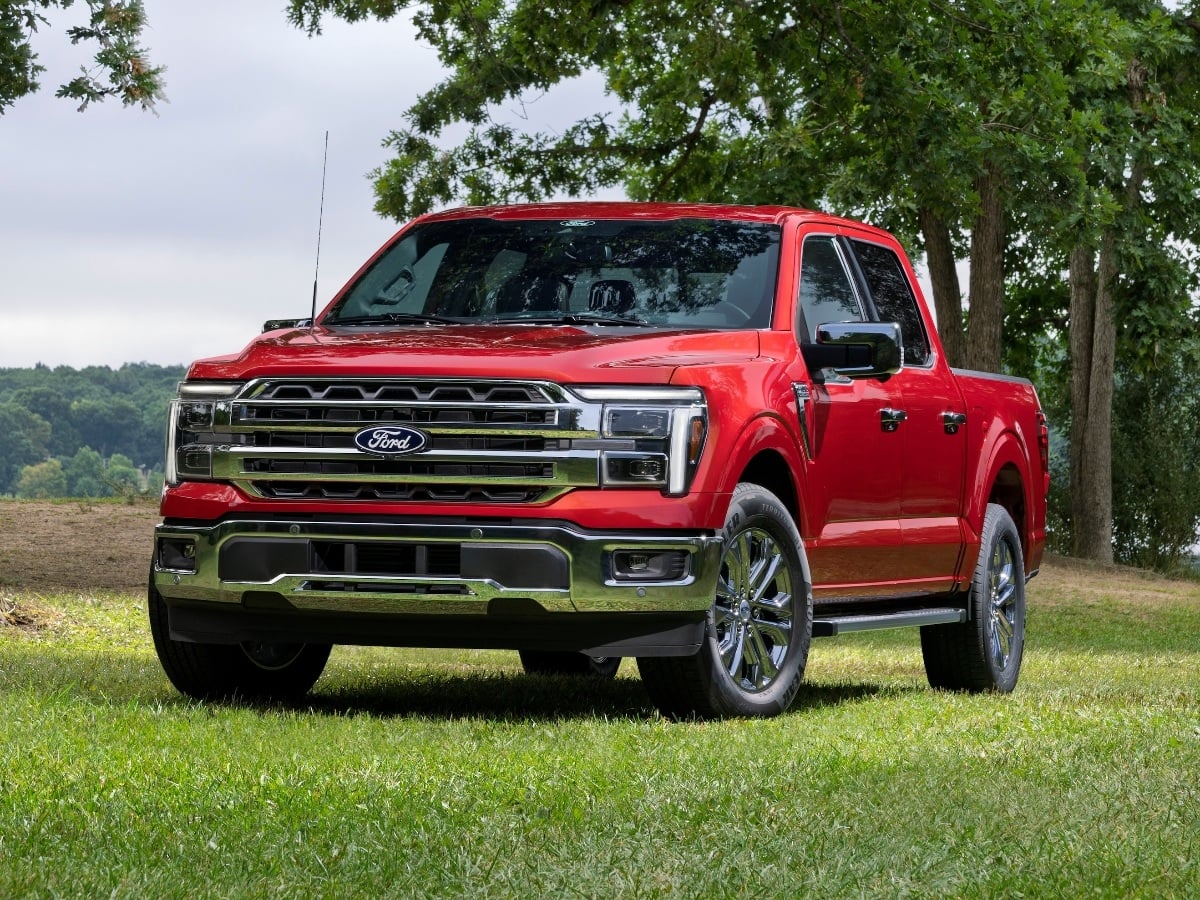
Facing renewed competition in the full-size, light duty pickup truck segment, the 2027 Ford F-150 receives subtle styling updates, a new standard engine, broader availability of its 5.0-liter V8, and ...See More
Read the Full Article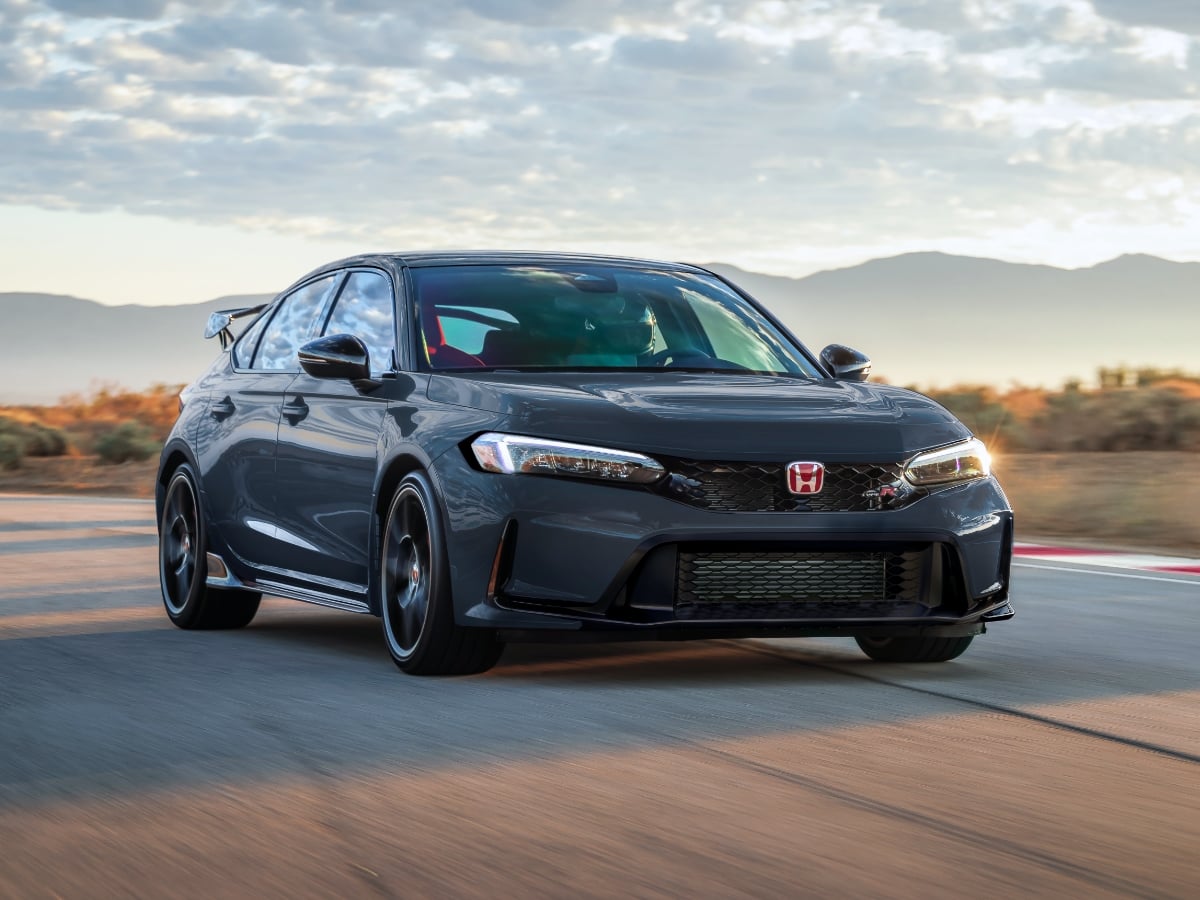
The 2027 Civic Type R goes on sale in October 2026, and it starts at $49,990, including the $1,295 destination charge.
Read the Full Article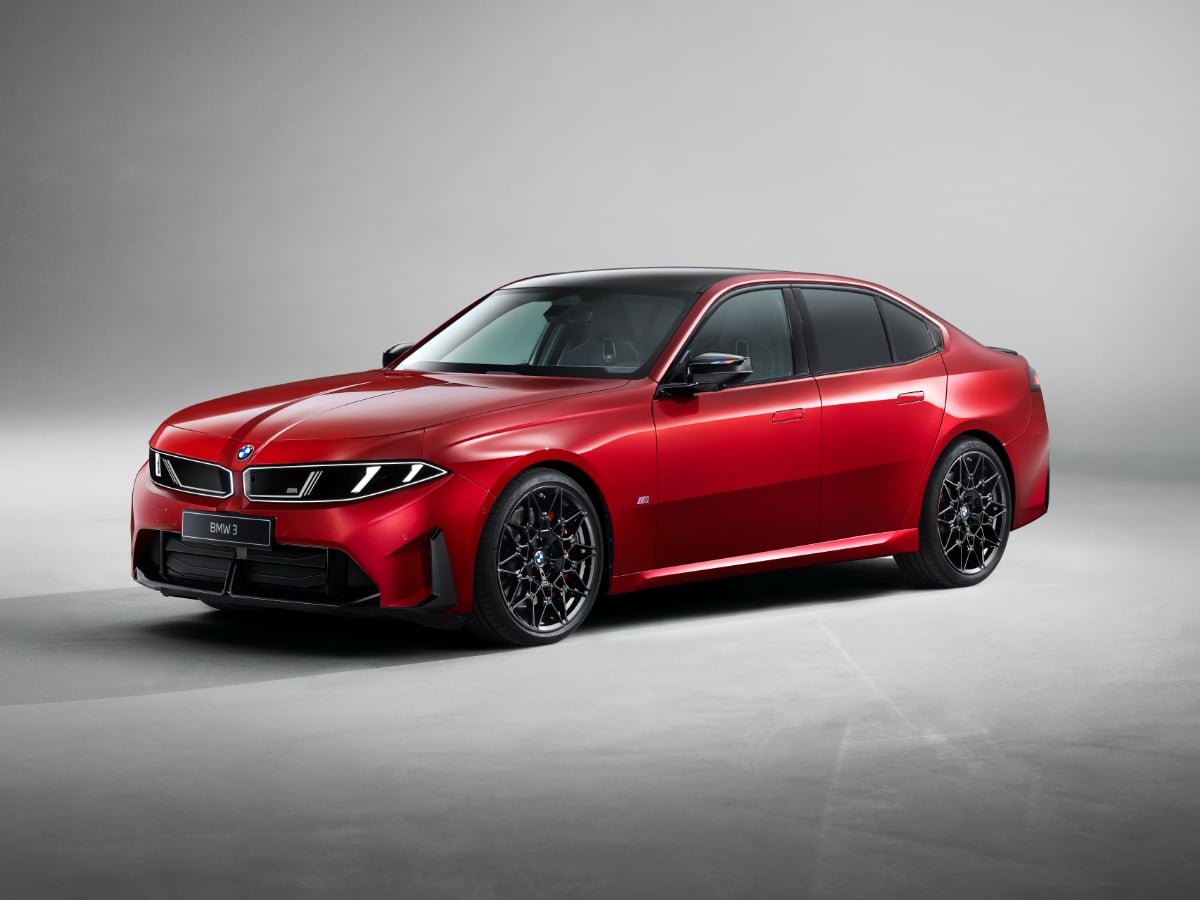
Part of BMW’s Neue Klasse (new class) rollout of redesigned models, the 2027 BMW 3 Series is all-new and goes on sale in the first quarter of 2027.
Read the Full Article