
Tires are expensive, and paying for multiple sets of tires for a single vehicle only increases your investment. To get the most value out of these tires, proper storage is essential. Just as you might have a wheel alignment or tire balancing to prolong tire life, it’s good to practice the same caution and care with tire storage.

There are several reasons drivers require tire storage. Most notably, many drivers use different sets of tires for the same vehicle. For instance, an owner of a front-wheel drive Toyota Camry who lives in Minnesota may have snow tires on the front wheels from November through March each year. Similarly, a BMW X5 owner may use four all-season tires for the winter and four summer performance tires for the other half of the year. Whether changing two tires or all four, what happens to tires when they are not in use?
Tires are a sensitive component of the vehicle that requires more attention than most owners typically provide. Key tire maintenance includes alignments (where wheel angles are adjusted to make perpendicular contact with the ground) and tire rotations (where tires are switched to different wheels to reduce uneven wear and extend the tire’s life).
Before storing your tires, the first step is to wash them, as they will have accumulated dirt, grime, and brake dust, which can be corrosive if left on while the tires are in storage. . To remove these contaminants, use warm soapy water to scrub the tires and then rinse with water. After the tires have dried, inspect them to confirm they are clean. Repeat the process as needed.
Once clean and dry, the next step is to seal each tire in an airtight bag, such as a lawn or leaf bag. To reduce the possibility of tire compounds drying out, remove as much air and moisture as possible from the bag. A vacuum and tape are useful in completing this step.
There are many dos and don’ts about where to store your tires. You will want to protect your tires from as many elements as possible. Thus, do not store tires outside where they experience temperature fluctuations, direct sunlight, and moisture. Ideally, tires should be stored in a cool and dry environment which reduces tire degradation.
Your first inclination may be to store your tires in the garage. However, non-climate-controlled garages experience a range of temperature shifts that can age the tire faster. Sheds, attics, and other places with temperature swings and humidity are also not ideal for tire preservation. In addition to improper places for tire storage, other items compromise tire health as well, so you should also keep tires away from sump pumps, furnaces, and radiators.
Another alternative is to explore offsite climate-controlled tire storage options. Fortunately, many tire companies offer seasonal tire storage. For example, Belle Tire offers this service starting at $110. This is ideal for those in apartments or smaller properties that do not have the space. In addition to the convenience of not having to identify the proper storage location at your house, you also reduce user error by having an expert handle tire storage for you.
Regardless of where you store your tires, they should be individually wrapped and placed on a clean piece of wood to avoid contact with other elements. When stacking multiple tires, use a sheet of wood between each tire as well.
The general recommendation is to store unmounted tires vertically in a row rather than stacking them. When storing tires vertically, rotate them once a month to even out weight distribution. If the tires are mounted to wheels, you can hang the tires using hooks through the wheel rims. Alternatively, you can stack tires mounted to wheels with the sidewall facing down so the wheel does not put pressure on the tire.
Unmounted tires can be stored on tire racks, preferably in individual bags. If you are unable to bag the tires and there are white walls or white script, stack the tires “black to black” and “white to white” to avoid staining. To prevent tire sag, do not hang unmounted tires on tire hooks.
Proper tire storage is vital to extending the life of your tires. Remember to store the tires in a cool and dry environment. If you do not have a space that fits tire storage requirements, consider a professional storage option.
Matt Yantakosol is a lifelong automotive enthusiast and former consultant focused on the consumer aspect of the industry. He has traveled to New York, Detroit, Chicago, L.A., Paris, Geneva, Frankfurt, and Tokyo Auto Shows to track and observe the newest industry innovations. In addition to JDPower.com, Matt's writing has appeared on Pcarmarket.com.



The new 2027 BMW i3 boasts an estimated range of up to 440 miles, 400-kilowatt DC fast charging capability, bidirectional charging to a home or the grid, and next-generation technology.
Read the Full Article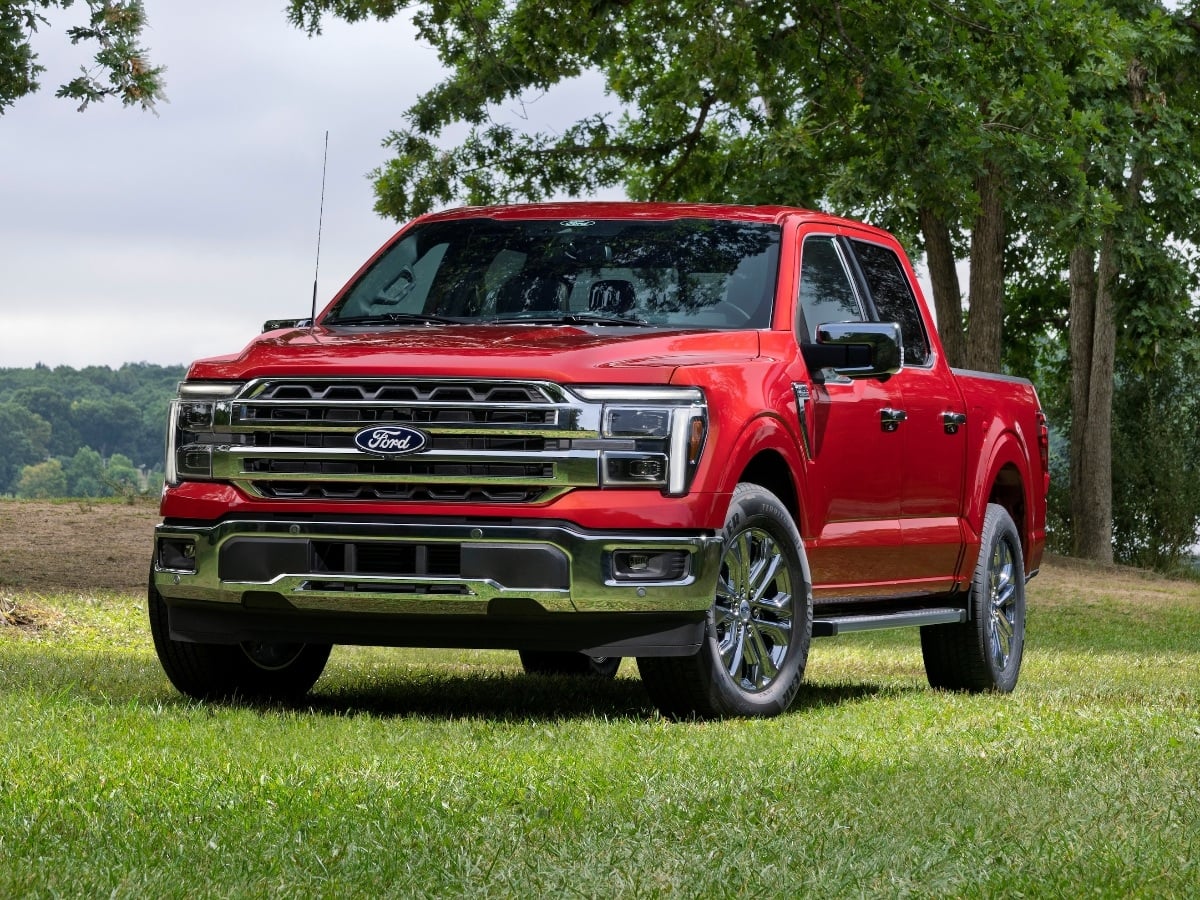
Facing renewed competition in the full-size, light duty pickup truck segment, the 2027 Ford F-150 receives subtle styling updates, a new standard engine, broader availability of its 5.0-liter V8, and ...See More
Read the Full Article
The 2027 Civic Type R goes on sale in October 2026, and it starts at $49,990, including the $1,295 destination charge.
Read the Full Article
Part of BMW’s Neue Klasse (new class) rollout of redesigned models, the 2027 BMW 3 Series is all-new and goes on sale in the first quarter of 2027.
Read the Full Article