
Tires are fundamental to your vehicle’s safety, comfort, and handling. Like cars, there are many tire options available at different price points. This article covers the importance of tire replacement, the types of tires available, and tire replacement costs.

Not replacing tires at the right time poses a significant safety risk. As tires become more worn, they lose their tread depths which impairs handling and braking capability making a collision more likely. Thus, it is crucial to replace your tires before they reach the point that they fail a safety inspection.
Having a tire replacement plan in place is not only important to safety but also to your budget. Drivers should consult their owner’s manual and dealer to understand which tires make the most sense for both their vehicle and their driving behavior. By conducting research early, drivers have the benefit of keeping an eye on rebates and discounts so they can acquire the right tires at the right price.
Numerous factors impact the tire’s life expectancy including climate, uneven wear, low tread, visible cracks, vibrations, potholes, gravel, tire brand, and tire model. Most tires should last for 6 years or 50,000 miles. However, please see the tire’s treadwear warranty to understand the expected duration for a specific tire.
The cost to replace a tire will depend on several conditions. There are a few general types of tires you may be considering purchasing depending on climate and driving behavior.
All-season tires are the most versatile option as they won’t require transitioning twice a year or the inconvenience of storing when not in use. They use a rubber composition and a tread pattern that exhibit aspects of both winter and summer tires. This enables all-season tires to perform well in dry conditions or rain and snow. Given their versatility, all-season tires are a popular choice.
Here are some examples of all-season tires and their prices:
Exhibiting a more complex tread pattern, winter tires are designed for sub-40 degree Fahrenheit temperatures for improved traction in ice, snow, and slush. This design grants winter tires shorter stopping distances in snow compared to the other tire types. Since winter tires use a softer rubber compound than others, they deteriorate faster in higher temperatures.
Here are some examples of best-selling winter tires:
Summer tires are designed for warmer climates and feature shallower tread depth to improve driving dynamics over other tire types. The stickier rubber compounds of summer tires also enable superior handling and braking in both wet and dry conditions. However, cooler temperatures can cause summer tires to harden which reduces traction.
Since summer tires are typically skewed toward performance, they have a wider price range than the other categories.
Tire installation is broken down into a few separate costs. To use Walmart as an example, the per tire costs include $11 for mounting, $15 for tire balancing, and $10 for road-hazard warranty. Thus for 4 tires, the price would be around $100 for installation alone. The price is similar for Goodyear Tire & Service Network locations.
Tires vary significantly in price, even for the same brand and model as sizing requirements and type of vehicle can considerably impact the final cost.
It’s possible to find options at $100 per tire. However, there are more choices priced around $150 to $200 or more per tire. Thus, when assuming approximately $100 for installation, one can expect to pay at least $500 to $1,000 total for popular all-season tire models. But depending on your needs, you could easily spend $700 on a single tire alone. Also, some more affordable options might not provide the warranty or life expectancy of other tires, making a slightly more expensive choice the better long-term value.
To get the most out of your tire purchase, consult your owner’s manual, research the treadwear warranty, and look for rebates and tire discounts.
Matt Yantakosol is a lifelong automotive enthusiast and former consultant focused on the consumer aspect of the industry. He has traveled to New York, Detroit, Chicago, L.A., Paris, Geneva, Frankfurt, and Tokyo Auto Shows to track and observe the newest industry innovations. In addition to JDPower.com, Matt's writing has appeared on Pcarmarket.com.


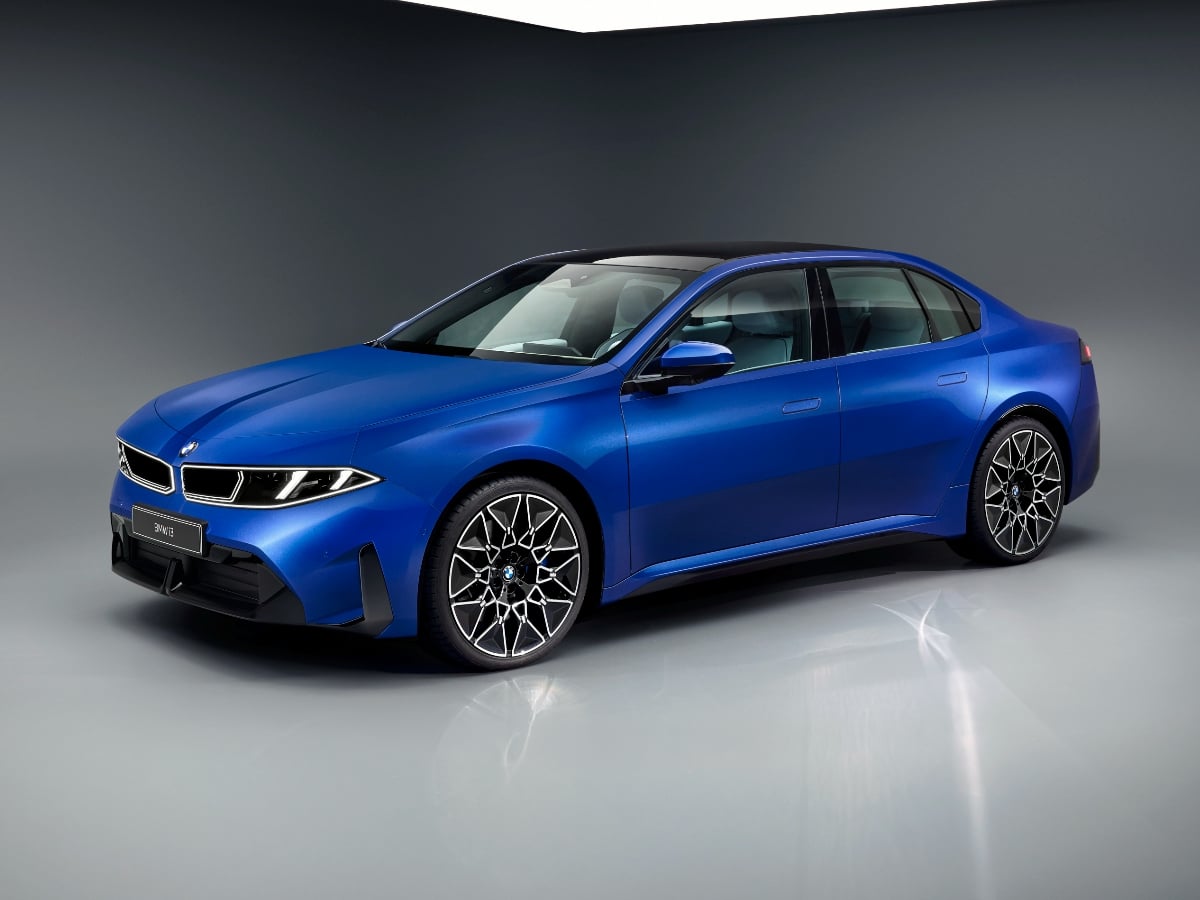
The new 2027 BMW i3 boasts an estimated range of up to 440 miles, 400-kilowatt DC fast charging capability, bidirectional charging to a home or the grid, and next-generation technology.
Read the Full Article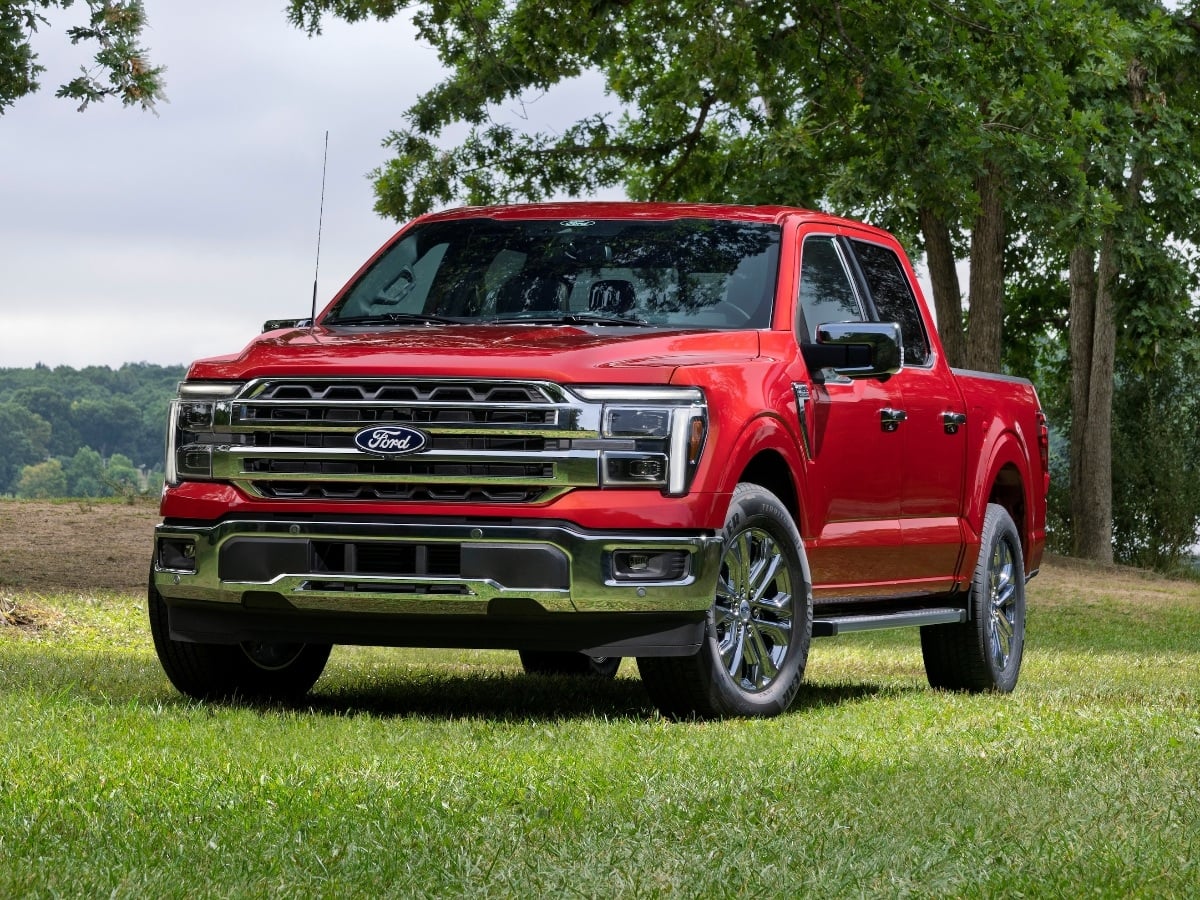
Facing renewed competition in the full-size, light duty pickup truck segment, the 2027 Ford F-150 receives subtle styling updates, a new standard engine, broader availability of its 5.0-liter V8, and ...See More
Read the Full Article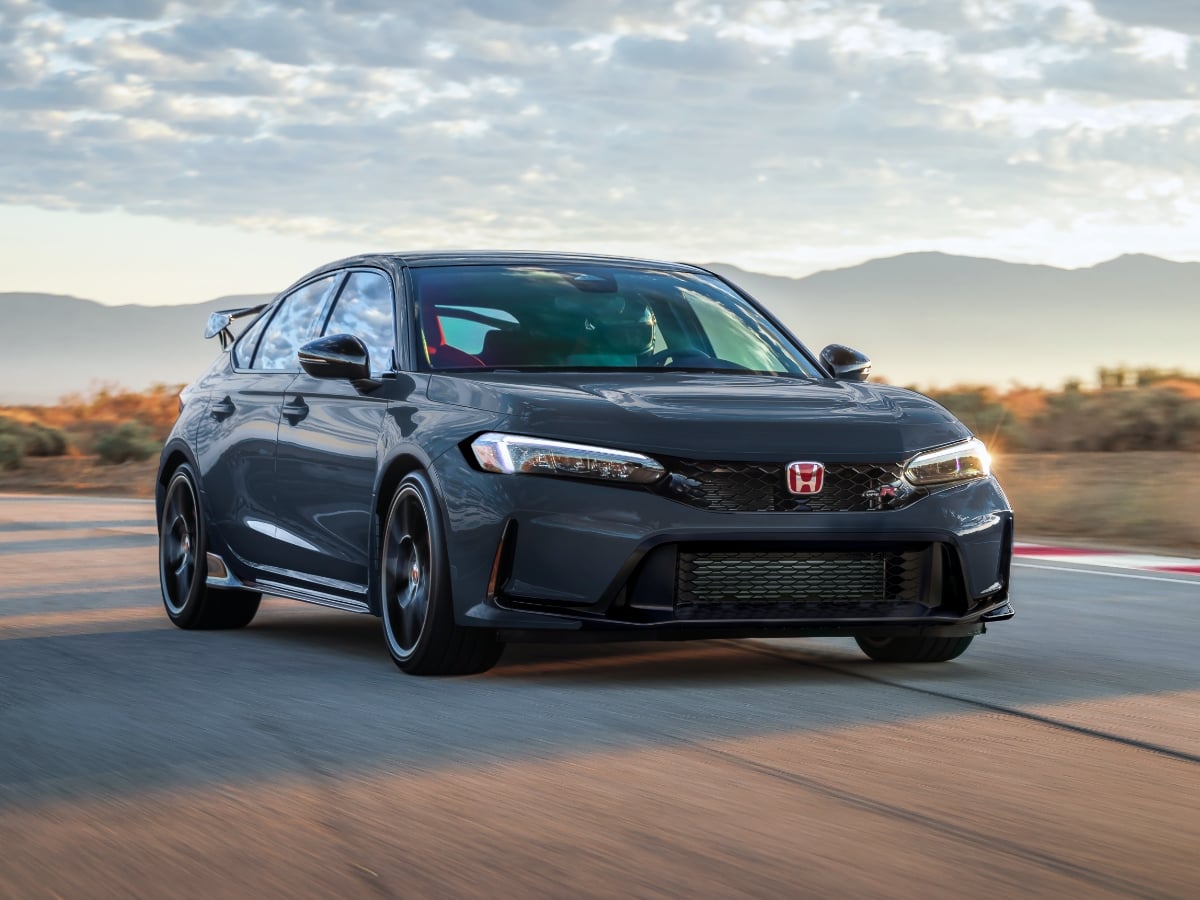
The 2027 Civic Type R goes on sale in October 2026, and it starts at $49,990, including the $1,295 destination charge.
Read the Full Article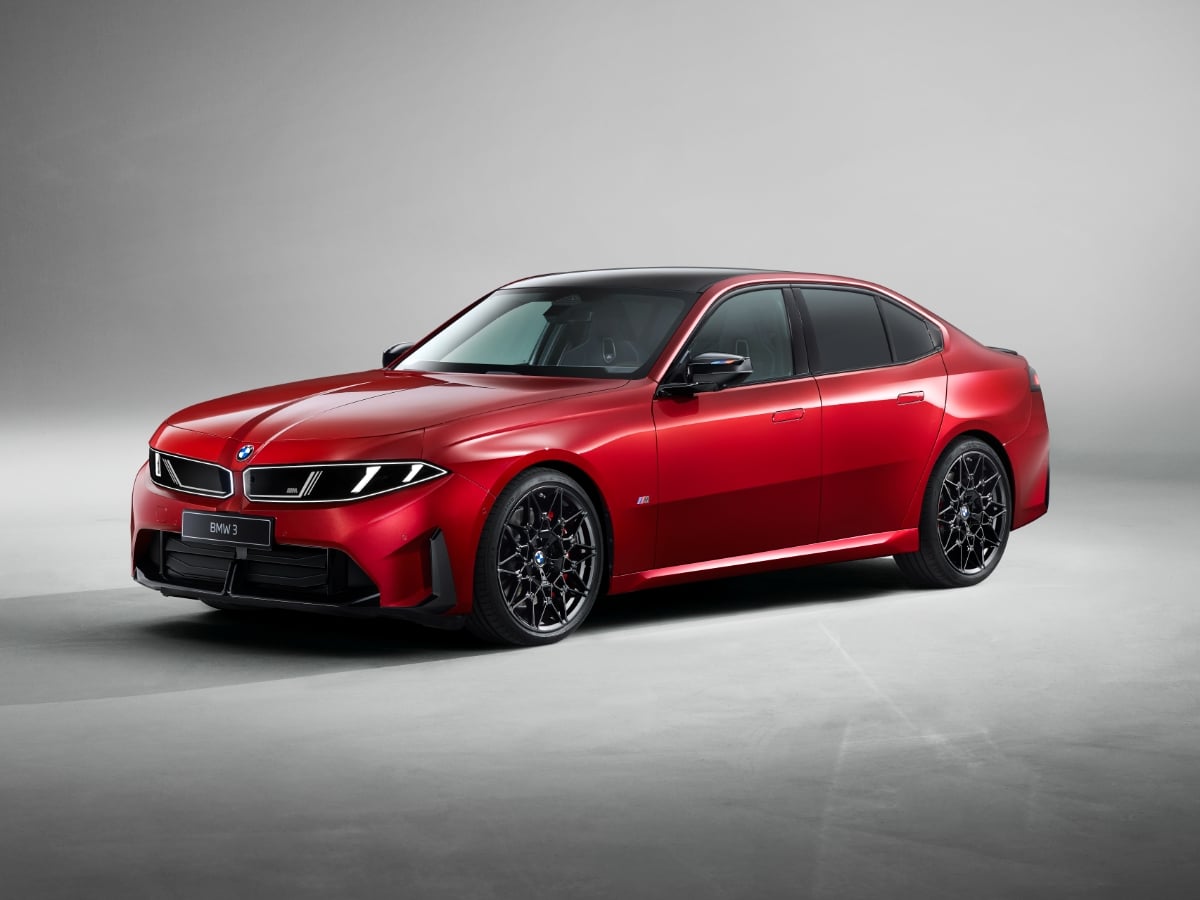
Part of BMW’s Neue Klasse (new class) rollout of redesigned models, the 2027 BMW 3 Series is all-new and goes on sale in the first quarter of 2027.
Read the Full Article