
Since its debut in 1997, the Subaru Forester quickly became a favorite among outdoorsy types looking for a simple, reliable, user-friendly automotive tool that doesn't mind being a workhorse. Today, the value-focused SUV is the third-best-selling Subaru model and sees adventure off-road and on the interstate.
The main formula for Forester's success boils down to a utility-focused mission with plenty of interior space, excellent visibility, and that familiar 2.5-liter horizontally opposed “boxer” four-cylinder engine mated to full-time all-wheel drive (AWD) and better-than-average ground clearance. Most of its crossover SUV competition uses front-wheel drive as standard, with mere part-time AWD optional. As the Forester enters its sixth generation, it also bakes in more technology and refinement than ever.
I tested and photographed the new 2025 Forester Touring on gravel, hard-packed dirt trails, a mixture of snow and mud, and short bursts of paved highway outside Missoula, Montana.
Read our full 2025 Subaru Forester preview for more background and details.
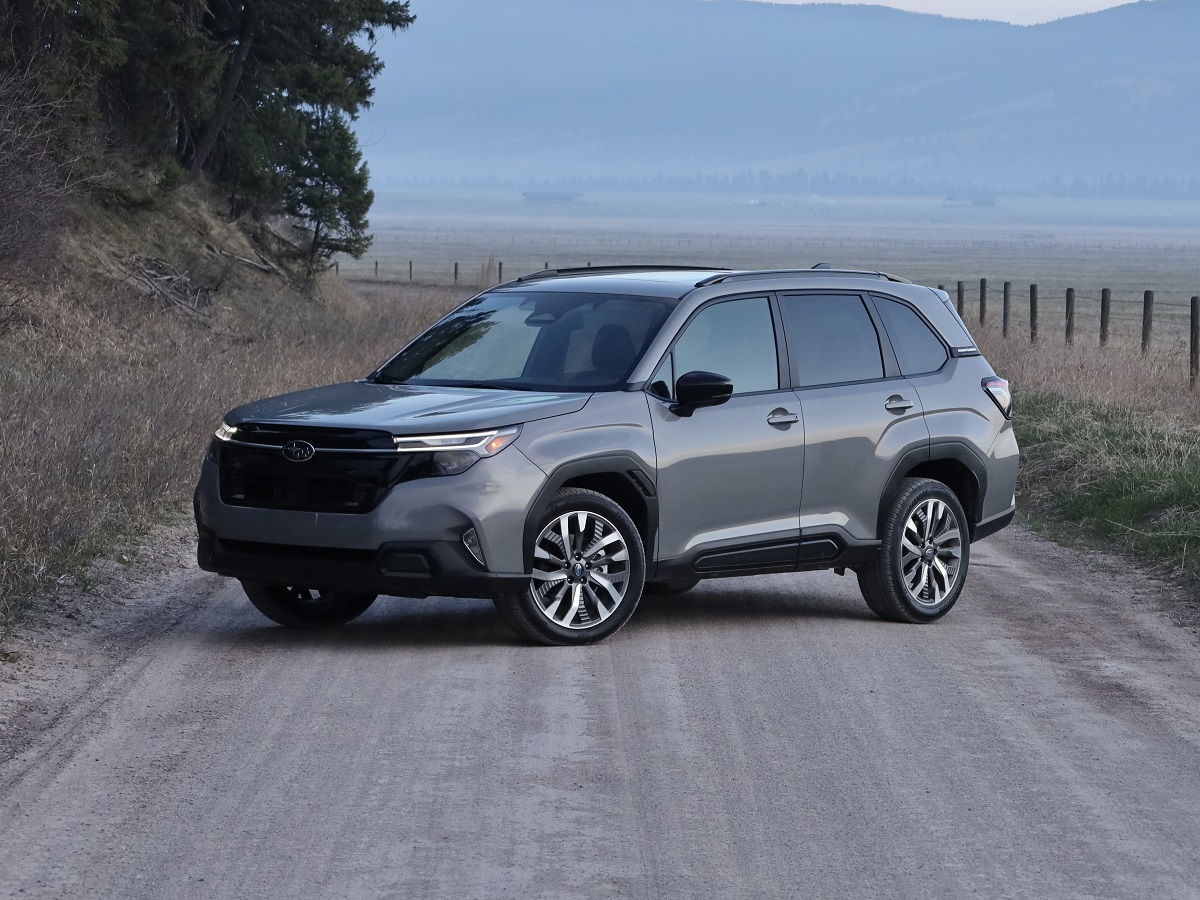
Photo: Jim Resnick
The new 2025 Forester will go on sale in mid-May 2024. Pricing starts at around $31,000, including the $1,395 destination charge. The top Touring trim level tested here will cost just over $41,000, including destination. The other Premium, Sport, and Limited trim levels fall between the base and Touring's features and prices.
Within Subaru's lineup, the new Forester slots in above the smaller Crosstrek in size and price. Other models that play in the compact SUV segment include the Ford Escape, Honda CR-V, Hyundai Tucson, Mazda CX-5, Nissan Rogue, and Toyota RAV4. Subaru builds the 2025 Forester at its Gunma, Japan, factory at the same location as the outgoing Forester.
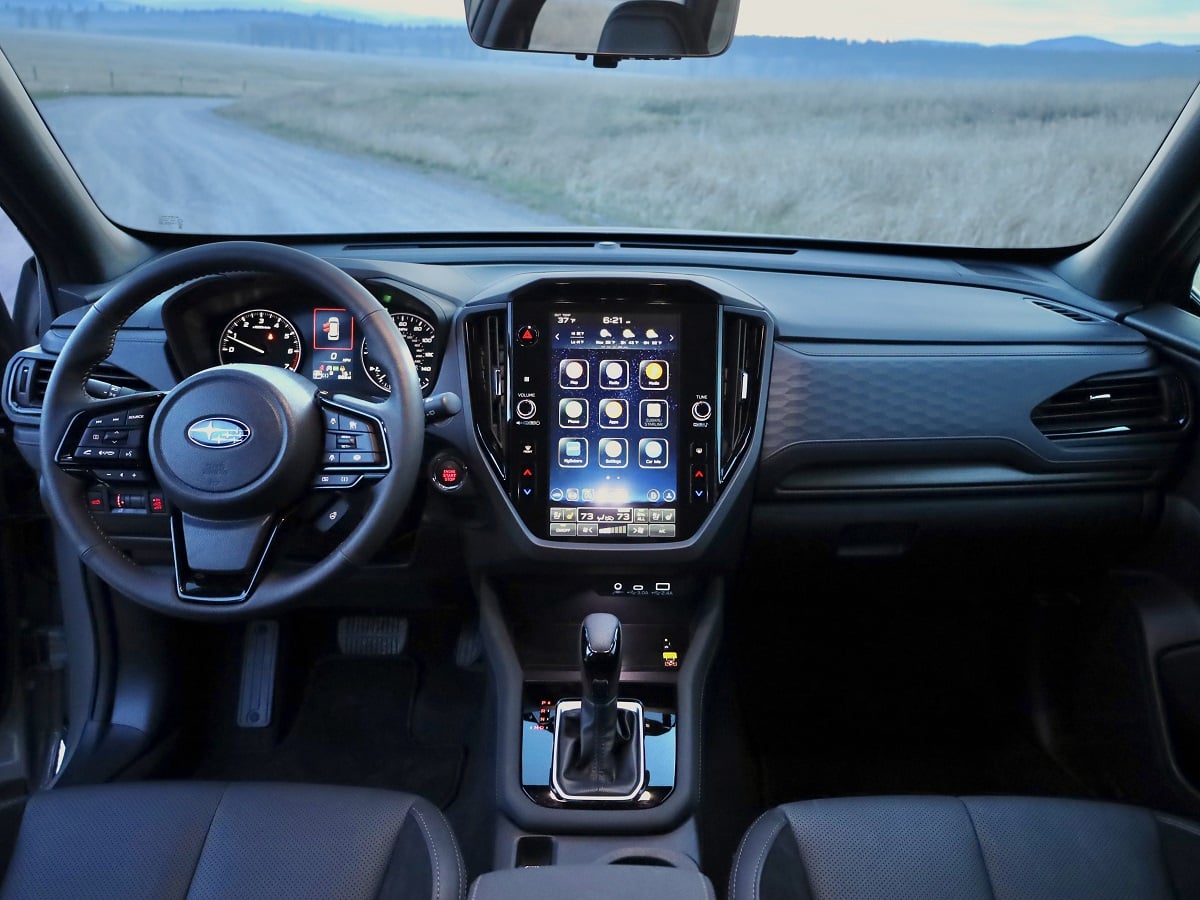
Photo: Jim Resnick
The 2025 Forester stays in the same size and design lane as the 2024 model, though distinctions inside reflect more significant changes.
The front seats themselves and the space around them feel accommodating. Every trim except the base Forester now gets a new 11.6-inch infotainment display, from which you can access most of the adjustments to the climate controls, audio, smartphone integration, navigation (if so equipped), and active safety features.
Storage for odd items up front is adequate but not outstanding. The center bin between the front seats is not especially large, the glove compartment offers enough space for papers and an owner's manual, and the door pockets are average.
More impressive is the rear-seat room. Even with the driver's seat positioned for a 6-foot, one-inch driver, there's plenty of knee room and legroom in the back seat for another passenger of the same height. The rear doors open unusually wide, allowing excellent access when loading bulky items into the back seat.
The cargo area also makes the most of what's available in shape, if not sheer volume. Unlike some sloped-back SUVs, the Forester keeps its upright cargo space so bulky items like big boxes fit easily and don’t prevent the liftgate from closing. This is not verifiable on paper (cargo space behind the rear seats measures 27.5 cubic feet in moonroof-equipped Foresters and 29.6 cubic feet in the base model) but is a meaningful, real-world factor for most to consider.
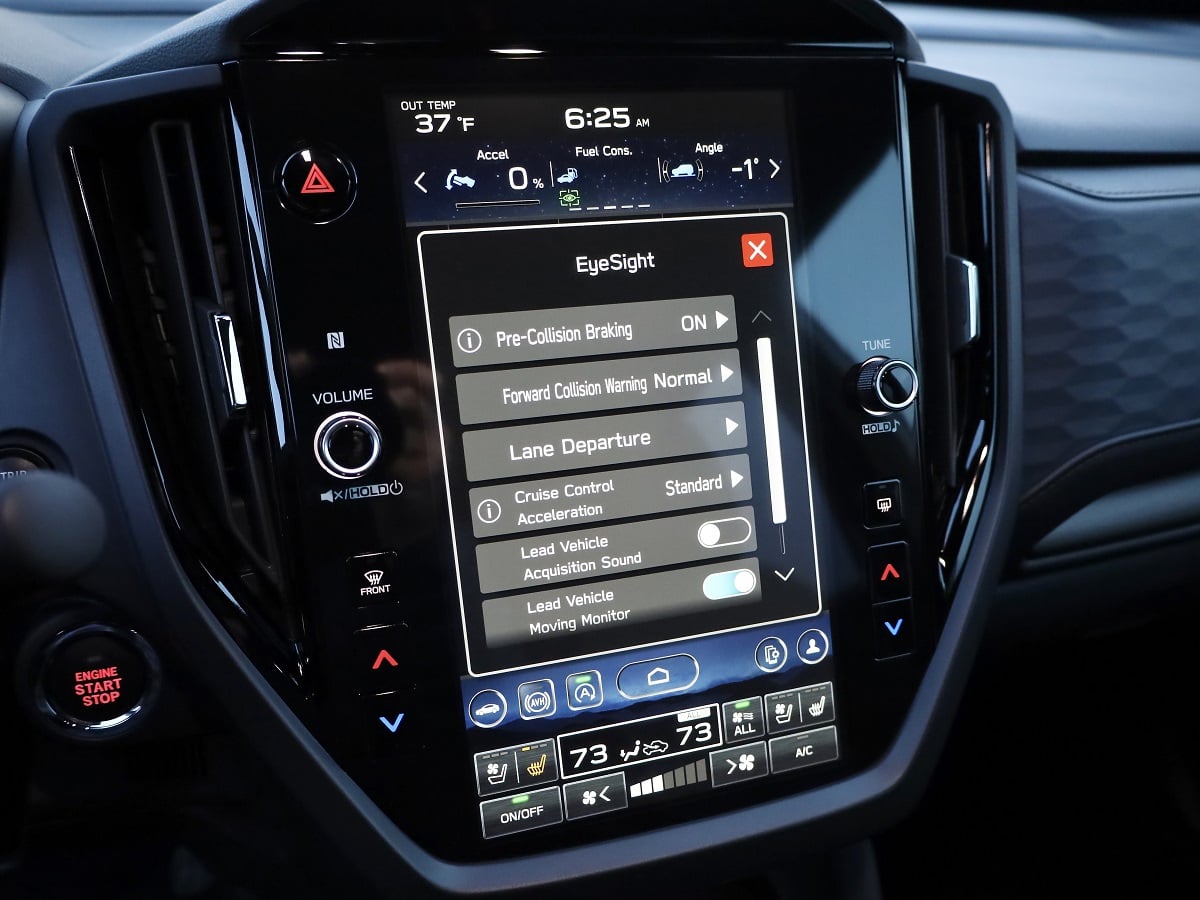
Photo: Jim Resnick
Though base-trim Foresters get by with dual 7-inch displays, all others have an upgraded 11.6-inch infotainment display with Qi wireless Apple CarPlay and Android Auto. The larger screen is certainly big enough and presents lots of helpful information, but its resolution is less crisp than some other brands' systems. This is a minor quibble if you live only with this one system, but if you're in a household with several modern vehicles, it compares only average in clarity.
On the plus side, Subaru retains audio volume and tuning dials. Hard buttons for certain climate adjustments also make tweaking these frequently fiddled items quick and easy.
However, my test Forester Touring proved recalcitrant when pairing with my Apple iPhone. It took three attempts. Reconnecting after that initial success took no time, though. And Apple CarPlay and Android Auto are standard across the board. Navigation, a Wi-Fi hotspot, and wireless phone charging are optional. The test Touring vehicle also had a full-sounding Harman Kardon high-power audio system.
Subaru's voice-recognition system seems slightly behind the better systems now in competitive SUVs. It requires using set phrases to provide results, unlike some more advanced systems today, which interpret natural speech.
Meanwhile, Subaru fits every 2025 Forester with its updated EyeSight suite of advanced driver assistance systems (ADAS) that combines adaptive cruise control, lane-departure warning, lane-keeping assistance, and lane-centering assistance. The lane-centering system worked well, and there was no perceptible wandering in my test Forester Touring. However, this system's resistance to steering override by the driver felt relatively high.
Subaru builds every 2025 Forester with an automatic emergency stop assistance system. With adaptive cruise control engaged, it can discern if the driver is unresponsive. In such a case, the system will turn on the hazard lights, stop the vehicle, and call emergency services.
Foresters with blind-spot warning, rear cross-traffic warning, and lane-keeping assistance will also have automatic emergency steering, which helps avoid collisions with objects in the lane ahead at speeds below 50 mph. My tester also had reverse automatic braking and Subaru's DriverFocus driver monitoring system, which adds to automatic emergency stop assistance by helping ascertain if the driver is drowsy or suffering a severe medical problem.
One downside to the EyeSight package blended with every other ADAS feature built into the test vehicle? With all systems engaged and running, they serenade you with a chorus of beeping. But I'll take beeping over crashing any day.
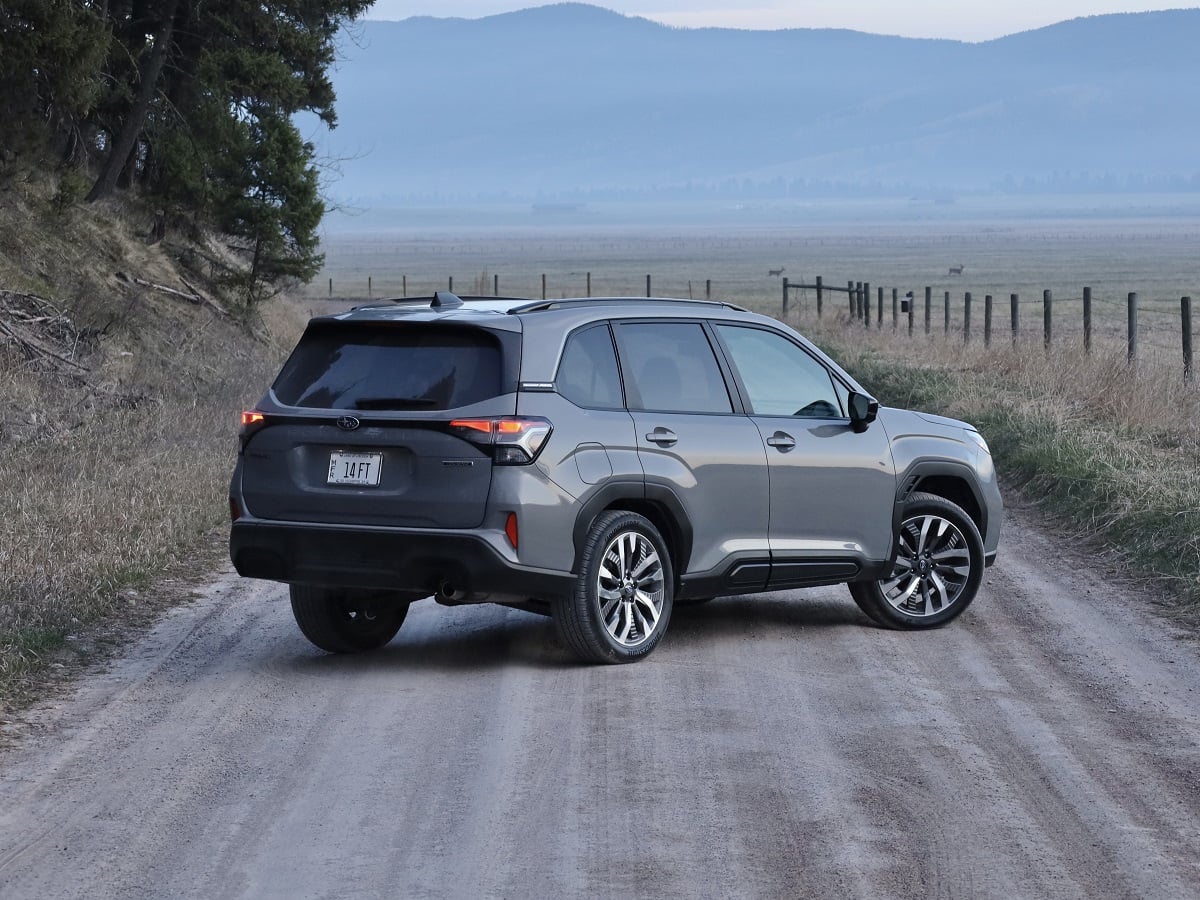
Photo: Jim Resnick
With slight tweaks, the 2025 Forester's 2.5-liter four-cylinder engine produces 180 horsepower and 178 pound-feet of torque, slightly altered from the 2024 model’s 182 hp and 176 pound-feet. The new model has a theoretical advantage because torque now peaks at 3,700 rpm rather than 4,400 rpm. Still, I could not discern a marked difference. I never noted it when off-roading, but the droning continuously variable automatic transmission and modest power make on-road performance merely acceptable.
The silver lining buried in that modest power output? With a large fuel capacity of 16.6 gallons, the Subaru's 29-mpg combined Environmental Protection Agency (EPA) fuel-economy rating equates to an expected 481 miles from a tank. The EPA rates the Touring version I tested slightly lower, at 28 mpg in combined driving. I logged a low average figure of 24.7 mpg during my test drive, but this is due to the off-roading routes in Montana. More normal driving would result in better numbers.
The best part of the 2025 Forester’s powertrain is the traction offered by all-wheel drive. I quickly felt the active torque vectoring working on dirt and gravel. The system applies more power to the outside wheels when driving around a corner. The outside wheels have better traction because of the vehicle's lateral weight transfer. In simple terms, this torque vectoring feels like a secondary steering input as you reach the middle of the corner.
Meanwhile, the suspension creates a comfortable ride, smoothing out rough roads (or a lack of roads). This also means any sporty handling agility on dry pavement is slightly compromised. However, given the Forester's mission, this ride-handling balance is on point. When you combine the ride quality, great visibility, a quiet cabin, and excellent secondary control placement (wipers, lights, side mirror buttons), the Forester feels calm and safe.
Adding to that latter notion, the Forester has traditionally earned high marks in crash tests, being a 17-time Insurance Institute for Highway Safety (IIHS) Top Safety Pick designee. However, as of this writing, the Institute has not crash-tested the 2025 Forester.
The new Forester will interest adventure-minded folks and small families. It's a compelling and affordable proposition with substantial interior space, a quiet and comfortable ride, and it has a hefty list of safety features, support for outdoor activity accessories, and a healthy driving range.
With standard AWD and generous ground clearance, the new Forester also beats much of the competition, such as the Chevrolet Equinox, Ford Bronco Sport, Honda CR-V, Nissan Rogue, and Toyota RAV4. Others might offer more features, higher power, or hybrid drivetrains. But even without those attributes, the outgoing Forester is still the third-best-selling Subaru in the United States.
The new Forester builds on the old one's strengths and adds more talent, making it a strong choice in the abundant compact SUV market.
Jim Resnick has covered transportation and the automotive, technology, engineering, and motorsports fields for decades. His award-winning work appears in numerous American and European media outlets. He also spent 13 years managing product information, media relations, marketing, and strategy with three luxury carmakers.


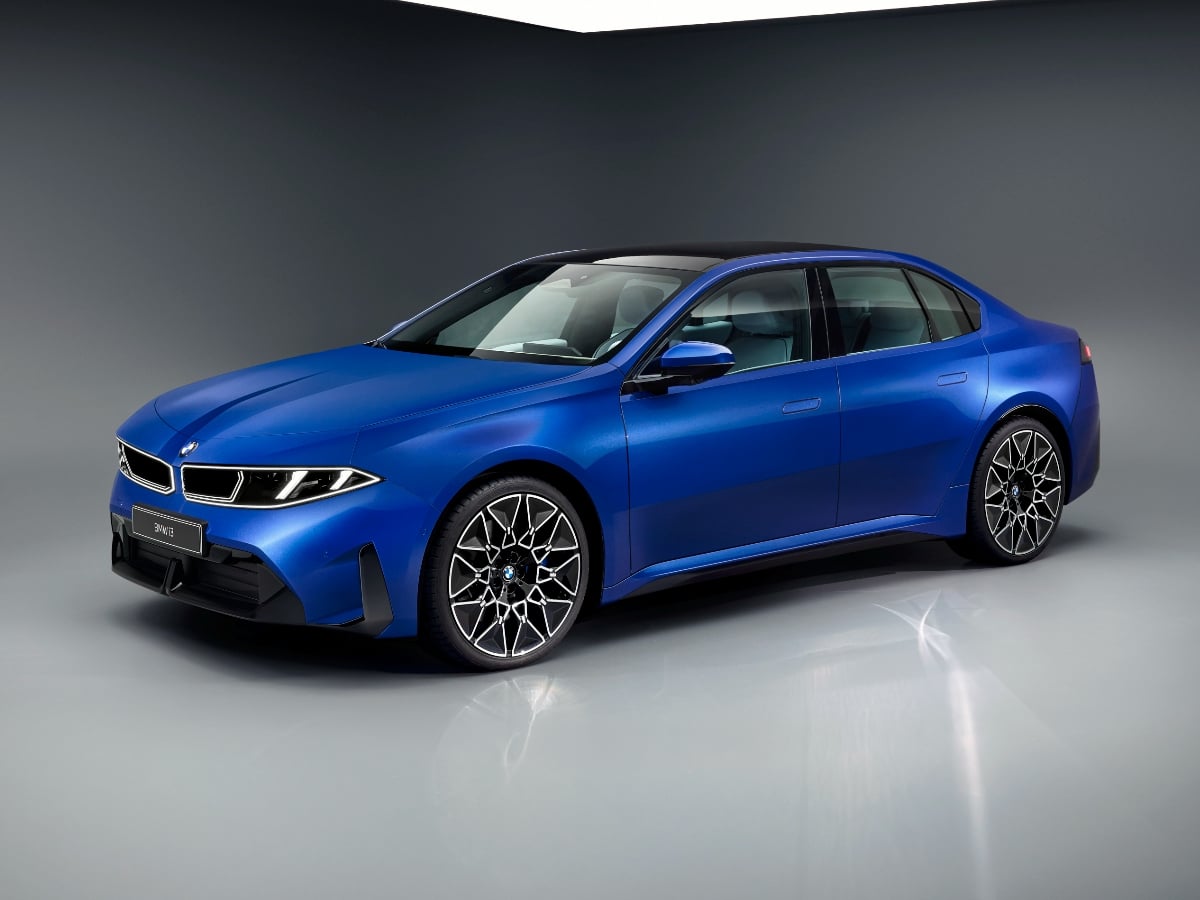
The new 2027 BMW i3 boasts an estimated range of up to 440 miles, 400-kilowatt DC fast charging capability, bidirectional charging to a home or the grid, and next-generation technology.
Read the Full Article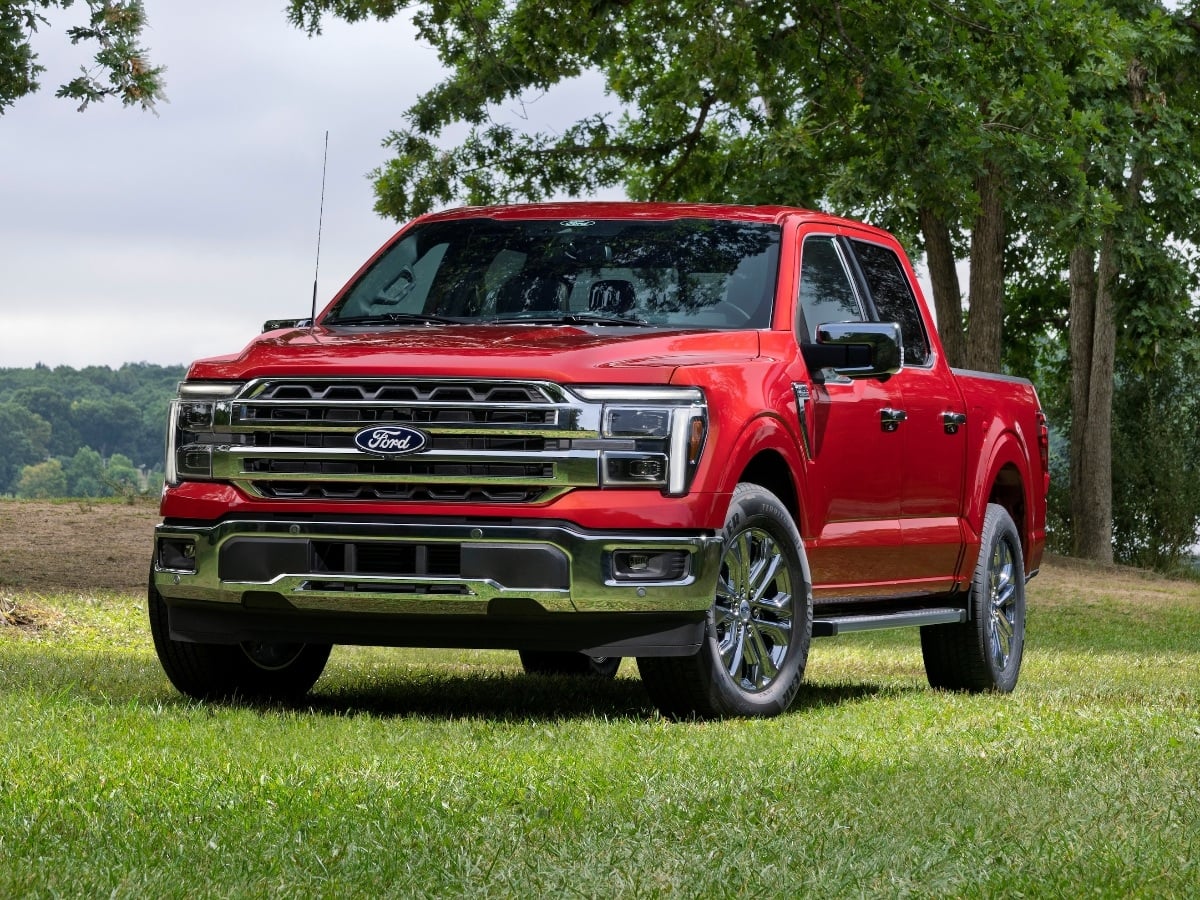
Facing renewed competition in the full-size, light duty pickup truck segment, the 2027 Ford F-150 receives subtle styling updates, a new standard engine, broader availability of its 5.0-liter V8, and ...See More
Read the Full Article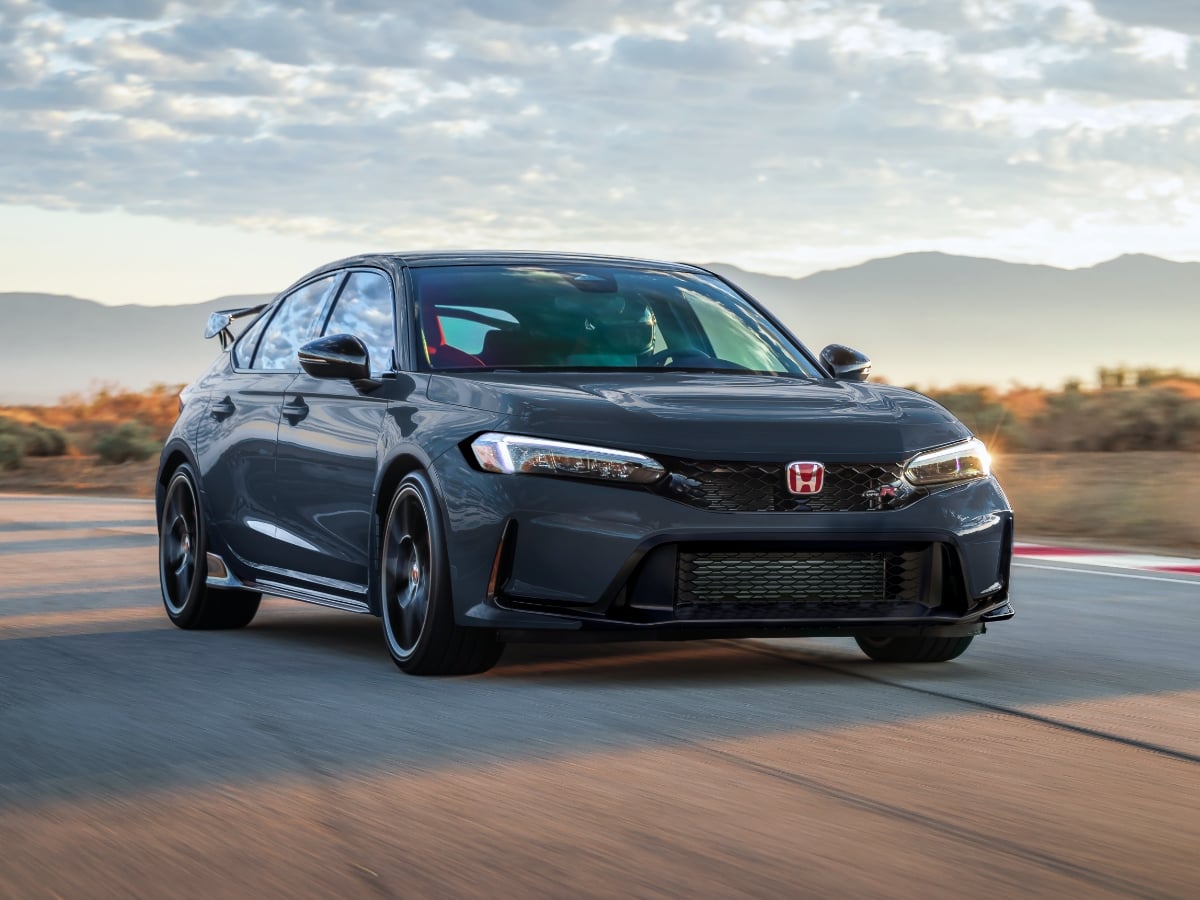
The 2027 Civic Type R goes on sale in October 2026, and it starts at $49,990, including the $1,295 destination charge.
Read the Full Article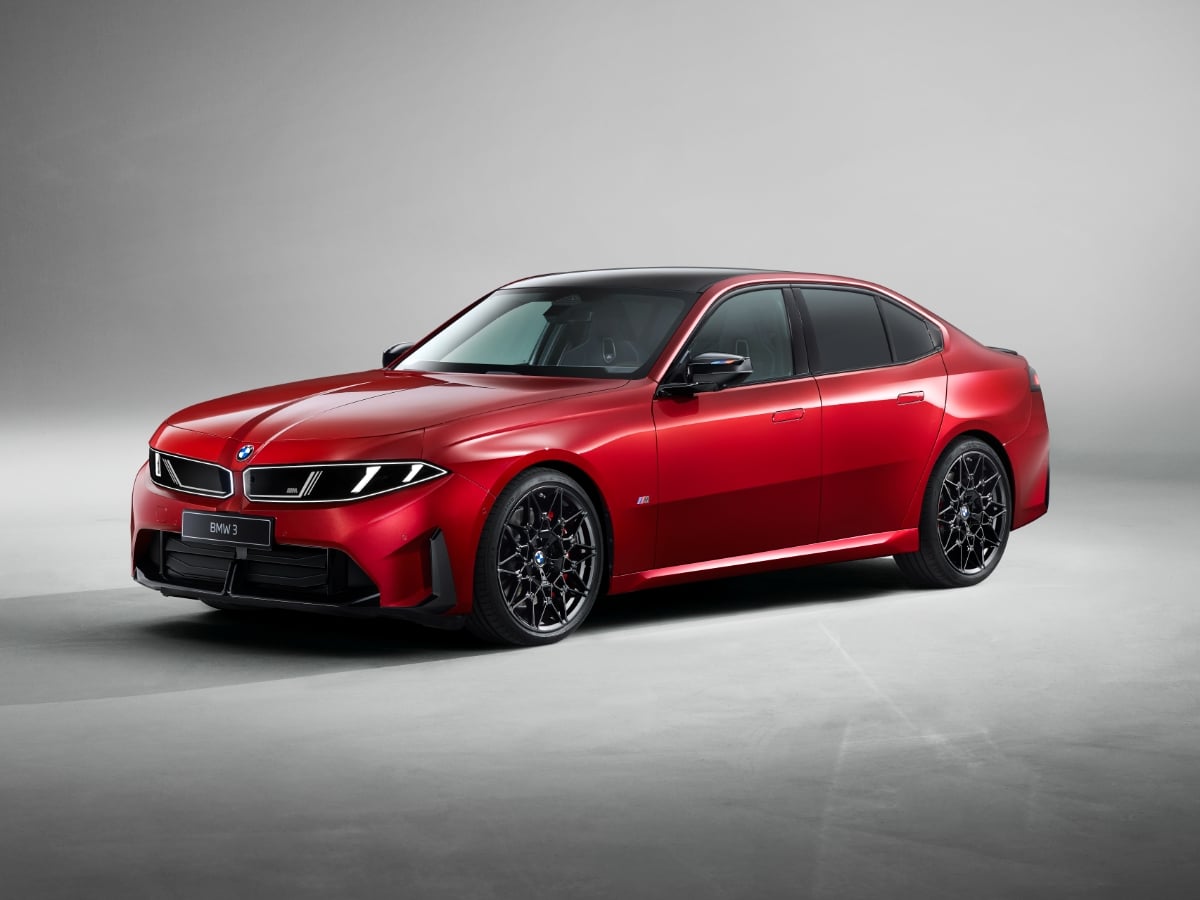
Part of BMW’s Neue Klasse (new class) rollout of redesigned models, the 2027 BMW 3 Series is all-new and goes on sale in the first quarter of 2027.
Read the Full Article