
Volkswagen is going to perform two miracles with the 2025 VW ID. Buzz.
First, the automaker’s latest electric vehicle (EV) will make minivans cool again. Thanks to retro vibes that remix the long-gone VW Microbus with modern technology, the 2025 Volkswagen ID. Buzz will be the first desirable example of the breed since the VR6-powered EuroVan MV Weekender.
Second, despite its battery-powered drivetrain, the new VW ID. Buzz might be the first electric vehicle that proves popular. In other words, people would likely line up to buy a 2025 Volkswagen ID. Buzz, even if it ran solely on peace, love, happiness, and CBD oil. That the Buzz is electric is secondary to the decision.
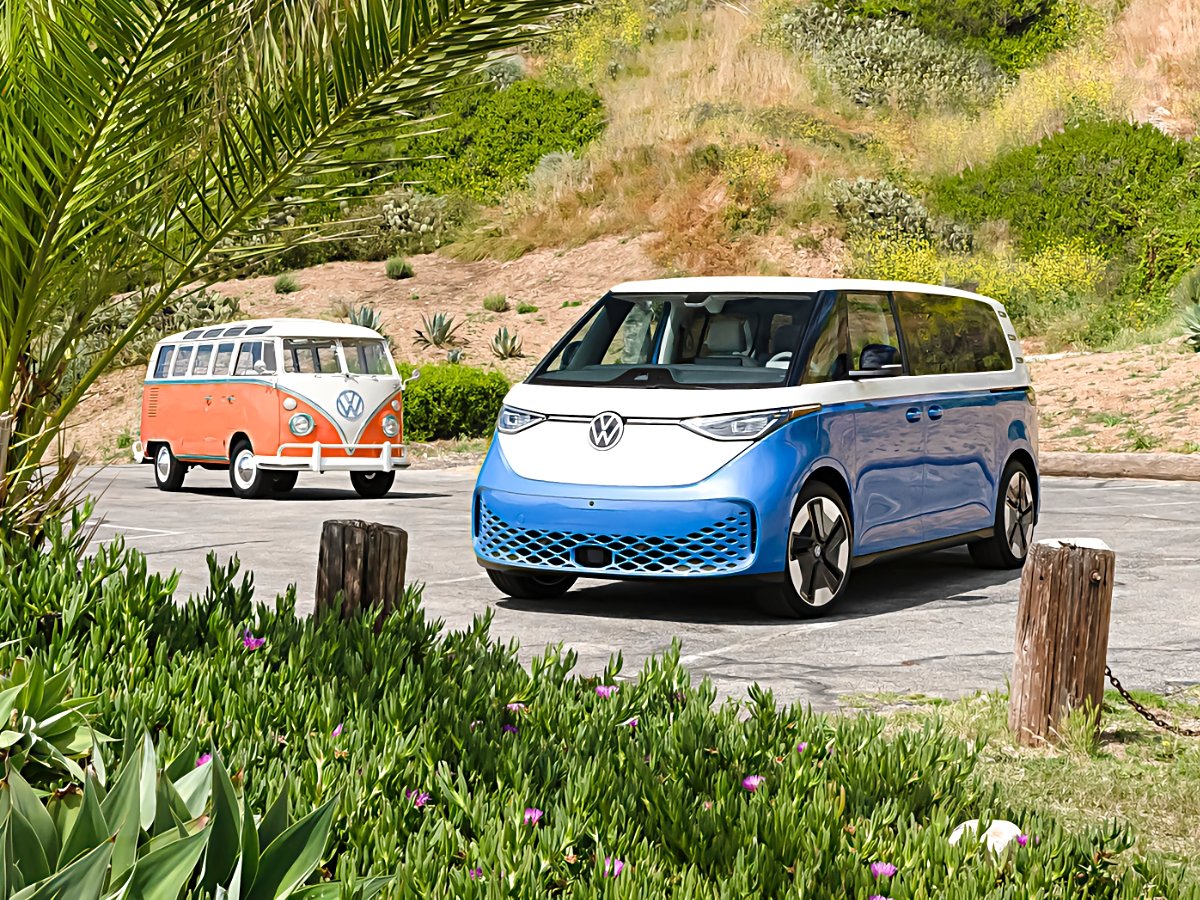
After all, VW Microbus fans have been waiting for this vehicle for decades. And thanks to “Outer Banks” and The Twinkie (ChatGPT it), a younger generation now reveres the classic Bus almost as much as they do John B. Finally, after decades of concept vehicles and years of promises, the fantasy of owning a new, modern Microbus is going to be a reality.
For its North American customers, Volkswagen will offer the ID. Buzz as a long-wheelbase (LWB) 3-row model. Compared to the shorter, 2-row version sold in Europe, the ID. Buzz destined for U.S. driveways has a larger battery and a more powerful rear electric motor. In addition, a dual-motor all-wheel-drive (AWD) system will be available.
When the 2025 ID. Buzz goes on sale in 2024, it will come with plenty of standard equipment and few options. Based on the details Volkswagen has shared, I’m guessing the price will be around $65,000 but inflated with the usual dealership markups until supply and demand balance out. After that, more affordable versions are likely to arrive.
Unfortunately, VW will not build the ID. Buzz in its Chattanooga, Tennessee, assembly plant, so it won’t be eligible for a federal income tax credit. However, the company claims it will offer leasing subsidies to offset the electric van’s ineligibility.
As if missing out on that tax credit would prevent anyone from getting a Buzz.

The LWB version of the ID. Buzz is almost 10 inches longer than the European 2-row ID. Buzz. Size-wise, this new electric van is about as long and wide as an Atlas Cross Sport crossover SUV. However, the Buzz is 4 inches taller than the Atlas. Volkswagen claims it boasts a 0.29 drag coefficient, which is not bad for a box on wheels.
Large VW emblems decorate the van’s face and tailgate, and Volkswagen illuminates the one in front. Volkswagen ID. Buzz paint colors include, but are not limited to, Metro Silver, Indium Gray, Cabana Blue, Mahi Green, Pomelo Yellow, and Energetic Orange. Certainly, black and white will also be available. The two-tone paint shown in the photo above is optional.
When the ID. Buzz arrives at dealerships in 2024, VW will generously equip the first versions of the van with plenty of standard features. Volkswagen says they will include 20-inch aerodynamically designed alloy wheels, heated washer jet nozzles, and power-folding heated side mirrors. In addition, a heated windshield will be available as an option.
The Buzz also has a hands-free open-and-close power tailgate and power-sliding side doors. In a nod to the classic Microbus, the side doors will include power-sliding second-row windows.

Thanks to its longer wheelbase and bodywork, the North American version of the ID. Buzz accommodates three rows of seats. The standard configuration is a 2+3+2 layout, with an option for second-row captain’s chairs.
At launch, the ID. Buzz will include standard 12-way power-adjustable seats with heating, ventilation, massage, and adjustable armrests. A removable center console separates them, containing storage dividers that double as an ice scraper and bottle opener.
Perforated leatherette upholstery is standard and comes in three two-tone color combinations. The Volkswagen ID. Buzz interior colors include Dark Brown over Black, Light Brown over Black, and Light Gray over Clay (shown below).
In addition, the 2025 ID. Buzz will have automatic climate control, air vents for all three rows, and a standard heated steering wheel. An optional panoramic sunroof has an electrochromic tint that changes from opaque to clear with the swipe of a finger.

The driver and front passenger face a modern dashboard with digital instrumentation, a large touchscreen infotainment system, and numerous storage locations. Retro-style wood optic trim and a 30-color ambient lighting system with five pre-configured ‘moods’ are standard, and the pedals have Play (accelerator) and Pause (brake) symbols on them.
Forward visibility appears to be outstanding. The windshield is relatively vertical and far away, which could make it hard to see overhead traffic signals. However, the windshield pillars are split and contain windows, creating a relatively unobstructed 180-degree view forward and to the sides.
Volkswagen’s ID.Light system is standard. ID.Light is a lighting strip running along the base of the windshield to provide visual cues related to vehicle status, safety feature activation, navigation directions, incoming calls, recognition of issued voice commands, and more. While charging the Buzz’s battery, the ID.Light system also displays the current charge level to determine it at a glance.

Second-row passengers appear to enjoy as much comfort as the people seated in front. The outboard second-row seats have standard heating, and occupants can adjust them through 16 degrees of backrest angle to improve support and satisfaction. The second row also slides fore and aft up to 7.9 inches to add third-row legroom or to maximize cargo room.
Both rear rows fold flat to expand cargo space, and Volkswagen includes a Flexboard with two storage compartments to ensure a level load floor. Alternatively, you can remove the third-row seats and store them in the garage, giving the ID. Buzz a sizable cargo area and 4- or 5-passenger seating capacity.
As of this writing, VW hasn’t said how much cargo space the Buzz offers. However, its flat cabin floor and added height likely provide as much or more cargo room as the full Atlas model.

Volkswagen builds the ID. Buzz on a skateboard-style EV platform. That means the battery is flat and lives between the wheels nestled below the van’s floor. That approach centers the battery weight and provides a low center of gravity for improved handling and stability.
The long-wheelbase ID. Buzz coming to North America has a larger 91-kWh battery than the European version of the van. It juices a new rear-mounted electric motor making 282 horsepower and 406 pound-feet of torque, which drives the rear wheels through a single-speed transmission. According to Volkswagen, a dual-motor AWD setup is available, making an estimated 330 hp.
VW hasn’t announced any details regarding the 2025 Volkswagen ID as of this writing. Buzz driving range, recharging time, or acceleration performance. However, the company says the Buzz’s top speed is electronically limited to 99 mph. In addition, the digital gauge image below suggests the ID. Buzz has a maximum driving range of 280 miles.

Volkswagen says the Buzz will include IQ.Drive as standard equipment. That is VW’s collection of advanced driver assistance systems, and it provides a lengthy list of safety features.
Unfortunately, VW did not define what IQ.Drive will provide in the new ID. Buzz, except to confirm a Level 2 hands-on driving-assistance system. As of this writing, that description refers to Travel Assist, which combines an adaptive cruise control system with lane-centering assistance to provide semi-autonomous driving assistance.
In addition, IQ.Drive currently includes Emergency Assist. This feature is active when using Travel Assist, and it can detect an unresponsive driver, issue several alerts, and, if those go unheeded, bring the vehicle to a safe stop. So, what’s the use case? Mainly to respond to a situation where a driver has fallen asleep or has suffered a medical emergency.
Those are the unique technologies under the IQ.Drive umbrella. Otherwise, the package includes forward-collision warning, automatic emergency braking, lane-departure warning, lane-keeping assistance, blind-spot warning, and rear cross-traffic warning.

Volkswagen equips the ID. Buzz with ID.Cockpit, which pairs a small 5.3-inch digital instrumentation panel with a large 12.9-inch touchscreen infotainment display.
The technology debuted in the ID.4 electric SUV, and critics panned the system’s user interface, though I never had a problem with it. In any case, Volkswagen is rolling out improvements to ID.Cockpit. VW first announced them in conjunction with the ID.7 electric sedan, and those changes will also find their way into the ID. Buzz. For example, a new configurable Home screen provides tiles displaying essential apps such as navigation, radio and media, and communication.
In addition, VW is adding a new way to open the main menu providing access to all the system’s apps with just one click on the screen. Also, a new Car Control Center offers quick access to critical vehicle functions, making it easier for drivers to change settings and preferences. These functions are available without first exiting the active app, and VW says it simplifies system operation.
Another change is illuminated touch-sensing slider controls for stereo volume and cabin temperature. Volkswagen also adds the climate system settings to the bottom of the infotainment display for quick reference and access.

Otherwise, VW confirms the ID. Buzz will offer wireless Apple CarPlay and Android Auto, wireless smartphone charging, eight USB-C ports scattered throughout the interior, and a 110-volt power outlet under the passenger seat. A 9-speaker stereo is standard, with a 14-speaker Harman Kardon sound system available.
You can bet VW’s Car-Net connected services will also be standard, with features bundled into several subscription plans. Highlights will likely include automatic collision notification, an SOS emergency assistance function, Family Guardian alerts related to vehicle use by younger drivers, remote engine starting and cabin pre-conditioning, access to a Wi-Fi hotspot, and more.
Volkswagen says options for the Buzz will include a head-up display, a Park Assist system with remote parking capability, and an Area View surround-view camera.

Quick! Name another electric minivan! Well, there is the Chrysler Pacifica Hybrid, but it’s a plug-in hybrid supplying just 32 miles of electric driving range. And let’s be honest: A Pacifica Hybrid and a Volkswagen ID. Buzz aren’t even in the same league.
Ford and Mercedes have electric vans. But the E-Transit and eSprinter are best reserved for commercial purposes.
So, what will the new Volkswagen ID. Buzz compete with? We’re looking at you, Kia EV9. At the moment, in size, price, and purpose, Kia’s new electric 3-row crossover SUV appears to be the most likely Buzz-killer. It has the style, performance, sophistication, and overall appeal to give VW’s resurrected electric Microbus a run for its money.
But not the apparently indestructible Twinkie, of course.
Volkswagen is the source of information in this article. It was accurate as of June 2, 2023, but it may have changed since that date. Always confirm product details and availability with the automaker’s website or your local dealership.
Christian Wardlaw is a veteran automotive journalist with nearly 30 years of experience test-driving vehicles. He began his career at Edmunds and now owns Speedy Daddy Media, Inc., an automotive content creation company serving several automotive publishers. In addition to JDPower.com, his work has appeared in numerous new- and used-car buying guides, newspapers, and automotive industry trade journals.


Although both the 2026 Toyota Corolla and Toyota Camry share Toyota engineering and many standard features, they target different buyers. To see how they compare in value, reliability, performance, ...See More
Read the Full Article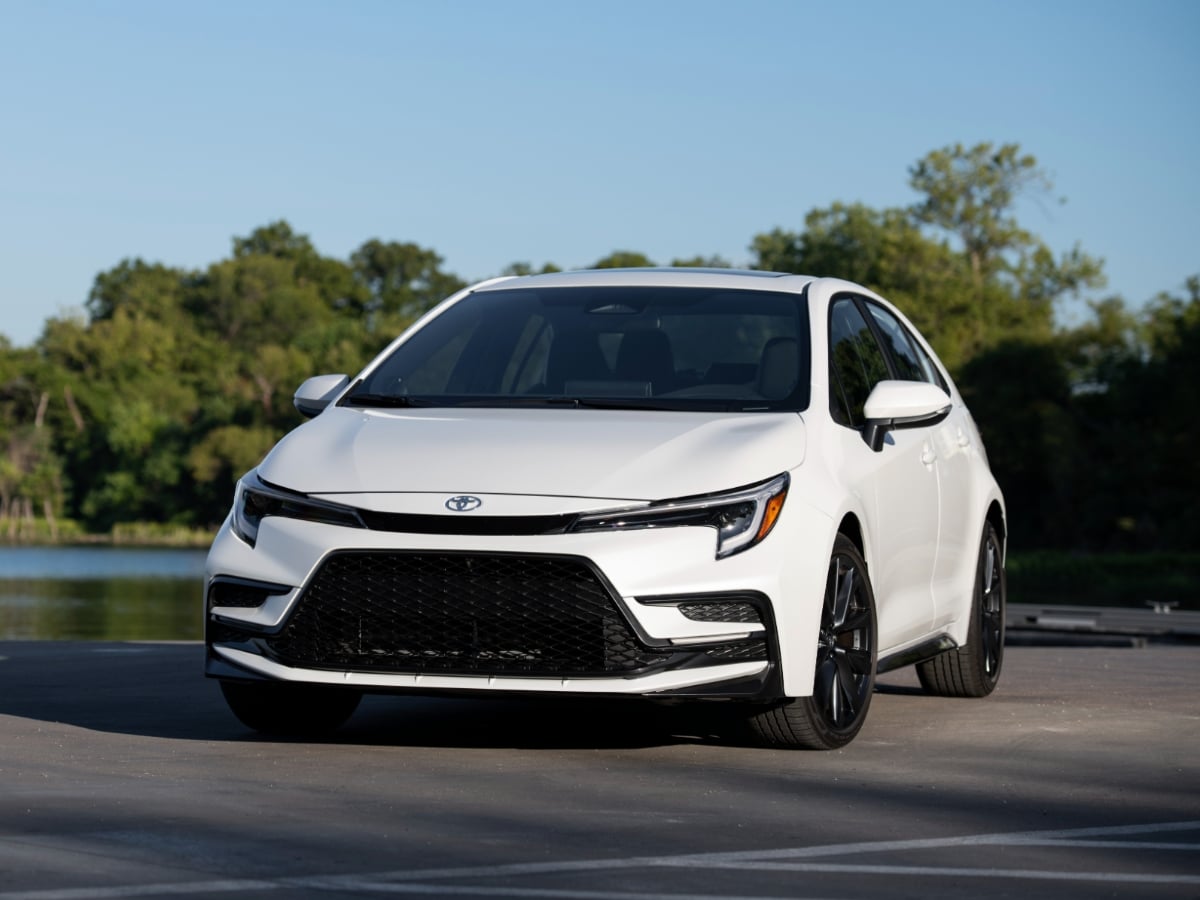
Both the 2026 Toyota Corolla and the 2026 Mazda Mazda3 come with comprehensive safety features and connected services, along with large infotainment screens and premium audio. To see how their ...See More
Read the Full Article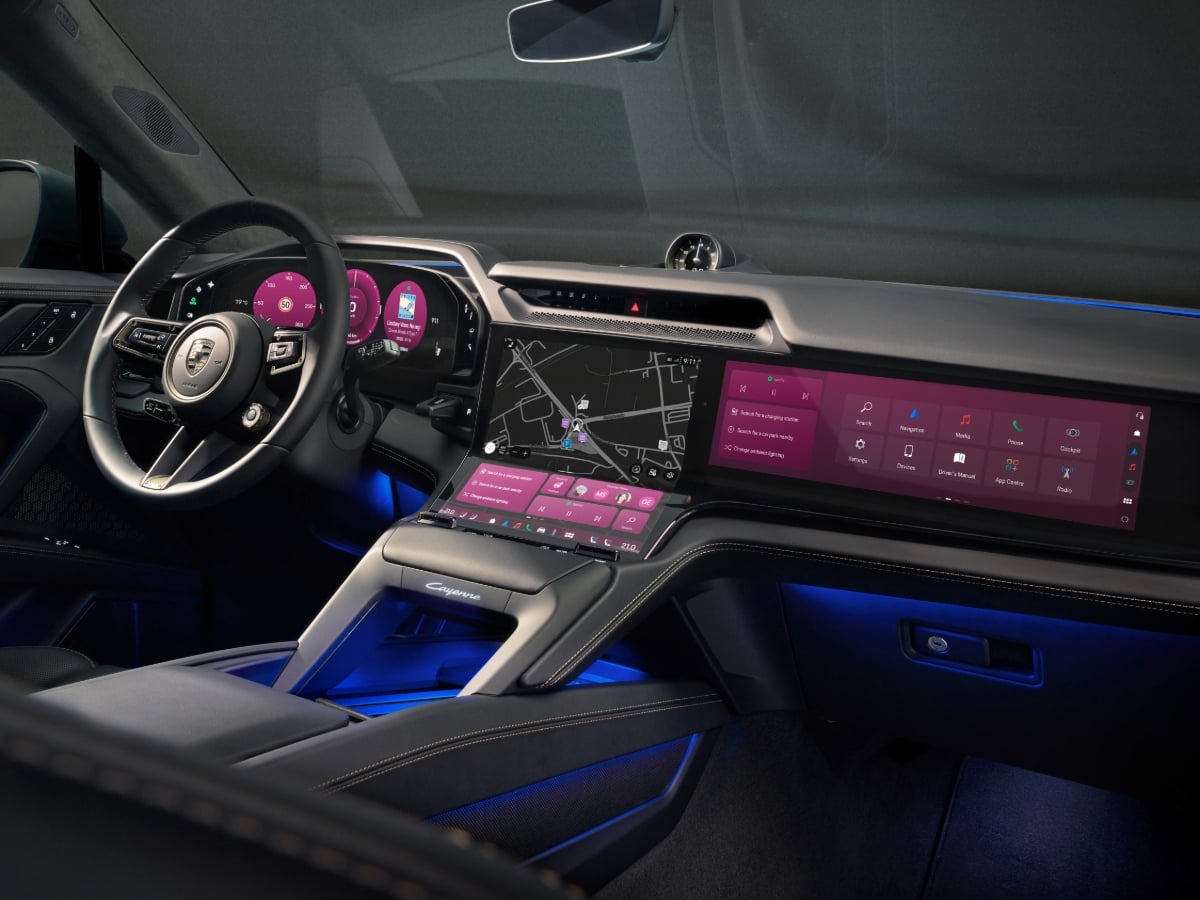
Touchscreens are almost universal in modern cars. However, not all display types are the same. An increasing number of the latest cars use something called an OLED display. But what exactly is OLED, ...See More
Read the Full Article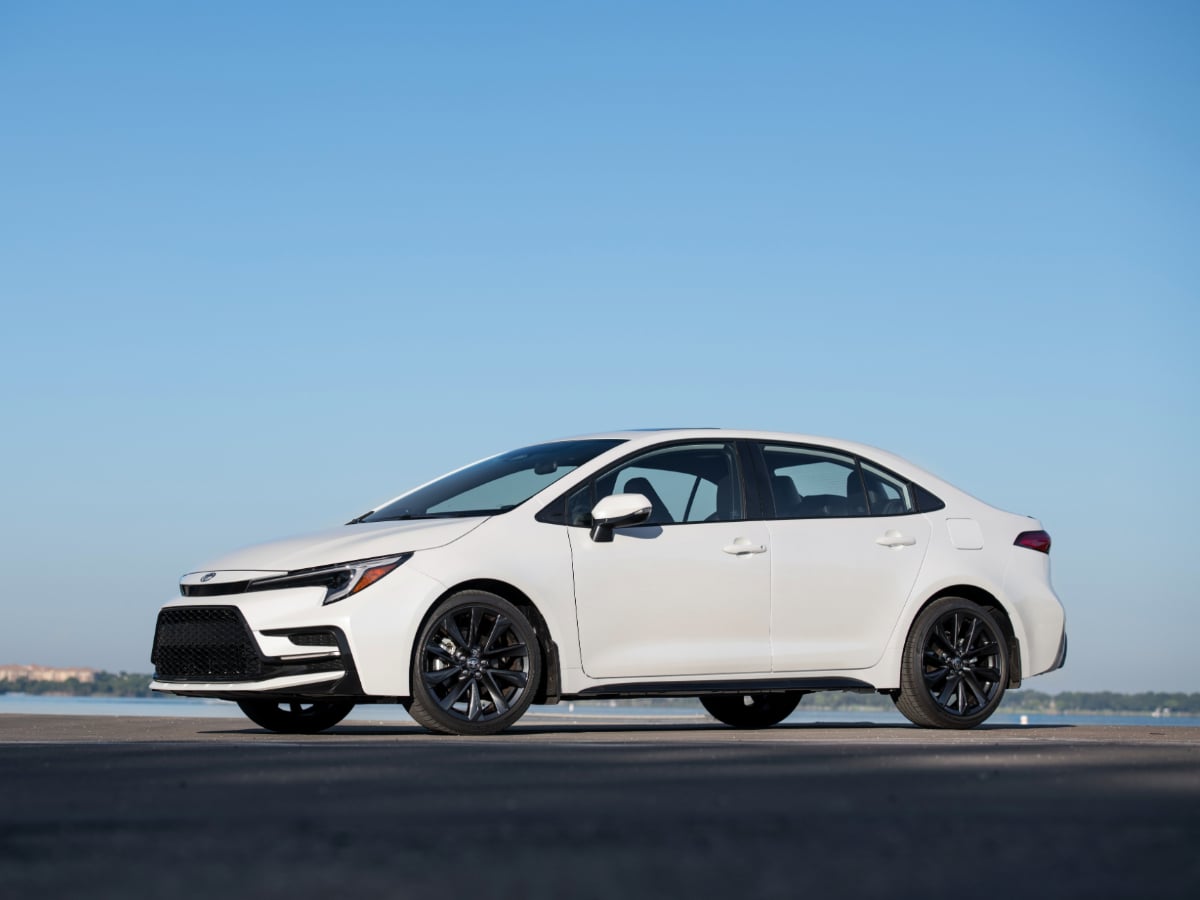
Although the 2026 Toyota Corolla and the 2026 Nissan Sentra target buyers with similar goals, they take different routes. To see how those approaches translate into real world value, reliability, ...See More
Read the Full Article