
Astoundingly, after retiring the extended-length RX 350 L in 2022, Lexus lacked a three-row crossover SUV. One could even argue that the RX 350 L wasn’t viable as a legitimate three-row SUV, since the rearmost seat space was abysmal. Skip to the present, and Lexus now has the three-row TX crossover SUV line. We tested the top-of-the-line TX 550h+ plug-in hybrid (PHEV) a year ago. This round looks at the mid-level, non-hybrid TX 350 F Sport Handling with standard all-wheel drive (AWD).

Photo: Jim Resnick
Though running changes to the 2025 TX line vary only slightly compared to the 2024 version, the TX 350 F Sport Handling differs from the TX 550h+ in several key areas.
Where a 3.5-liter V6 engine aided by two electric motors and a lithium-ion battery paired to a continuously variable automatic transmission (CVT) powers the TX 550h+, the TX 350 houses a turbocharged inline four-cylinder, no electric hybrid assist, and a conventional eight-speed automatic transmission. The F Sport Handling version’s suspension is firmer, using adaptive shocks plus different, lightweight 22-inch wheels and low-profile tires.
The F Sport also receives black roof rails, dark chrome window trim, and satin silver accents at the lower front and rear valences. The TX 350 F Sport Handling also features unique front seats with extra side bolstering, embossed “F Sport” headrests, and a perforated leather wrap around the thick-rimmed steering wheel.
Lastly, all but the base trim levels receive a power-folding third-row seat. The TX third row offers decent room for adult legs and feet—a rarity in many three-row SUVs. There’s also loads of cargo room: 97 cubic feet with all rows of seats folded, 57.4 cubic feet behind the second row, and 20.2 cubic feet behind the third row.
Among the various permutations of the TX crossover, the core model series include the TX 350, TX 500h hybrid, and the TX 550h+ PHEV. Each offers Premium or Luxury trim levels, though the TX 350 also comes in base and F Sport Handling AWD versions, while the TX 550h+ only comes in Luxury trim. Base prices start at $56,490 for the base TX 350 and top out at $78,560 for the TX 550h+ Luxury AWD, including the destination charge.
For this 2025 TX review, Lexus provided a TX 350 test vehicle equipped with F Sport Handling trim and the following options:
The Technology package includes a panoramic, birds-eye-view monitor for vehicle proximity to obstacles and objects when parking, plus active parking assistance. The Mark Levinson audio system uses 21 speakers and signal processing to provide surround sound. Finally, the Convenience package bundles traffic-jam assist and front cross-traffic warning.
The test vehicle's manufacturer's suggested retail price (MSRP) was $69,430, including the $1,350 destination charge to ship the crossover SUV to your local dealership from the Princeton, Indiana, assembly plant.

Photo: Jim Resnick
Where the TX 550h+ uses a 3.5-liter V6 engine and hybrid assist from two electric motors with a total combined output of 404 horsepower, the TX 350 F Sport I tested makes do with less. Its turbocharged, 2.4-liter inline four-cylinder makes just 275 hp and has no hybrid assist. A conventional eight-speed automatic transmission backs up the engine. As previously mentioned, the TX 550h+ uses a CVT without conventional gears.
If you had only read a specifications chart, the 129-hp deficit would seem game-killing. Well, not exactly.
For perspective, when testing the Lexus RX 350 L (the last Lexus three-row crossover SUV model), its 3.5-liter V6 made slightly more horsepower (295) and much less torque than the new TX 350 (268 pound-feet to the new TX 350's 317 pound-feet). We claimed the RX 350 L made "plenty of power," feeling faster than Lexus' 7.9-second acceleration figure from zero-to-60 mph.
The RX 350 L also weighed less (4,597 pounds to the TX 350’s 4,720), putting the new TX 350 F Sport at a significant disadvantage on paper compared to an old, related precursor model and the new TX 550h+.
Despite the numbers, the new TX 350 F Sport never felt sluggish during my test and responded well to throttle inputs. Not surprisingly, the TX 350 F Sport's official zero-to-60-mph time is 7.8 seconds despite being heavier and having less horsepower than the old RX 350 L.
To be sure, the TX 350 is no muscle car and cannot compete with outright sports cars. But it's not underpowered. The TX 350 merges onto busy highways, ascends steep hills, and even entertains adroitly enough on back roads to trigger a smile. A key to that power sufficiency is the turbo-four's underlying torque. That 317-pound-feet figure—49 pound-feet more than the prior-generation RX 350 L—is nothing to sneeze at. It's also more meaningful to acceleration than the 20-hp deficit.
Alas, the TX 350 offers lower fuel economy than its TX 500h hybrid counterparts. Coming in with official Environmental Protection Agency (EPA) figures of 20/26/23 mpg in city/highway/combined driving compared to the TX 500h’s 27/28/27 mpg numbers, city fuel economy in the TX 350 suffers the most without hybrid assistance. However, over my 73-mile route of real-world combined driving, the test TX 350 returned 23.7 mpg—slightly better than the official rating. Small victories.
The TX 350’s engine doesn't sound or feel labored doing its work, whereas some big-displacement four-cylinders can. There's no raspy, gruff tone in the TX. For a four-cylinder engine, it emits a somewhat sophisticated soundtrack. Traditionalists might scoff at a luxury SUV getting by with a mere four cylinders up front, but the TX 350's engine requires no apologies. None for power, none for tone, and none for mileage.

Photo: Jim Resnick
The TX 350 F Sport sits on a revised suspension from the standard TX 350 model, but also differs from the top-line TX 550h+. All non-F Sport TX 350s use passive tube shocks at each corner. The TX 350 F Sport (and TX 500h F Sport Performance) uses active adjustable shocks that can change their valving for different rates of damping, depending on conditions.
Combined with the multiple drive modes in the TX 350 (Eco, Normal, Sport, and Custom), the F Sport with its adjustable shocks should span a broader range of ride qualities than TX 350s without the fancier shocks.
Lexus designed the TX 350 F Sport's unique 22-inch wheels not just to appear sporty. They also weigh less than the other wheels in the TX lineup.

Photo: Jim Resnick
Not to burst any bubbles, but the TX 350 F Sport Handling AWD won't beat proper sports cars when the road gets twisty. However, a vehicle with "Handling" in its name promises something. After sampling all the driving modes on many different surfaces and roads, the TX 350 F Sport felt only marginally different between modes compared to other vehicles I've tested with similar technology.
I expected much more body-roll control in Sport driving mode than the SUV showed. This was disappointing. It coped with me driving enthusiastically along my top-secret, twisty back-road test routes, but that's all it did: coped. It wasn't happy about it in the way a Mercedes-AMG or Porsche Cayenne can be. The upside is that even in the firmest setting, the TX 350 F Sport's ride quality is never harsh.
Mark Levinson audio systems in Lexus vehicles usually perform exceedingly well. However, the TX 350's 21-speaker, 1,800-watt system doesn't quite live up to the name. It's too present and harsh in low-treble frequencies. Surround sound dials out a bit of that harshness, but it also muddies definition, especially present with clear vocals and acoustic piano. I wouldn’t usually be so picky, but Lexus’ audio track record is admirable, so this performance is disappointing.
My TX 350 F Sport tester also came with Advanced Park with Remote Park, a self-parking feature. To perform such maneuvers, you line up the TX adjacent to an open parking spot (perpendicular or parallel) and it steers, throttles, and brakes to complete the process. I only used it once, not because of pride (though I am a good parker), but because it took so long. I had two people honking at me to get on with it.
I also tested traffic-jam assist twice and found it to regulate distance and speed in highway traffic jams very well. However, many drivers today have a far closer range of comfort than these systems do, so I found the Lexus often shoved back further in traffic than it otherwise would have if I had not engaged the system.
All F Sport TX models have special front seats with slightly more aggressive bolstering. The seatback and bottom side hold you in place a bit better than the standard seats when cornering with gusto, and they also have embossed headrests. However, those bolsters are fixed and not adjustable. The F Sport steering wheel also gains perforated leather around much of the rim, making it a joy to grip.
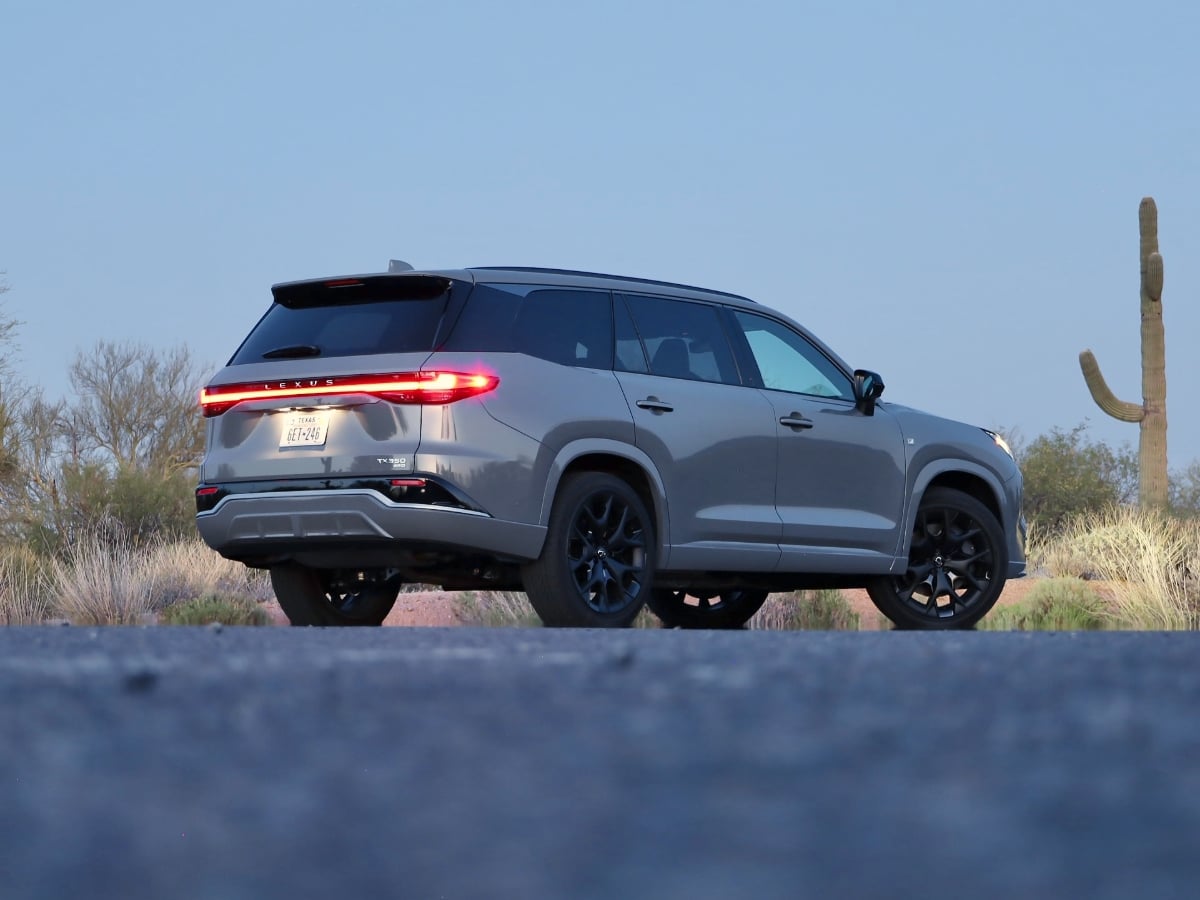
Photo: Jim Resnick
Overall, the TX 350 F Sport Handling AWD brims with the core capability you want and expect of a luxury SUV. Ride quality, quietness, enough oomph to cope with whatever you throw at it, decent efficiency, lots of space, and even a measure of value at just under $70,000 as-tested make for a positive purchase equation.
The promise of truly sporty handling sits as the chief disappointment. Therefore, I must recommend the other TX 350 models over the F Sport. They sit under the F Sport in price, whether in base, Luxury, or Premium trim levels, and they're available in AWD. Chances are that you won't miss the adjustable shocks or the lighter-weight wheels, but you'll be getting all the best Lexus attributes, just the same.
Jim Resnick is an author specializing in autos, mobility, technology, and the traffic jam of topics within. He's lectured at universities on the auto industry's relationship with governmental legislation from his various posts as Technical Editor to Editor-in-Chief. In addition to JDPower.com, his byline has appeared in over 30 media outlets, from Wired to The New York Times to Car and Driver to Kelley Blue Book and across the globe to the BBC.


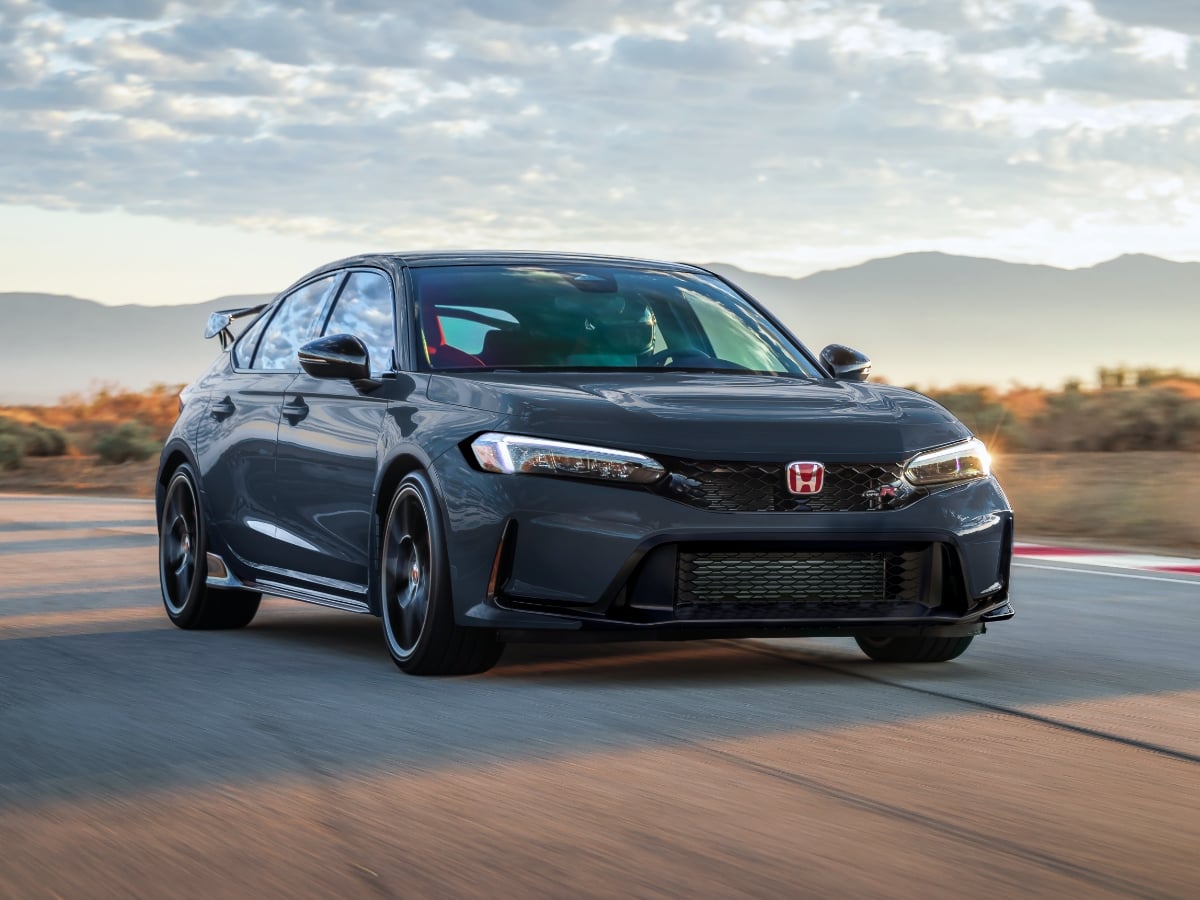
The 2027 Civic Type R goes on sale in October 2026, and it starts at $49,990, including the $1,295 destination charge.
Read the Full Article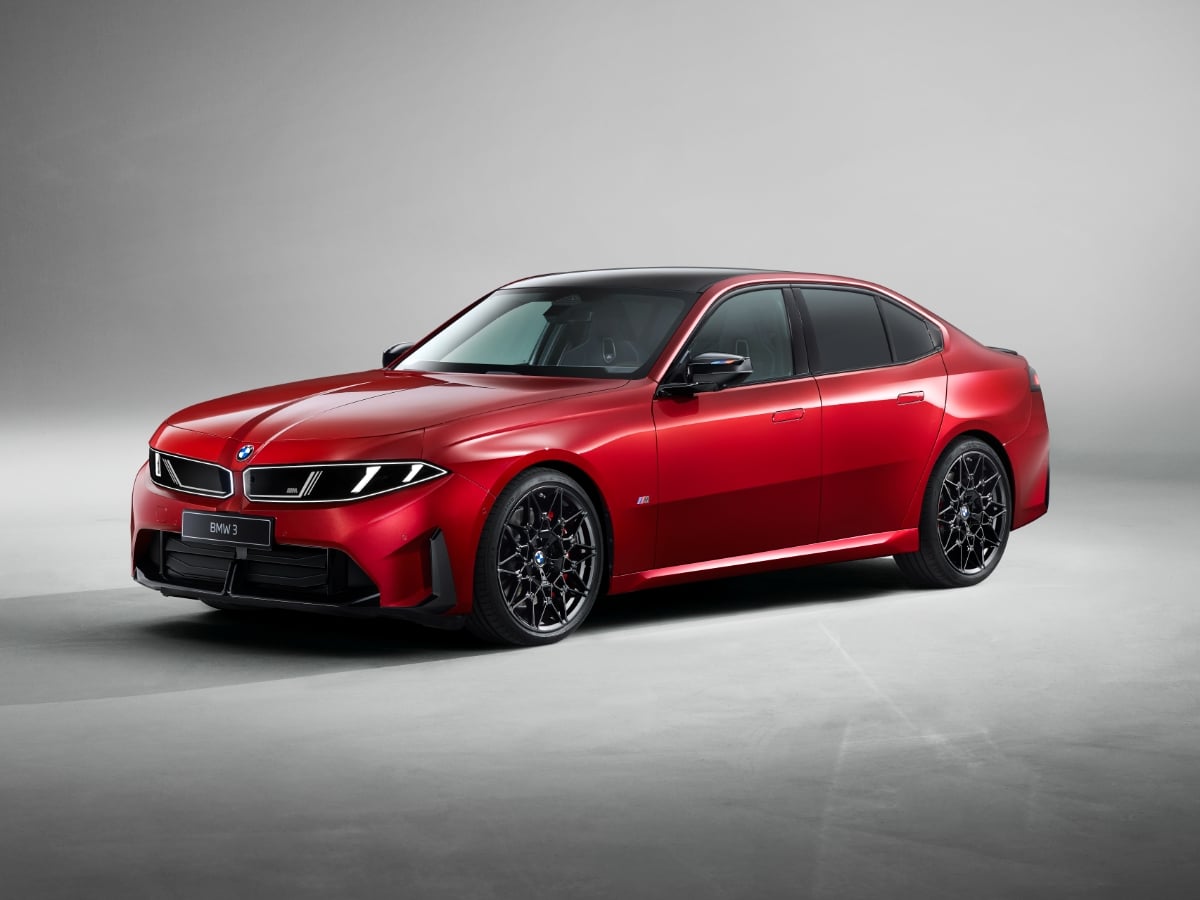
Part of BMW’s Neue Klasse (new class) rollout of redesigned models, the 2027 BMW 3 Series is all-new and goes on sale in the first quarter of 2027.
Read the Full Article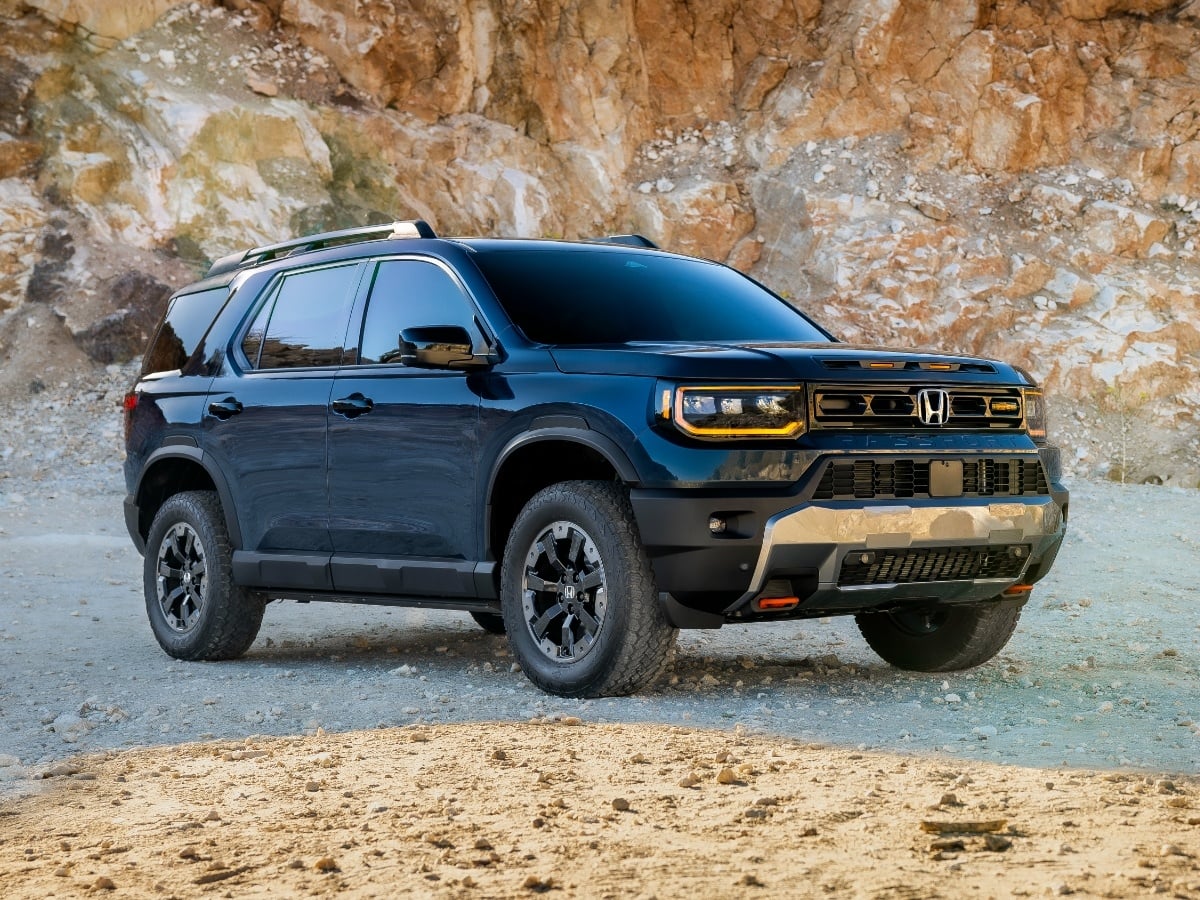
Updates to the 2027 Honda Passport TrailSport include a reworked suspension, improved steering, subtle styling enhancements, and added standard equipment.
Read the Full Article
The midsize 2027 Mercedes GLE remains available in original and spicy Coupe recipes, now with standard 4Matic all-wheel drive (AWD), MBUX Superscreen technology, and a panoramic glass sunroof for ...See More
Read the Full Article