
At Acura, a Type S designation signifies performance. Vehicles wearing the emblem offer more power, better brakes, and improved handling while remaining comfortable enough for daily commutes. In 2023, the MDX SUV, NSX sports car, and TLX sedan came in Type S variants. For the 2024 model year, the recently revived Integra joins the family.
The 2024 Acura Integra Type S receives a significant performance injection compared to the standard model. And the differences between the new Integra Type S and the Integra A-Spec are stark.
Drawing from the same mechanical parts bin as the Honda Civic Type R, the 2024 Integra Type S adds:
Acura has redesigned the Integra Type S from the windshield forward to accommodate these mechanical modifications and reduce aerodynamic lift at speed, resulting in bodywork 2.8 inches wider than stock. Alterations to the car's rear ensure visual continuity and perform functional benefits.
Otherwise, the Integra Type S sees a handful of modifications. For example, the standard 12-way power driver's seat has more significant bolstering than other Integras, and the back seat accommodates only two people instead of three. The upholstery features perforated Ultrasuede inserts, and with a Red or Orchid interior color, the dashboard trim on the right side of the car matches.
Every Integra Type S comes one way, with a handful of options and accessory upgrades. The base price is $51,995, including the $1,195 destination charge.
Previously, JD Power reviewed the 2023 Acura Integra A-Spec. This review focuses on how the new Integra Type S performance trim differs from the A-Spec and how it potentially impacts the model's overall consumer appeal.

Photo: Christian Wardlaw
The Acura Integra competes in the Small Premium Car market segment. According to data collected from verified new-vehicle buyers for the JD Power 2022 Automotive Performance, Execution and Layout (APEAL) Study, 58 percent of new Small Premium Car buyers are male (vs. 62 percent for the industry), and the median age of a buyer in this segment is 50 years (vs. 54).
As part of the APEAL Study, owners rated Small Premium Cars in 10 primary categories. Listed below in descending order, you'll find their preferences, from their most favorite thing about the vehicle to their least favorite:
The Integra is a new entrant for the 2023 model year, so it is not a part of the 2022 APEAL Study.
In the following sections, our independent expert analyzes an Integra Type S equipped with the following options:
The test vehicle's price was $53,785, including the $1,195 destination charge.

Photo: Christian Wardlaw
Acura redesigned the Integra Type S from the windshield forward to account for the wider tracks, added hardware, and the cooling requirements of the engine, brakes, and other components. The look is familiar but different enough that passers-by take note and glance at the Type S badge on the car's front fenders to help them identify what it is.
Highlights of the design changes include:
The result of these changes is a sport compact car that looks like it means business but in a more subtle and upscale way than the Honda Civic Type R, with which it shares many of its components. The stance alone suggests the Integra Type S is not to be trifled with. While running errands in Santa Barbara, California, people took positive note of the Acura everywhere I drove it.
With 320 horsepower at 6,500 rpm and 310 pound-feet of torque between 2,600 rpm and 4,000 rpm, the Integra Type S is ready to rumble. But, unlike with some rivals, all that motive force flows through a 6-speed manual gearbox to the front wheels, which seems like a recipe for disaster (also known as wheelspin and torque steer).
To counteract that, Acura adds a mechanical, helical-type limited-slip front differential to tame the tendency to lay black stripes of rubber down on the pavement. The Integra Type S also gets a dual-axis front strut suspension designed to limit torque steer. Together, they have a near-miraculous effect on the hottest Integra's composure.
Another worry might be the 62:38 front-to-rear weight distribution. That nose-heavy imbalance typically produces understeer in corners, but with the sticky Michelins and the two components described in the previous paragraph, the Integra Type S gets around kinks in the road without any trouble.
Of course, what goes fast must again go slow, so Acura fortifies the Integra Type S with serious braking power. Up front, the car gets 13.8-inch two-piece ventilated discs clamped by 4-piston monoblock Brembo calipers, fed cool air by functional front air ducts. At the rear axle, upsized 12-inch discs assist in hauling the car down from speed.
Drivers can select from Comfort, Sport, Sport+, and Individual driving modes. An Acura spokesperson told me the company tunes the Integra Type S for more ride compliance than you'll find in a Honda Civic Type R, and that is evident if you can drive the two cars within 24 hours of each other, as I did. But don't mistake that softer approach for less competence on real-world roads because the Integra Type S never fails to surprise its driver with its sheer capability.
In addition to the suspension, those driving modes also alter powertrain response, steering effort, and the active exhaust note. In Comfort mode, the Integra Type S is quietest, and in Sport+ mode, it blasts what Acura calls "pops and bangs" to make sure anyone within earshot knows a car with serious underhood firepower is nearby.

Photo: Christian Wardlaw
The 2024 Acura Integra Type S is a legit performance car. Sure, it might be a little softer and less track-focused than a Civic Type R, but that makes it a better daily driver without losing capability on public roads.
Acura held a media drive of the car in Ojai, California, a region where I've tested new vehicles for years. My familiarity with the local roads let me focus more on the car and less on keeping it stuck to the pavement. And because of that personal experience with the route, I am confident in reporting that the new Integra Type S is terrific to drive.
Maximum acceleration pushes you back in your seat as you flick the gearshift definitively between the gates. Furthermore, though I didn't purposely try to spin the front wheels, they emitted nary a squawk while hustling the car along. No more than hints of torque steer were evident. When I could detect it, I was typically accelerating hard, uphill, in a curve, and on uneven pavement.
Stab the brakes and the Integra Type S can throw you hard against the seat belt. Because the route did not include an arduous mountain descent and the weather was cool and gray, the brakes didn't heat significantly, so I cannot comment on their ability to resist rumble, vibration, or fade. However, given the specs, that seems unlikely.
Generally speaking, the steering calls no attention to itself. However, on a narrow, unknown two-lane road without a shoulder, I wished it were a measure or two quicker to respond and sharpen concerning accuracy. But in all other situations, it felt good in my hands if somewhat disconnected from the road surface.
In Sport+ mode, the Integra Type S feels undeniably firm but forgiving compared to the Civic Type R. In Comfort mode, it continues providing a sporty ride and capable handling but is more comfortable when driving in the city and on the highway.
By far, the least appealing thing about driving the new Integra Type S is the amount of road noise, especially on the highway. With the cruise control set to 75 mph, it is pretty noisy within the cabin, forcing you to speak louder for passengers to hear you. That isn't unexpected in a small, high-performance car, but it gets tiring.
In Comfort mode, the Acura Integra Type S is remarkably docile and easy to launch and shift in the city. However, note that the car's low-slung stance makes the lower front fascia susceptible to damage when parking or taking speed humps, drainage dips, or driveway aprons with too much speed. A forward-facing camera would be helpful when parking.
In addition to its more agreeable real-world driving dynamics, the Integra Type S boasts more comfortable front seats than the Civic Type R. They're more aggressive than what you'll find in an Integra A-Spec, but not as confining as the Honda's.
In addition, the driver benefits from 12-way power adjustment, and both front seats are heated. However, despite the grippy Ultrasuede inserts, I found the Integra Type S could corner better than the seats could hold me in place behind the steering wheel.
Thanks to its sportback body style, the Integra Type S offers plenty of cargo space under a large liftgate. Acura says the trunk holds 24.3 cubic feet of cargo, and you can expand that room by folding the 60/40 split rear bench seat. Unfortunately, Acura does not provide an official maximum cargo volume number.
The Integra Type S is a 4-passenger vehicle. In the middle of the rear seat is a set of cupholders where a fifth occupant might typically sit. Also, note that this car is 1.1 inches lower to the ground than a standard Integra, which makes it a little harder to enter and exit. I also found that the rocker panel trim can impede exit, the heel of my shoe scraping on the top of the trim as I stepped from the driver's seat.

Photo: Christian Wardlaw
Acura aims at a long list of entry-level luxury performance sedans with the Integra Type S. They include the Alfa Romeo Giulia, Audi S3, BMW M235i xDrive Gran Coupe, Cadillac CT4-V, Genesis G70 3.3T, Lexus IS 350 F Sport, and Mercedes-AMG CLA 35. Most of these rivals have lower base prices, many include all-wheel drive (AWD), and all come with an automatic transmission. The front-wheel-drive Integra Type S is available only with a manual gearbox.
Acura also prices the Integra Type S well above the Mazda3 2.5 Turbo and the Volkswagen Golf R. These are premium-positioned rivals with much lower prices and AWD. Not only that, but the Golf R competes with the Acura on power and offers a manual transmission in addition to a dual-clutch automatic transmission. It just doesn't have nearly as much visual attitude, which, depending on the amount of stealth you'd like with your speed, might be a feature and not a bug of the VeeDub.
My opinion is that the Integra Type S is too expensive. The base price, including destination, should fall under the $50,000 mark. However, this hot-rodded Acura is nothing but a sheer delight to drive, aside from the highway road noise problem. And it sure doesn't hurt that it shares its engineering with the legendary Honda Civic Type R. Despite its price premium, I think the Acura Integra Type S is worthy of serious consideration by anyone interested in a sport compact car.
Christian Wardlaw is a veteran automotive journalist with nearly 30 years of experience test-driving vehicles. He began his career at Edmunds and now owns Speedy Daddy Media, Inc., an automotive content creation company serving several automotive publishers. In addition to JDPower.com, his work has appeared in numerous new- and used-car buying guides, newspapers, and automotive industry trade journals.


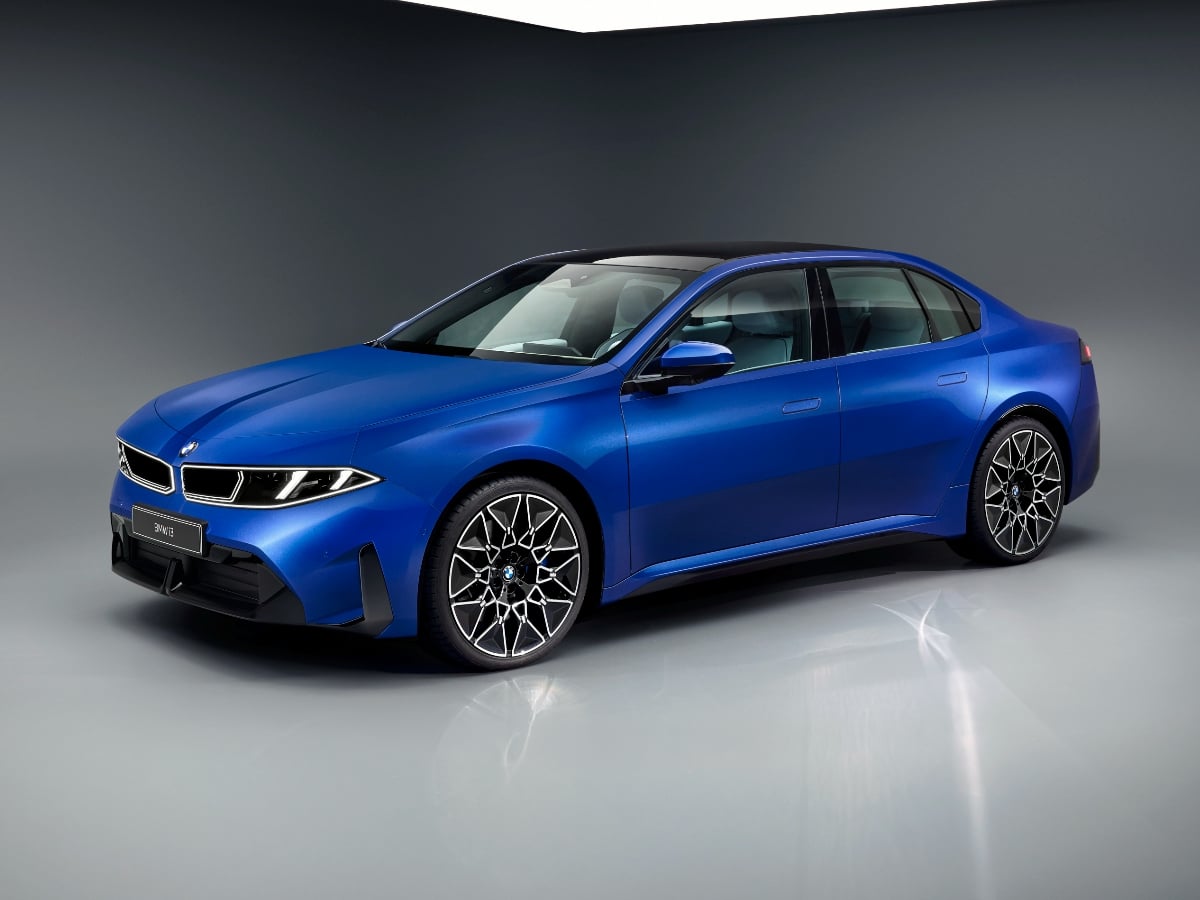
The new 2027 BMW i3 boasts an estimated range of up to 440 miles, 400-kilowatt DC fast charging capability, bidirectional charging to a home or the grid, and next-generation technology.
Read the Full Article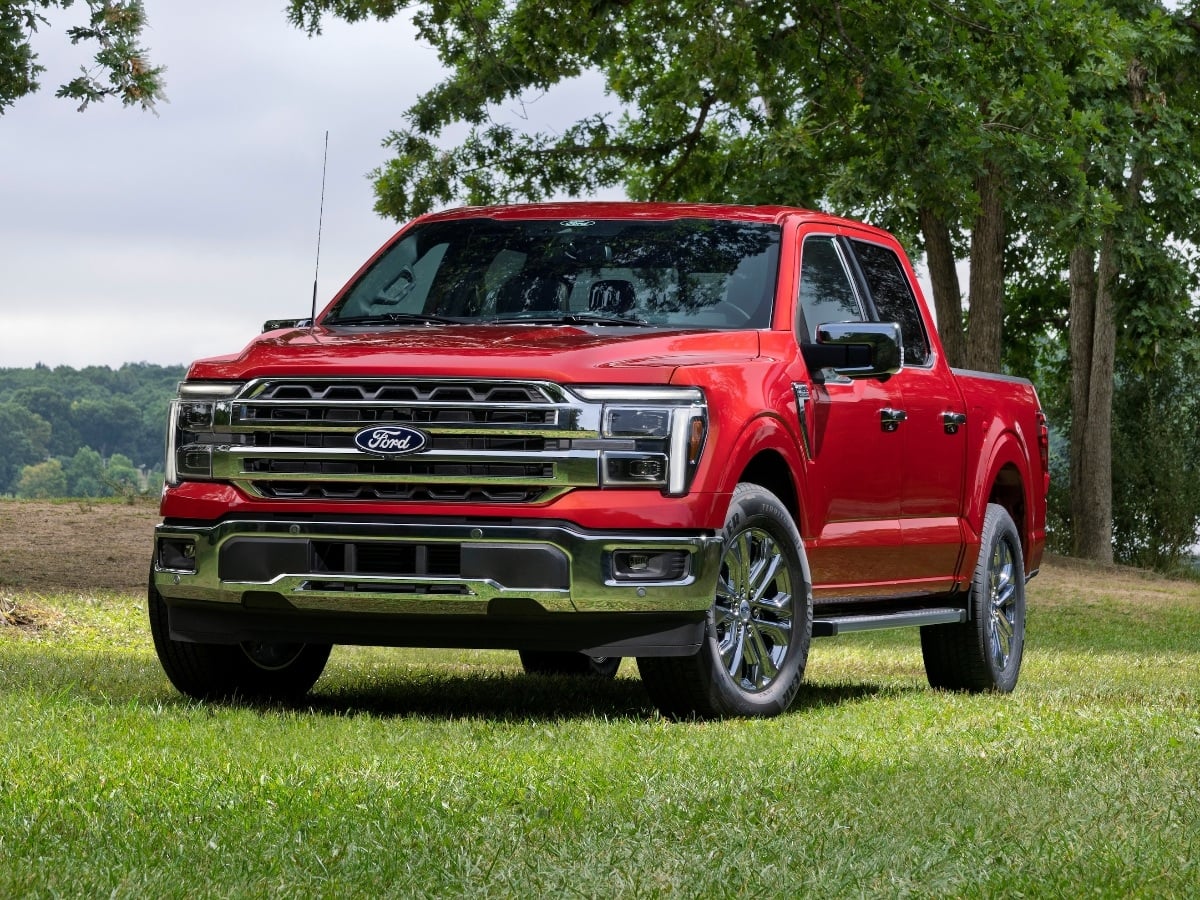
Facing renewed competition in the full-size, light duty pickup truck segment, the 2027 Ford F-150 receives subtle styling updates, a new standard engine, broader availability of its 5.0-liter V8, and ...See More
Read the Full Article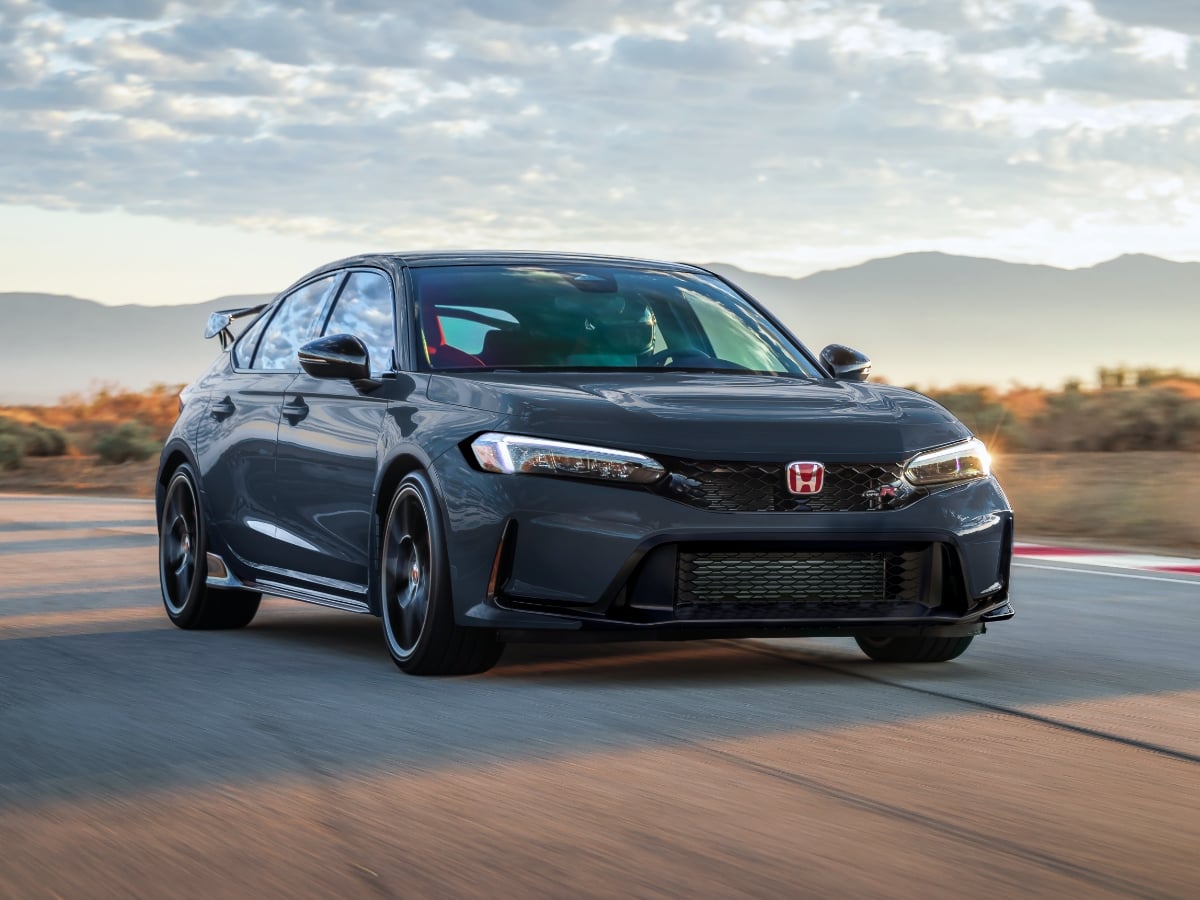
The 2027 Civic Type R goes on sale in October 2026, and it starts at $49,990, including the $1,295 destination charge.
Read the Full Article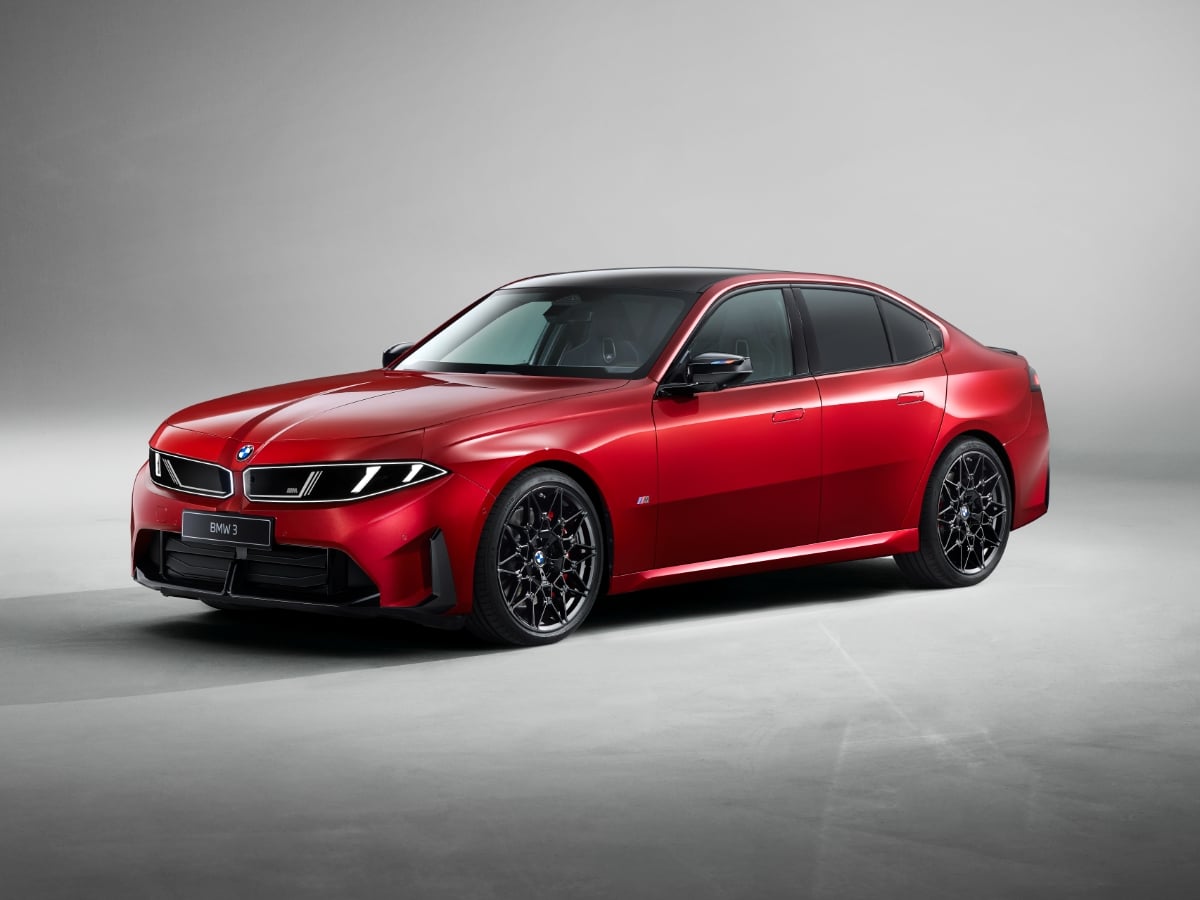
Part of BMW’s Neue Klasse (new class) rollout of redesigned models, the 2027 BMW 3 Series is all-new and goes on sale in the first quarter of 2027.
Read the Full Article