
Different types of cars have different types of suspensions. Most car owners have heard the term “strut,” but may not be clear as to what exactly the struts on a vehicle are or what they do.

Most straightforwardly defined, the struts are a structural component of most modern independent suspension systems and serve as a connection point between the wheel and the vehicle body. They are mounted at the top of the chassis at the front end of most front-wheel-drive vehicles. However, struts are not limited to front-wheel-drive configurations. The primary purpose of the struts is to support the weight of the vehicle while also absorbing surface impacts and ensuring a smooth ride.
A strut assembly consists of two primary elements:
Other components of the strut geometry include the spring seats, the strut bearing, and the steering knuckle. Struts are typically installed in conjunction with the front wheels, but depending on a vehicle’s setup and driveline, they can also be mounted at the rear wheels. Just as there are different types of cars, there are different types of struts.
The most widely used design by auto manufacturers is known as the MacPherson strut, which uses the top of a telescopic damper as the upper steering pivot. A MacPherson strut serves as a shock damper but is also engineered to handle significant lateral loads, such as when the vehicle is cornering. Other common strut designs include the coilover strut and the air strut. You can easily compare cars to determine which models have which type of strut.
“Shocks” and “struts” are terms often used together or interchangeably, but that can create confusion. There are major differences between the two components. Shocks, by themselves, have one primary function – to absorb bumps at each wheel – but they are not essential in the operation of a car or truck. Struts, on the other hand, have multiple functions (including shock absorption) and are essential for vehicle operation. Struts allow control and maneuverability of the vehicle.
When the struts are functioning properly, they will minimize the bounce a vehicle would otherwise undergo in normal driving. As a result, occupants experience a smoother and more level ride, free from most unwanted oscillations and jarring movements. Struts are important to overall vehicle operation because they are integral to both the suspension and the steering systems. In addition to general ride quality and load-bearing support, they impact brake performance, wheel alignment, and turning ability.
Some vehicles utilize a strut tower brace, a rigid bar installed across the top of the chassis to increase a vehicle’s stiffness. This kind of reinforcement enhances the vehicle’s overall dynamics, especially through high-speed handling maneuvers and cornering.
Given the significance of struts, it is essential to perform regular inspections and maintenance. For those living in climates with higher precipitation, struts should be checked specifically for rust and corrosion. General strut replacement is recommended between 60,000 and 80,000 miles, but sooner if your vehicle regularly carries heavy loads or drives on unpaved road surfaces. These conditions can cause struts to wear more quickly.
Fortunately, there are strategies to prolong the life of your struts. Making sure your struts are in good working order requires periodic inspection by an authorized technician. Many mechanic shops and garages offer this service at no charge along with tire and brake inspection. In addition to strut inspection, you should ask your mechanic to add lubrication to the suspension components during regular oil changes. Regular wheel alignments are also crucial as aligned wheels enable proper tire contact angles which improves steering.
Driving behavior is also impactful in extending the life of the struts. Unsurprisingly, hitting potholes and speed bumps at high speeds causes stress on the suspension. Reducing your speed in advance and avoiding road imperfections limits the impact on your struts.
Aside from mileage and harshness of use, there are numerous indicators that your struts may need replacement. One of the most common signs is a bumpy ride – especially when driving over road imperfections that otherwise wouldn’t have been noticeable. Another indicator is steering issues such as an unresponsive or stiff steering wheel. Braking issues are also a symptom. For instance, if the vehicle nose dives when applying the brakes, then strut replacement might be necessary. An unusual vibration following driving over a bump is also a possible sign of strut problems. Signs of hydraulic fluid leaks under the tire well and uneven tire tread wear are also causes for further investigation.
There are simple tests you can perform on your own to check strut performance. One example is to push down the hood by hand to see if it comes back up and settles immediately. If it oscillates more than twice before settling, the struts are likely not functioning optimally.
Unfortunately, struts are pricey to replace and because they come in pairs, two need to be replaced each time. Expect to pay approximately $300 to $700 per strut for the front and $220 to $580 per strut for the rear. Strut replacement takes two to three hours when conducted by a professional. Given the importance of struts from a handling standpoint, they are crucial to your vehicle’s safety and performance.
Struts are the structural support for the suspension and impact ride, handling, steering, wheel alignment, braking, and more. Faulty struts can cause catastrophic issues and are costly to repair. Fortunately, struts typically last 60,000 to 80,000 miles, and regular maintenance, as well as driving behavior, can help you get the most time and mileage out of your struts.


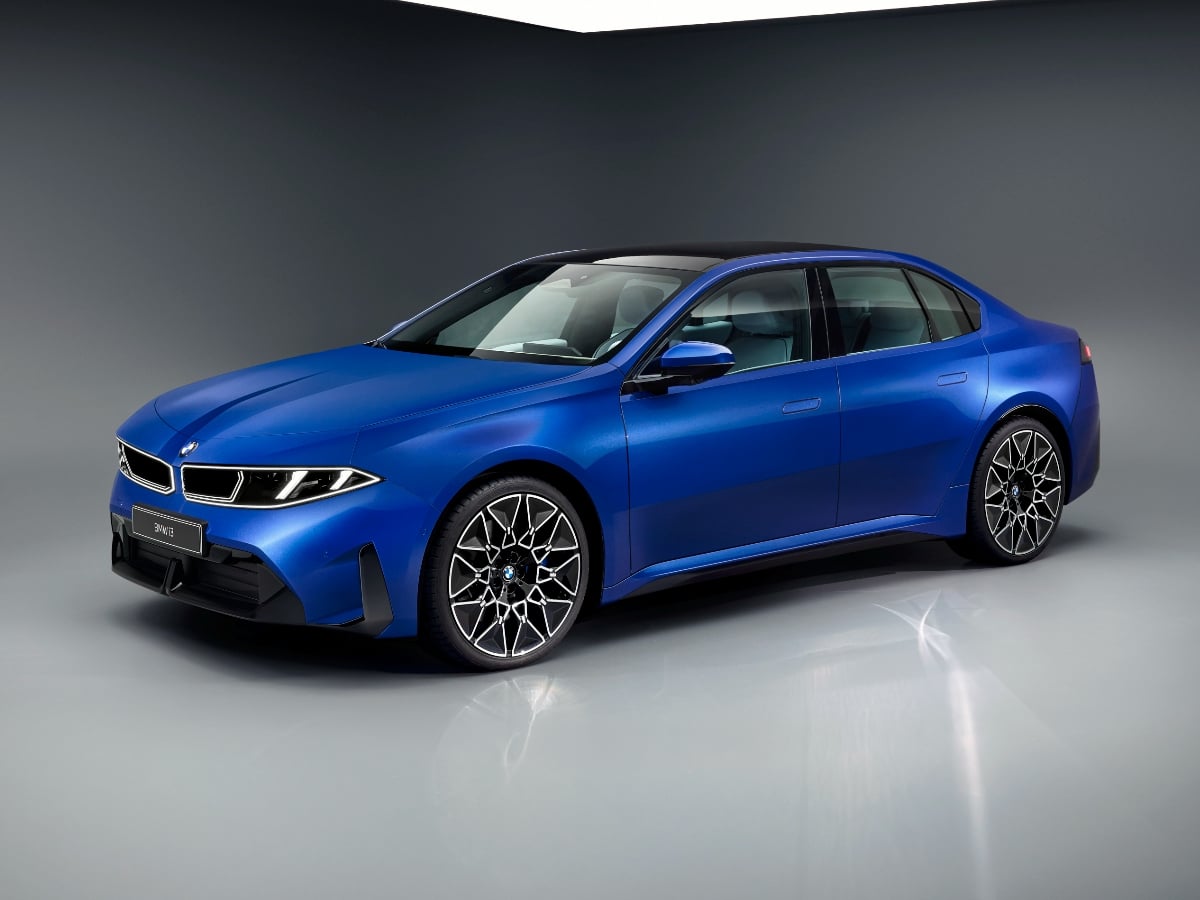
The new 2027 BMW i3 boasts an estimated range of up to 440 miles, 400-kilowatt DC fast charging capability, bidirectional charging to a home or the grid, and next-generation technology.
Read the Full Article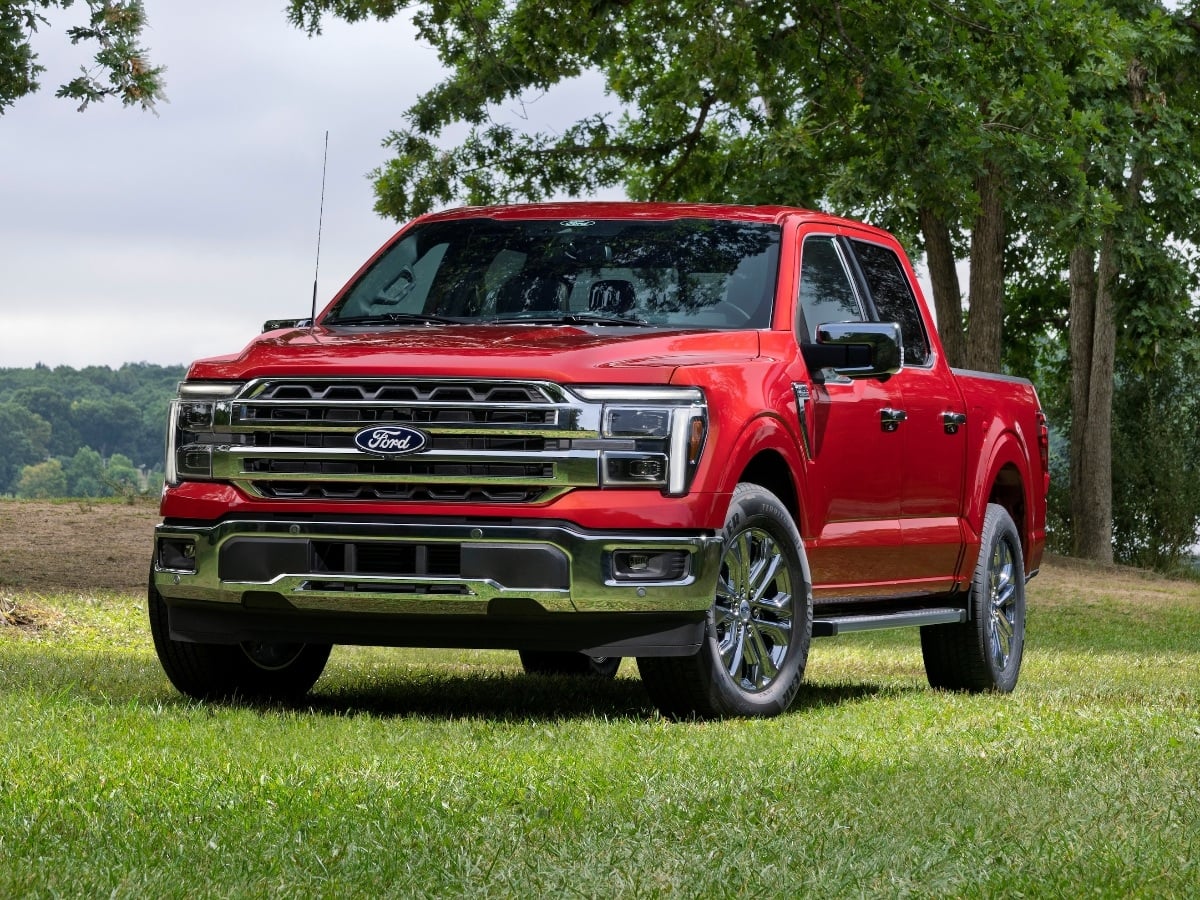
Facing renewed competition in the full-size, light duty pickup truck segment, the 2027 Ford F-150 receives subtle styling updates, a new standard engine, broader availability of its 5.0-liter V8, and ...See More
Read the Full Article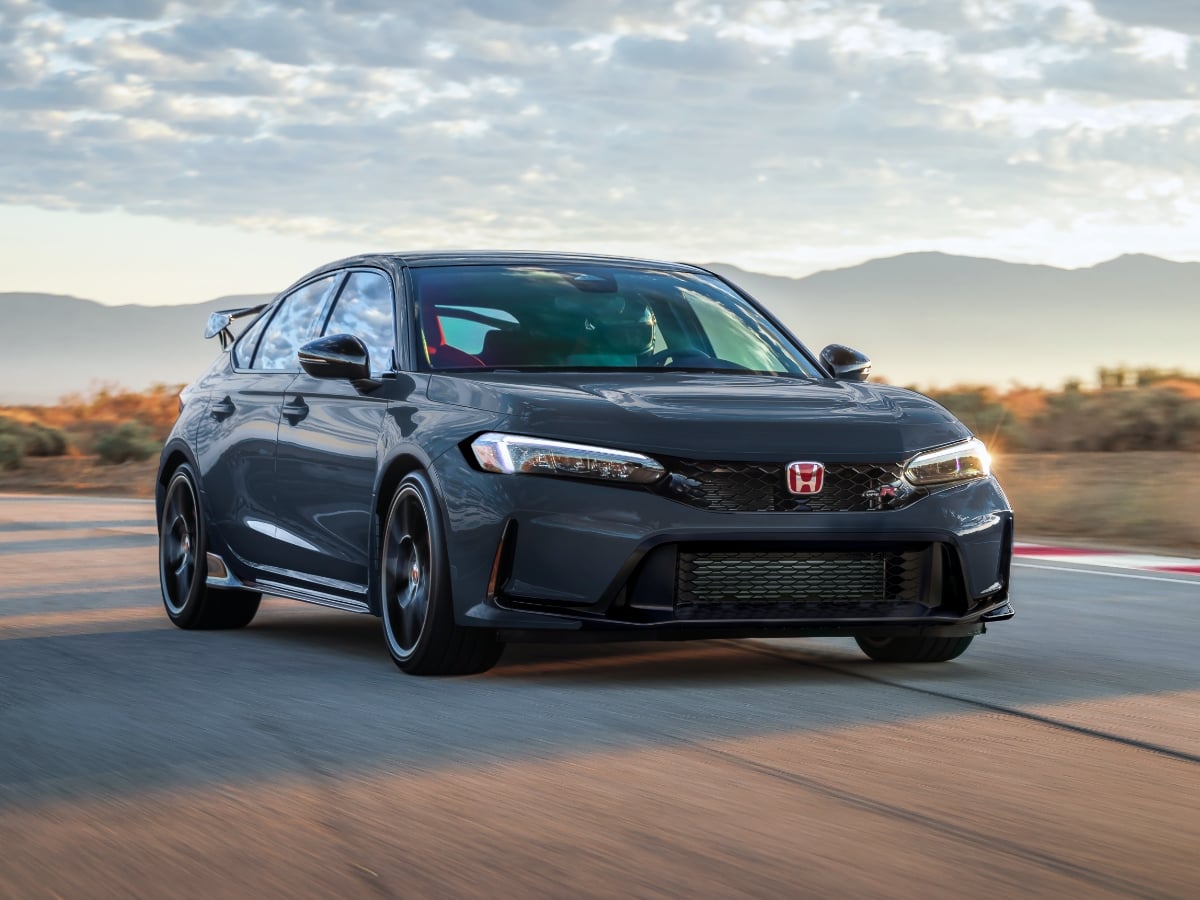
The 2027 Civic Type R goes on sale in October 2026, and it starts at $49,990, including the $1,295 destination charge.
Read the Full Article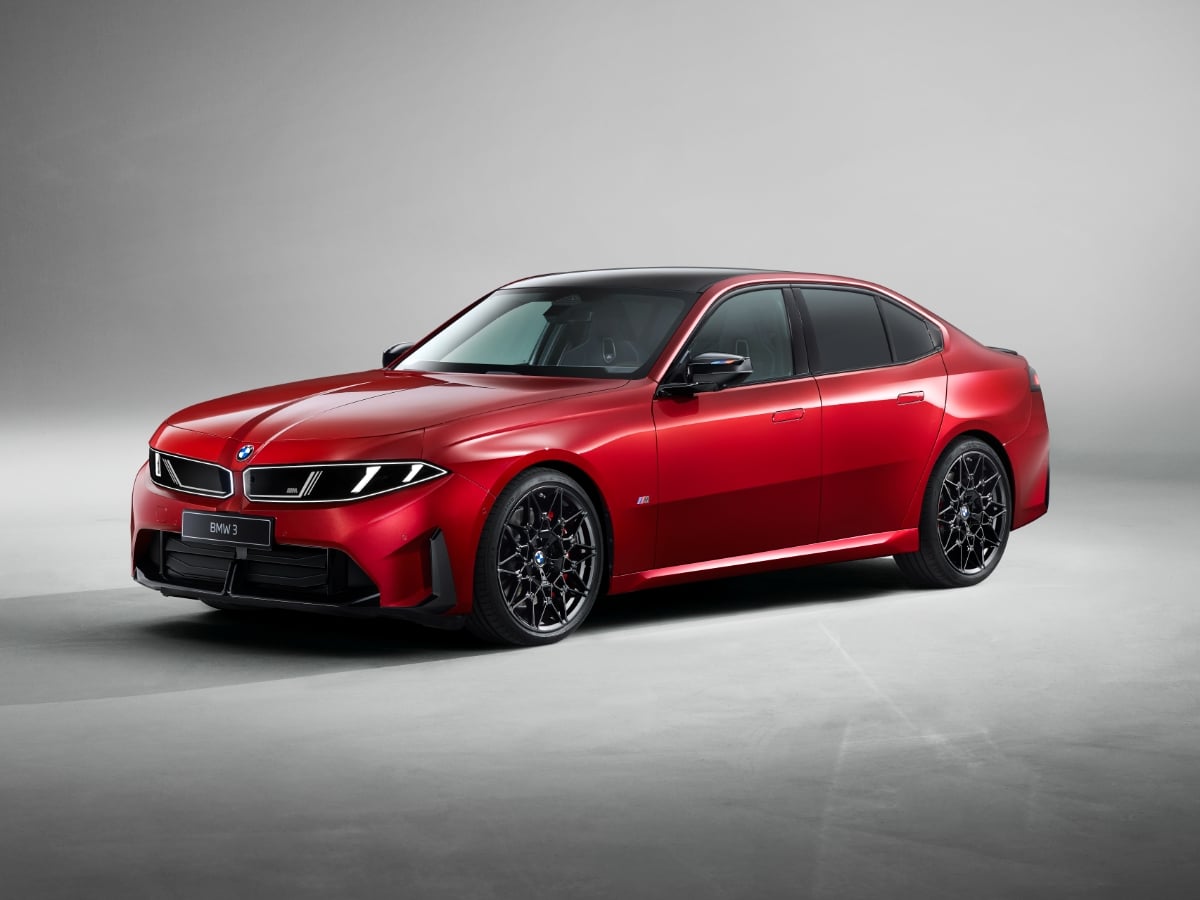
Part of BMW’s Neue Klasse (new class) rollout of redesigned models, the 2027 BMW 3 Series is all-new and goes on sale in the first quarter of 2027.
Read the Full Article