134
210
1 speed
Electric
Front Wheel Drive
With a starting price below $30,000, including the destination charge, the 2027 Chevrolet Bolt will be among the most affordable electric vehicles (EVs) on the market when it debuts in early 2026.

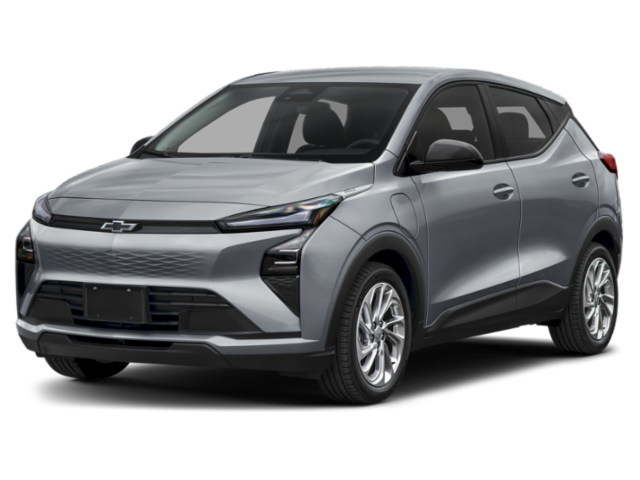
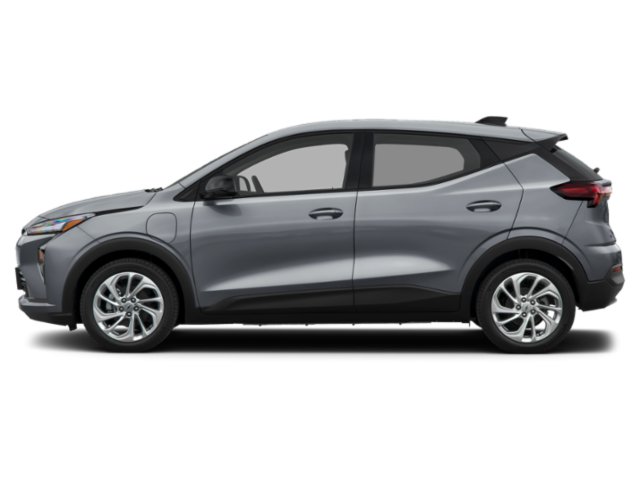
Available in LT and RS trim levels, Chevrolet offers the new 2027 Bolt exclusively as a tall, four-door hatchback. Some might even see it as a crossover SUV, although it does not come with all-wheel drive. A single electric motor powers a 65-kilowatt-hour (kWh) battery.
Later in the model year, Chevy will introduce an even more affordable LT version with a starting price of $28,995, including destination charges. However, the EV will not be available for long, as Chevrolet says the new Bolt will have a limited run.

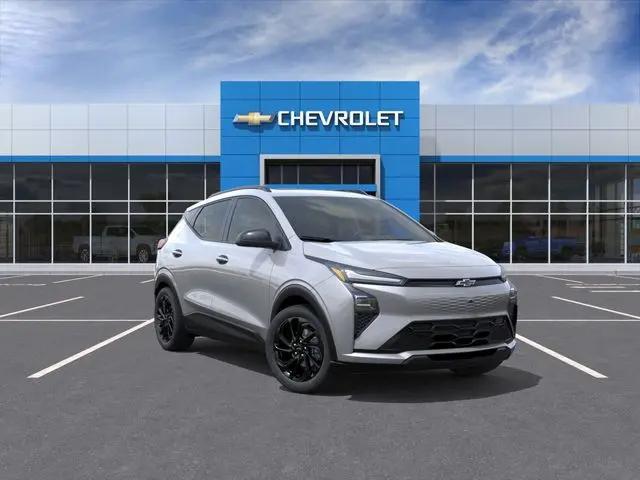
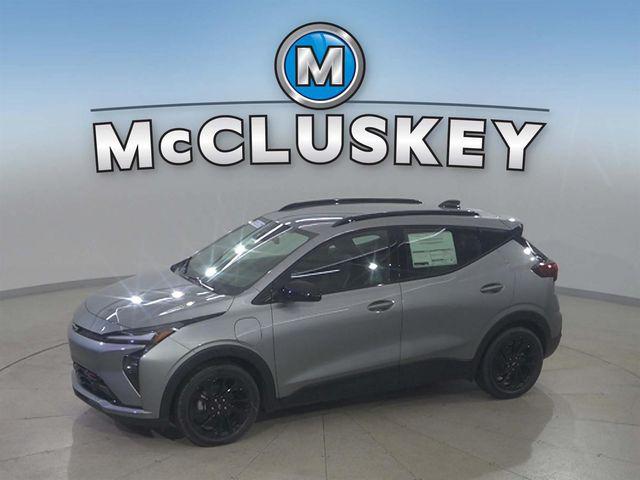
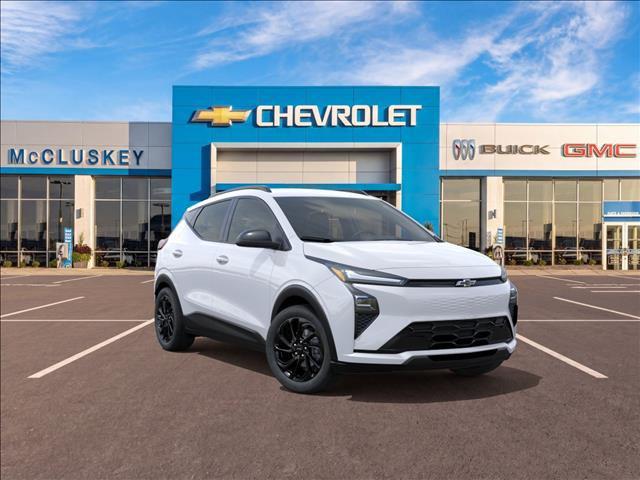
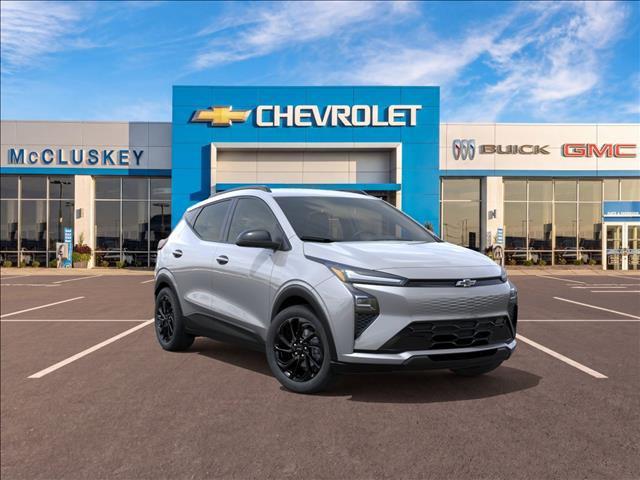
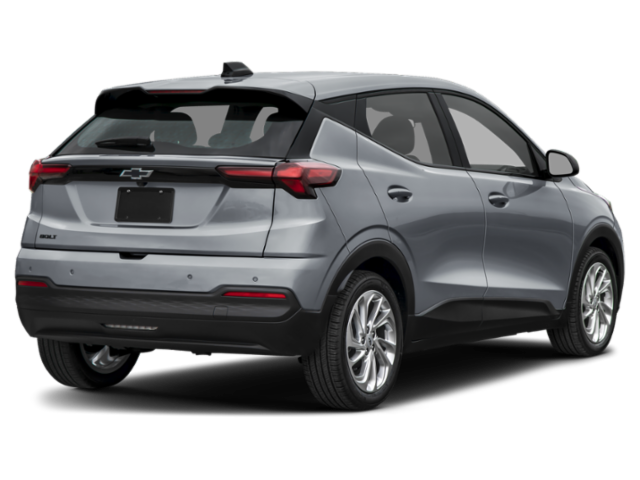
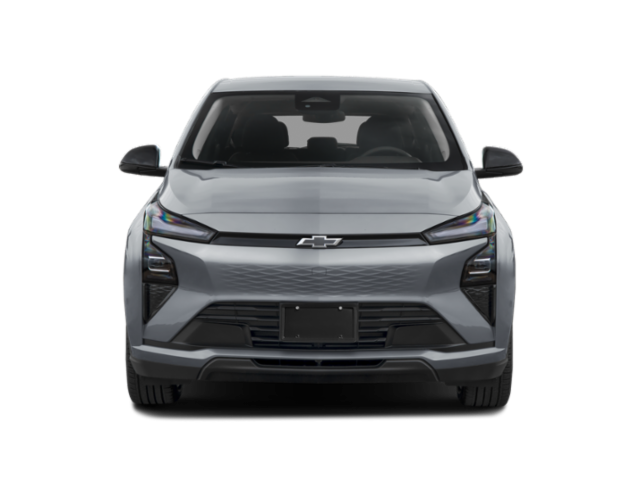
The 2027 Chevrolet Bolt maintains a familiar shape. Not surprising given that the new Bolt is based on the previous Bolt EUV—a tall hatchback (itself based on the slightly shorter Bolt EV) that Chevrolet sold for the 2022 and 2023 model years. The new Bolt features minor exterior styling updates and is available in seven colors. The wheels are 17 inches and offered in three finishes.
New for 2027 is the RS trim package. It features a unique grille badge along with gloss black roof rails and wheels. It is also available in an exclusive color—Atomic Yellow—with red stitching inside. While not flashy, the RS trim adds a touch of sportiness to an otherwise plain package.

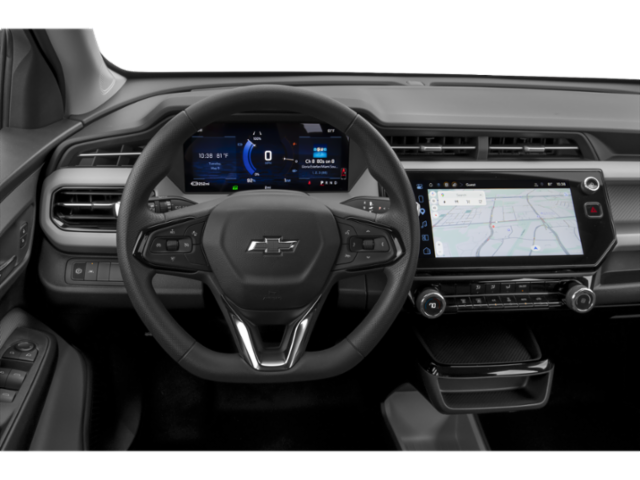
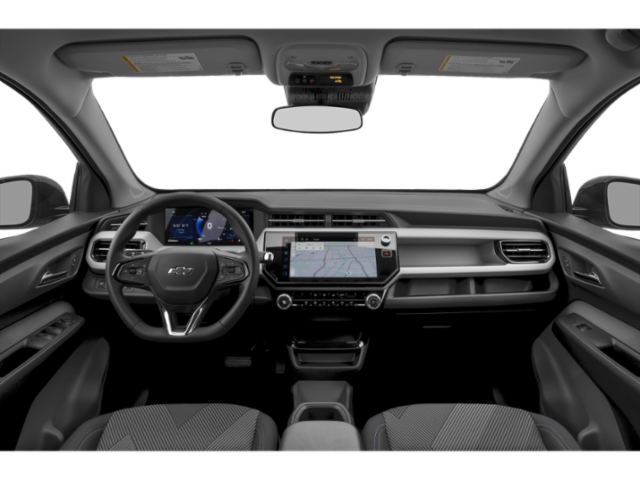
Like the exterior, the 2027 Bolt interior closely resembles that of its predecessor, with a few notable exceptions. Drivers face an 11-inch, customizable gauge display, and there is a new 11.3-inch infotainment touchscreen. Chevrolet also reworked the center console area, moving the gear selector to the steering column, which creates more space between the front seats.
Chevrolet improved the Bolt’s interior storage in several ways. First, the automaker added a new storage compartment to the dashboard in front of the passenger front seat. It also included open storage spaces beneath the instrument panel and, with the shifter moved, between the front seats. The cargo area behind the rear seat measures 16.2 cubic feet; this space expands to 56.3 cubic feet when the seat is folded.
Regarding feature options, buyers can choose a heated steering wheel, heated and cooled front seats, and a new wireless smartphone charger. A panoramic sunroof is also available. Offering these features as optional helps keep the Bolt’s price affordable.

The 2027 Bolt features a new electric drive unit that parent automaker General Motors (GM) says minimizes the use of rare-earth materials during production, resulting in cost savings. Additionally, GM says its design maximizes driving range while reducing energy use. The drive unit, which produces 210 horsepower and 169 pound-feet of torque, draws power from a 65-kWh battery. GM estimates the Bolt’s range at 255 miles. Regenerative braking helps send energy back to the battery, whether or not the driver uses one-pedal driving.
The new Bolt features a native NACS charge port, making it the first Chevrolet model to do so, according to the automaker. It can charge the EV at speeds of up to 150 kilowatts (kW) with a DC fast charger—more than 2.5 times faster than the previous Bolt—letting you charge the car’s battery from 10 to 80 percent in about 26 minutes. Additionally, by utilizing its vehicle-to-home (V2H) bidirectional charging capability, the Bolt can power your home during an electricity outage.

The 2027 Bolt features a standard Google Built-in infotainment system, displayed on a central 11.3-inch touchscreen. Among other features, the integrated Google Maps automatically provides useful information on battery range, route options, and charging recommendations based on the charging station's status. The Bolt will even pre-condition the battery to optimize DC fast charging during your route.
Google Maps also works with the optional Super Cruise hands-free driving system to show roads compatible with the technology and tell you how many minutes you can drive hands-free. It also helps you position your Bolt correctly in the lane when exiting the highway or entering an interchange.
According to Chevrolet, the 2027 Bolt features over 20 standard advanced driver assistance systems (ADAS), including intersection turn assistance, rear automatic braking, and active rear cross-traffic warning.