25 - 27
30 - 33
255 - 393
8 speed, Automatic w/OD
Intercooled Turbo Gas/Electric I-4, Intercooled Turbo Gas/Electric I-6
All Wheel Drive
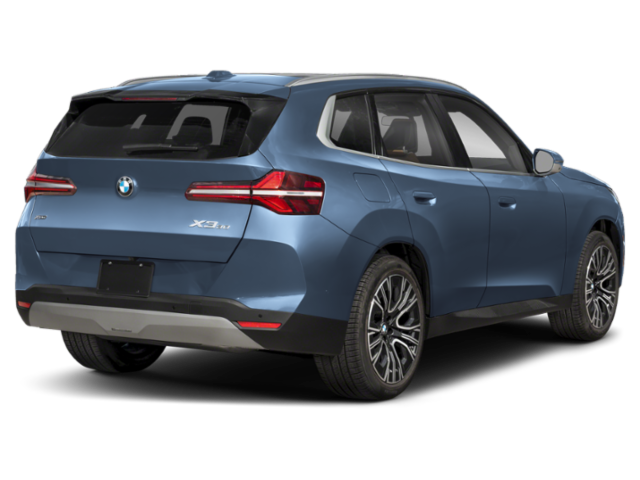
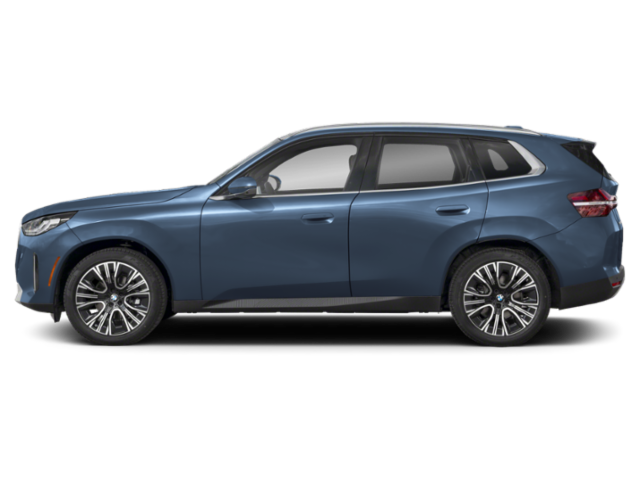
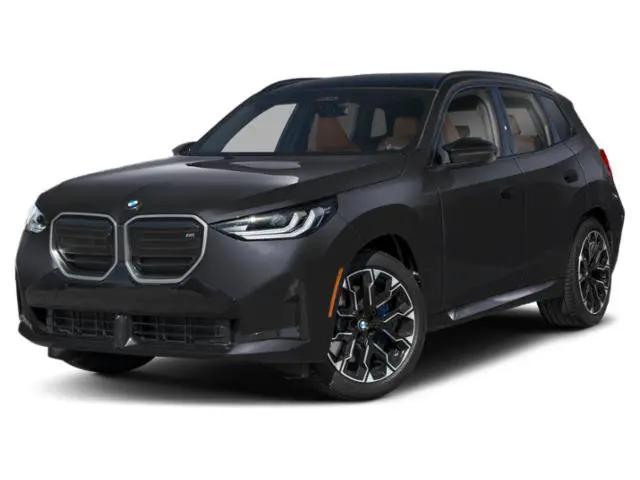
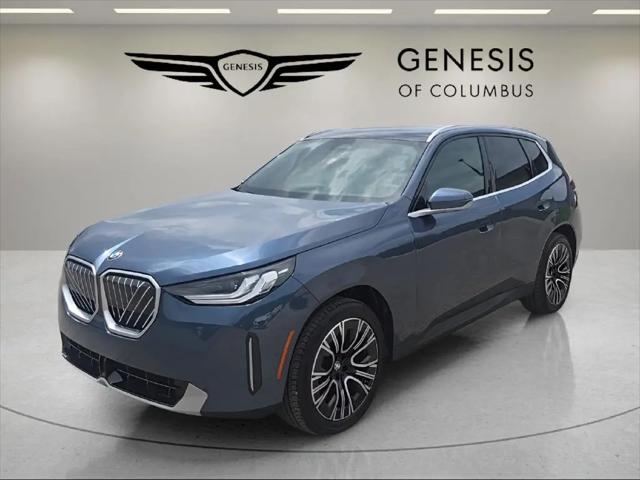
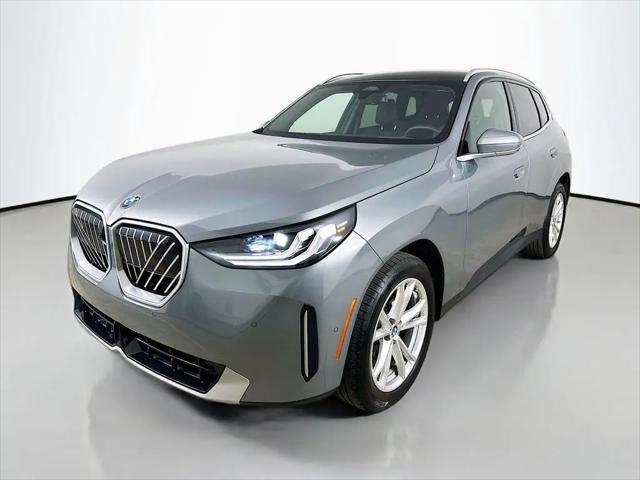
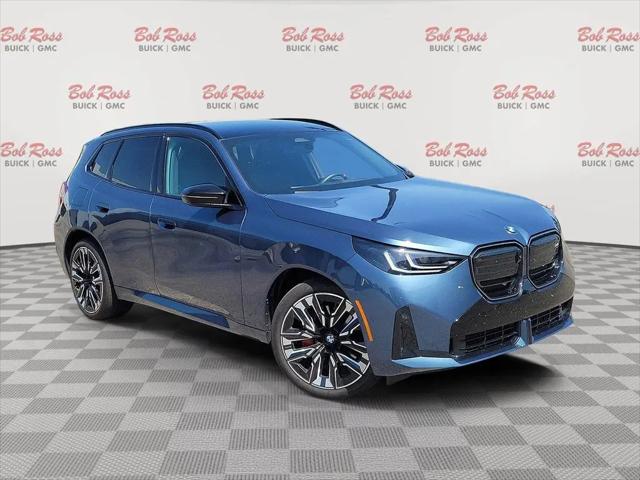
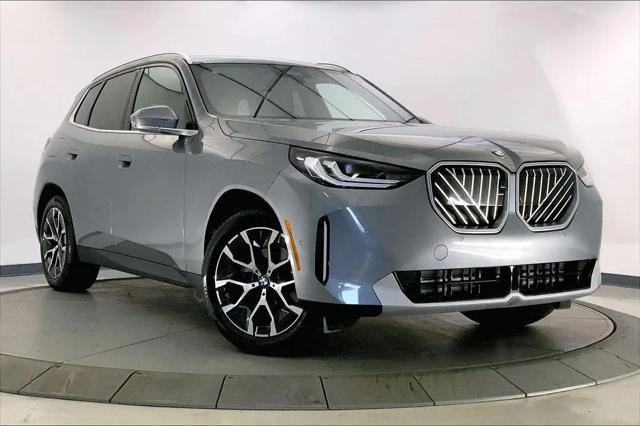
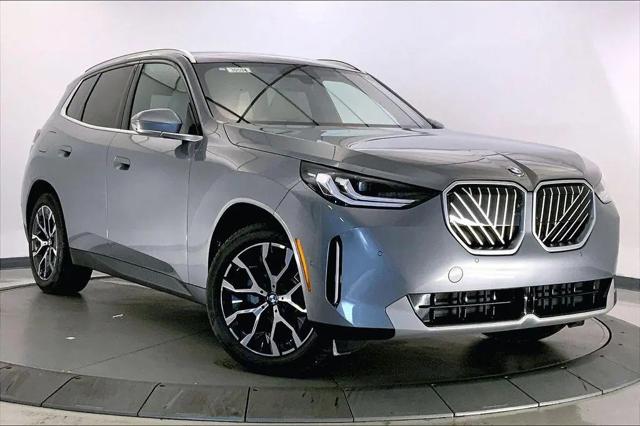
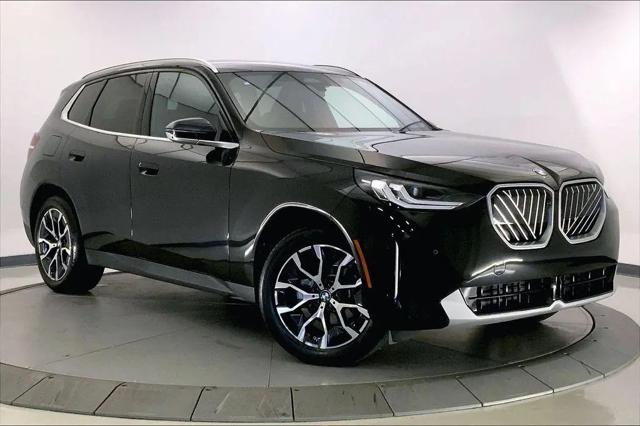
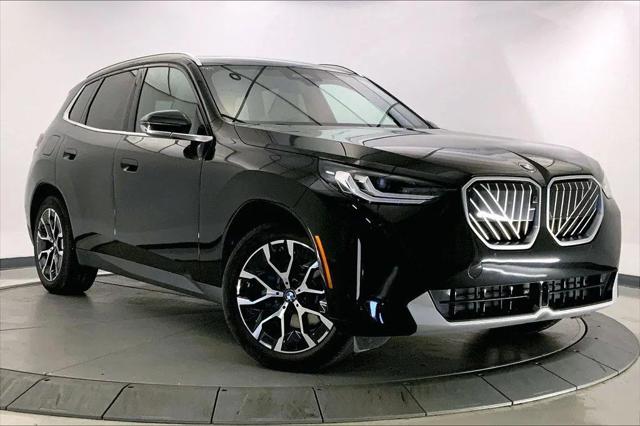
The 2025 BMW X3 is all-new, and unlike many previous BMW redesigns that were more evolutionary, this one is a true transformation. Everything from the overall profile and the geometric pattern in the kidney grille to the interior’s distinctive design and curved display emphasizes its radical change. It’s certainly now a more distinctive option in the compact premium SUV segment, but BMW has also made several functional improvements.
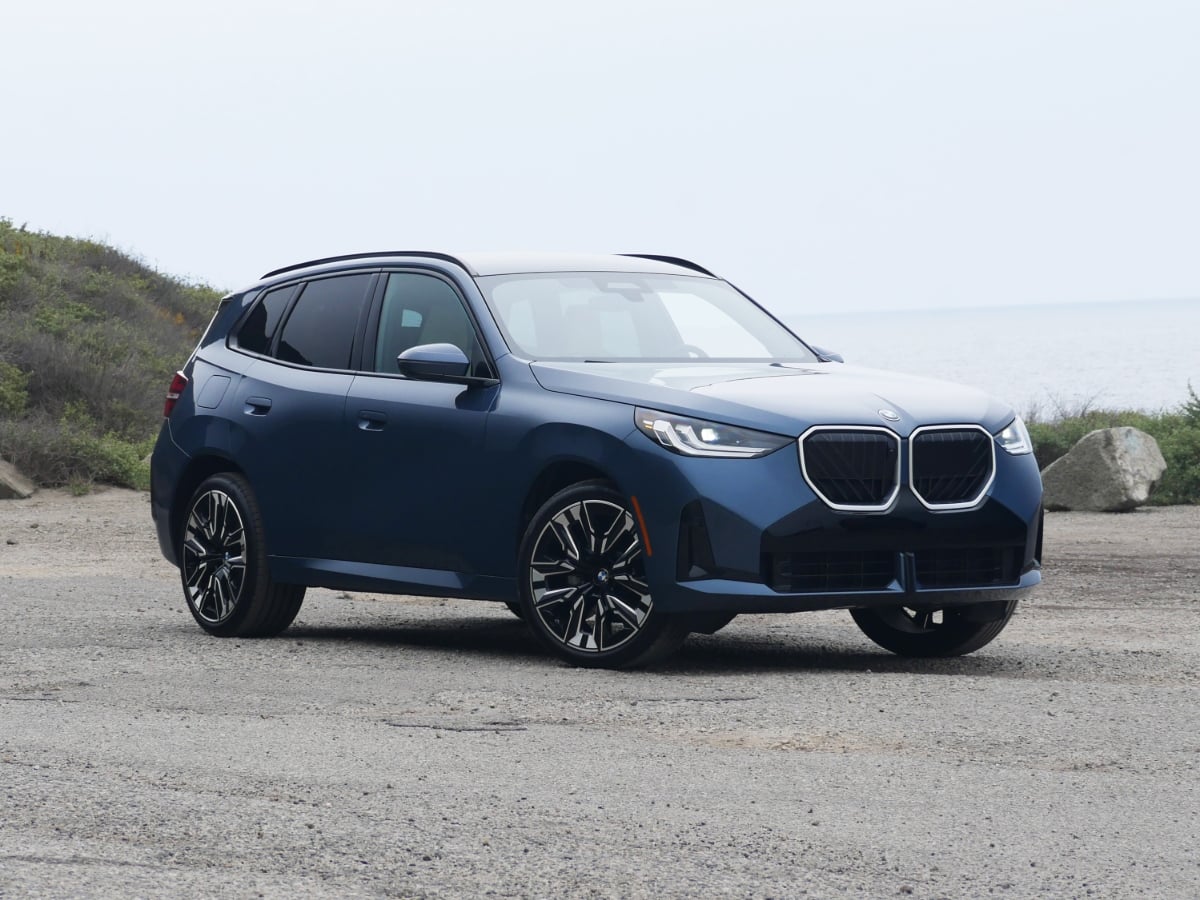
Photo: James Riswick
The new X3 is longer and wider than the previous generation. The cargo area expands and now includes a spare tire as standard equipment (it was previously an option and significantly limited cargo capacity). The two models/engines see significant improvements in performance and fuel efficiency, while numerous chassis updates make the X3 much sharper to drive. BMW also overhauls the X3’s interior controls, but I’ll go into more detail about that below.
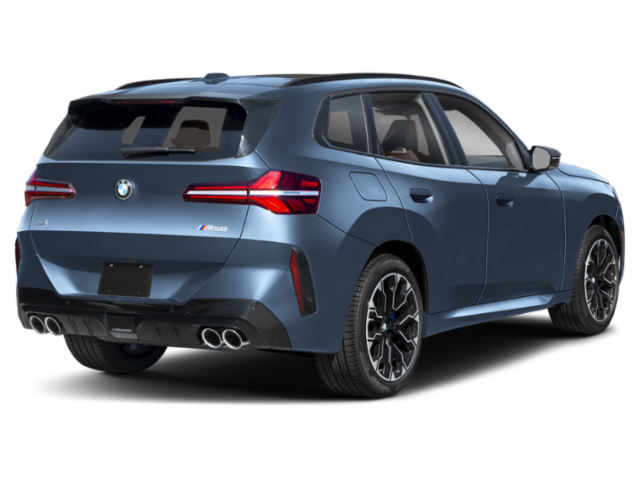
For 2025, BMW renames the X3 30 xDrive and X3 M50 xDrive. The main difference lies in the engine: the 30 has a turbocharged 2.0-liter four-cylinder engine (255 horsepower and 295 pound-feet of torque), while the M50 is equipped with a turbocharged 3.0-liter six-cylinder (393 hp, 428 pound-feet). Both models feature mild-hybrid technology, an eight-speed automatic transmission, and all-wheel drive (AWD). The M50 also has chassis and styling enhancements. The 30 xDrive starts at $51,125, and the M50 xDrive begins at $67,075, including the destination charge.
For this 2025 X3 review, BMW provided a test vehicle equipped with the 30 xDrive trim and the following options:
The test vehicle’s manufacturer's suggested retail price (MSRP) was $60,875, including the $1,175 destination charge to ship the SUV to your local dealership from the Spartanburg, South Carolina, assembly plant.

Photo: James Riswick
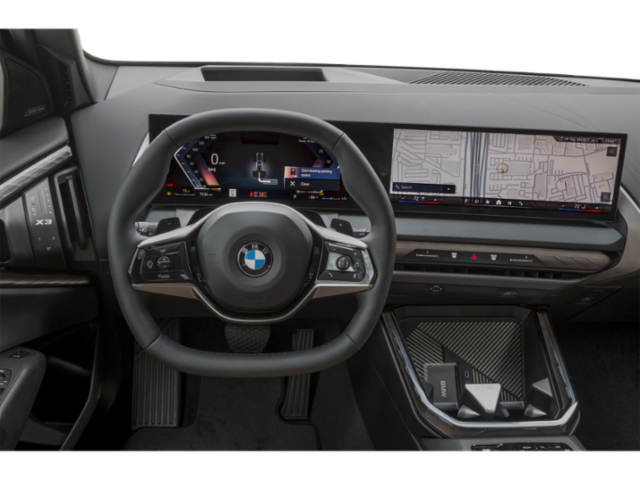
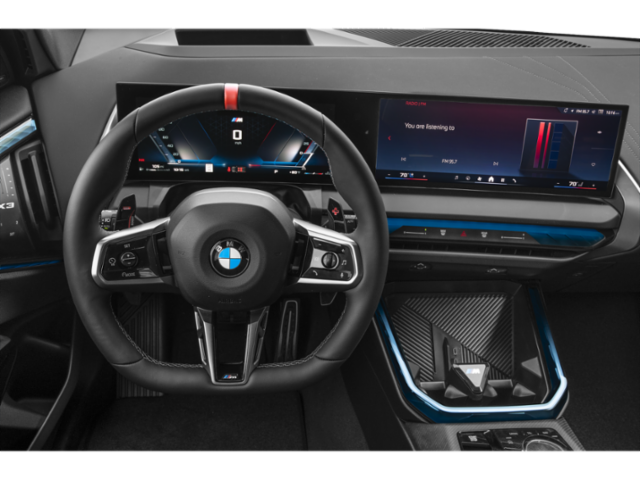
Climbing into the X3 reveals a cabin design quite unlike anything I’ve seen. It features an uncluttered, ultra-modern, screen-centric look with enough visual flourishes, interesting details, and ornamentation (the customizable, multi-color trim panels are really cool) to prevent it from feeling stark. Most importantly, everything looks and feels high-quality—interior quality seems better than the last generation.
I was also amazed by the driving position. The steering wheel adjusts telescopically to an extreme degree, and combined with a wide range of seat adjustments, this 6-foot-3 driver could sit comfortably closer to the wheel with my legs perfectly positioned in a way I haven’t felt since late 2000s BMWs and Volvos. The seat itself is also notably supportive, and the simulated leather doesn’t look or feel fake.
Back-seat legroom remains virtually the same as the previous generation, and while headroom is a bit less, my hair didn’t touch the roof. Overall, the space it provides is fairly unremarkable and, in my opinion, seems typical for the segment.
Cargo space is excellent, however. I believe the boxier roofline shape for 2025 helped increase the volume to 31.5 cubic feet (up from a best-possible 28.7) and allowed me to pack more luggage inside. Indeed, the Acura RDX is the only compact luxury SUV that managed to fit more of my belongings in its cargo area. Interior storage is also very good, with handy cupholders in the center console and doors, and a space-efficient diagonal phone bin.
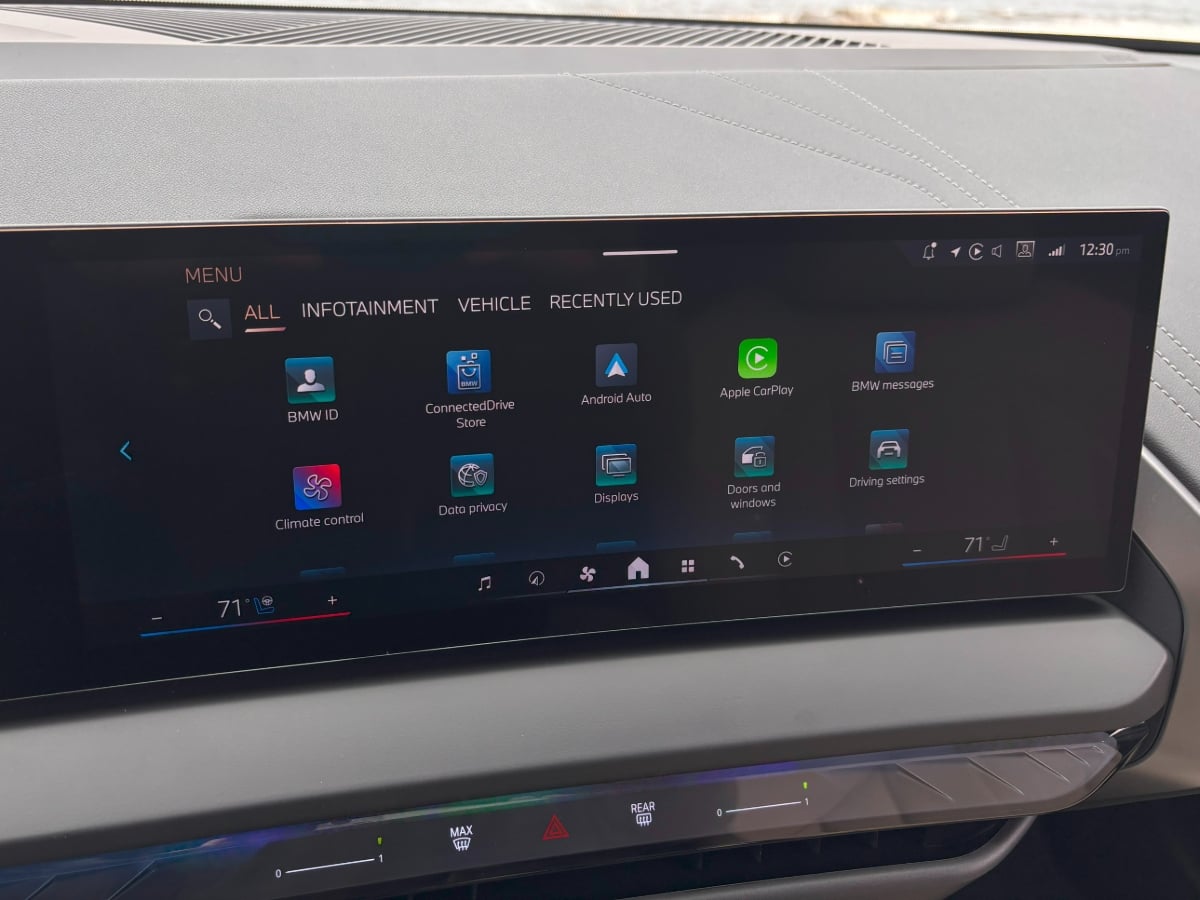
Photo: James Riswick
The X3 features the newest version of BMW’s updated interface and interior control system. It is so complicated, confusing, and constantly frustrating that I would find it hard to buy or even recommend the X3, despite its many other impressive qualities.
But first, here’s what you get before I critique it:
You also get climate controls integrated into the touchscreen, which I rarely find agreeable. Worse, only the temperature adjustment remains permanently on screen. For anything else, you must press the small fan button to pull up the climate menu. You even have to tap the touchscreen multiple times to turn on the seat heating, ventilation, or the heated steering wheel. A friend of mine has a BMW with the same setup and despises this functionality.
From there, you’re left with an infotainment system that makes finding things extremely difficult. It took me five minutes just to find the trip computer reset, and I’m used to operating new and different vehicle interfaces. True, customizing the order of the many tiny icons on the Home screen could reduce this frustration somewhat, but the user interface would still be similar to pressing a laptop’s icon-filled home screen while moving.
Now, the system has voice commands. I find these are usually a workaround for a poorly designed touchscreen interface (like this one), but they can sometimes find something seemingly hidden. Unfortunately, the voice-command system in my test car was not working or had been turned off in a menu I couldn’t locate—and believe me, I looked. Either way, it’s not good. Neither the steering wheel voice button nor the vocal prompts worked.
Satellite radio is also not integrated into the car alongside AM and FM. Instead, it relies upon the SiriusXM app, which ironically has its own confusing interface. Every time I got into the car and wanted to change a channel preset, I’d have to click multiple times through the double-whammy of BMW and SiriusXM interfaces just to select a different favorite channel. That quickly becomes frustrating.
A 12.3-inch digital instrument cluster complements the 14.9-inch touchscreen part of the stylish curved dash display. Like other digital gauges, these offer various design options, but they all feel too similar and strange. The aim seemed to be “let’s make these look futuristic!” rather than “let’s ensure you can see your speed.” At the very least, why not add a “classic” design that more closely resembles traditional gauges?
Speaking of throwbacks, kudos to BMW for keeping the redundant iDrive control knob and menu shortcut buttons on the center console. I found that it occasionally eased my touchscreen navigation issues, and some things are just better done with a control knob than a touchscreen.
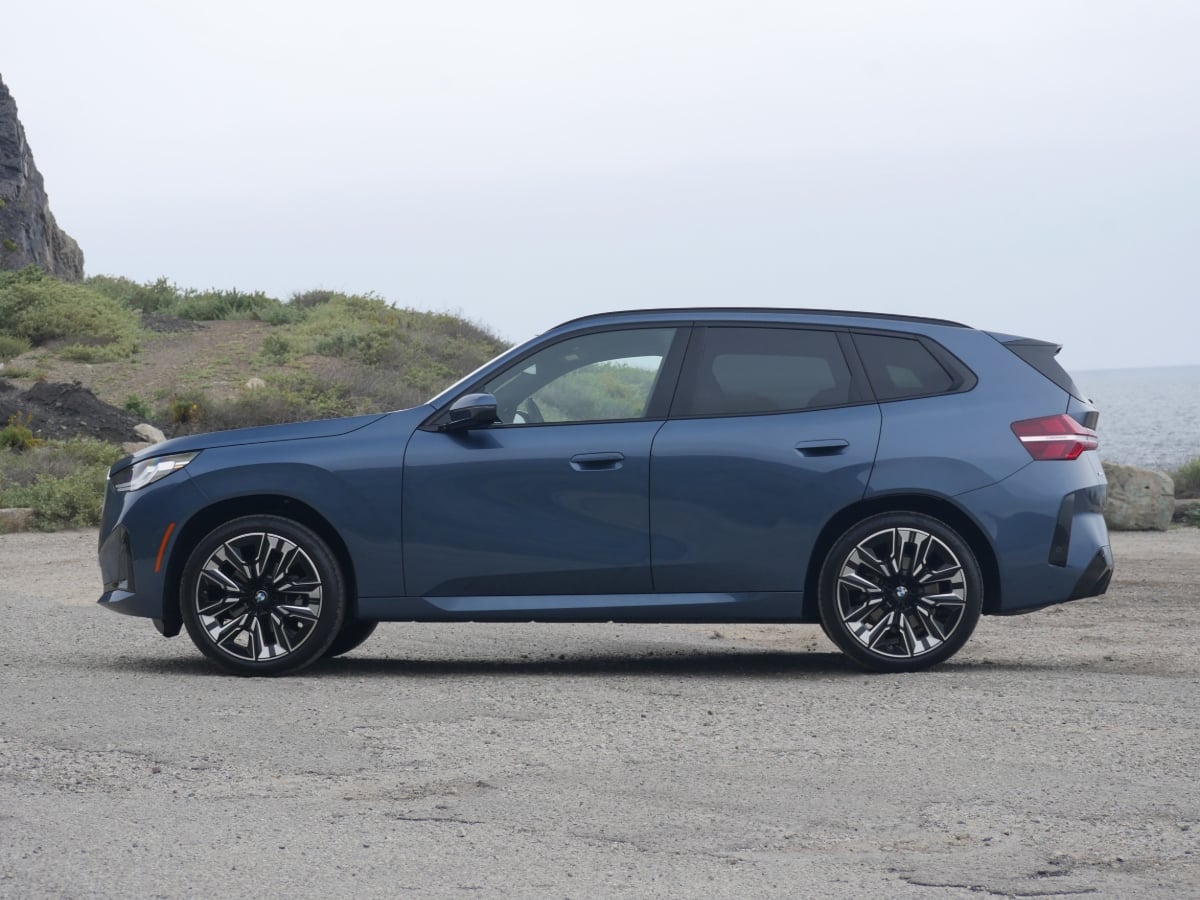
Photo: James Riswick
As much as the X3’s interior controls frustrated me, the driving experience was quite the opposite.
My test car’s M Sport suspension delivered precise body movements through the many turns of my mountain road evaluation route, while the steering offered some real feedback even in the Normal drive mode. That marked a change from a decade and a half of numb BMW steering. The X3 isn’t quite as agile as a Porsche Macan, but in the compact luxury SUV segment, I found the X3 to be one of the most enjoyable to drive around town and in the mountains.
On the highway, the ride remained comfortably smooth despite the M Sport suspension and 21-inch wheels. Some might find bumps too harsh, but there was no head bobbing on concrete roads or jarring impacts. Of course, if you want a softer ride, just skip the M Sport package or larger wheels.
The most impressive dynamic element, however, is the engine. I could do without the overly contrived noises piped over the stereo when in Sport mode, but everything else about this mild-hybrid turbo-four seems like BMW engineered it to a high standard. It’s smooth, torquey, responsive, and (usually) sounds good. It has the abundant power needed for merging and passing that is expected of a luxury vehicle. Its eight-speed automatic is equally impressive.
Its fuel economy is an additional highlight. This engine delivers 255 hp and 295 pound-feet of torque, yet it achieves an EPA-estimated 29 mpg combined. That’s better than a Honda CR-V, which only has 190 hp and 170 pound-feet. I got 27.2 mpg on my 75-mile test route (all that mountain driving didn’t help) with an EPA-beating 34.5 mpg on the highway section.

Photo: James Riswick
The X3’s standard suite of advanced driver assistance systems (ADAS), dubbed Active Driving Assistant, isn’t as comprehensive as what you’ll find in most non-luxury SUVs. Specifically, you have to pay extra for adaptive cruise control (ACC).
Included features are:
These systems all operated as expected without false alarms or excessive beeping during my evaluation.
BMW equipped my test car with the $1,700 Driving Assistance Professional package, which is entirely made up of the Active Driving Assistant Pro system that includes ACC, lane-centering assistance, and automated lane changes on the highway. It can also provide hands-free driving on the highway, but only below 40 mph.
While systems like GM’s Super Cruise and Ford BlueCruise operate at high speeds, I still found the X3’s optional system overall to be one of the better ones available. Whether hands-on or off, the steering did a good job of keeping the car centered in its lane, and the ACC maintained speed and distance as it should.
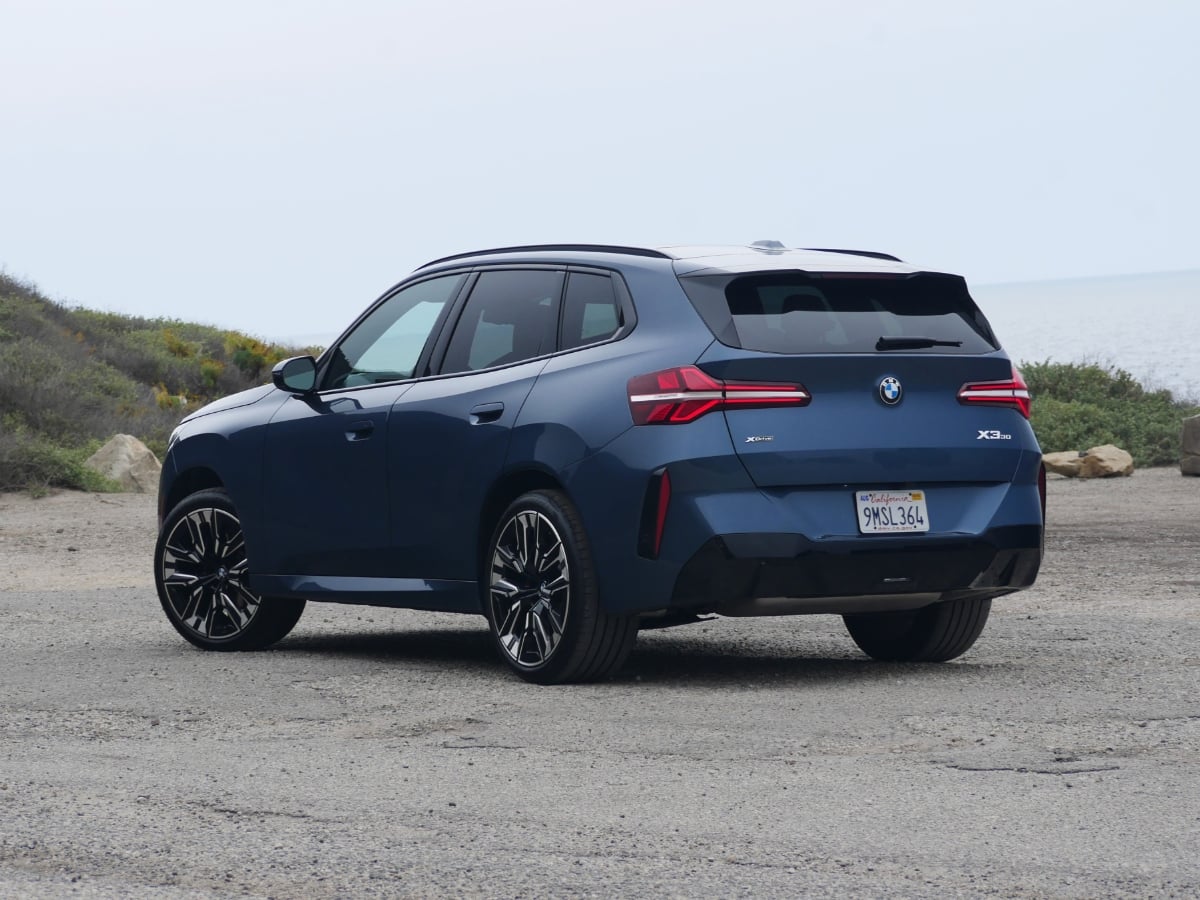
Photo: James Riswick
According to the JD Power 2025 Initial Quality Study (IQS), the Acura RDX ranks highest in the Compact Premium SUV segment. The Lexus NX and the BMW X4 are the next-highest-ranked models.
According to the JD Power 2024 Automotive Performance, Execution and Layout (APEAL) Study, the BMW X4 ranks highest in the Compact Premium SUV segment. The Jaguar F-Pace and the Porsche Macan are the next-highest-ranked models.
Other 2025 X3 competitors include the Audi Q5, Genesis GV70, Mercedes-Benz GLC, and Volvo XC60.