105 - 106
93
302 - 422
1 speed, Automatic
Electric
All Wheel Drive, Rear Wheel Drive

Photo: Tim Stevens
The 2025 Audi Q6 E-tron lineup starts with the single-motor, rear-wheel drive (RWD) model, with a starting price of $63,800. That will do 321 miles on a charge, making a maximum of 322 horsepower in launch mode and 302 otherwise. Stepping up to the all-wheel-drive (AWD), dual-motor Q6 E-tron Quattro costs only $2,000 more and drops range to 307 miles but boosts power to 456 hp in launch mode, 422 without.
Finally, there's the sportier SQ6 E-tron Quattro. It has the lowest range of the bunch—275 miles on a charge—but the most power: 509 hp in launch mode or 483 in normal conditions. Predictably, it's the most expensive, at $72,900 to start. A 100-kilowatt-hour (kWh) battery pack (94.4 net) powers all of them. It can charge at 260 kilowatts (kW) for the RWD model or 270 kW for the others.
For this review, I drove a 2025 Audi Q6 E-tron Quattro in Premium Plus trim with the Prestige package. This $6,800 bundle includes niceties like an augmented-reality (AR) head-up display, adaptive air suspension, and a Bang & Olufsen surround-sound system. The test vehicle's price was $76,790, including the $1,295 destination charge to ship the SUV to your dealer from its manufacturing facility in Ingolstadt, Germany.

Photo: Tim Stevens
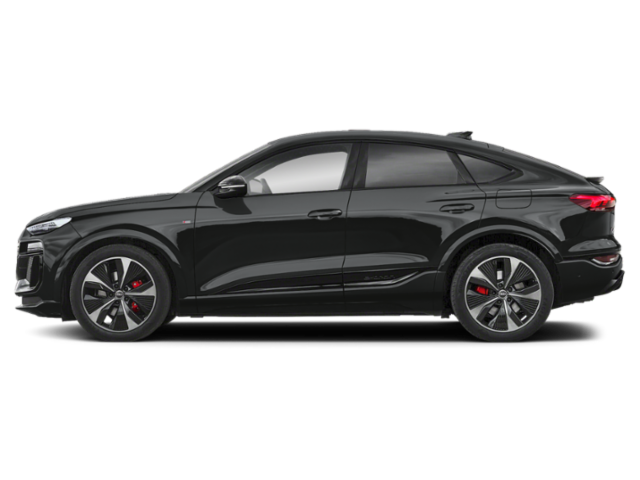
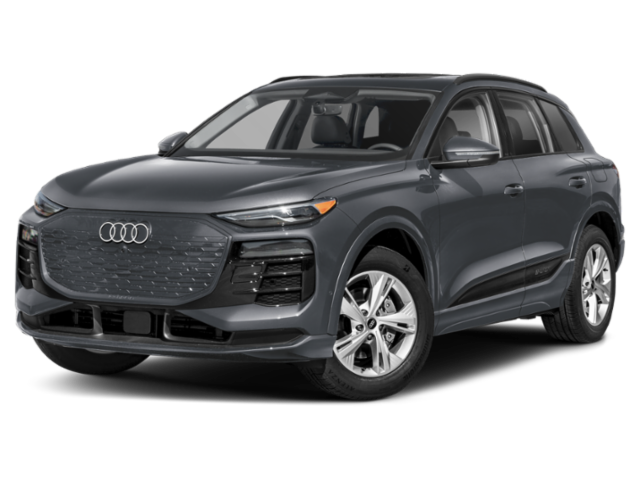
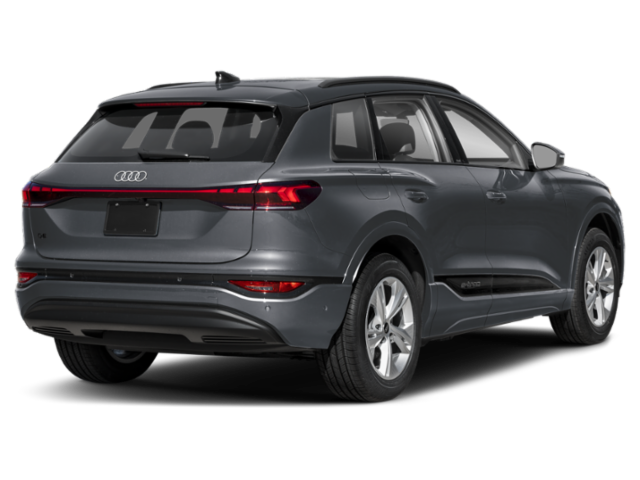
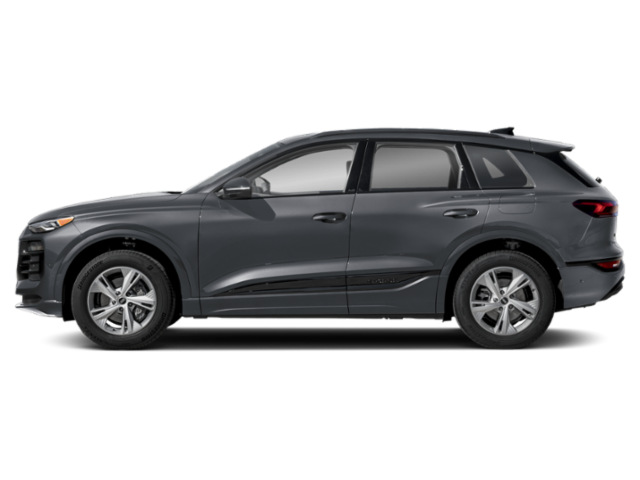
While sharing a similar silhouette with the Porsche Macan, the Q6 has a distinctive look with similar cues to some other Audi SUV models. Yet, it freshly establishes itself. The prominent grille appendage on the front is entirely cosmetic, but that, plus a striking lighting treatment, makes the Q6 look sophisticated and subtly aggressive.
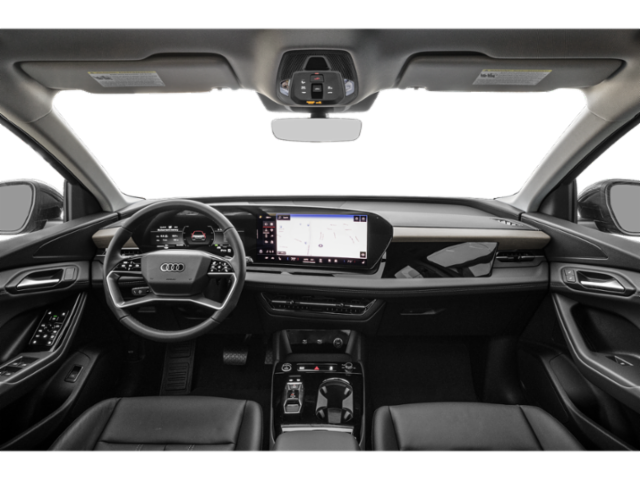
The interior is much the same, generally dark and without an overabundance of personality, but clean and sophisticated. Seating in the back offers extensive legroom and plenty of headroom, helped by the panoramic sunroof included in the Premium Plus trim.
Those seats split and fold to expand the rear cargo capacity from 30.2 cubic feet behind the rear seats to 60.2 cubic feet with the seats folded. The Q6 also features a petite "frunk" with an additional 2.15 cubic feet of storage space. It's plenty enough for a set of charging cables or maybe even a meal's worth of produce.
Seating up front is even roomier than the back, with plenty of head and shoulder room. Front seats are heated, with ventilation only available through the $1,300 Warm Weather package. Massage is also available, but sadly, you can't have both.
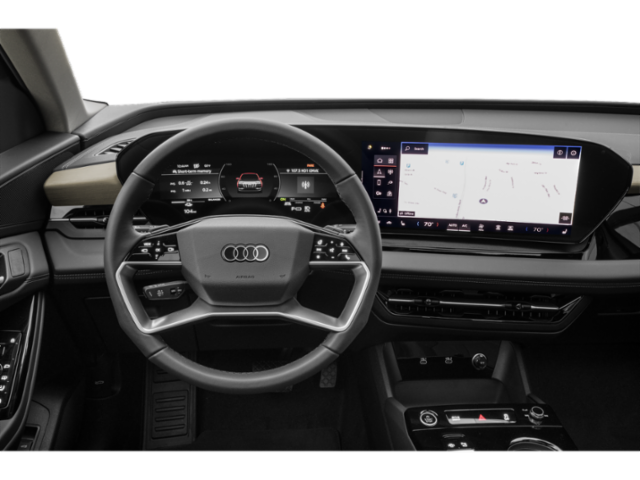
The steering wheel has an extensive range of adjustments that should work well for drivers of all statures. The wheel is quite comfortable, with Audi's traditional narrow but deep profile that always feels molded to fit my hands. My only complaint here relates to the capacitive touch buttons on the spokes. Not only are they clumsy when used by feel, but they're also easy to trigger accidentally.
The Q6 still has traditional stalks for controlling things like cruise control and windshield wipers, but Audi integrated nearly everything else into the 14.5-inch touchscreen in the middle of the center stack.
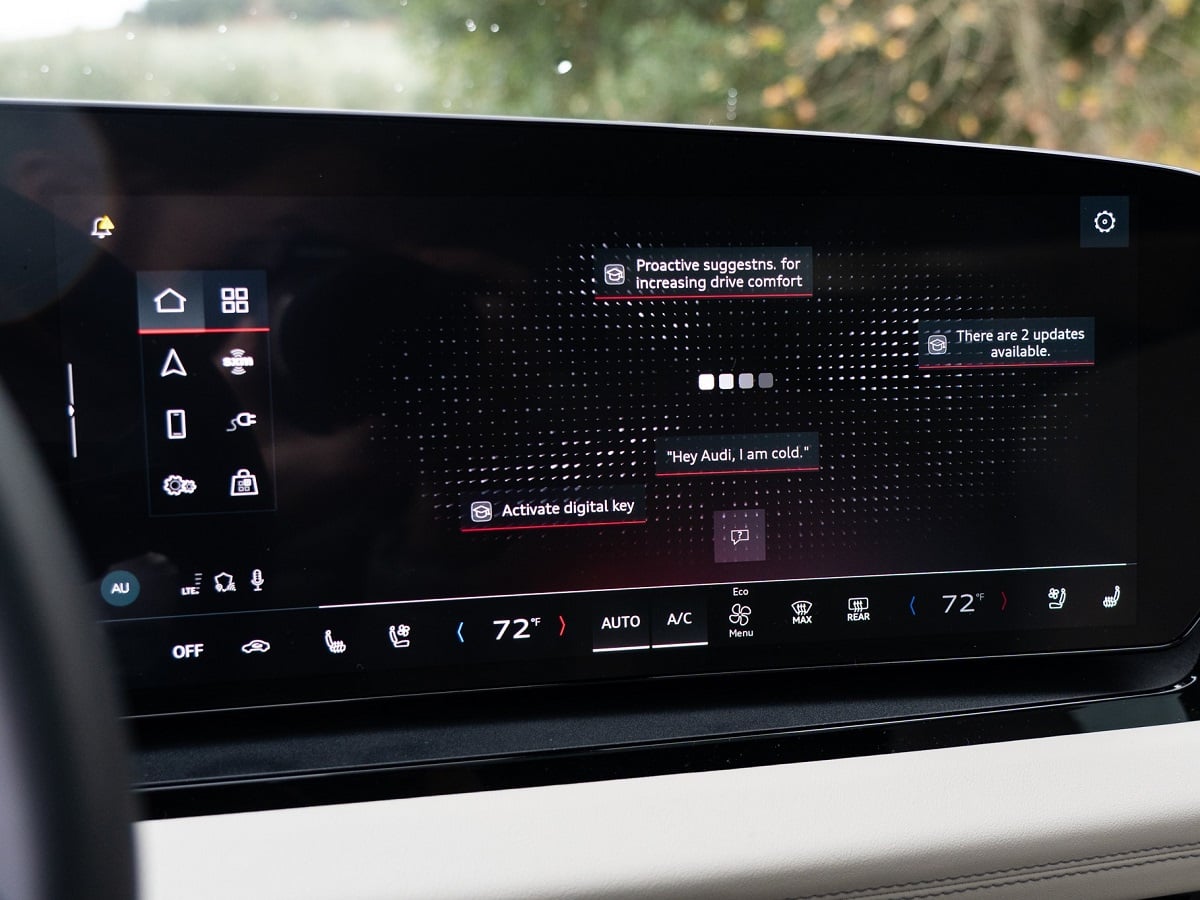
Photo: Tim Stevens
That touchscreen—and the 11.9-inch digital gauge cluster behind the steering wheel and the 10.9-inch passenger display included in the Premium Plus package—all use organic LED or OLED technology. This type of display is known for its rich and beautiful colors and deep, dark blacks, making it perfect for automotive use.
If you've ever driven down a dark road and been annoyed by the dull glow from your car's LCD, these OLED displays will be a welcome change. The center and right displays run Audi's latest Multi-Media Interface (MMI) infotainment system, which is a bit cluttered with grid upon grid of icons and menus. Still, it offers all the functionality you could want and even allows customization to bring settings you frequently use to the top.
The MMI supports wireless Android Auto and Apple CarPlay, and Audi also builds in a comprehensive voice assistant. It responds to "Hey, Audi," commands a bit sluggishly but can handle everything from straightforward vehicle settings to more nuanced restaurant requests or the like.
On the safety side, the Audi Q6 has a comprehensive set of active safety features, including adaptive cruise control with full stop-and-go capability, a forward collision warning system with pedestrian and cyclist detection, and a rear seat reminder system. A lane keeping assistance system is standard, but if you want active lane centering, you must step up to the Premium Plus tier or pay for the $1,900 convenience package.
The SUV's active cruise system worked well on the road to keep the car moving at a speed compatible with traffic. The lane centering assistance feels comprehensive as well, but with more and more competitors offering some hands-free highway assistance mode, it's a shame that Audi's newest is still lacking.
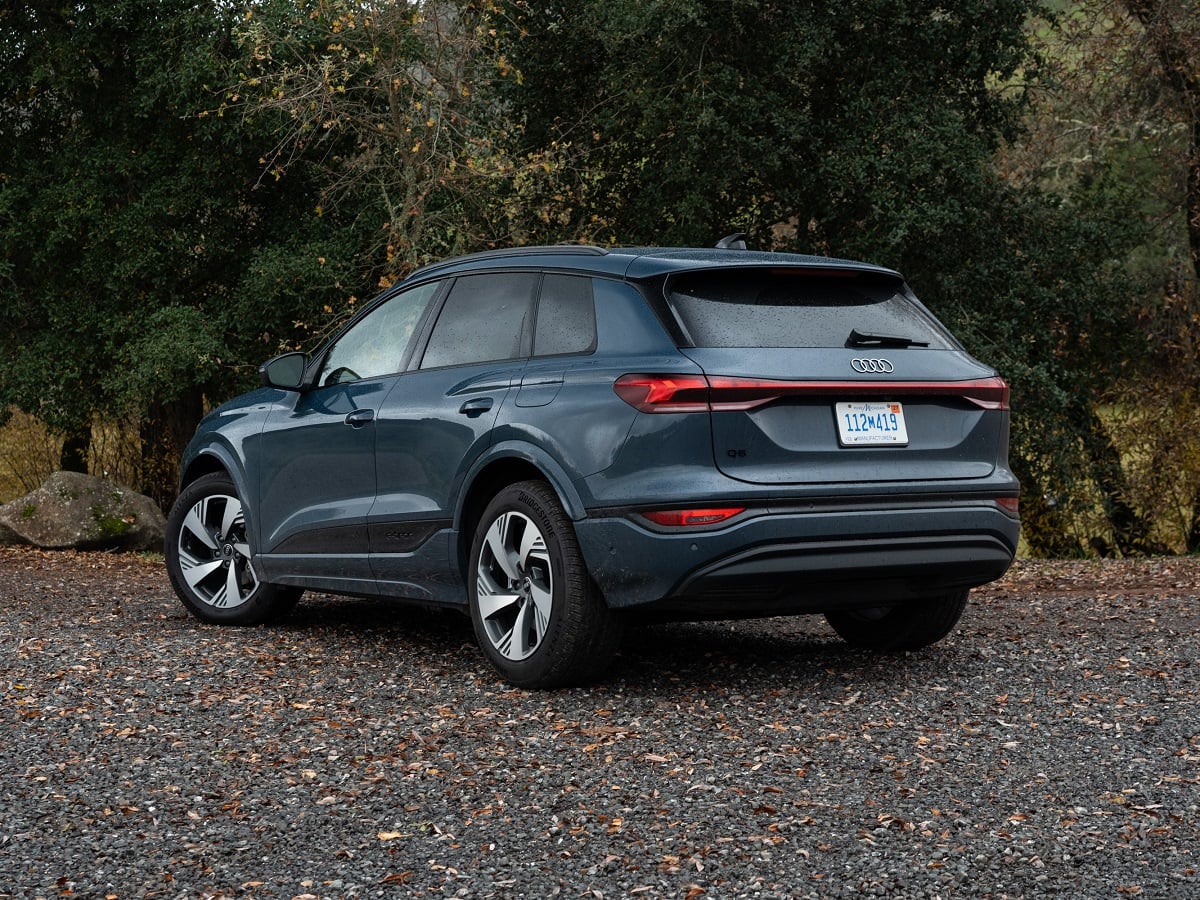
Photo: Tim Stevens
The shifter in the Q6 is a small cube to the right of the driver's seat. Pull that back into Drive, and you're ready to roll, the bright, expansive AR head-up display literally pointing the way forward.
In the standard drive mode—Balanced—the Q6 is pleasant to drive, with a relaxed throttle pedal but plenty of power if you dig deep. Things are much the same in Comfort mode, the adaptive air suspension doing its best to soak up the uneven asphalt on the coastal roads I spent the day crossing.
On straight, bumpy stretches, the suspension sometimes struggled to keep the Q6 planted, with some awkward motion transferring into the cabin. Switching over to Dynamic mode made things feel more controlled but also harsher.
When the bumps were less frequent, the Q6 felt compliant and comfortable yet was still a willing partner through the twists and turns, the chilly, wet roads proving an excellent test for the car's Quattro AWD system, which worked well to keep everything moving in the right direction.
You can feel the shared lineage with the Porsche Macan. However, the Audi is far calmer—still capable, just a little less eager. It also offers three levels of regenerative braking, including a proper one-pedal driving mode—something Porsche still stubbornly refuses to include in its electric vehicles.
In terms of the tech on the go, though that AR head-up display can sometimes get a bit distracting, the big blue arrows floating in space make it virtually impossible to make a wrong turn. Also aiding the driver are the speakers integrated into the headrests. Part of the Premium Plus Bang & Olufsen sound system, Audi's MMI system sends spoken navigation prompts directly to the headrest.
This makes the prompts far less annoying to passengers in the car and ensures they're crystal clear even in noisy conditions. That said, the Q6 is far from a noisy machine. The Prestige package on the SUV I tested added acoustic window glass on the front doors—another buffer from the elements that kept things hushed inside. Only the torrential rain outside spoiled the silence.