Healthcare Intelligence Report
March 2024
In the post-pandemic world, hospital staffing has become a moving target. Costs have soared for many facilities, forcing them to stretch their resources to match fluctuating demand. Add in frequent provider turnover and employee burnout, and these conditions have left many hospitals across the United States struggling to meet demand. Hospital patients are noticing.
According to JD Power, hospital patients in the United States that had an overnight stay during the past six months are frustrated by limited access to doctors and long wait times for rooms. That is a sobering proposition for hospitals, particularly in the era of value-based care where patient satisfaction scores directly correlate with reimbursement.
Admission and Discharge Problems
The adage that it’s hard to overcome a bad first impression seems to hold true, and that is a foreboding trend for some hospitals. Almost half (49%) of patients say it took more than two hours to reach their room after arriving at the hospital, a disconcerting stat considering more than one-third (34%) of overall patient satisfaction is dependent upon the admission and discharge processes.
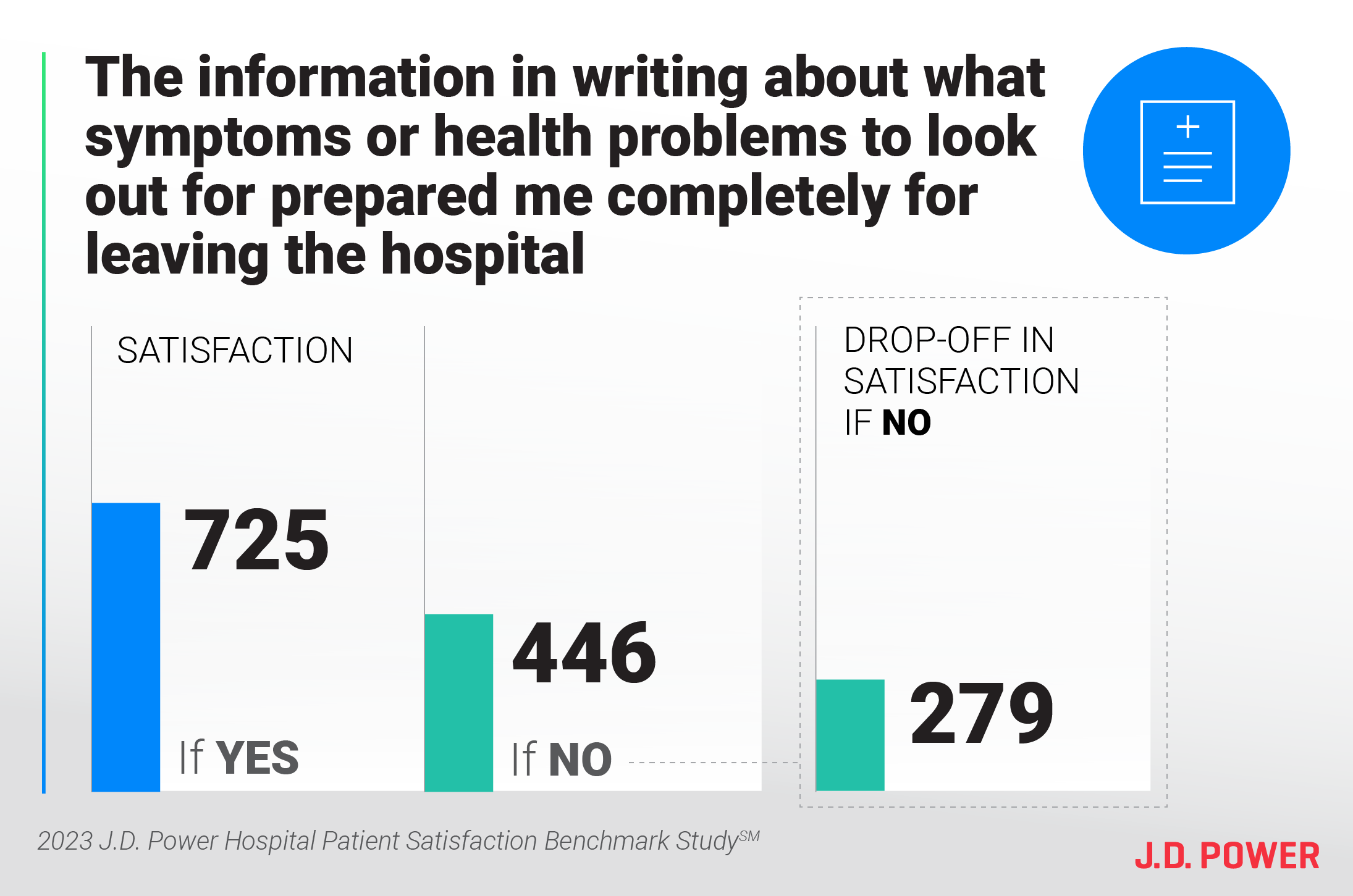
The aspects of admission and discharge that patients value most focus on the hospital providing information in writing about what symptoms or health problems to watch for after leaving the hospital, and how well that information prepares the patient for leaving the hospital. Hospitals that effectively provide post-discharge care notes that are accessible for all patients—available in different languages, easy to understand, and are reviewed prior to discharge—can improve their satisfaction scores and avoid some readmissions.
Nurses Drive High Care Scores
Hospital patients express a high level of satisfaction in their interactions with their care providers, but many are simply not able to interact with a doctor when needed. Only 36% of patients say they are always able to speak to a doctor when needed, down from 43% in 2011 when the study was last conducted.
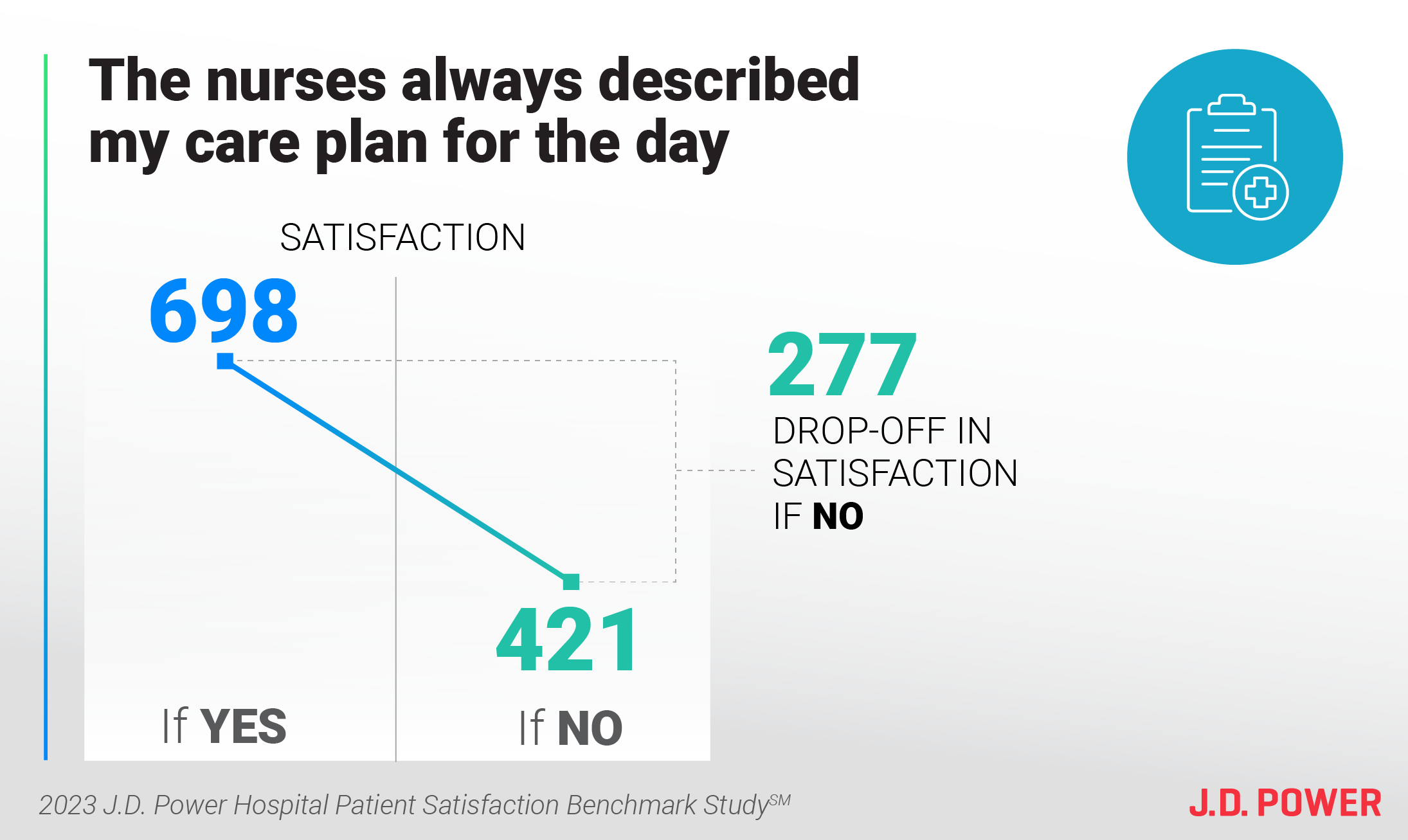
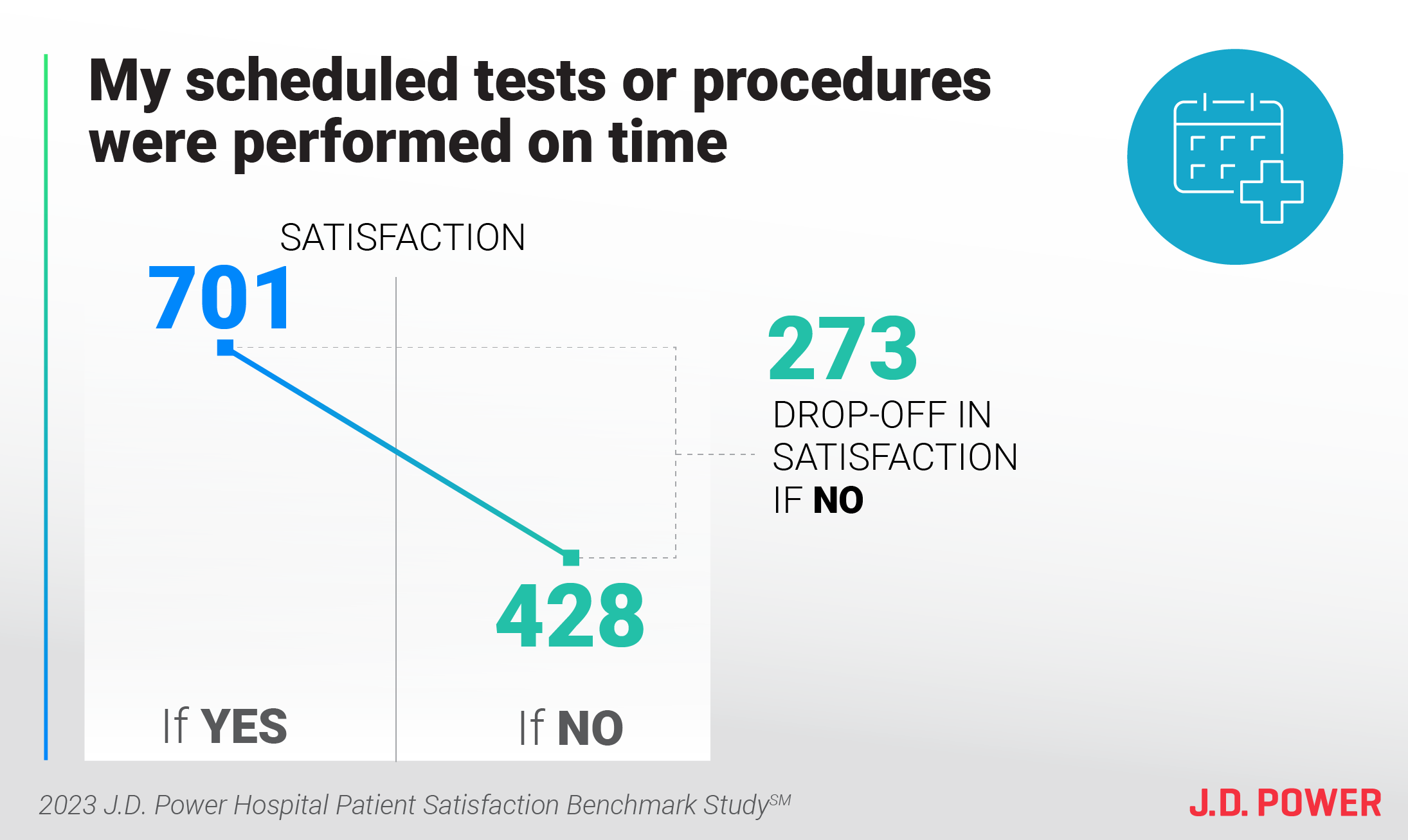
While contact with doctors may prove elusive, patients are very satisfied in their dealing with nurses. More than three-fourths (83%) of patients say the nurse always described their care plan for the day and 80% say a nurse manager/leader checked in to see how their hospital experience was going. What’s more, 87% of patients say they were told in advance of when to expect tests and procedures, and 85% say scheduled tests and procedures were performed on time.
Food and Lack of Sleep Drag Down Satisfaction
Jokes about hospital food are as old as time, and it seems patients are still just as dissatisfied with it as ever. Patients expressed low satisfaction scores for the quality of their hospital’s food and beverage, the variety of menu choices and the timeliness of meals.
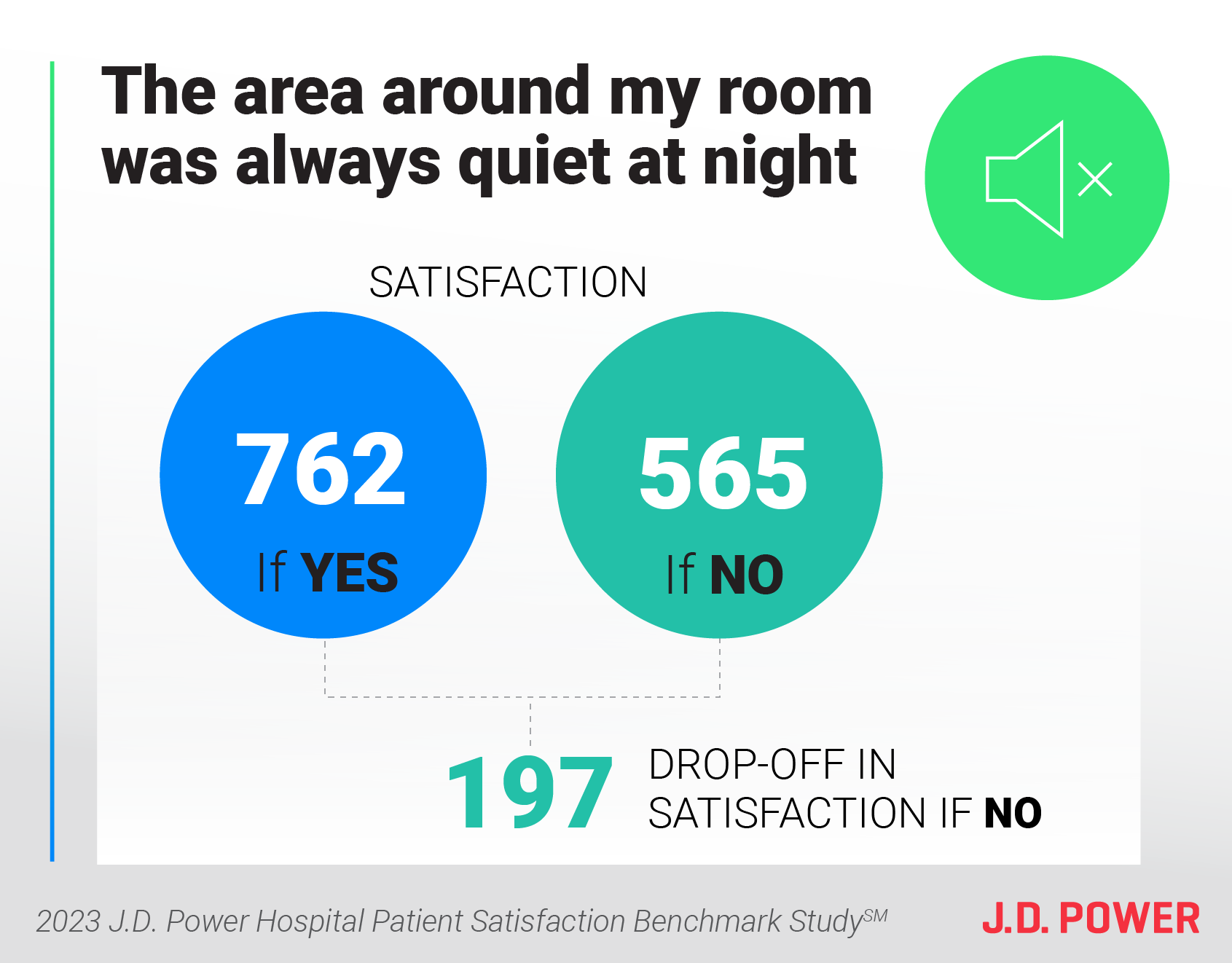
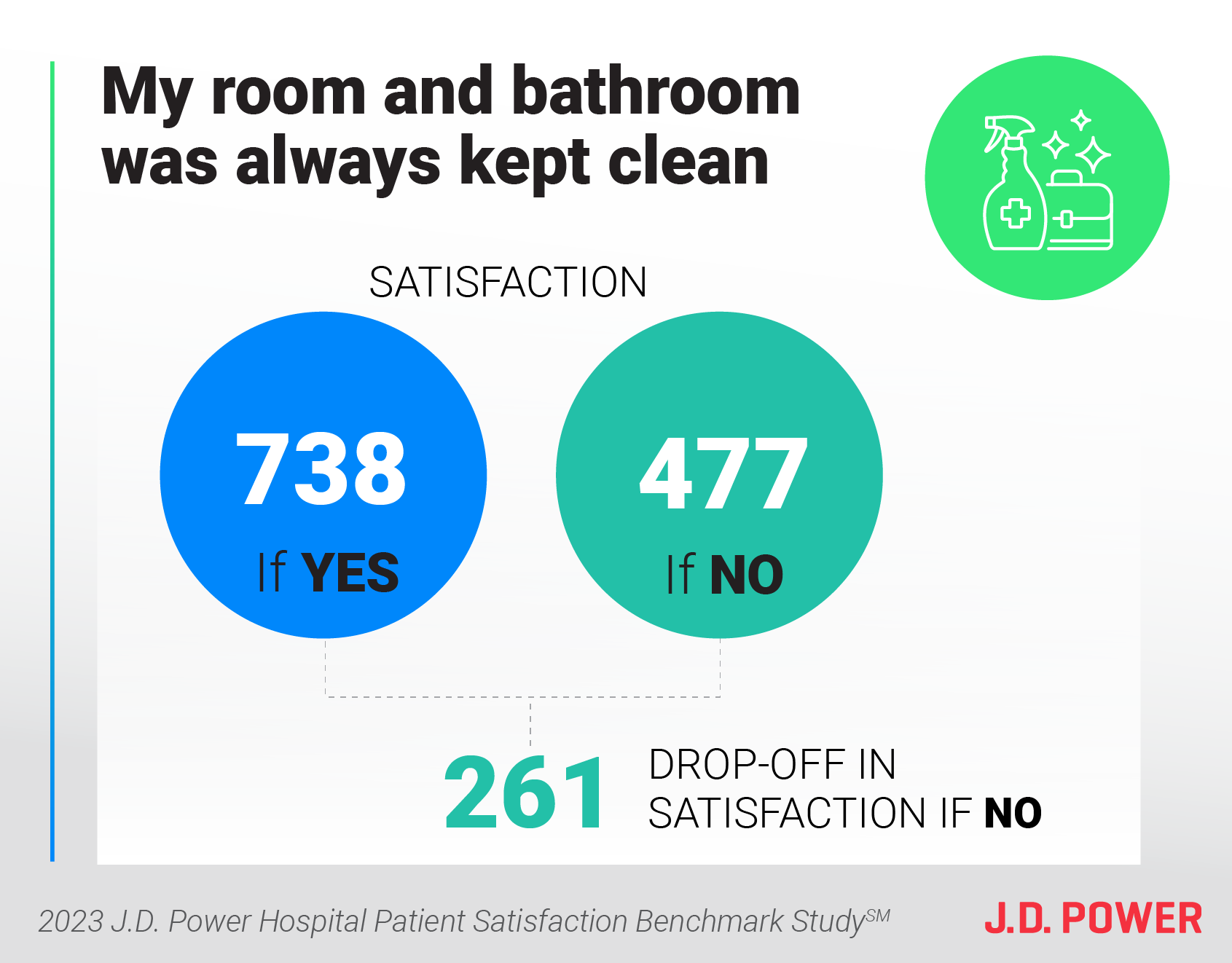
In addition to poor food choices, only 45% say the area around their room was always quiet at night. While sometimes tests and vital checks make that hard to avoid, hospital staff can boost this area by making sure conversations aren’t had in the halls and any unnecessary lights are turned off. On a positive note, 68% of patients say their room and bathroom were always kept clean.
Opportunities to Improve
As hospitals navigate an era of healthcare that rewards both patient outcomes and satisfaction, there are plenty of opportunities that will leave patients happier and healthier during and after their stays. Making patients feel like a partner in their care, by engaging them with easy-to-understand care notes or coordinating scheduled admission times in a way that reduces long waits, can help. Improving the ancillary services, like food and beverage, would also make a difference. Facilities that can do this, plus manage staff and ensure patients feel they have access to their caregivers, will see a meaningful boost in their overall patient satisfaction.
Find Out More
This Healthcare Intelligence Report is based on the JD Power 2023 U.S. Hospital Patient Satisfaction StudySM that included responses from 2,885 hospital patients residing in the United States. To qualify, respondents had to have had an overnight stay at a hospital in the past six months. The study was fielded in October-November 2023. It was authored by Christopher Lis, managing director of global healthcare intelligence at JD Power. Please contact us at the numbers below to connect with Mr. Lis or to learn more about the underlying research.
Media Contacts
Brian Jaklitsch; East Coast; 631-584-2200; [email protected]
Geno Effler, JD Power; West Coast; 714-621-6224; [email protected]