
Driving an electric vehicle (EV) can mean zipping past the gas station, but at some point, you might need to charge your EV while away from home. The number of public EV chargers in the United States is growing, but there are growing pains. Here’s how to find public electric vehicle charging stations and how to look like a veteran while you’re there.

Your EV’s embedded navigation system and smartphone can locate nearby electric vehicle charging stations. Many EVs with active connected services plans can direct you to nearby charging stations via the car’s navigation system. In-car maps, Apple Maps, and Google Maps all show local stations but use different databases, so it’s worth checking results from multiple sources if you’re looking for every possible station. Other ways to find stations include a map by Plug In America, the PlugShare app, and the Department of Energy’s Alternative Fuels Data Center.
EV drivers can charge their cars at any compatible station if they pay with a credit card or via an app. If you have an account with a network operator like ChargePoint or Electrify America, you can use their branded apps to find one of their locations and keep all your transactions in one place.
Different EV charging stations offer different services. The search services mentioned above can display the type of connector the station uses, helping you find a Level 2 charger to top off while watching a movie or a DC fast charger to fill your battery up to 80 percent in 30 minutes. Apple and Google also provide information about nearby amenities, like restrooms or places to eat.
The Plug In America map and the network operator apps, among others, also display the station’s power rating in kW, which can be valuable to some drivers. If a more powerful station is busy and perhaps has a line, it makes sense to go to another station with lower power if you know your EV can’t accept the higher level in the first place.
Network operators like Electrify America and EVgo provide the most accurate source of information about the current status, availability, and cost. Once you learn which stations are prevalent in your area, you can download the apps for those companies to stay up to date with nearby chargers. If you know when and where you’ll charge your car, you can use some apps to reserve a charging time at a particular station.
You can also use some built-in EV navigation systems to find charging stations on a long drive. The onboard computer will plan your route and charging stops all the way to your destination.
Unfortunately, sometimes the information regarding a station’s current status is outdated. This has led to many EV drivers feeling frustrated when they reach a charging station only to find it broken or busy. Some common issues with EV charging stations include problems accepting credit card payments and stations that won’t charge your car once connected. When this happens, look for a customer service number on the charger or the provider’s app and call them. Some EV owners self-report issues online to alert other drivers to potential problems.
There are different ways to pay for your EV charging session. Some stations are free. Some have built-in credit card readers. Some require you to log into your account in an app that communicates with the station to pay for the charge.
Stations that cost money will charge you either by the amount of energy you put into your battery or by the minute. Stations that charge for a set amount of energy will alert you via text or app notification when you’ve reached your limit. You then need to unplug and move your car, or you might have to pay an extra fee.
If you have a Plug And Charge-compatible EV in which you have already stored your credit card information, the car will transmit this to a Plug And Charge station whenever you connect to charge. The system then approves payment without needing your credit card or anything else.
The rules for charging-station etiquette are similar to those at a gas station:
Depending on the situation, you might not fill up all the way. For example, you can unplug when you get to 50-percent full if you know that will be enough to get to your home charger or another destination with an outlet. This opens the station to other drivers and maximizes EV infrastructure use.
Similar to when you refuel your ICE vehicle at a gas station, it’s polite to unplug and move your EV once you finish charging. Not only is it polite, but moving your vehicle in a timely fashion may also save you money. To encourage drivers to unplug their EV and free up the charger for the next person, some charger providers may assess a per-minute idle fee to customers that leave their vehicle plugged in too long after charging is complete.
If you’re used to gassing up at the pump, public EV charging is an adjustment. With these tips and a little time, you should be able to get in and out without any major hassles. To learn more about EVs, check out our Shopping Guides section.


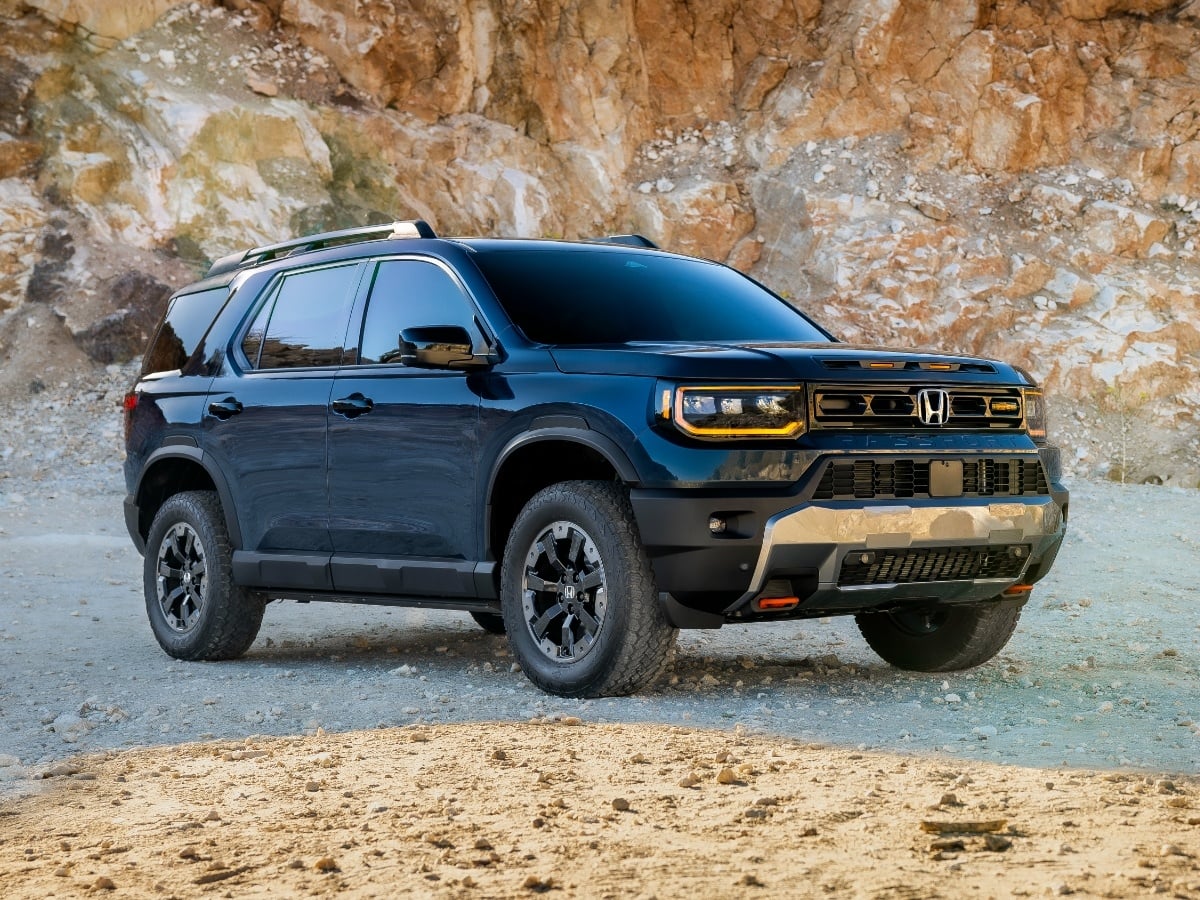
Updates to the 2027 Honda Passport TrailSport include a reworked suspension, improved steering, subtle styling enhancements, and added standard equipment.
Read the Full Article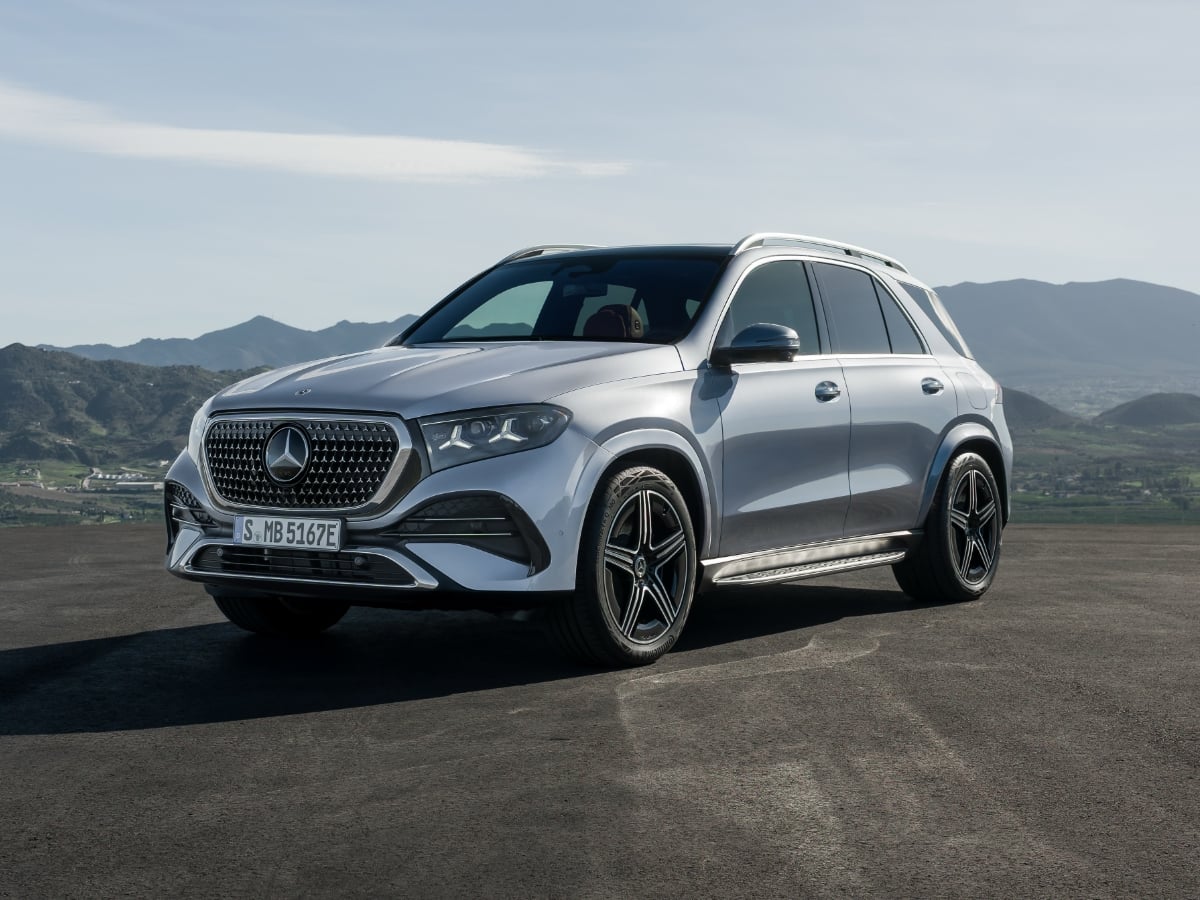
The midsize 2027 Mercedes GLE remains available in original and spicy Coupe recipes, now with standard 4Matic all-wheel drive (AWD), MBUX Superscreen technology, and a panoramic glass sunroof for ...See More
Read the Full Article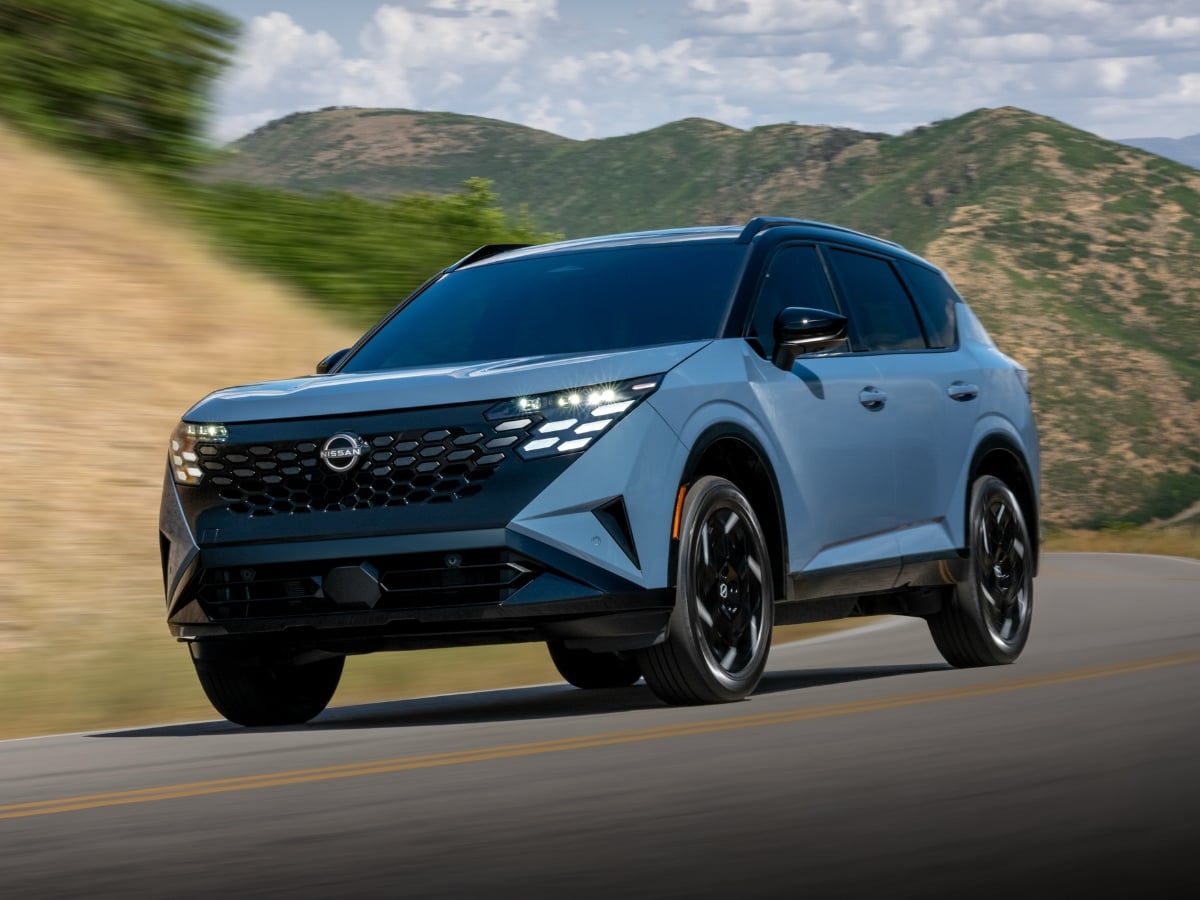
Nissan is about to introduce an innovative new SUV. The 2027 Nissan Rogue Hybrid has a gasoline engine, but it does not power the wheels. Instead, electric motors at each axle provide propulsion, ...See More
Read the Full Article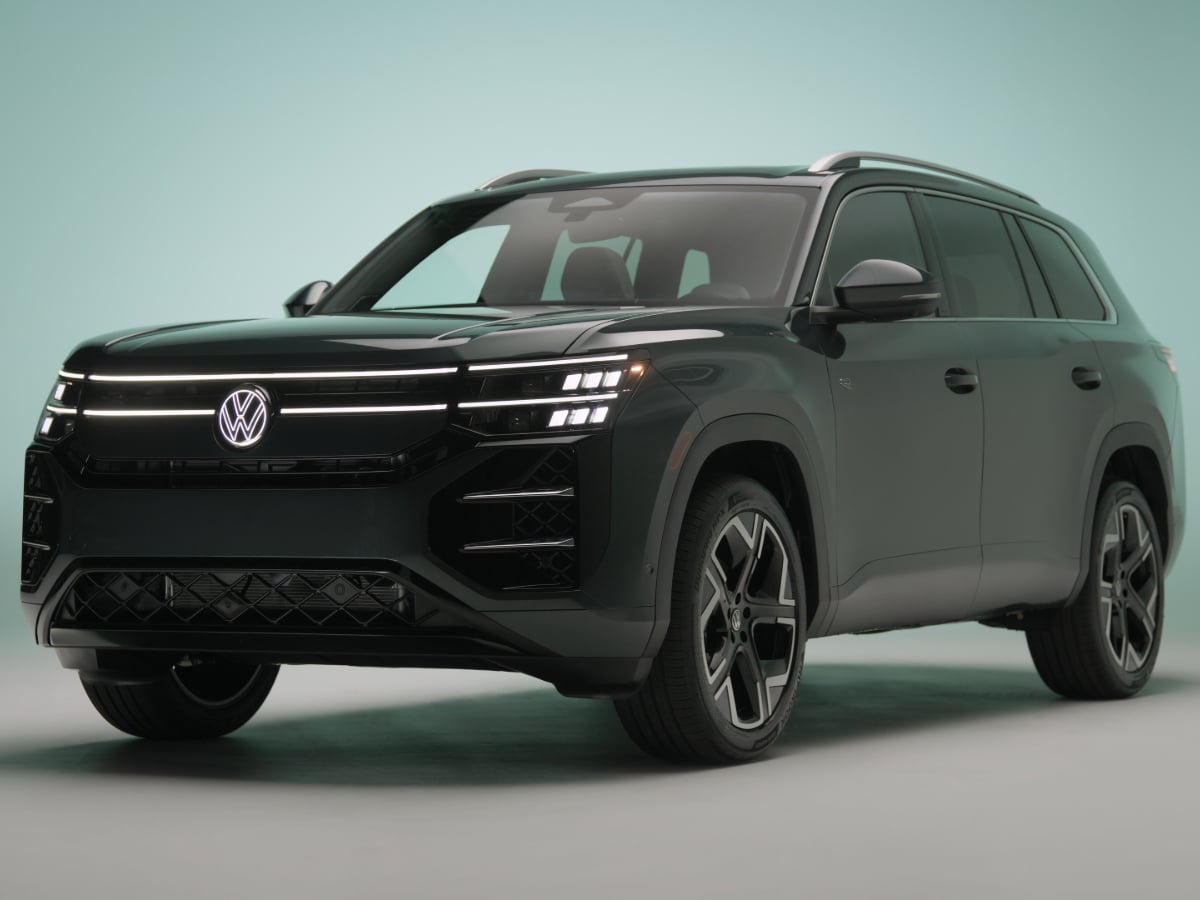
Adding European flair to the otherwise vanilla midsize three-row family SUV market, the redesigned 2027 Volkswagen Atlas debuts with a sharper exterior, an upgraded cabin, more power, and new ...See More
Read the Full Article