


Page Sections

EV & Hybrid Tools & Resources
Other Resources


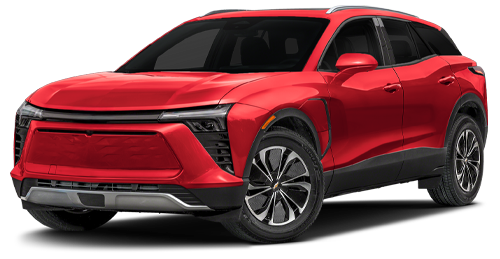
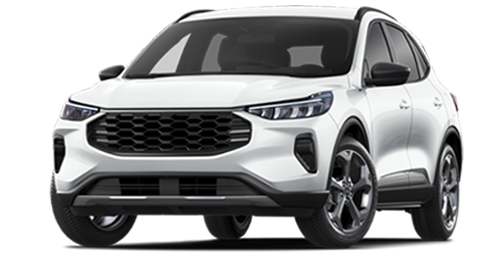
Hybrids offer the best of both worlds with electric and gasoline power.
Not ready for a fully electric vehicle but want some of the benefits? A hybrid could be just the answer for you.
A hybrid gets significantly better fuel efficiency than gas-only due to its combination of electric and gasoline engines - resulting in lower fuel costs and reduced emissions. While hybrids may have a higher initial cost than gas-only vehicles, they often save money in the long run through fuel savings.
Where {{ sections[currentIndex].key === 'gas' ? 'gas' : (sections[currentIndex].key === 'hybrid' ? 'hybrids' : (sections[currentIndex].key === 'phev' ? 'plug-in hybrids' : 'EVS')) }} sit in the powertrain lineup.
Discover the differences across Gas, Hybrid, Plug-In Hybrid, and All-Electric. Switch tabs or drag the slider to reveal your selected information.
{{ currentSection.powertrainTitle }}
{{ currentSection.oneLiner }}
{{ spec.title }}
{{ line }}
{{ block.heading }}
{{ block.body }}
- {{ it }}
Top Rated {{ group.segment }} {{ currentSection.headingName }} Vehicles: View More
Real-World Savings
Hybrid vehicles typically achieve 25–40 % better fuel economy than comparable gas-only models. Many drivers save $400 – $700 per year on fuel costs and visit the gas station less often, thanks to regenerative braking and electric assist that reduce engine load in stop-and-go driving.
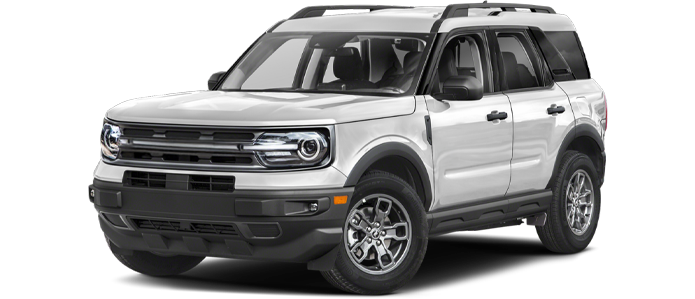
Gasoline (ICE)
Simple, familiar, and affordable—quick refueling, long range, and lots of choices, with near-universal service support.


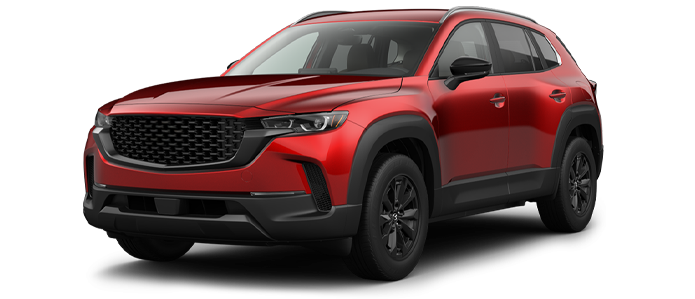
hybrid (HEV)
Want better MPG without changing your routine? Hybrids blend electric assist with a gas engine for smooth, quiet starts and fewer fuel stops. No charging required—just drive and save at the pump.
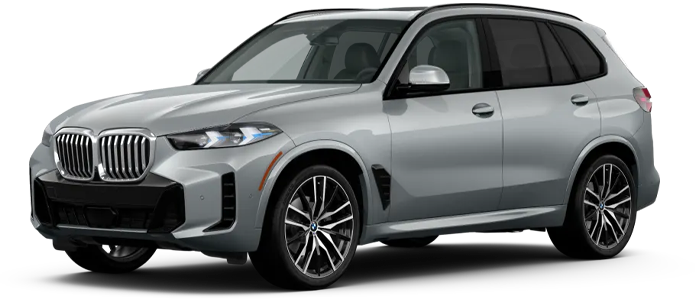
Plug-in hybrid (PHEV)
Drive most days on electricity, keep gas for weekend getaways. Charge at home overnight for quiet, torquey EV miles, then seamlessly switch to hybrid power for longer trips—no range anxiety, all flexibility.
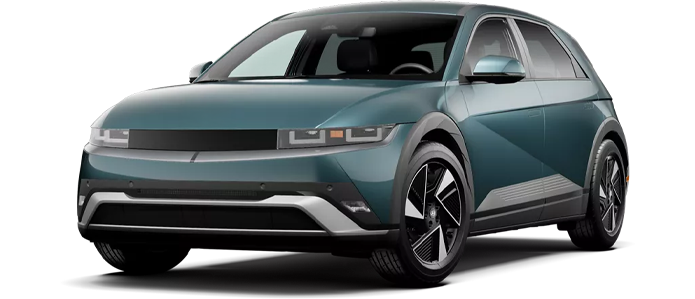
Electric Vehicle (EV)
Skip gas stations. Enjoy instant torque, quiet rides, and low routine maintenance—charge at home and go farther confidently.
Compare Plug-In Hybrid & Electric
See The Difference & Find Your Vehicle
{{ (displayModelA.model_year ? displayModelA.model_year + ' ' : '') + (displayModelA.make || '') }} Compare Vehicles
{{ (displayModelA.model || '') + (displayModelA.trim ? ' ' + displayModelA.trim : '') }} Select First Vehicle
 Loading {{ makeASelected }} models...

{{ (displayModelB.model_year ? displayModelB.model_year + ' ' : '') + (displayModelB.make || '') }} Compare Vehicles
{{ (displayModelB.model || '') + (displayModelB.trim ? ' ' + displayModelB.trim : '') }} Select Second Vehicle
See how your selected models stack up.
↓
-
Compare What matters most:

-

Starting MSRP
{{ !modelAHandle ? '' : (modelASelected.msrp ? formatMoney(modelASelected.msrp) : 'N/A') }}
{{ !modelBHandle ? '' : (modelBSelected.msrp ? formatMoney(modelBSelected.msrp) : 'N/A') }}
-

Electric Range
{{ !modelAHandle ? '' : (modelASelected.electric_range ? (modelASelected.electric_range + ' miles') : 'N/A') }}
{{ !modelBHandle ? '' : (modelBSelected.electric_range ? (modelBSelected.electric_range + ' miles') : 'N/A') }}
-

Total Range
{{ !modelAHandle ? '' : (modelASelected.fuel !== 'BEV' && modelASelected.total_range) ? (modelASelected.total_range + ' miles') : 'N/A' }}
{{ !modelBHandle ? '' : (modelBSelected.fuel !== 'BEV' && modelBSelected.total_range) ? (modelBSelected.total_range + ' miles') : 'N/A' }}
-

Powertrain Type
{{ !modelAHandle ? '' : modelASelected.fuel ? ({ BEV:'All-Electric (BEV)', PHEV:'Plug-in Hybrid (PHEV)', HEV:'Hybrid (HEV)' }[modelASelected.fuel] || modelASelected.fuel) : 'N/A' }}
{{ !modelBHandle ? '' : modelBSelected.fuel ? ({ BEV:'All-Electric (BEV)', PHEV:'Plug-in Hybrid (PHEV)', HEV:'Hybrid (HEV)' }[modelBSelected.fuel] || modelBSelected.fuel) : 'N/A' }}
-

Drive Type
{{ !modelAHandle ? '' : (modelASelected.drivetrain ? modelASelected.drivetrain : 'N/A') }}
{{ !modelBHandle ? '' : (modelBSelected.drivetrain ? modelBSelected.drivetrain : 'N/A') }}
-

Vehicle Power
{{ !modelAHandle ? '' : (modelASelected.horsepower ? (modelASelected.horsepower + ' hp') : 'N/A') }}
{{ !modelBHandle ? '' : (modelBSelected.horsepower ? (modelBSelected.horsepower + ' hp') : 'N/A') }}
-

Battery Size
{{ !modelAHandle ? '' : (modelASelected.battery_capacity ? (modelASelected.battery_capacity + ' kWh') : 'N/A') }}
{{ !modelBHandle ? '' : (modelBSelected.battery_capacity ? (modelBSelected.battery_capacity + ' kWh') : 'N/A') }}
-

Level 2 Charging Rate
{{ !modelAHandle ? '' : (modelASelected.ac_charging_power ? (modelASelected.ac_charging_power + ' kW') : 'N/A') }}
{{ !modelBHandle ? '' : (modelBSelected.ac_charging_power ? (modelBSelected.ac_charging_power + ' kW') : 'N/A') }}
-

DC Fast Charging Rate
{{ !modelAHandle ? '' : (modelASelected.fuel === 'BEV' && modelASelected.dc_charging_power) ? (modelASelected.dc_charging_power + ' kW') : 'N/A' }}
{{ !modelBHandle ? '' : (modelBSelected.fuel === 'BEV' && modelBSelected.dc_charging_power) ? (modelBSelected.dc_charging_power + ' kW') : 'N/A' }}
-

Charging Connector
{{ !modelAHandle ? '' : (Array.isArray(modelASelected.plug_types) && modelASelected.plug_types.length) ? modelASelected.plug_types.map(p => p==='Tesla' ? 'NACS (Tesla)' : p==='J1772' ? 'J1772 (Level 2)' : p==='CCS1' ? 'CCS1 (DC Fast)' : p ).join(', ') : 'N/A' }}
{{ !modelBHandle ? '' : (Array.isArray(modelBSelected.plug_types) && modelBSelected.plug_types.length) ? modelBSelected.plug_types.map(p => p==='Tesla' ? 'NACS (Tesla)' : p==='J1772' ? 'J1772 (Level 2)' : p==='CCS1' ? 'CCS1 (DC Fast)' : p ).join(', ') : 'N/A' }}
-

Fast-Charge Time (10–80%)
{{ !modelAHandle ? '' : (modelASelected.fuel === 'BEV' && modelASelected.battery_capacity && modelASelected.dc_charging_power) ? (Math.round(((modelASelected.battery_capacity * 0.70) / modelASelected.dc_charging_power) * 60) + ' min (est.)') : 'N/A' }}
{{ !modelBHandle ? '' : (modelBSelected.fuel === 'BEV' && modelBSelected.battery_capacity && modelBSelected.dc_charging_power) ? (Math.round(((modelBSelected.battery_capacity * 0.70) / modelBSelected.dc_charging_power) * 60) + ' min (est.)') : 'N/A' }}
-

Efficiency (kWh/100 miles)
{{ !modelAHandle ? '' : (modelASelected.fuel === 'BEV' && modelASelected.electric_efficiency) ? (Number(modelASelected.electric_efficiency).toFixed(0)) : 'N/A' }}
{{ !modelBHandle ? '' : (modelBSelected.fuel === 'BEV' && modelBSelected.electric_efficiency) ? (Number(modelBSelected.electric_efficiency).toFixed(0)) : 'N/A' }}
-

HOV Lane Access (CA)
{{ !modelAHandle ? '' : (modelASelected.eligible_for_ca_hov ? 'Eligible' : 'N/A') }}
{{ !modelBHandle ? '' : (modelBSelected.eligible_for_ca_hov ? 'Eligible' : 'N/A') }}
-

Seating Capacity
{{ !modelAHandle ? '' : (modelASelected.seats_max || modelASelected.seats_min) ? ((modelASelected.seats_max || modelASelected.seats_min) + ' seats') : 'N/A' }}
{{ !modelBHandle ? '' : (modelBSelected.seats_max || modelBSelected.seats_min) ? ((modelBSelected.seats_max || modelBSelected.seats_min) + ' seats') : 'N/A' }}
-

Towing Capacity
{{ !modelAHandle ? '' : (modelASelected.towing_capacity ? (modelASelected.towing_capacity.toLocaleString() + ' lbs') : 'N/A') }}
{{ !modelBHandle ? '' : (modelBSelected.towing_capacity ? (modelBSelected.towing_capacity.toLocaleString() + ' lbs') : 'N/A') }}
-

0–60 mph Acceleration
{{ !modelAHandle ? '' : (modelASelected.acceleration ? (Number(modelASelected.acceleration).toFixed(1) + ' sec') : 'N/A') }}
{{ !modelBHandle ? '' : (modelBSelected.acceleration ? (Number(modelBSelected.acceleration).toFixed(1) + ' sec') : 'N/A') }}
-

Body Style
{{ !modelAHandle ? '' : ((modelASelected.form_factor || modelASelected.type) ? (modelASelected.form_factor || modelASelected.type) : 'N/A') }}
{{ !modelBHandle ? '' : ((modelBSelected.form_factor || modelBSelected.type) ? (modelBSelected.form_factor || modelBSelected.type) : 'N/A') }}
-

Cargo Space
{{ !modelAHandle ? '' : (modelASelected.cargo_volume_min || modelASelected.cargo_volume_max) ? ( (modelASelected.cargo_volume_min && modelASelected.cargo_volume_max && modelASelected.cargo_volume_min !== modelASelected.cargo_volume_max) ? (modelASelected.cargo_volume_min + '–' + modelASelected.cargo_volume_max + ' cubic feet') : ((modelASelected.cargo_volume_max || modelASelected.cargo_volume_min) + ' cubic feet') ) : 'N/A' }}
{{ !modelBHandle ? '' : (modelBSelected.cargo_volume_min || modelBSelected.cargo_volume_max) ? ( (modelBSelected.cargo_volume_min && modelBSelected.cargo_volume_max && modelBSelected.cargo_volume_min !== modelBSelected.cargo_volume_max) ? (modelBSelected.cargo_volume_min + '–' + modelBSelected.cargo_volume_max + ' cubic feet') : ((modelBSelected.cargo_volume_max || modelBSelected.cargo_volume_min) + ' cubic feet') ) : 'N/A' }}
-

Model Year
{{ !modelAHandle ? '' : (modelASelected.model_year ? modelASelected.model_year : 'N/A') }}
{{ !modelBHandle ? '' : (modelBSelected.model_year ? modelBSelected.model_year : 'N/A') }}
-

Comparable Gas MPG
{{ !modelAHandle ? '' : (modelASelected.equivalent_gas_vehicle && modelASelected.equivalent_gas_vehicle.fossil_fuel_efficiency) ? (modelASelected.equivalent_gas_vehicle.fossil_fuel_efficiency + ' mpg') : 'N/A' }}
{{ !modelBHandle ? '' : (modelBSelected.equivalent_gas_vehicle && modelBSelected.equivalent_gas_vehicle.fossil_fuel_efficiency) ? (modelBSelected.equivalent_gas_vehicle.fossil_fuel_efficiency + ' mpg') : 'N/A' }}
-

Curb Weight
{{ !modelAHandle ? '' : (modelASelected.curb_weight ? (modelASelected.curb_weight.toLocaleString() + ' lbs') : 'N/A') }}
{{ !modelBHandle ? '' : (modelBSelected.curb_weight ? (modelBSelected.curb_weight.toLocaleString() + ' lbs') : 'N/A') }}
-
-

Availability
{{ !modelAHandle ? '' : (modelASelected.availability ? modelASelected.availability : 'N/A') }}
{{ !modelBHandle ? '' : (modelBSelected.availability ? modelBSelected.availability : 'N/A') }}

{{ (vehicleASubmitted && vehicleBSubmitted) ? 'Change Vehicle' : (activeVehicle === 'two' ? 'Add your second vehicle' : 'Add your first vehicle') }}
Loading {{ makeBSelected }} models...
Common Questions & Answers

Hybrid ownership experience
Feel confident that you're asking the right questions and selecting the right hybrid for you.
- Hybrid vehicles use two or more different types of power sources to propel the vehicle. Typically, hybrid vehicles combine a gasoline-powered internal combustion engine (ICE) with an electric motor. The purpose of this combination is to improve fuel efficiency, reduce emissions and offer an eco-friendlier alternative to gas-powered vehicles. This makes them a popular choice for people looking to reduce their carbon footprint while still enjoying the convenience of stopping quickly to fuel up on gasoline.
- A full hybrid, also known as a "self-charging hybrid," is different from other types of hybrid vehicles due to its ability to drive on either the gasoline engine, the electric motor, or a combination of both. The vehicle's system automatically switches between these power sources depending on driving conditions.
- A plug-in hybrid electric vehicle (PHEV) is similar to a full hybrid but has a larger battery that can be plugged in to charge. This allows the vehicle to run on electric power alone for a limited time to extend the driving range. After the electric charge is depleted, the gasoline engine kicks in.
- A range extender hybrid primarily operates as an electric vehicle, using electricity stored in its battery. When the battery charge runs low, the gas-fueled combustion engine kicks in to generate more electricity and keep the vehicle running.
- A mild hybrid can't use its electric motor to propel the car by itself. The electric motor assists the gasoline engine to improve fuel efficiency and reduce emissions.
- A hybrid is the “middle ground” between a gasoline-powered internal combustion engine (ICE) vehicle and a fully electric vehicle (EV). Hybrid vehicles offer a balance of fuel efficiency, lower emission – and the use of both gasoline and electric power – while gas-powered vehicles rely solely on gasoline for fuel.
- A hybrid is the “middle ground” between a gasoline-powered internal combustion engine (ICE) vehicle and a fully electric vehicle (EV). Hybrid vehicles offer a balance of fuel efficiency, lower emission - and the use of both gasoline and electric power - while fully electric vehicles rely entirely on electricity, with no internal combustion engine at all.
Benefits of hybrid over gas and fully electric
A sporty ride with better fuel efficiency and reduced emissions with the convenience of still using gas.
- A hybrid vehicle offers superior fuel efficiency - which translates to significant cost savings - over a traditional gasoline engine. It provides fuel savings like an EV - while still providing the range and flexibility of a traditional gasoline engine. Essentially, you get the benefits of both electric and gas power sources working together to optimize your driving experience. This make a hybrid an eco-friendly choice with the range and convenience of a traditional gas vehicle, which is especially beneficial for city driving with frequent stop-and-go traffic.
- The main drawbacks to owning a hybrid vehicle compared with one that is gas powered include: higher upfront cost, potential for more expensive maintenance due to the hybrid system, battery degradation over time which can impact fuel efficiency and potentially less power for heavy acceleration or towing - as well as battery replacement that can be costly.
- Consider a hybrid over an EV if you primarily want better fuel economy compared with a traditional gas-powered vehicle, are concerned about limited EV charging infrastructure in your area, frequently drive long distances or if the higher upfront cost of an EV is a deterrent - as hybrids generally offer a more affordable entry point into EV technology while still providing significant fuel savings.
- The main drawbacks to owning a hybrid vehicle compared with one that is fully electric include: limited electric range, still producing emissions from the gasoline engine, higher complexity leading to potential maintenance issues and a potentially higher initial cost while still not achieving the same level of environmental impact as a fully electric car. If you have reliable access to charging or primarily drive short distances, an EV might be a better cost-saving choice for you.
Hybrid vs PHEV
Hybrid vs PHEV -What is the difference?
- Hybrid vehicles have been on the market for years, but that doesn’t mean the technology is outdated. Hybrid systems have advanced significantly, offering better fuel efficiency, performance and lower environmental impact. Hybrids are a popular choice for consumers and considered a mainstream option.
- While hybrid vehicles may have a higher upfront cost than traditional gas-powered cars, the savings in fuel costs over time can offset the initial price. Many hybrids also qualify for tax incentives, which can help lower the purchase cost - although typically not as much savings as provided to an EV. A hybrid is typically cheaper to purchase than a fully electric vehicle.
- Hybrids don't require significantly different maintenance than gas-powered vehicles. Most repairs and maintenance tasks are the same, with the added consideration of the hybrid battery, which requires minimal upkeep.
- While a battery on a hybrid can be considered a potential problem because they eventually need to be replaced like any other vehicle battery, the technology has advanced significantly. Most modern hybrid batteries are reliable and last for many years (typically 8-10 years or 100,000 miles) with most manufacturers offering extended warranties on them. However, if the battery does fail, it can significantly impact the car's performance and fuel efficiency - and can cost $2,000 or more to replace depending on make/model and service center.
- Modern hybrids are designed to deliver strong performance, with plenty of power for acceleration and high-speed driving. However, hybrid vehicles prioritize fuel efficiency over raw power, though some high-performance hybrids can rival or even exceed the power of traditional gas cars depending on their design.
- While early hybrid models had limited cargo space due to their battery placement, modern hybrids have significantly improved in terms of interior space, with many offering roomy trunks and back seats.
- Many hybrid vehicles can be used for towing, though towing capacities may vary by make and model. Some hybrids are designed with enough power to tow light trailers or small boats, while others may have more limited towing capabilities. Hybrid vehicles generally have the advantage of a gas engine combined with an electric motor, which provides extra torque for pulling. However, since hybrids tend to be lighter and have smaller engines than gas-powered counterparts, they might not be suited for towing heavy loads.
Types of Hybrids
There are a few different types of Hybrids out there.
- Answer: Unlike plug-in hybrids, full hybrids do not require plugging in to charge their batteries. Instead, the battery is charged through regenerative braking and by the internal combustion engine.
- Charging a PHEV is similar to charging an all-electric vehicle. For a PHEV, the best practice is to charge overnight at home to ensure a full battery each day. You can drive with just electric power for short distances and switch to gasoline for longer trips.
- To charge your PHEV at home, you typically need to plug your vehicle's charging cable into a dedicated "Level 2" charging station installed on a wall near your parking spot, which provides a faster charge compared to using a standard household outlet ("Level 1") that comes with the car. For installation, consult a qualified electrician to ensure proper wiring and compliance with local codes.
- To charge your PHEV in public, look for a charging station in public parking garages, at shopping centers or at your workplace. Connect your vehicle and wait for the charger to recoup the battery's charge. Some charging stations are free while others require payment.

News & Articles
-
new car preview
Kia does not make any substantial changes to the 2026 Sorento. The plug-in hybrid (PHEV) and X-Line SX Prestige trim levels receive minor exterior design tweaks, and all-wheel-drive (AWD) versions gain a Terrain drive mode for off-road surfaces.
-
new car preview
The Crosstrek remains one of Subaru’s most popular models, and the 2026 update introduces a focused set of upgrades, including more standard power, the return of a hybrid option, and expanded tech and safety features across the lineup.
-
new car preview
With ample space and optional comfort features, the 2026 Toyota Sienna minivan offers family convenience and practicality in three rows.
-
new car preview
The 2026 Toyota Highlander now comes standard with all-wheel drive (AWD) across the entire lineup, making its grade structure simpler and boosting capability for both gas and hybrid models.
-
new car preview
The 2026 Toyota Camry introduces a new Nightshade Edition to its lineup, blending blacked-out styling with Toyota's fifth-generation hybrid system that now powers every Camry.
Load More
Hybrid Vehicle Learning Center
