
Car manufacturers produce a variety of models, all of which have different levels of popularity. And while some are more well-constructed or amply equipped, others have outstanding performance or stylish designs. However, eventually, the company may decide to stop producing some models, especially when it concerns profits and the manufacturing focus.

But when it concerns Ford and the Fusion, it’s a sedan that certainly got on the chopping block. There were specific reasons for that, and while it’s not simple to fully answer the question in the title, this article will try to give you a comprehensive run-down of the situation.
The Ford Fusion was a pioneer of sorts and marked the beginning of a new era for the brand. Released in 2005, it was the first vehicle to feature the new three-bar grille design. The vehicle came in two variants, one sported a 160 horsepower four-cylinder engine, and the other had a 221 horsepower V-6 engine.
The first three years of the Ford Fusion welcomed various improvements such as the All-Wheel-Drive (AWD), DVD Navigation feature, and the monitoring system for tire pressure, placing it ahead of the competition in many aspects. However, the car didn’t do too well with customers.
In 2009, Ford released the Ford Fusion Hybrid with a 156 horsepower four-cylinder engine, providing a better mileage of 39 miles per gallon. It was a vast improvement from the 2006 model, which gave an output of only 24 miles per gallon. The 2009 Fusion Sport could have been more efficient in fuel economy, but it packed a 263 horsepower V-6 engine and could impress those customers who liked speed.
In 2012, Ford released the model's second generation, better loaded with features and sporting newer trim levels. Ford added the Ford Fusion Energi to the mix, with a plug-in battery and an electric range of 20 miles. By 2020, the Ford Fusion Energi underwent a lot of changes, and along with providing a fuel economy of 42 miles per gallon, the overall mileage increased to 26 miles.
Ford added some features to the vehicle that made it stand out in the crowd, such as the inclusion of some of its cutting-edge technology in this long-standing model. Only a few cars featured adaptive cruise control, blind-spot monitors, pre-collision braking, and rear cross-traffic alert.
Ford Fusion had a good reputation, but it didn’t translate into sales, and the sales staggered year after year; in 2019, it only sold 110,665 units which was even lower than the Fusion units sold in its debut year. Ford announced in 2020 that it wanted to focus its budget on the more popular SUVs that were new in the market, such as the Explorer and the rough and tough Bronco. The brand stopped production of all its sedans, which deprived people of the other two flagship models, the Ford Fiesta and the Ford Focus. Ford tried to fire up the sales with a diesel engine but failed.
The dwindling sales were the main reason Ford discontinued the Ford Fusion. One of the main reasons behind the Ford Fusion never taking off the shelves was the high price points offered by Ford. Yet another reason was that Ford offered a plain-looking vehicle for the price range.
Ford Fusion was one of Ford’s pioneer vehicles. A power-packed engine with multiple features earned a lot of critical appreciation for the Ford Fusion. However, despite the vehicle’s excellent reputation, it didn’t translate into sales. The main reason behind the slow market movement was the high price range and the simple looks of the car.
As it stands, as of 2020, Ford doesn’t produce any new Fusions or focus on the sedan segment at all. However, the market is ripe with talks of a crossover taking the Ford Fusion’s place, but there are rumors of a new and improved Ford Fusion to be released in 2023. So, follow the news closely, and if you can’t wait to get your hands on the model, go with the used ones. They’re readily available on the market and shouldn’t come with any extensive problems due to vehicle age.


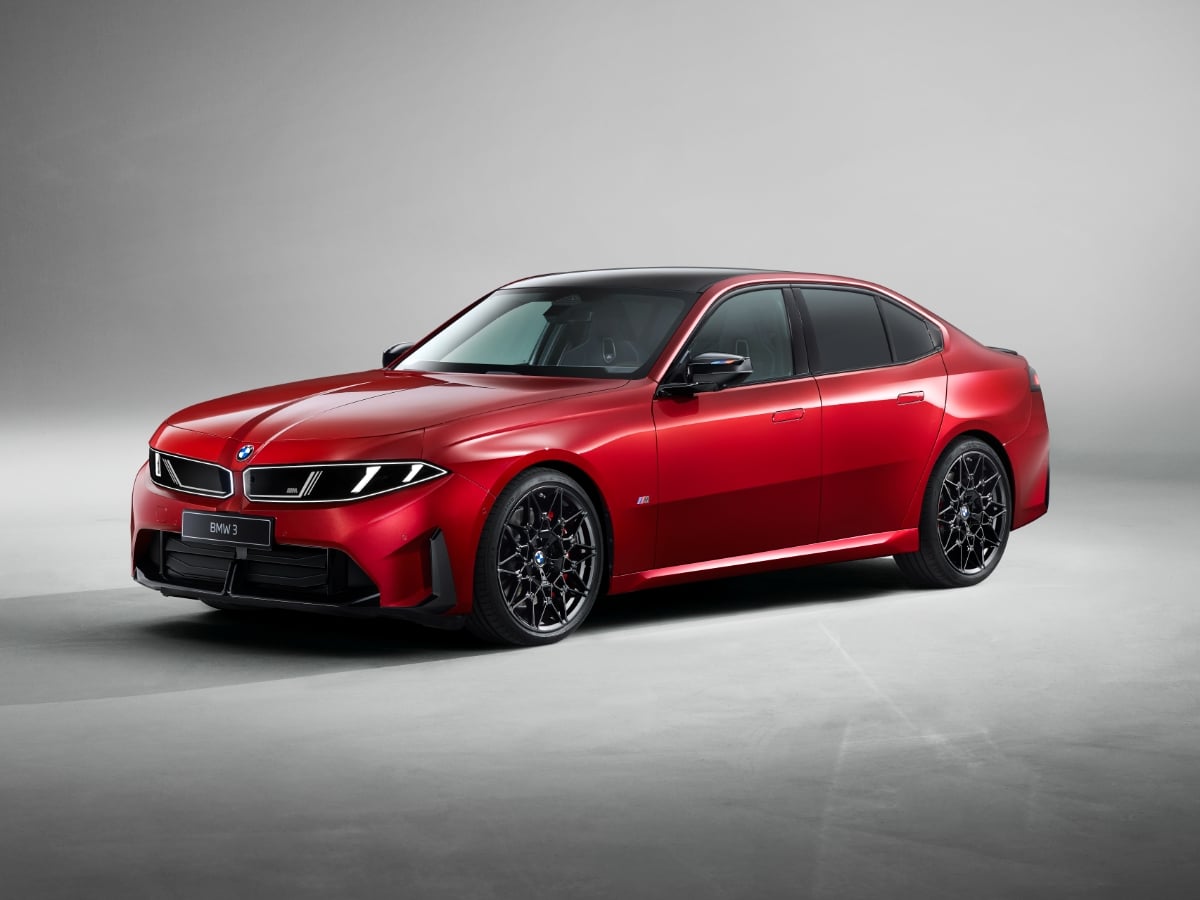
Part of BMW’s Neue Klasse (new class) rollout of redesigned models, the 2027 BMW 3 Series is all-new and goes on sale in the first quarter of 2027.
Read the Full Article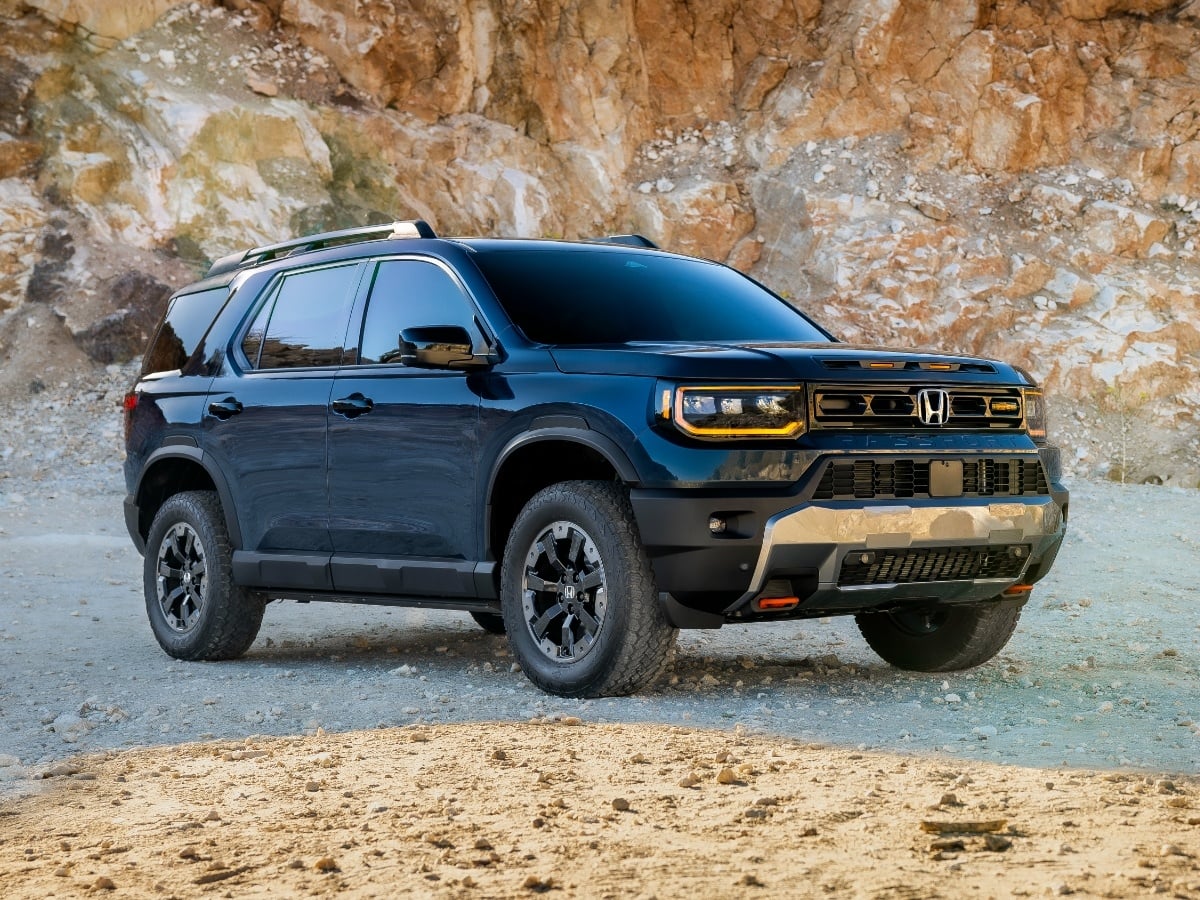
Updates to the 2027 Honda Passport TrailSport include a reworked suspension, improved steering, subtle styling enhancements, and added standard equipment.
Read the Full Article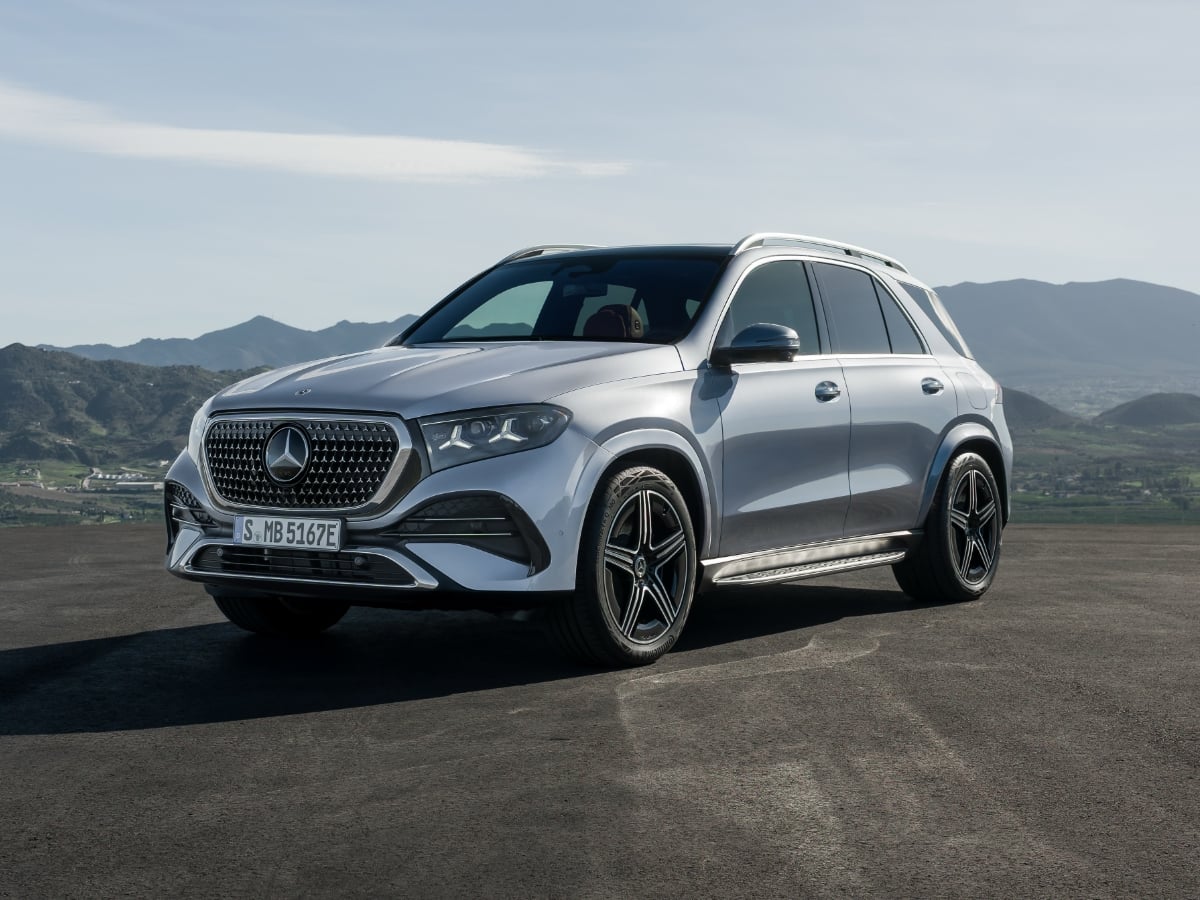
The midsize 2027 Mercedes GLE remains available in original and spicy Coupe recipes, now with standard 4Matic all-wheel drive (AWD), MBUX Superscreen technology, and a panoramic glass sunroof for ...See More
Read the Full Article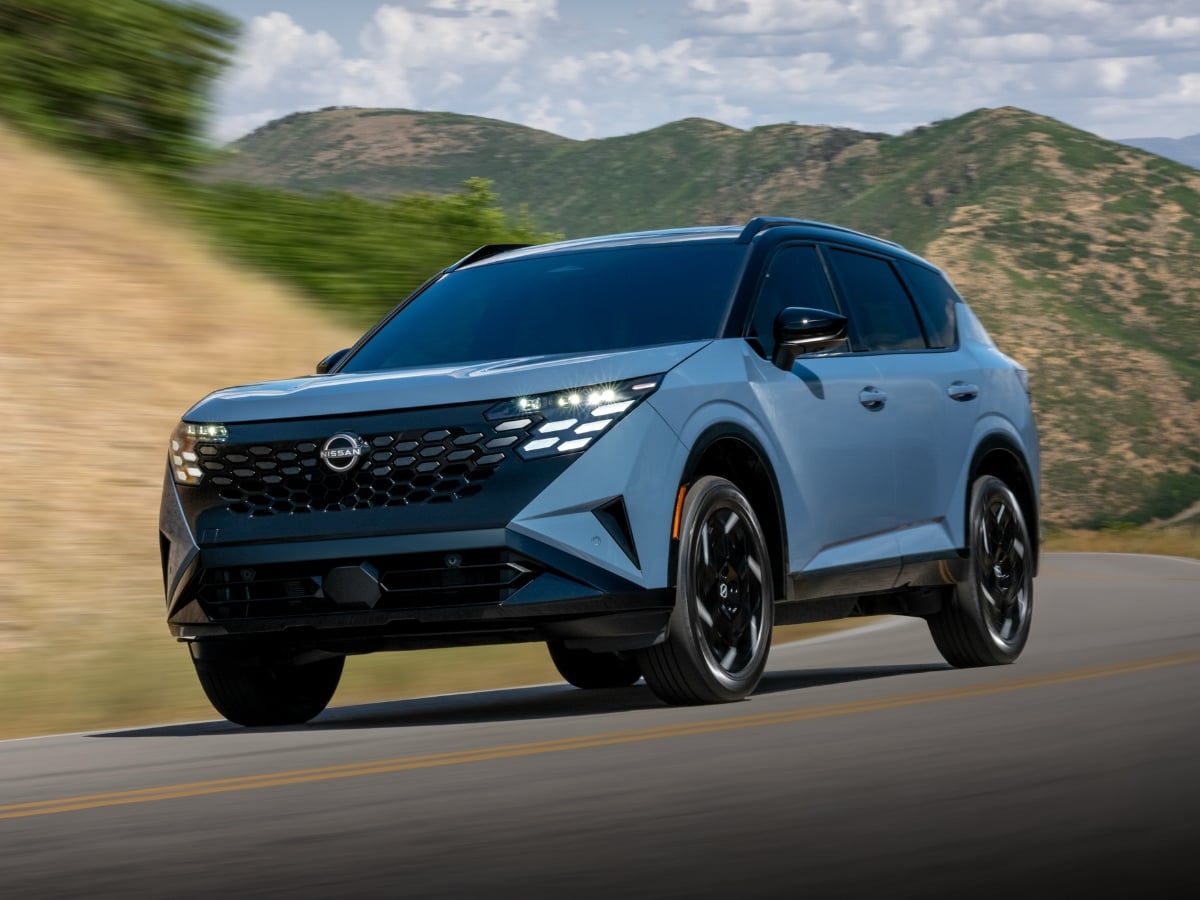
Nissan is about to introduce an innovative new SUV. The 2027 Nissan Rogue Hybrid has a gasoline engine, but it does not power the wheels. Instead, electric motors at each axle provide propulsion, ...See More
Read the Full Article