
When consumers buy a new car and sell their current vehicle to the dealership, that vehicle is called a trade-in. Almost always, the amount of money that a dealer will offer for the vehicle, the trade-in value, is less than the amount of money that you could get by selling it on your own, the market value. This article explains why.
Dealers accept trade-ins for two reasons. First, a trade-in may be a well-maintained example of a popular model that the dealer can recondition and sell on the used car lot for a profit. Second, the dealer is making it easier for the consumer to agree to buy the new car. Accepting a trade-in for any other reason results in extra effort, extra cost, and an uncertain outcome for the dealer.
When a dealer buys a customer's vehicle, the dealer makes that customer's life easier while adding complexity and uncertainty to his or her own business model. Paperwork regarding the transfer of ownership must be completed and filed. If the vehicle is going to be resold on the dealer's used car lot, it must be inspected, reconditioned, and anything wrong must be repaired. If the vehicle is going to be auctioned, it must be transported to the auction and sold for an amount that covers the dealer's costs. Sometimes, there is something wrong with the customer's old car that the dealer discovers after the deal is completed, resulting in unforeseen expenses.
For all of these reasons, trade-in value is less than market value.
Keep in mind, consumers do not have to accept the dealer's trade-in offer. If the dealership offers the consumer less for the trade-in than the consumer believes the vehicle is worth, the consumer has the option of selling the vehicle on their own in an attempt to receive more money for it.
Selling a car on your own is not easy. The seller must be aware of state and local laws governing the private sale of vehicles. To extract maximum value for the vehicle, the seller must clean the car, replace worn items, and repair anything that doesn't work. Advertisements must be placed, and when interested parties call, the seller must arrange to meet strangers to conduct test drives. If an agreement is reached with a buyer, another meeting is required to handle transfer of funds and paperwork. Separately, a trip to the Department of Motor Vehicles may be required.
For all of these reasons, trade-in value is less than market value.
The question consumers must ask themselves before declining a dealer's offer to buy their current vehicle is this: Is the reward worth the risk?


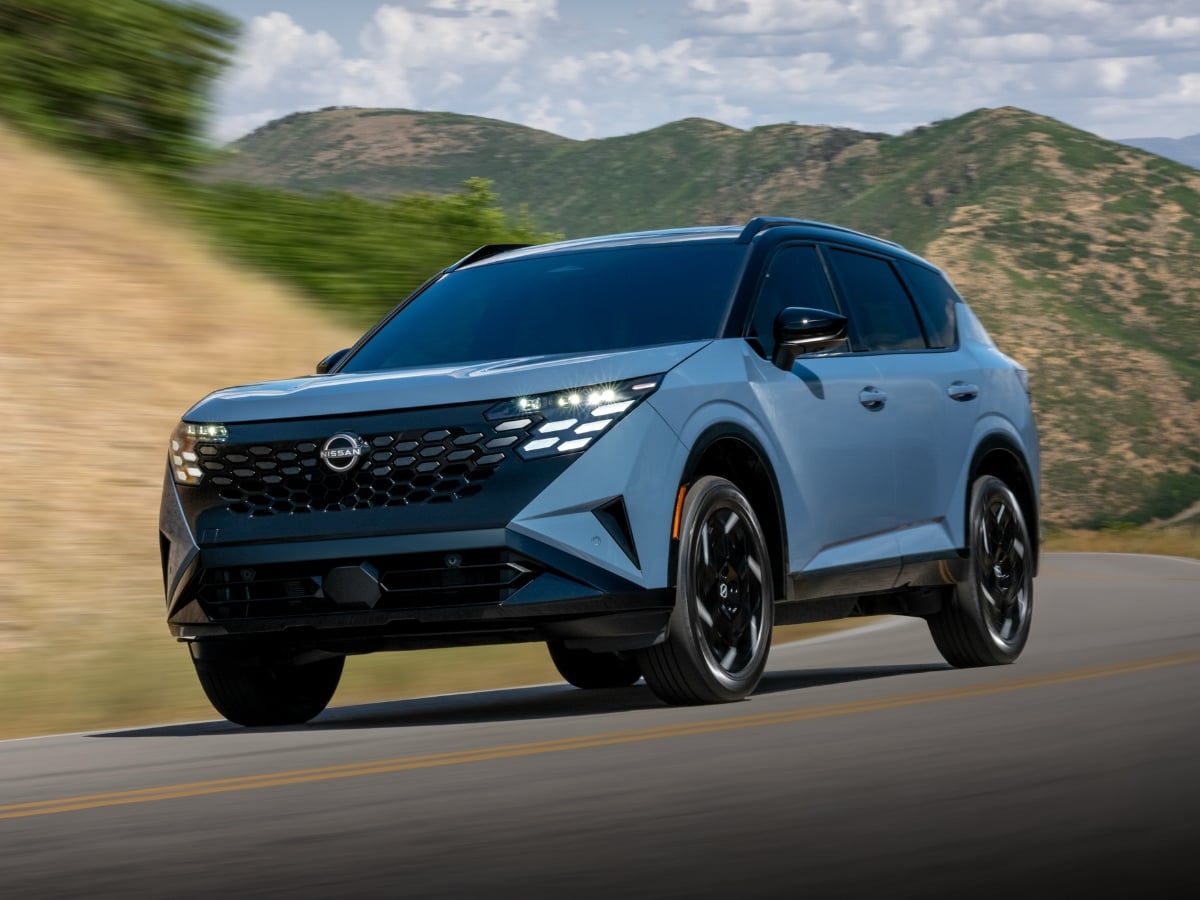
Nissan is about to introduce an innovative new SUV. The 2027 Nissan Rogue Hybrid has a gasoline engine, but it does not power the wheels. Instead, electric motors at each axle provide propulsion, ...See More
Read the Full Article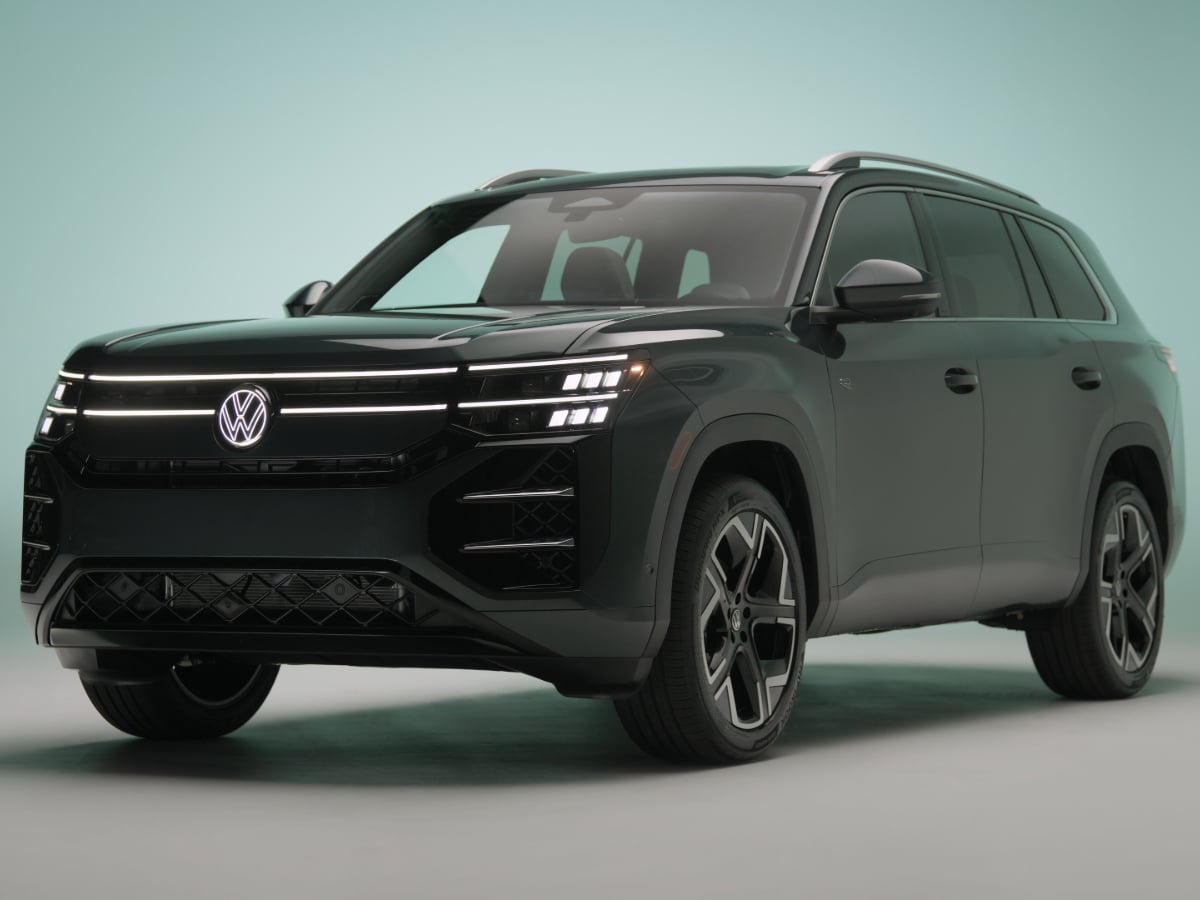
Adding European flair to the otherwise vanilla midsize three-row family SUV market, the redesigned 2027 Volkswagen Atlas debuts with a sharper exterior, an upgraded cabin, more power, and new ...See More
Read the Full Article
Though the styling stays largely the same, a massive boost in electric range for the plug-in hybrid (PHEV), plus a refined design, helps the 2028 Volvo XC60 stay current and desirable.
Read the Full Article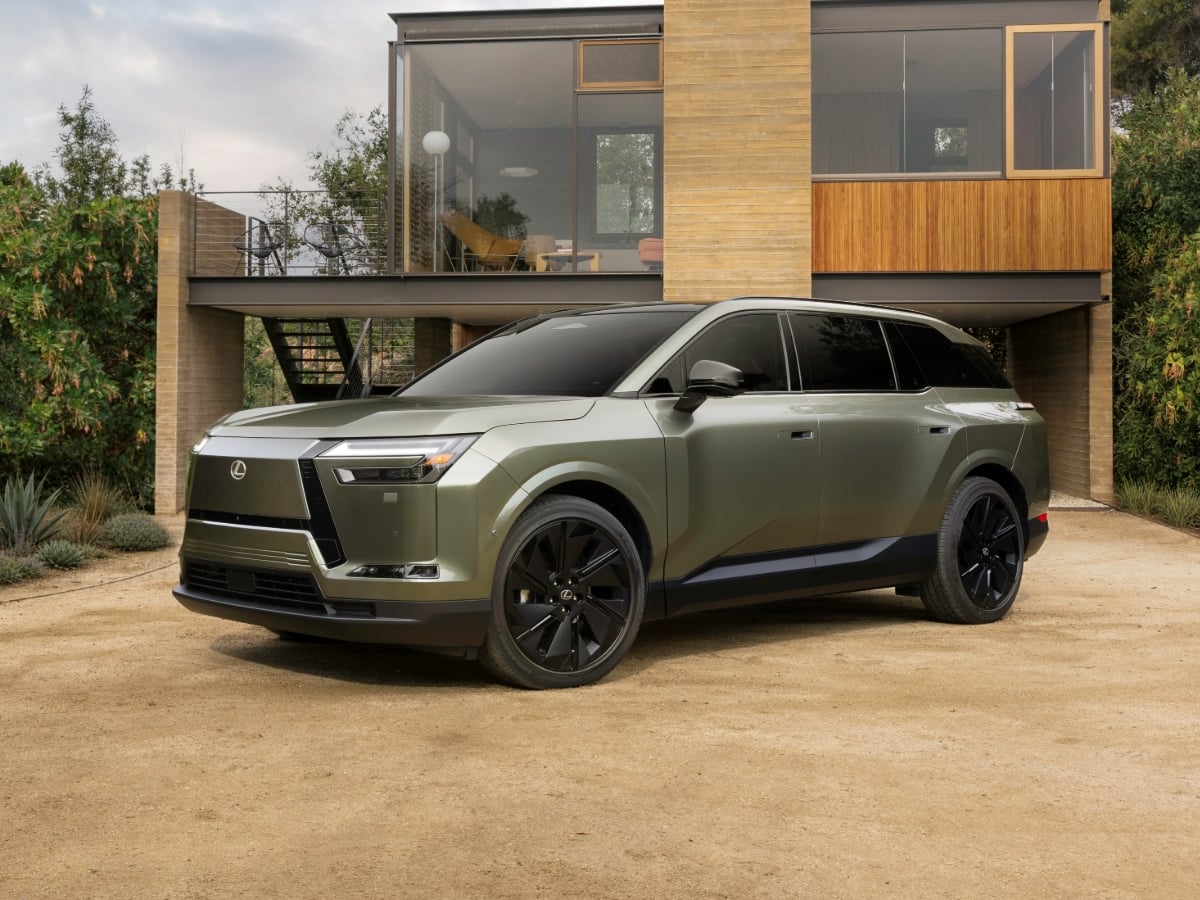
With the 2027 Lexus TZ, Toyota Motor’s luxury division introduces its first three-row all-electric SUV, featuring a lounge-inspired interior, an enhanced all-wheel drive (AWD) system, and up to 300 ...See More
Read the Full Article