
Most drivers know that gas prices vary from city to city and state to state. But not as many know how much the price of electricity can differ from one state to another. This article explains how to calculate the cost of recharging an electric vehicle (EV) at home. It also addresses the cost of recharging at public stations, which can range from free to expensive.

Utilities in the United States commonly sell electricity by the kilowatt-hour (kWH). Electric utilities across the country charge different rates, but the national average price in June 2022 was 15.42 cents per kWh, according to the U.S. Energy Information Administration (EIA). The rates for individual states ranged from a low of 10.49 cents per kWh in Washington to a high of 44.09 cents per kWh in Hawaii.
One way to measure electricity usage is in kilowatt-hours. This term refers to energy used over time. "Kilo" comes from the metric system and means 1,000. "Watt" is a measure of energy transfer. Therefore, a 1,000-watt electrical device operating for one hour uses one kWh. A 100-watt device running for 10 hours also uses one kWh.
In 2020—the last year the EIA released data—the average U.S. home used 893 kWh monthly.
We measure the capacity of EV batteries in kWh. This makes it possible to estimate how many kWh you will need to buy when you recharge. You can find the details of an EV's battery capacity online. New EVs available today have batteries that range from 28.9 kWh in the Mini Cooper SE to more than 100 kWh in long-range luxury models like the Lucid Air and Mercedes-Benz EQS.
Electric-vehicle batteries don't actually use all of this capacity, though. They need to keep a small buffer of energy in the pack. Automakers don't often reveal the percentage the battery reserves, but it's usually around 10 percent. Using this as a guide, an empty 60-kWh battery will need approximately 54 kWh to reach 100-percent full.
Since every owner's situation is unique, we will explain how to estimate the cost of charging your EV at home. You can also use an online calculator like this one.
Step 1: Look at a recent electricity bill to see how much you pay per kWh. If you don't have a statement, you can estimate your cost using the EIA's average price for electricity in your location.
Step 2: Find the battery capacity of the EV you drive or are interested in buying. Subtract 10 percent from the kWh number unless the specification sheet clearly states the kWh rating is "net" or "usable" capacity. In this case, do not adjust the number.
Step 3: Multiply the two numbers. For demonstration purposes, we will use the national average cost of 15.42 cents per kWh to estimate the cost of recharging a 2023 Chevrolet Bolt EV from empty to full. The Bolt has a 65-kWh battery, and we will say the usable capacity is around 59 kWh.
In this scenario, recharging the Bolt's battery would cost just over $9 (15.42 x 59 = 909.78 cents, or $9.10). Since the Environmental Protection Agency rates the 2023 Bolt at 259 miles of range with a full battery pack, each mile driven will cost about 3.5 cents in electricity (909.78/259 = 3.51 cents per mile).
In comparison, the cost to drive a gas-powered car one mile varies considerably, based on the vehicle's fuel economy and the price of gas. In 2020—the most recent data available—the average car in the U.S. returned 25.4 miles per gallon. In August 2022, the average price of a gallon of gas was around $3.90. Using these figures, the average fuel cost for a vehicle with an internal combustion engine is just over 15 cents a mile. You can calculate your cost-per-mile for gas cars using this online calculator.
Some utilities also offer lower electricity rates overnight. If yours does, you can save money by scheduling your EV to start charging once the lower rates are in effect. Many EVs and some home chargers allow you to schedule charge times using the car's touchscreen or a smartphone app.
This article focuses on home charging since that's where you can calculate your costs with some accuracy. Public charging networks can charge whatever they like to replenish your EV's battery. Some public charging stations are free, while others are pretty expensive. Automakers also sometimes include free charging incentives with the sale of a new EV.
Some public stations charge you when your EV is parked at the charger. Others charge for each kWh you put into your car. EVgo, for example, offers different subscription plans depending on how often you expect to use their chargers. The more you charge, the less EVgo will charge you per kWh. In California, rates range from 25 cents per kWh with a $6.99 monthly fee and 34 cents per kWh with no fee.
DC fast charging is often more expensive than the slower, Level 2 chargers. Electrify America (EA) charges subscribers in California a $4 monthly fee and then sells the electricity for 31 cents per kWh at its DC fast chargers. Guests can use these chargers without paying the monthly fee, but the cost for a kWh jumps to 43 cents. Electrify America offers Level 2 charging for 3 cents per minute at some locations and at the same per-kWh fees as its DC fast chargers at other places.
Returning to our example with the Bolt EV, without the subscription discounts, it would cost around $20 to refill the car's battery at an EVgo station and about $25.37 at an EA station in California.
Unless you know where to find free chargers—usually Level 2 units—it will almost certainly cost more to charge in public than at home. Signs on or near public charging stations should explain the exact cost to charge at that location.
Unlike gas cars, you can charge an EV at home. That's where you are likely to recharge for the lowest cost once you've installed a home charger. Public charging costs vary but are almost always more expensive than home units. The cost-per-mile for EVs will also almost always be lower than for gas-powered vehicles.
Check out our Shopping Guides section if you'd like to learn more about EVs.



The 2027 Civic Type R goes on sale in October 2026, and it starts at $49,990, including the $1,295 destination charge.
Read the Full Article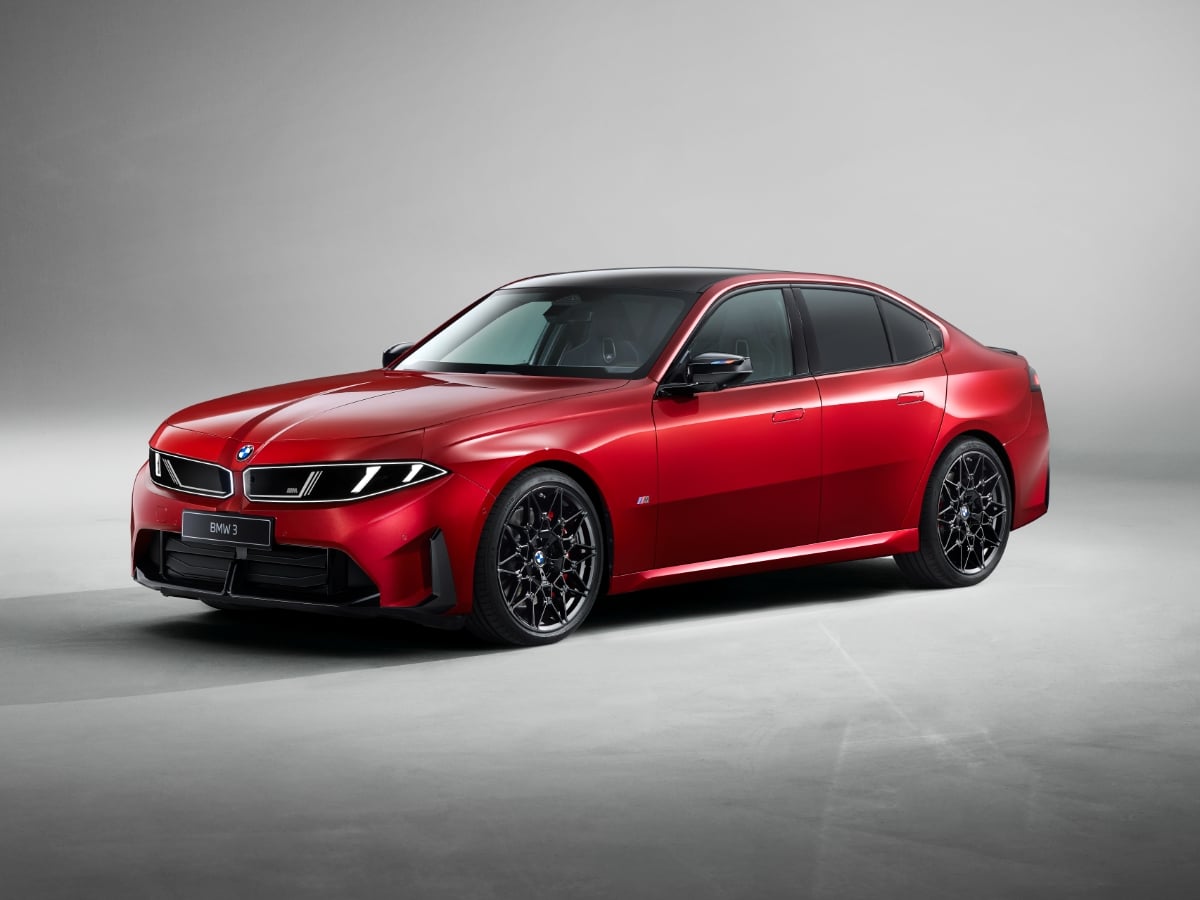
Part of BMW’s Neue Klasse (new class) rollout of redesigned models, the 2027 BMW 3 Series is all-new and goes on sale in the first quarter of 2027.
Read the Full Article
Updates to the 2027 Honda Passport TrailSport include a reworked suspension, improved steering, subtle styling enhancements, and added standard equipment.
Read the Full Article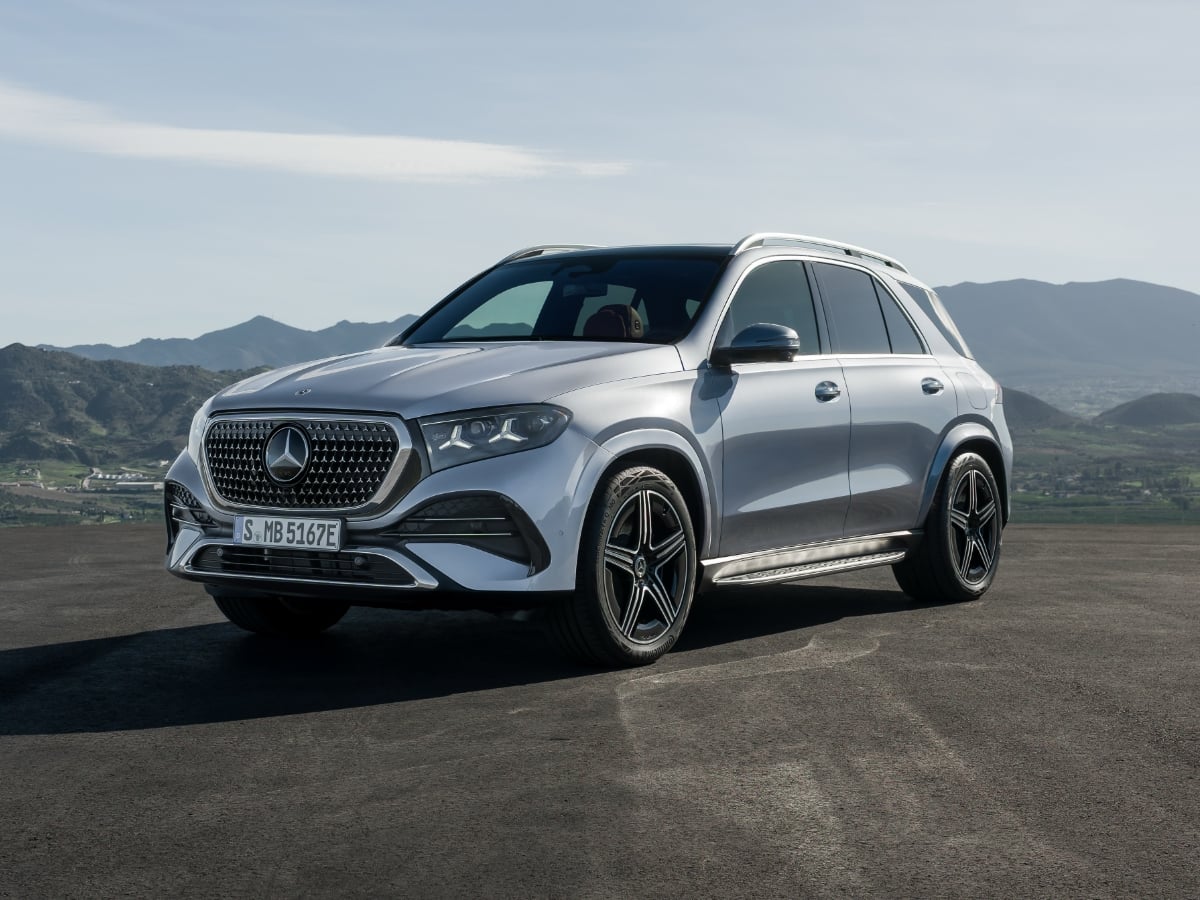
The midsize 2027 Mercedes GLE remains available in original and spicy Coupe recipes, now with standard 4Matic all-wheel drive (AWD), MBUX Superscreen technology, and a panoramic glass sunroof for ...See More
Read the Full Article