
In the “old days,” cars were rear-wheel drive (RWD), which meant that the engine sent its power and torque to the two back wheels through the transmission and driveshaft. However, that started to change in the late 1970s as automakers developed front-wheel-drive (FWD) powertrain configurations. As the name suggests, the two front wheels power the vehicle instead of the rear, which yields better traction and fuel economy.

Despite its benefits, FWD does come with a few drawbacks. One major challenge that can occur with the setup is called torque steer. Since the wheels that propel the vehicle are the same wheels that steer the car, there can be some unintended movement under heavy acceleration.
Torque steer happens mostly in FWD cars and refers to a situation when a car’s engine torque influences its steering. When the driver accelerates quickly, the car’s drive wheels, which also happen to be its steering wheels, can tug or veer to either side. The driver may feel the steering wheel pull to one side or the other, and the vehicle’s direction can shift slightly with input from the driver.
Torque steer occurs for various reasons, some of which relate to the car’s tires, while others involve suspension geometry and chassis dynamics. However, the most common cause of torque steer in front-drive vehicles is the orientation of their engine.
In RWD vehicles, the engine and drivetrain components such as the differential are oriented in a straight line from front to back. This configuration allows the components (half-shafts) that connect the drive wheels to the differential to be the same size and length, which means that they carry the same forces over the same distance.
The engine, transmission, and drivetrain components in FWD vehicles are all located in the vehicle’s front end, but there is no driveshaft. The transmission and differential are mounted on one side of the engine, which causes one half-shaft to be shorter than the other. Different half-shaft lengths mean that they react to torque inputs differently, and one of the front drive wheels can have more power behind it than the other. Since the front wheels also connect to the steering system, the car can pull to one side or the other.
Torque steer can occur if any of the following conditions exist:
There are many ways to “fix” torque steer in FWD cars, but the best solutions are developed and implemented by the automakers at the factory. In some cases, the car’s power steering system can be programmed to cancel out torque steer partially. The car’s computer system can also intervene and limit torque in lower gears or apply a small amount of brake pressure to balance out the forces acting on the front wheels.
If you own a FWD vehicle that has not had the benefit of a factory intervention for torque steer, there are a few steps you can take to help mitigate the issue. Some home remedies for torque steer include:
Despite the challenges presented by torque steer, FWD cars offer better all-weather traction, more interior space, and better fuel economy than their RWD counterparts. Taking a few preventative measures can help reduce the impact of torque steer, anyway, and the benefits of FWD are enough to far outweigh any downsides for most buyers. Check out our Shopping Guides section to find the FWD car that is right for you.


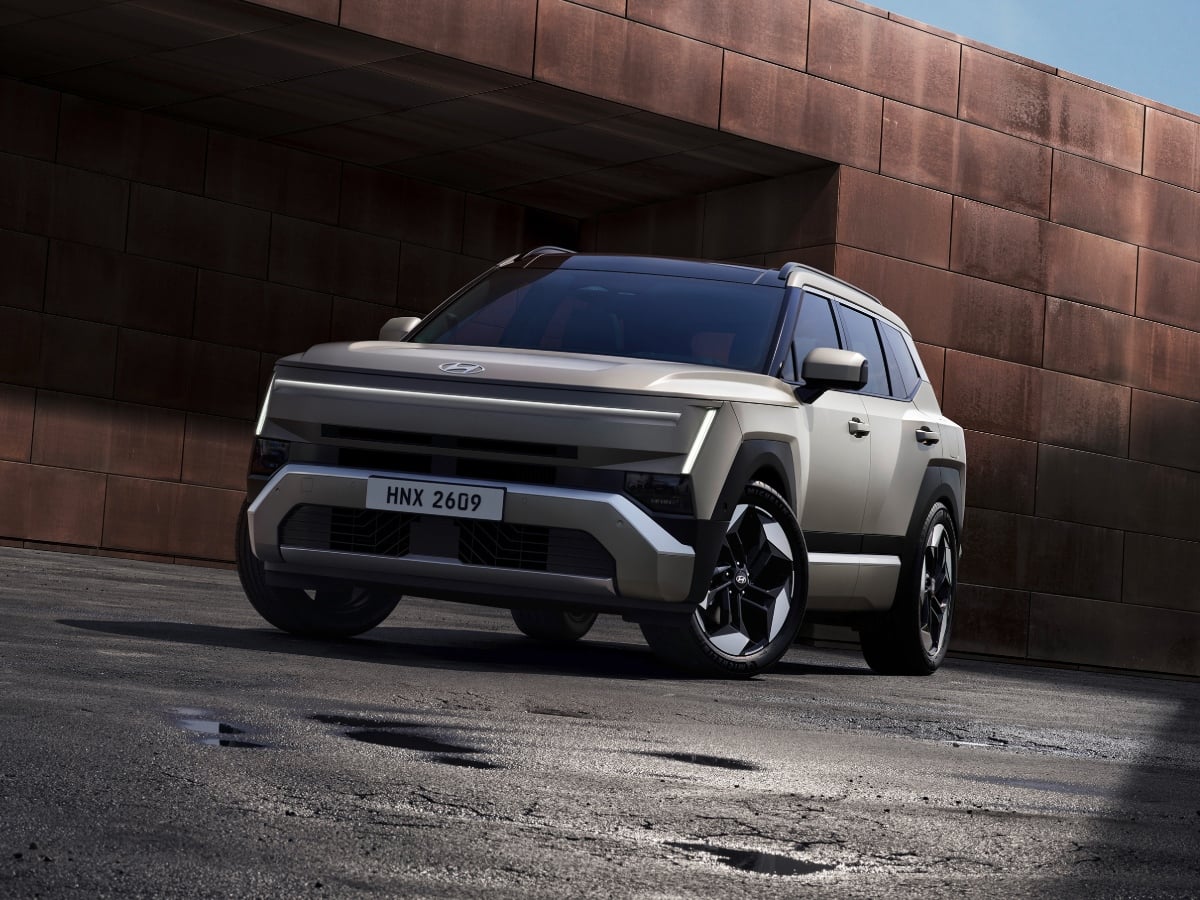
With a purposeful new design and some trail-ready upgrades, the 2027 Hyundai Tucson is pushing the brand's best-selling crossover SUV into more aggressive territory.
Read the Full Article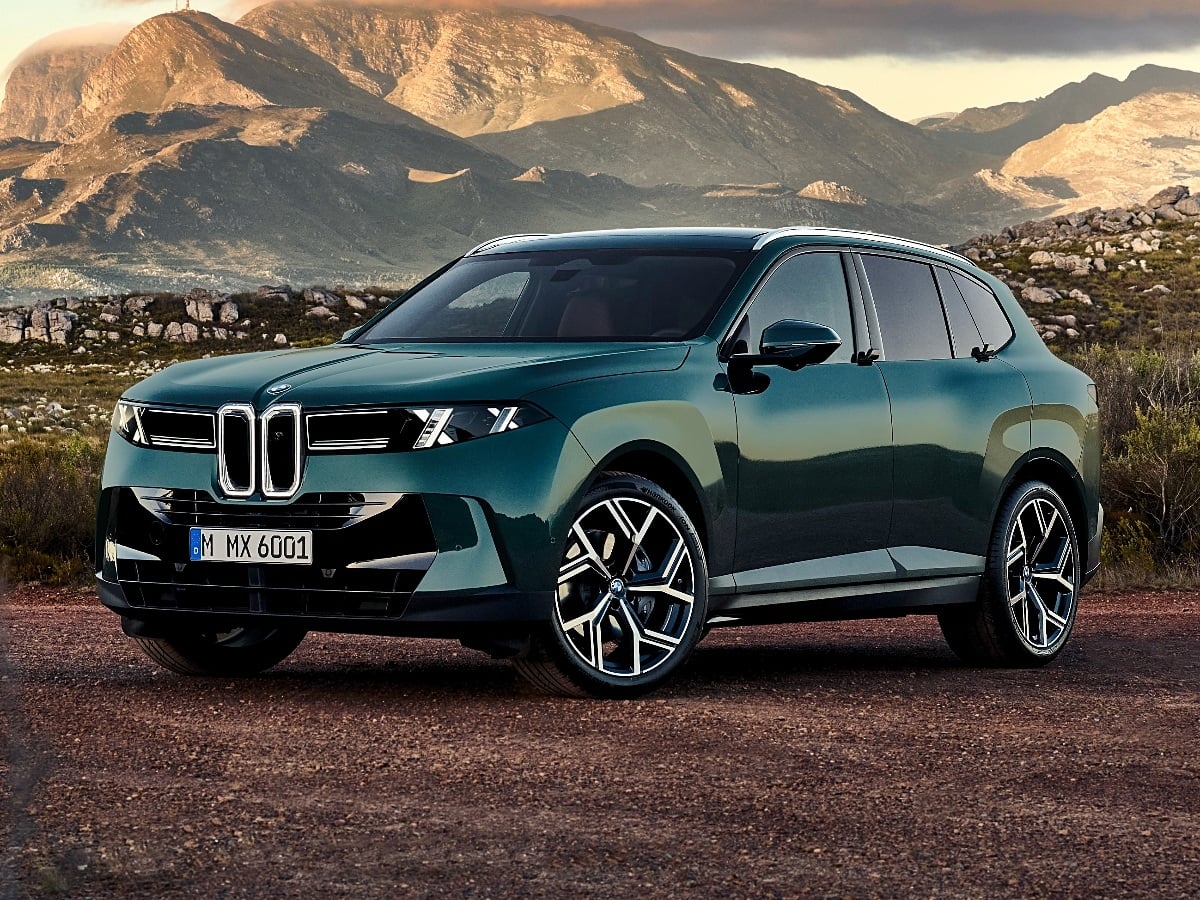
For more than 25 years, the BMW X5 has helped to define the luxury SUV segment. Now, the redesigned fifth-generation 2027 BMW X5 arrives with the automaker’s Neue Klasse styling, a roomier interior, ...See More
Read the Full Article
One of Lexus's most popular models, the NX crossover SUV is also one of the most affordable in the company’s lineup. The 2027 Lexus NX transitions to hybrid-only powertrains, and gets revised ...See More
Read the Full Article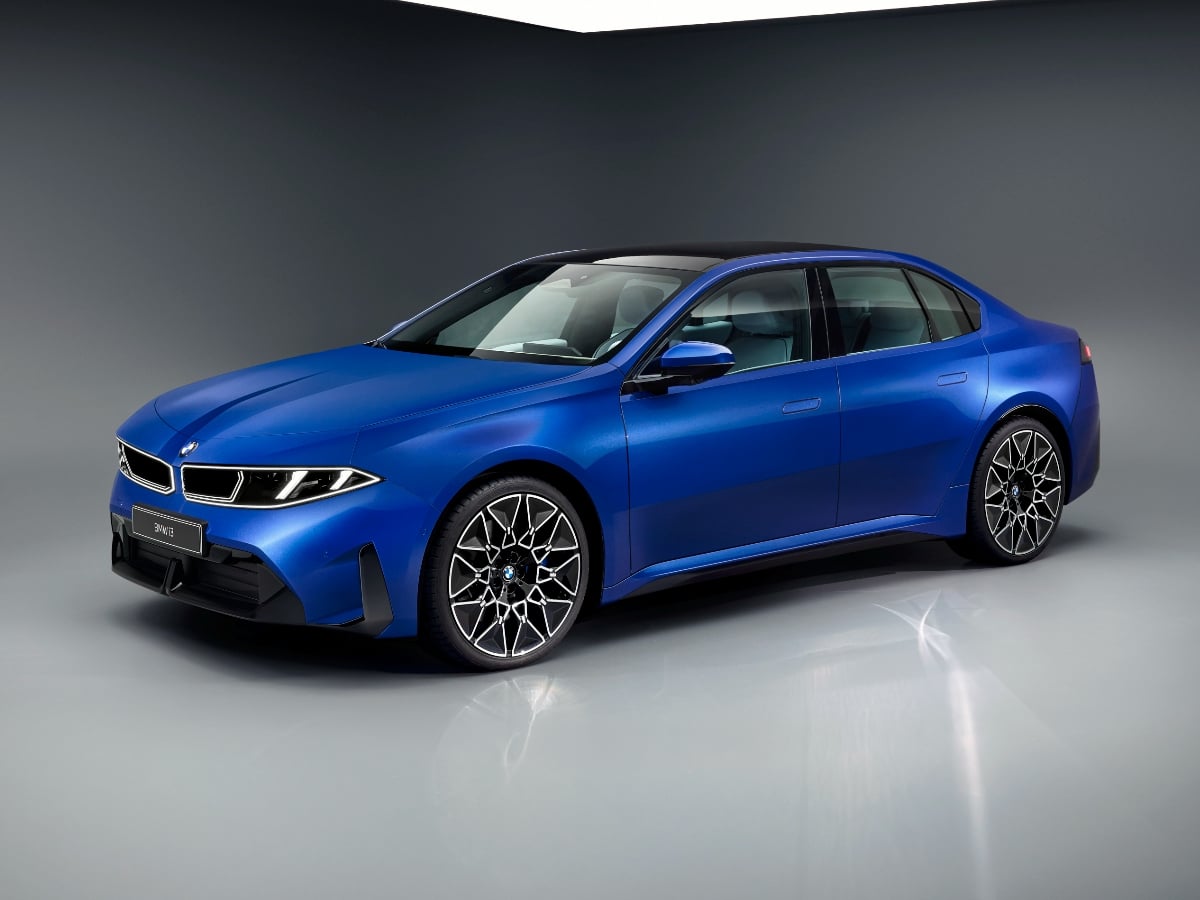
The new 2027 BMW i3 boasts an estimated range of up to 440 miles, 400-kilowatt DC fast charging capability, bidirectional charging to a home or the grid, and next-generation technology.
Read the Full Article