
Nissan’s variable-compression turbo (VC-Turbo) is a unique engine capable of variable compression adjustment. Unlike traditional engines, which have a fixed compression ratio, the VC-Turbo engine adjusts its compression to the ideal ratio based on the driving style at any given moment. As such, this innovative engine design is optimized for both power and efficiency—two performance characteristics that generally oppose each other.

The compression ratio is the ratio of an engine’s maximum cylinder volume to its minimum cylinder volume. This ratio determines the efficiency and power characteristics of an engine. The idea behind the VC-Turbo is to match the power of a naturally aspirated 6-cylinder engine while still achieving the efficiency and torque characteristics of a smaller diesel engine.
In a traditional gasoline engine, a piston travels up and down from a central point known as the crankshaft, restricting compression to just a single ratio. For that reason, engineers cannot optimize this kind of engine for all driving conditions. High compression ratios result in low-RPM fuel economy but fall short on high-end power output. A low compression ratio does the opposite, reducing fuel economy but allowing for more power at higher RPMs.
The VC-Turbo engine is a best-of-both-worlds solution to this problem. It uses a multi-link system with an adjustable crankshaft and actuator arm. This geometry changes the length of the piston’s stroke and adjusts the engine’s compression ratio on the fly. By monitoring driver inputs several times per second, the engine works with an onboard computer to adjust the compression ratio anywhere from 8:1 to 14:1 as needed, seamlessly optimizing power and efficiency.
The fully variable engine will choose the ideal compression ratio depending on the driver’s throttle input. When the driver demands power, the internal actuator shortens the piston stroke, allowing compression to drop. At the same time, it taps the turbocharger for maximum output. Conversely, during highway cruising and other low-power needs, the engine automatically adjusts to a higher compression ratio, offering a much higher level of efficiency.
The VC-Turbo engine operates on the same basic four strokes as any other engine: intake, compression, power, and exhaust. However, this engine can completely alter the compression ratio to target increased horsepower or increased fuel economy. There are four basic steps for changing the compression ratio in this engine:
So, for example, if the engine were operating in its power mode but wanted to switch to an efficiency mode, the harmonic drive would rotate. This rotation would then turn the control shaft, which would pull the lower link down and force the upper link upward. As a result, this movement would decrease the space between the piston and the cylinder head and increase the compression ratio.
The VC-Turbo engine uses direct injection and port injection to achieve the most efficient combustion at low loads. Only direct injection is active at higher loads, which meets power demands and allows for precise fuel-injection timing. In addition, the distance the exhaust must travel to reach the turbo is extremely short in this engine, which helps spool the turbo very quickly for fast power delivery.
Nissan’s VC-Turbo engine is more complex than traditional power plants, and complexity can lead to reliability concerns. For that reason, the automaker put this engine through a much higher level of testing than usual, including nearly two million miles of real-world driving. Nissan put a fleet of 600 development cars through various climate and weather conditions to reach reliability and durability targets. By comparison, a traditional engine undergoes testing with approximately 50 development vehicles.
Fuel economy and performance are among the most critical driving characteristics but are not usually offered together in a single powertrain. With fully variable compression technology, Nissan’s VC-Turbo delivers both elements—efficient highway cruising and powerful highway passing—all in one system.



Updates to the 2027 Honda Passport TrailSport include a reworked suspension, improved steering, subtle styling enhancements, and added standard equipment.
Read the Full Article
The midsize 2027 Mercedes GLE remains available in original and spicy Coupe recipes, now with standard 4Matic all-wheel drive (AWD), MBUX Superscreen technology, and a panoramic glass sunroof for ...See More
Read the Full Article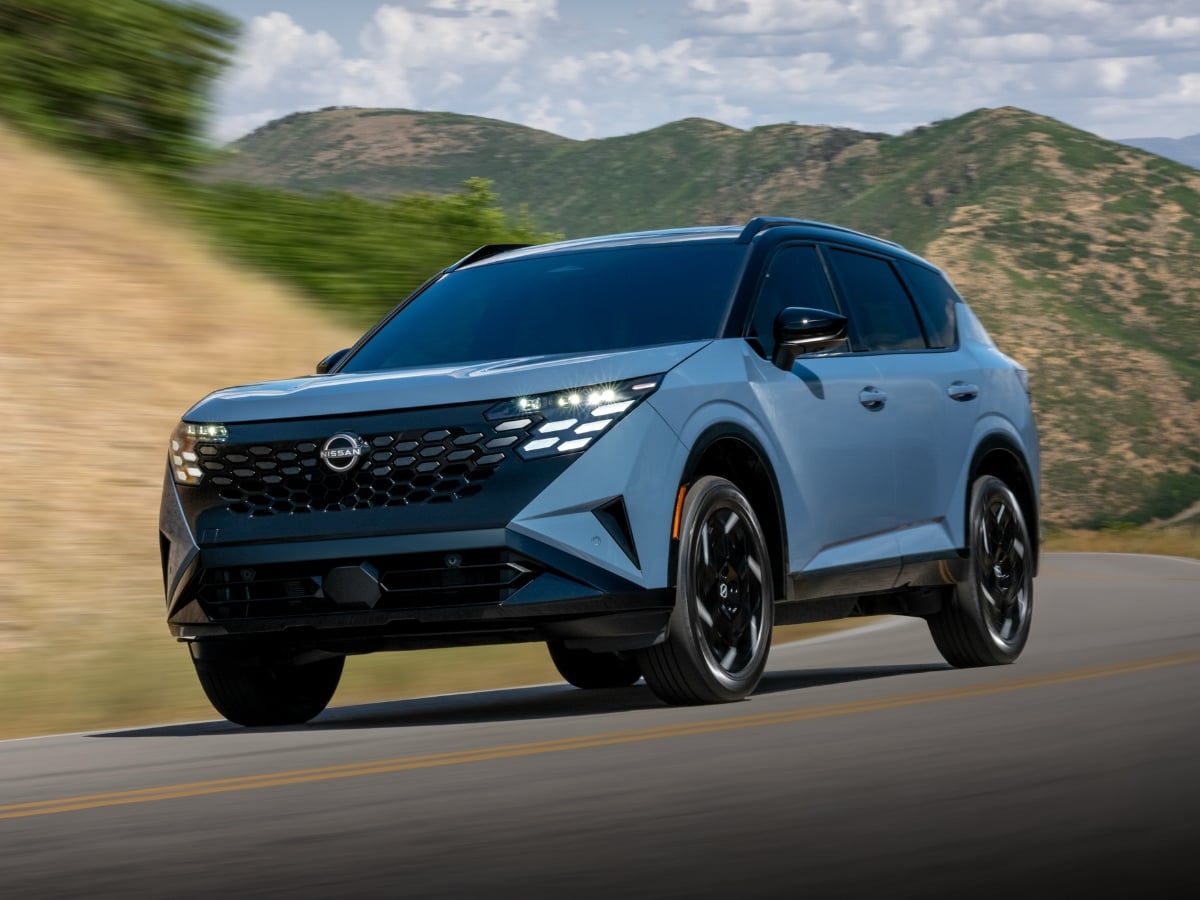
Nissan is about to introduce an innovative new SUV. The 2027 Nissan Rogue Hybrid has a gasoline engine, but it does not power the wheels. Instead, electric motors at each axle provide propulsion, ...See More
Read the Full Article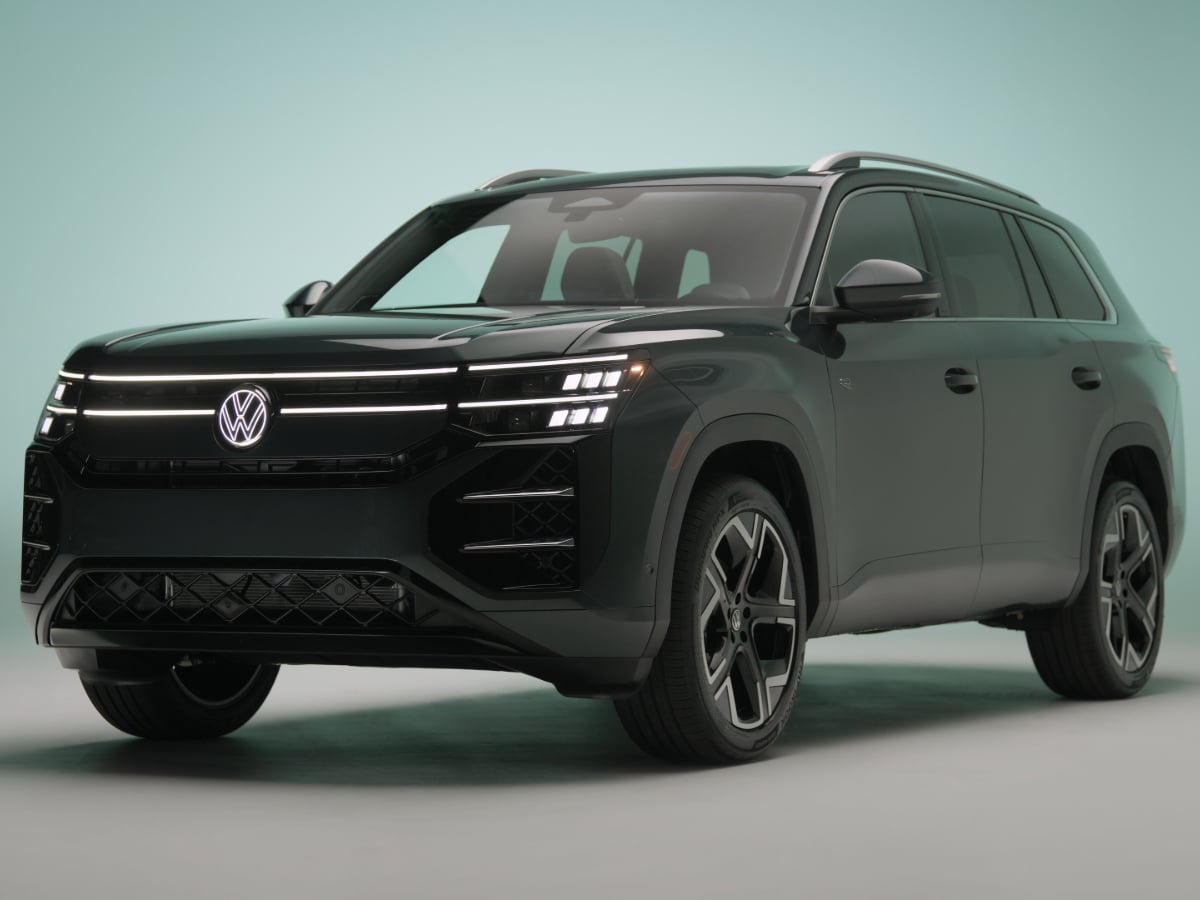
Adding European flair to the otherwise vanilla midsize three-row family SUV market, the redesigned 2027 Volkswagen Atlas debuts with a sharper exterior, an upgraded cabin, more power, and new ...See More
Read the Full Article