
Driving at night has risks. Less visibility means a collision with a pedestrian, a cyclist, or an animal is more likely to happen than in daytime driving. Some automakers offer night-vision technology to help prevent these types of low-light accidents.

The diminished vision in night driving makes it challenging to see people and animals that may suddenly enter the vehicle's path. Darkness affects various aspects of human sight, including depth perception, color recognition, and peripheral vision, ultimately impacting the ability to see clearly and drive safely.
When driving at night, visibility is limited to approximately 250 feet for standard headlights and about 500 feet when using high beams. This distance may sound sufficient, but traveling at just 50 mph equates to less than 3.5 or 7 seconds of reaction time, respectively.
According to the National Highway Traffic Safety Administration (NHTSA), 77 percent of all pedestrian fatalities in 2021 occurred in dark conditions after sundown and before sunrise. The correlation between this statistic and the risks of driving in low-light conditions is difficult to deny.
Night-vision technology in cars enhances visibility in low-light conditions. Its primary goal is to improve driver awareness and safety by highlighting objects hidden in darkness and extending sight beyond the range of headlights.
A forward-looking infrared sensor typically housed in the grille is the key to night-vision systems. This sensor scans the roadway for objects that give off a light warmer than the rest of its surroundings. Living things—humans and animals—are generally warmer than inanimate objects such as trees, signs, and parked cars.
Infrared sensors capture the spectrum just above visible light to detect humans and larger animals (dogs, cats, coyotes, deer). The system then outputs a thermal image to a dashboard display for the driver to see. The image is often coupled with audio alerts to capture the driver’s attention further.
Night-vision systems come in two main varieties: passive and active. Both systems capture thermal images through infrared detection in two different ways.
Passive systems do not actively emit infrared light to search for warm objects in the roadway. Instead, they act as thermal-radiation detectors that capture the heat signatures of people or animals, distinguishing them from their cooler surroundings. These systems have ranges of up to 1,000 feet.
The downside of passive systems is they are less effective in warmer climates where temperature variances are less severe. It's more difficult for these systems to distinguish living things from their warm temperature backgrounds. In other words, a passive night-vision system can more easily see a moose in a snowy scene over a camel in the desert.
Audi, BMW, Cadillac, and Volkswagen are among the brands that use passive night-vision systems.
In comparison, active night-vision systems take a more dynamic approach. They emit infrared light from the vehicle to detect the reflected infrared radiation as it bounces off objects ahead. These systems then use infrared cameras to capture brighter and higher-quality thermal images than those of a passive system. However, active systems generally have a shorter range than passive systems, sometimes by as much as half the distance. Active systems also don't work well in severe weather conditions.
Lexus, Mercedes-Benz, and Toyota offer active night-vision systems as standard and optional features throughout their model lineups.
Night vision has three main advantages, all of which contribute to reducing the risk of an accident in dark conditions:
The disadvantages of night-vision technology are:
Night vision is an advancement in driver assistance and safety for new-car buyers. It offers improved visibility and potentially reduces the risk of nighttime accidents with pedestrians and animals.
To learn more about various automotive technologies, visit the Shopping Guides section of the website.
Jessica Shea Choksey is an experienced writer in the automotive field. In addition to JDPower.com, she was a correspondent for PBS's MotorWeek, and her work has appeared on Autotrader.


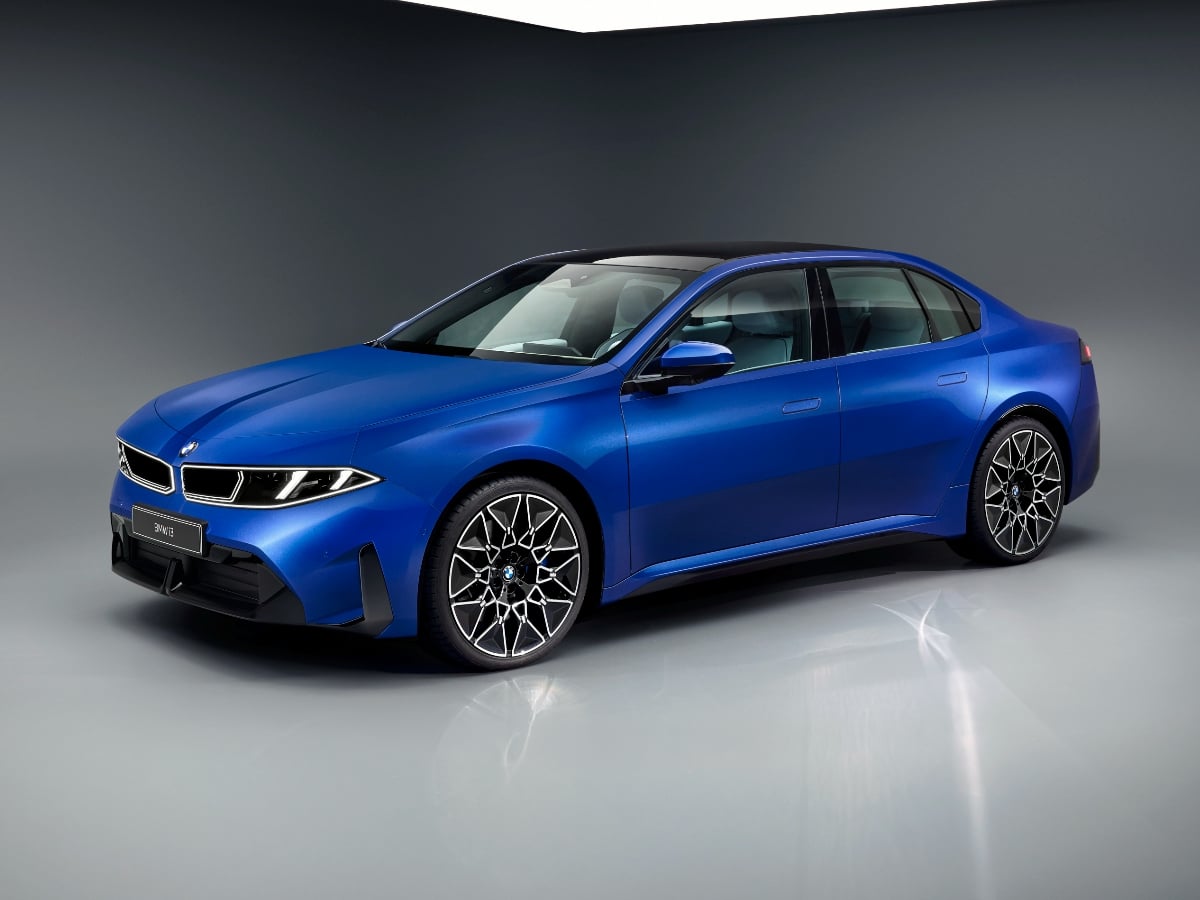
The new 2027 BMW i3 boasts an estimated range of up to 440 miles, 400-kilowatt DC fast charging capability, bidirectional charging to a home or the grid, and next-generation technology.
Read the Full Article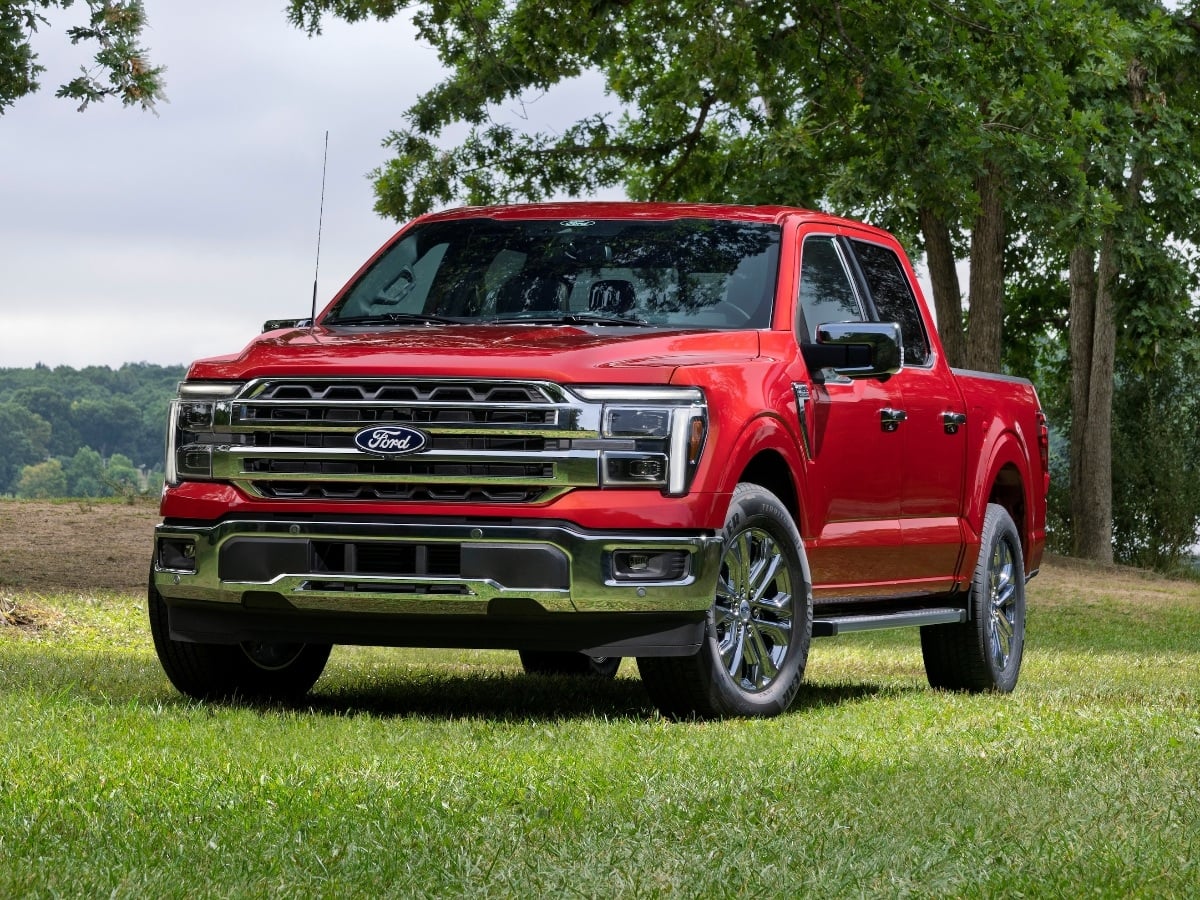
Facing renewed competition in the full-size, light duty pickup truck segment, the 2027 Ford F-150 receives subtle styling updates, a new standard engine, broader availability of its 5.0-liter V8, and ...See More
Read the Full Article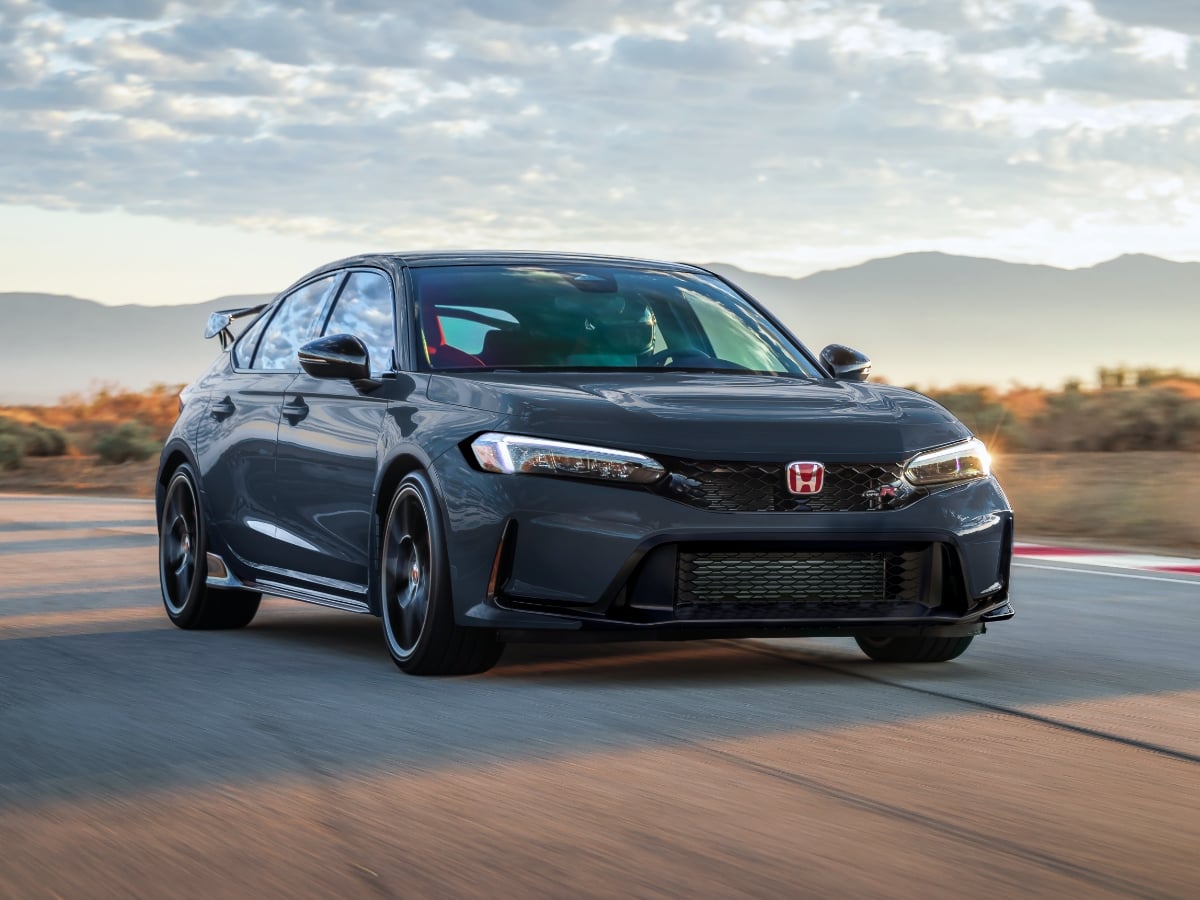
The 2027 Civic Type R goes on sale in October 2026, and it starts at $49,990, including the $1,295 destination charge.
Read the Full Article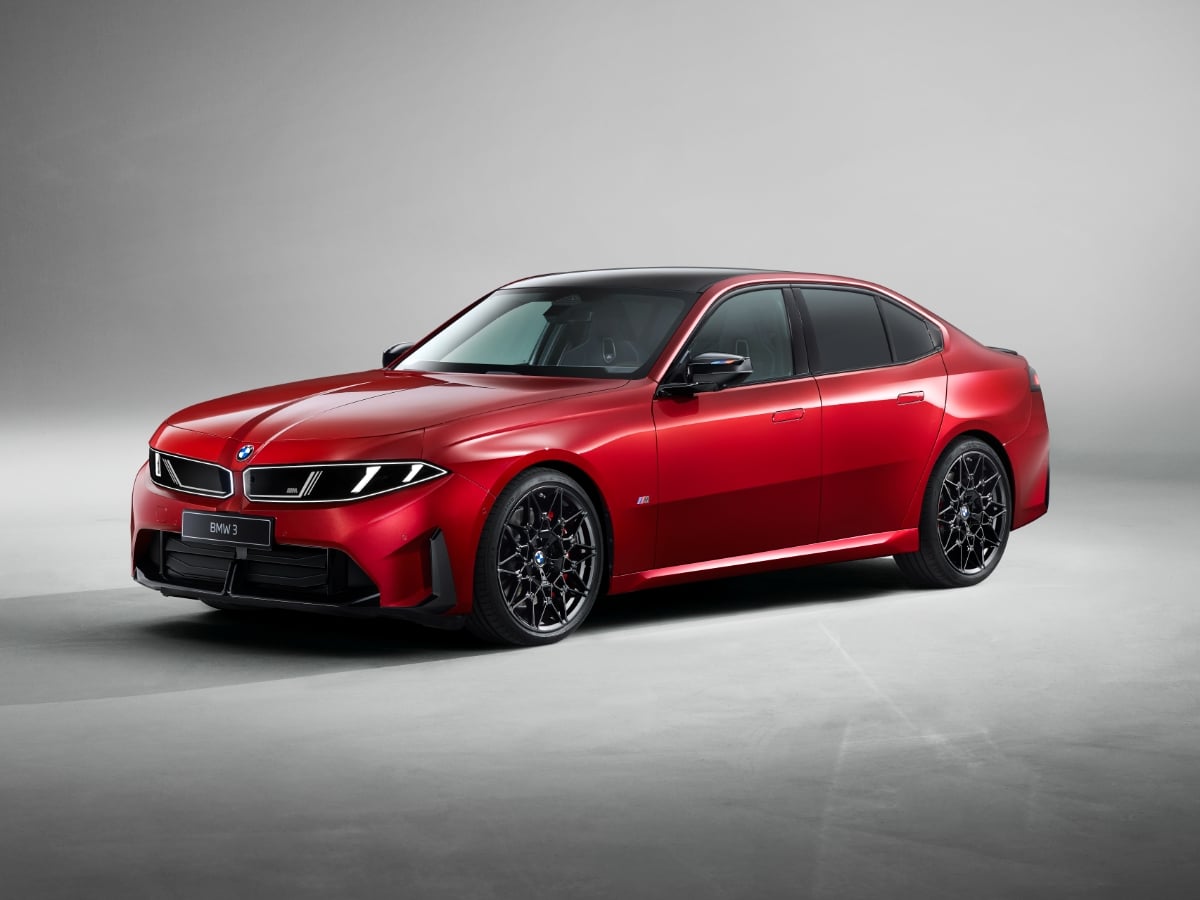
Part of BMW’s Neue Klasse (new class) rollout of redesigned models, the 2027 BMW 3 Series is all-new and goes on sale in the first quarter of 2027.
Read the Full Article