
Honda is set to take the next step in achieving its stated goal of eliminating deaths and collisions involving its cars by 2050. Named Honda Sensing 360, this enhanced version of the automaker’s existing advanced driving assistance systems (ADAS) adds additional sensors to process information from around the entire vehicle so that drivers can avoid dangerous situations.

Currently, Honda Sensing takes its cues from the monocular cameras mounted in the front and rear of the car. It aids the automatic emergency braking system whether you’re going forward or in reverse.
In addition to the cameras, Honda Sensing 360 places five advanced millimeter-wave radar units around the car, gathering data from a more holistic view of the environment around the vehicle. Eliminating blind spots means that it can sense a pedestrian or a vehicle entering and crossing your zone in an intersection and either warn the driver or adjust vehicle behavior accordingly.
The automaker will be including Honda Sensing 360 in models in the Chinese market first, while the United States and other countries will see it as a standard safety feature in all Hondas by 2030. In addition, Honda will include Honda Sensing 360 in the AcuraWatch suite of ADAS for Acura vehicles.
Although Honda Sensing 360 aids drivers in avoiding a collision, it is a Level 2 ADAS feature. Level 2 means the car can take on certain driving duties, but the responsibility solely falls on the driver to maintain attention and be ready to act at any time.
Honda introduced the world’s first Level 3 ADAS, Honda Sensing Elite, on their Japanese-market Legend sedan. This system gives the driver permission to avert their attention for short periods (to watch a show on the infotainment system, for example) and under certain traffic circumstances while the car brakes, accelerates, and steers itself.
The National Highway Traffic Safety Administration has estimated that human error causes 94 percent of all traffic collisions, including distracted and drunk driving, as well as miscalculating distances in traffic. Honda seeks to eliminate mistakes that humans make with the more predictable judgments made by computers. The company strives toward a future where, by 2050, those who drive Hondas are not injured, killed, or involved in any accidents.


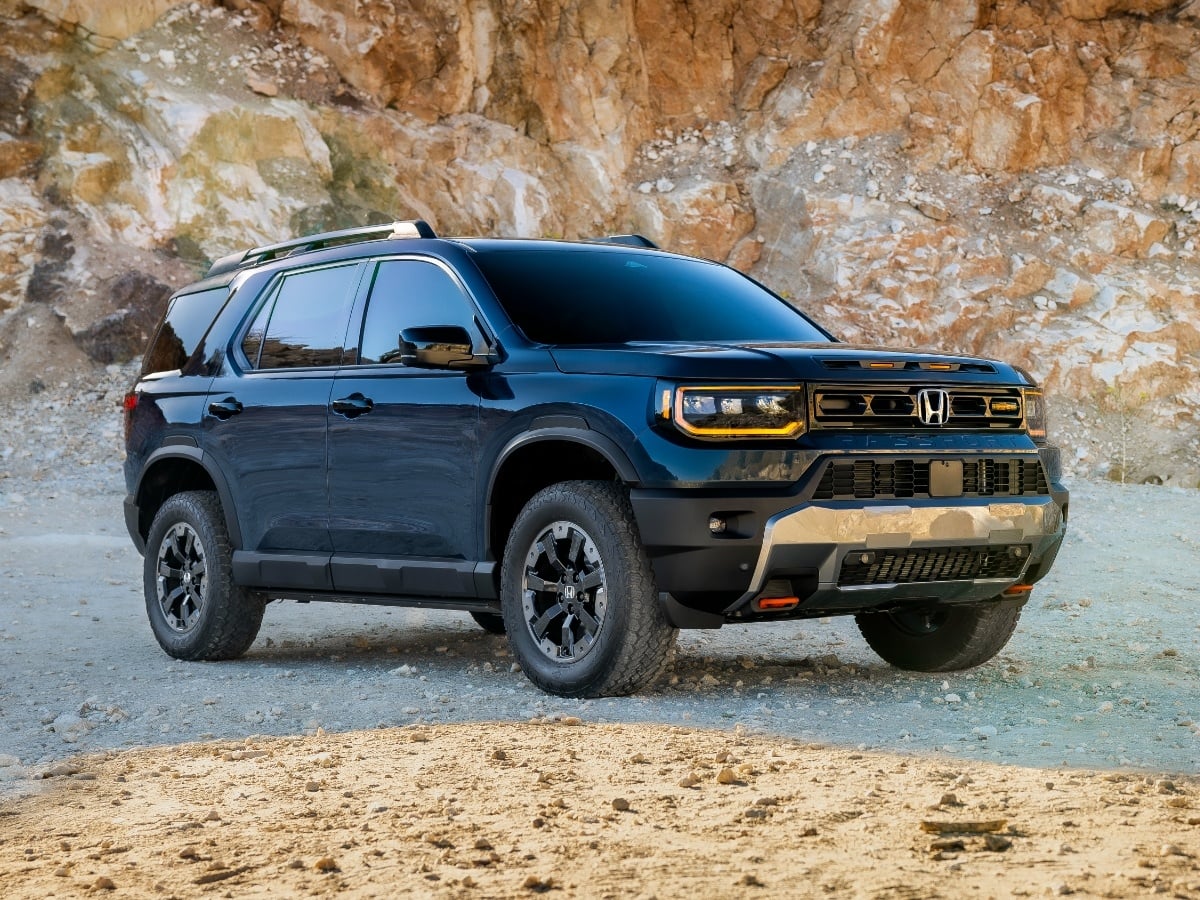
Updates to the 2027 Honda Passport TrailSport include a reworked suspension, improved steering, subtle styling enhancements, and added standard equipment.
Read the Full Article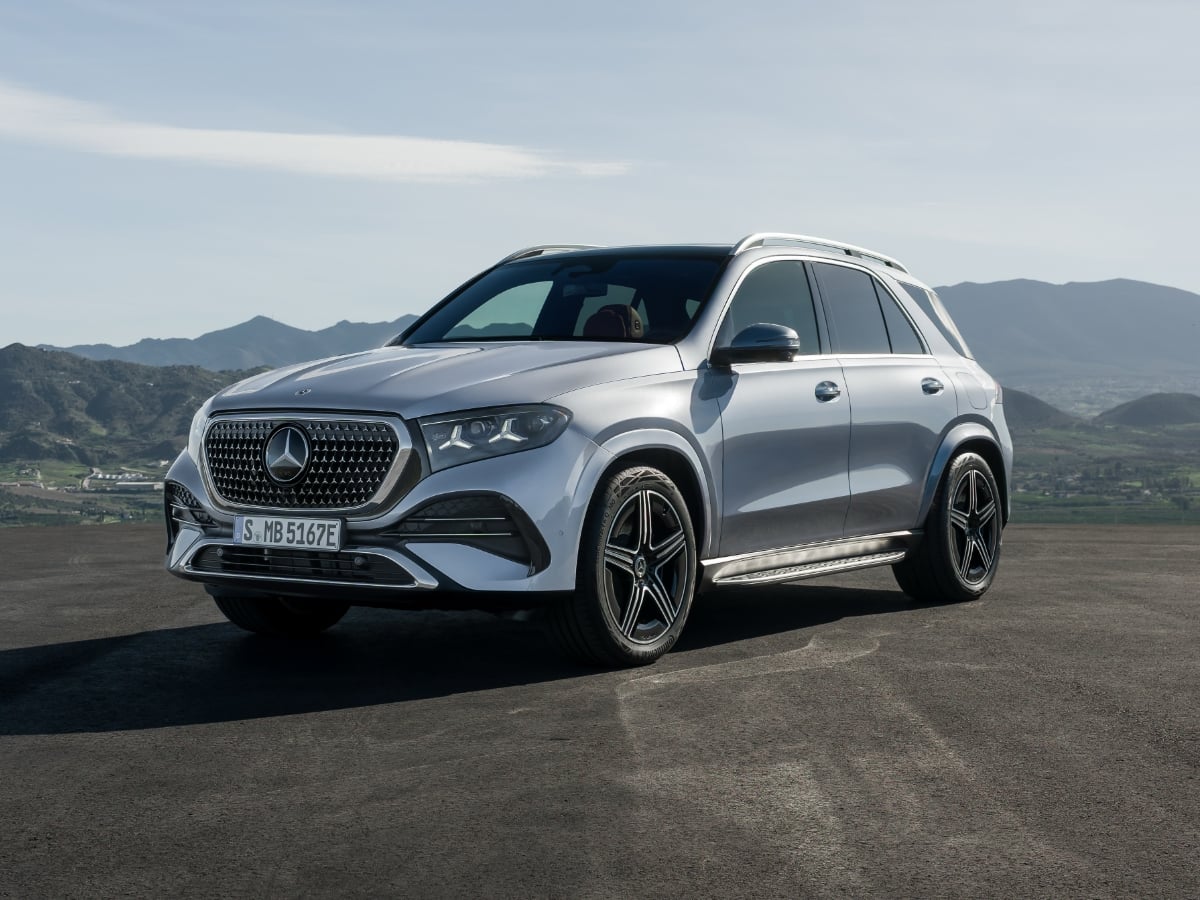
The midsize 2027 Mercedes GLE remains available in original and spicy Coupe recipes, now with standard 4Matic all-wheel drive (AWD), MBUX Superscreen technology, and a panoramic glass sunroof for ...See More
Read the Full Article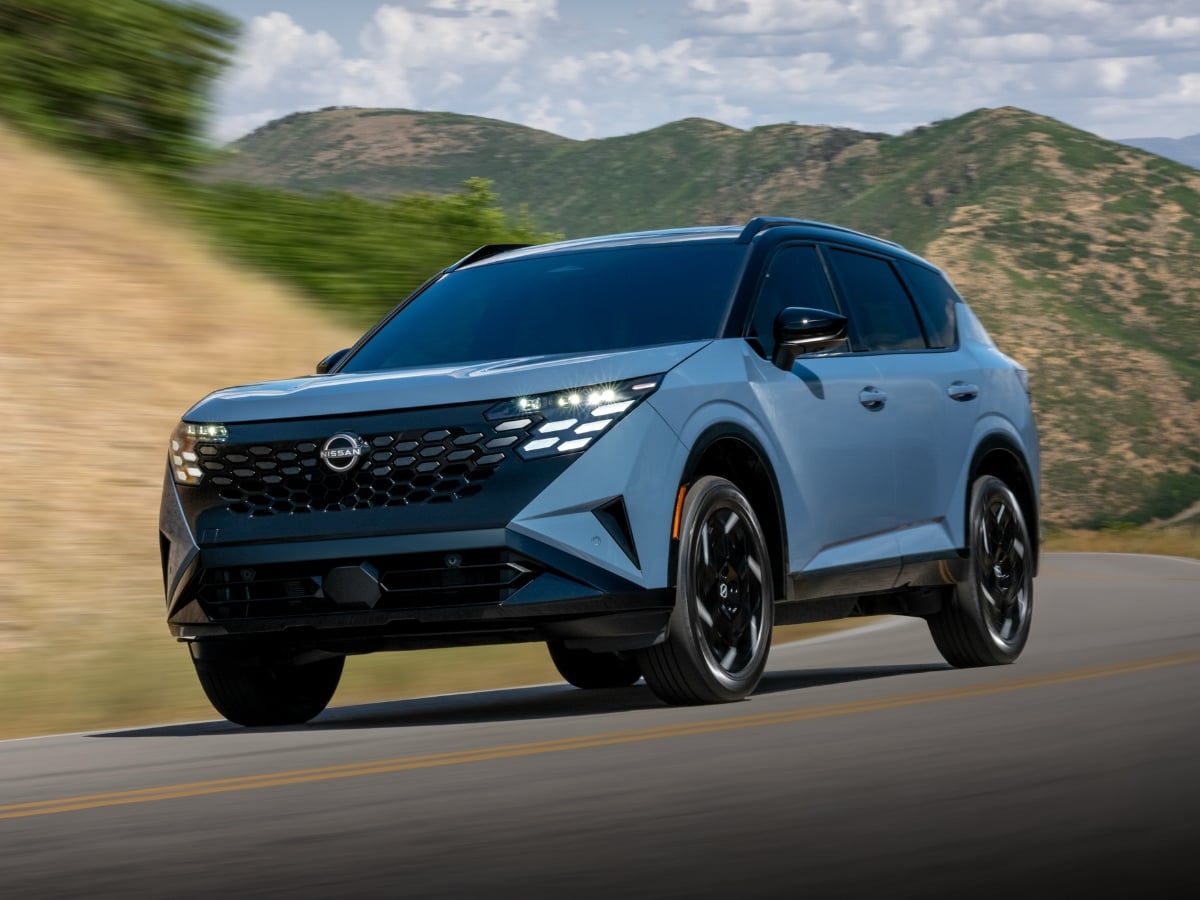
Nissan is about to introduce an innovative new SUV. The 2027 Nissan Rogue Hybrid has a gasoline engine, but it does not power the wheels. Instead, electric motors at each axle provide propulsion, ...See More
Read the Full Article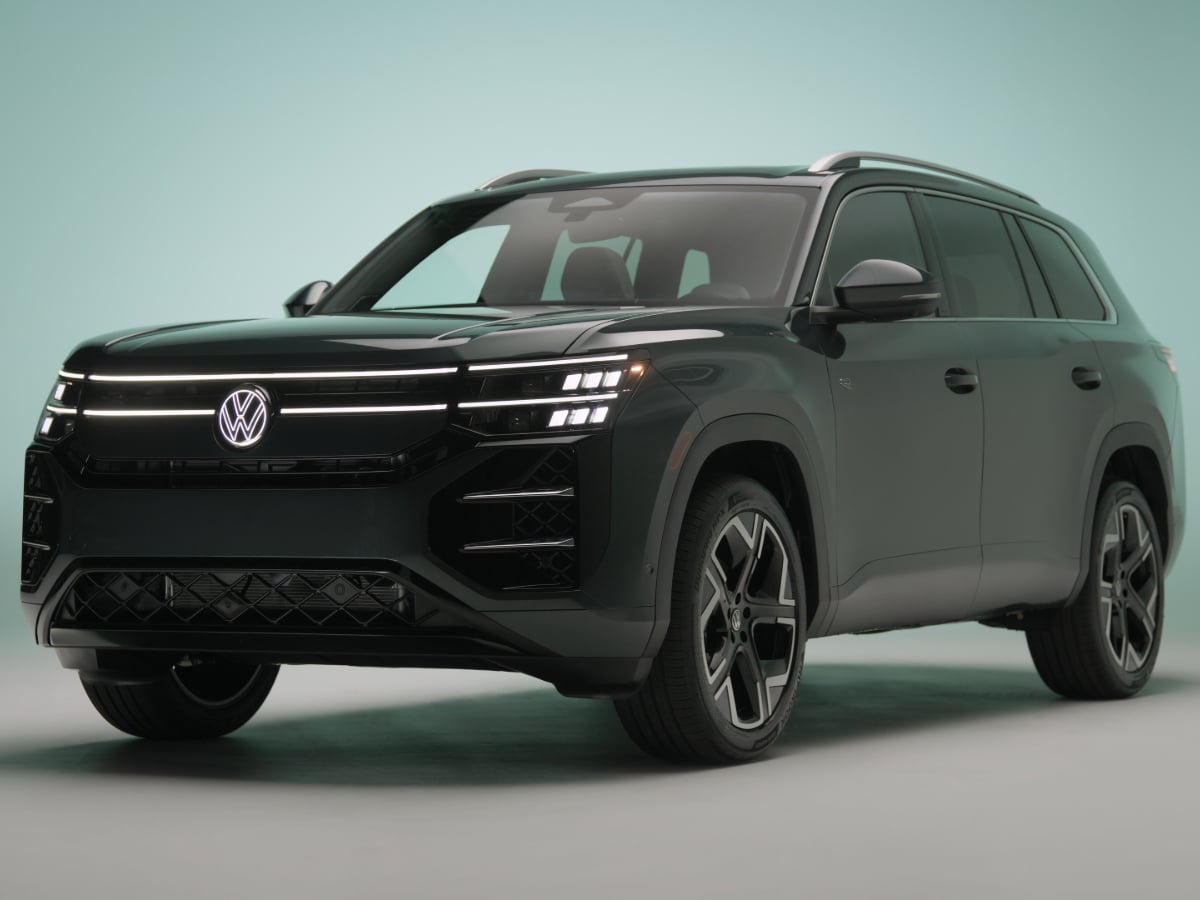
Adding European flair to the otherwise vanilla midsize three-row family SUV market, the redesigned 2027 Volkswagen Atlas debuts with a sharper exterior, an upgraded cabin, more power, and new ...See More
Read the Full Article