
When a manufacturer releases a new car, especially one with performance aspirations, there is usually a lot of talk about how quickly it can accelerate or how well it handles. However, manufacturers rarely discuss how smoothly it can stop. This makes BMW's latest electric vehicles (EVs) stand out with a new feature called Soft Stop. So, what exactly is BMW's Soft Stop, and is it something worth getting excited about?
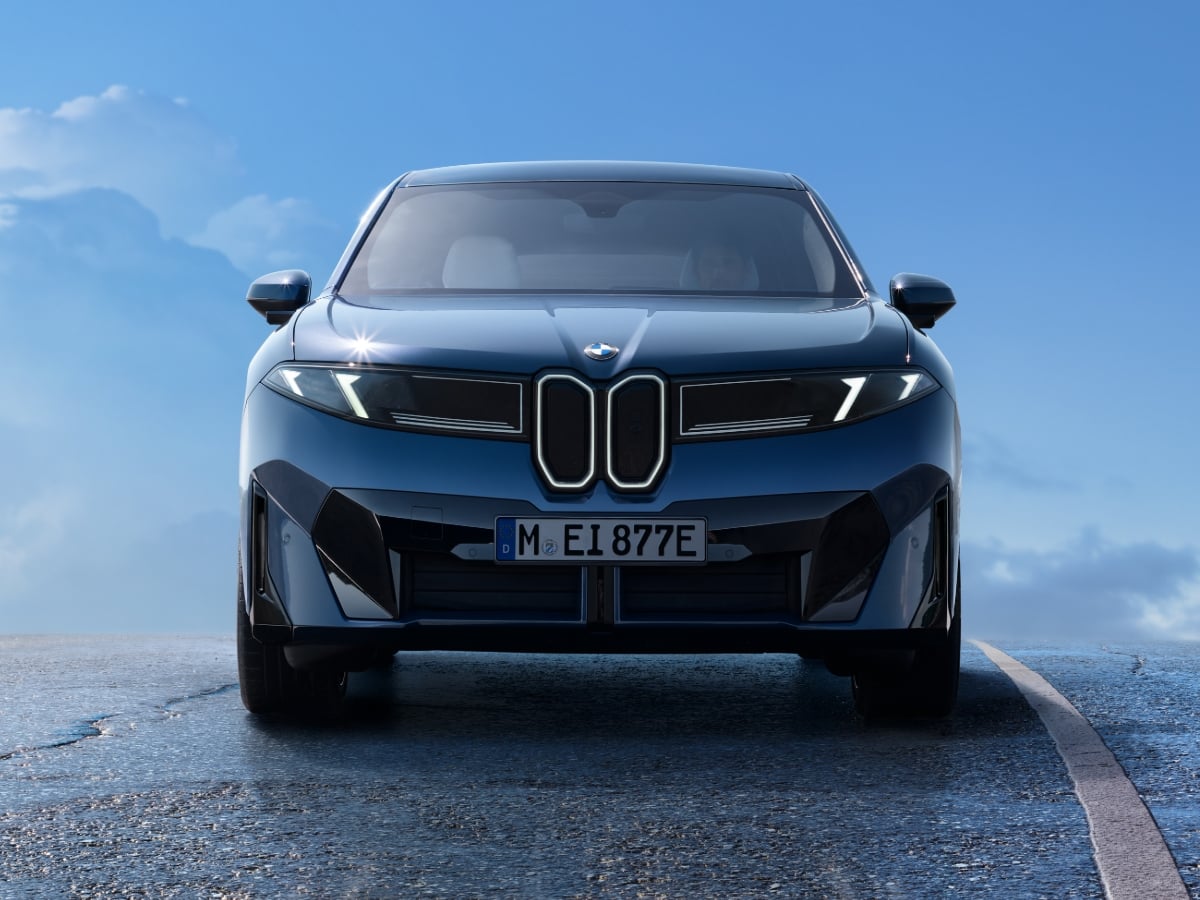
A typical car with an internal-combustion engine can only stop itself through friction brakes. Whether it is pads squeezing a disc or shoes pressing against a drum, the principle remains the same: one surface rubs against another, and the friction slows the car down.
Electric vehicles and hybrids use regenerative braking, in which the electric motor increases resistance to slow the car down. This process not only reduces speed but also sends electricity back to the battery, extending the range. Still, even full EVs with one-pedal driving mode often rely on friction brakes to come to a complete stop. That is where BMW's new technology shines.
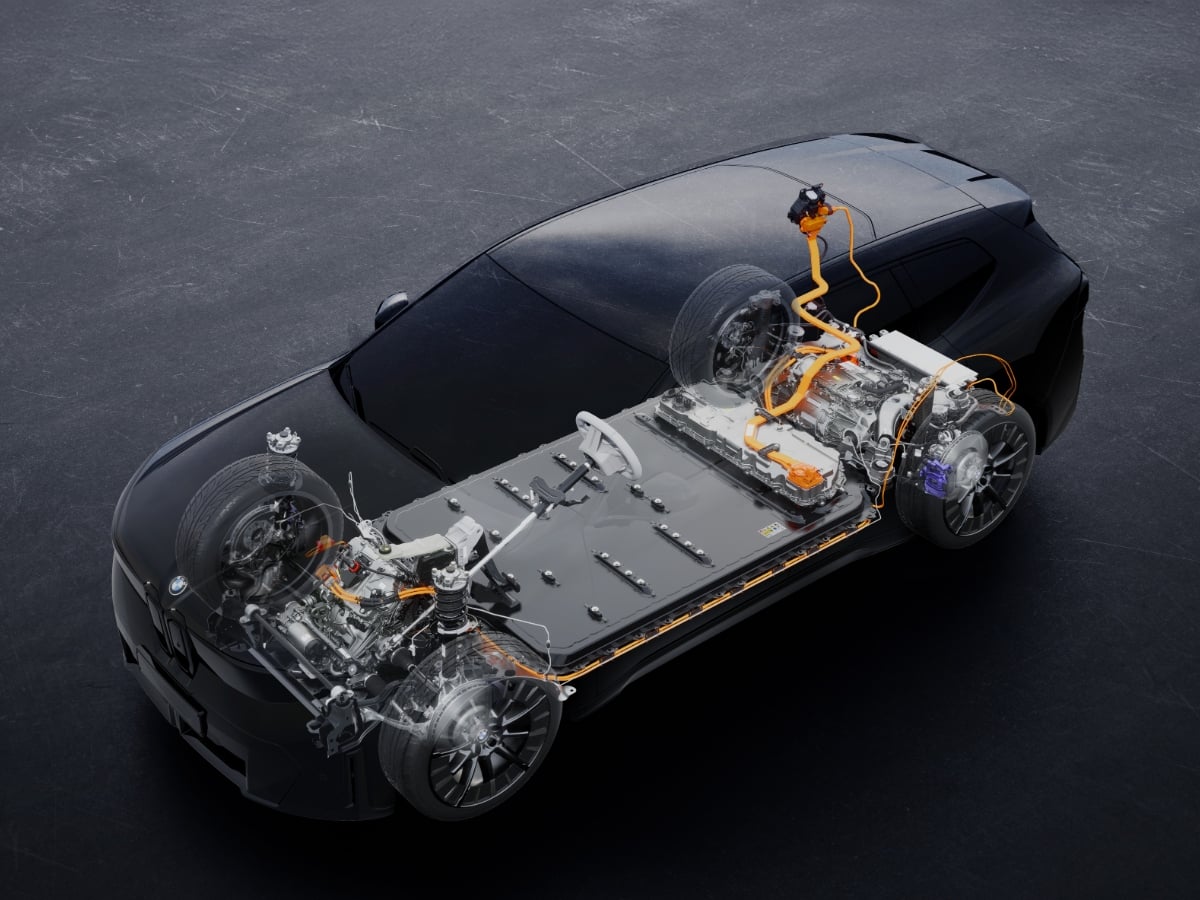
With BMW's new EVs, collectively called the Neue Klasse ("new class"), BMW significantly improved its control over the electric motors. This is thanks to the company's so-called Heart of Joy, an advanced control system.
The extra speed and power from Heart of Joy greatly improve the precision of the motor control. Because of this, the car can almost always generate all the stopping power it needs solely through recuperative braking. In fact, BMW says the car will only need to use its friction brakes two percent of the time during everyday driving.
That precise control over their motors allows the company's latest EVs to come to a complete stop without using physical brakes. The result is a smoother stop, with no subtle lurch when the car comes to a complete stop.
Pulling up to a stop sign or traffic light in the BMW iX3 SUV is so smooth that if you close your eyes, you literally cannot tell when the car has stopped. The braking control on those motors is so precise that the car does not lurch or jerk. It simply stops moving. It is an almost magical sensation.
An advancement like BMW’s Soft Stop might not seem groundbreaking, but for drivers who spend their commutes in stop-and-go traffic, it could significantly improve their quality of life. Plus, reducing reliance on physical brakes will help them last longer, marking another major step forward for EVs.
Visit the Shopping Guides section of the website to learn more about different automotive technologies.
Tim Stevens is a veteran automotive and technology journalist with over 25 years of experience covering a wide range of topics, from smartphones to supercars. In addition to jdpower.com, his expert perspectives have appeared in numerous national and international outlets, including print, online, and broadcast television.


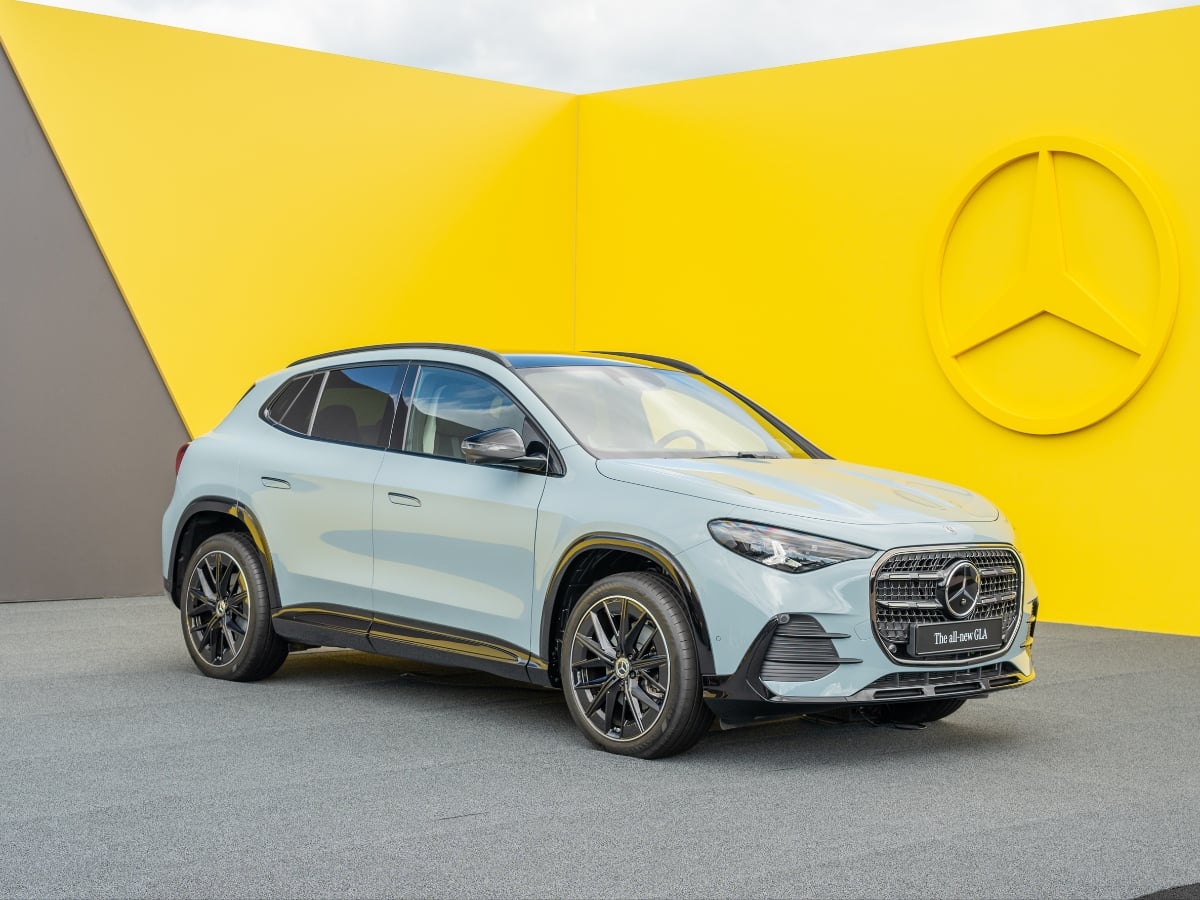
Offering both hybrid and all-electric powertrains, Mercedes-Benz's 2028 GLA SUV offers more room and more performance, helping expand the brand's presence in the ultra-competitive subcompact premium ...See More
Read the Full Article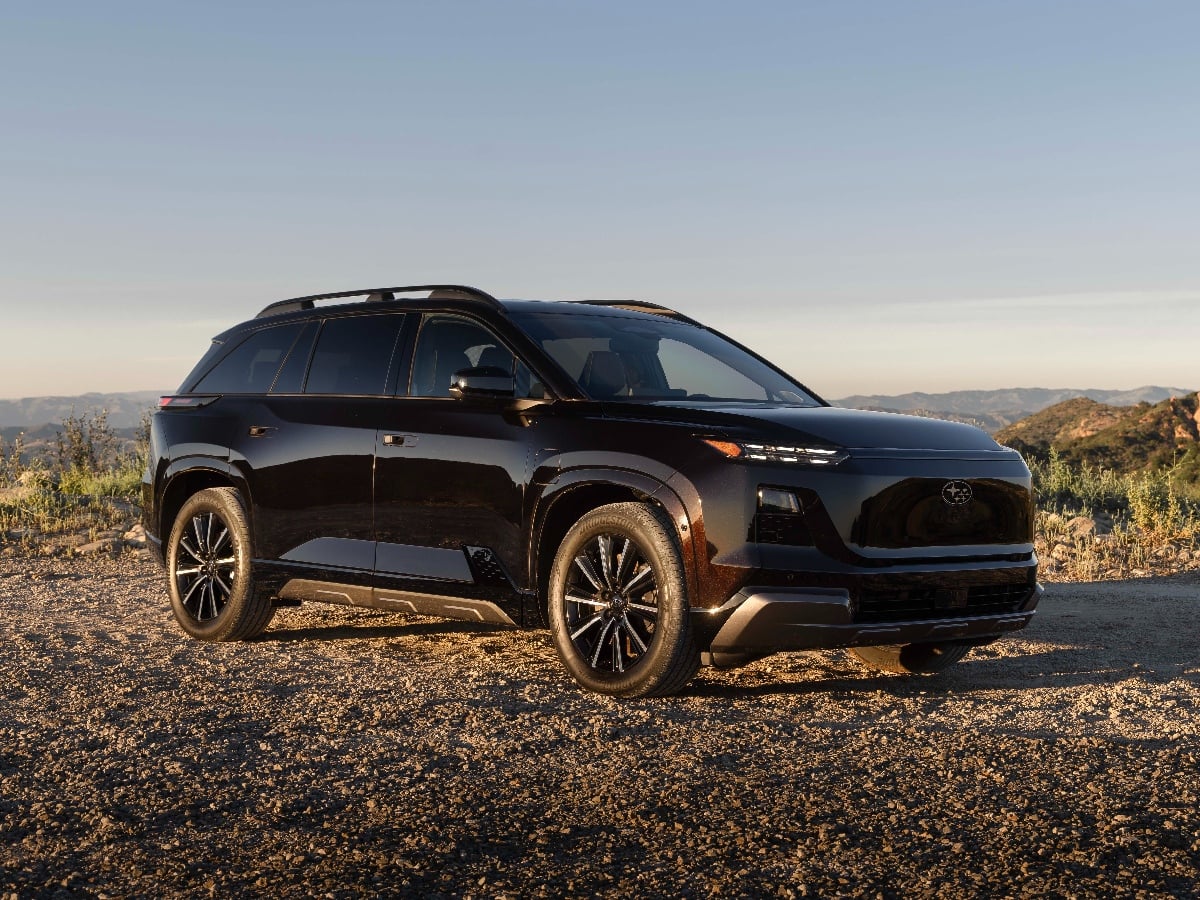
Arriving in late 2026, the new 2027 Subaru Getaway three-row SUV will be the largest of the brand’s now-trio of electric offerings, co-developed with Toyota. It has impressive specs that should make ...See More
Read the Full Article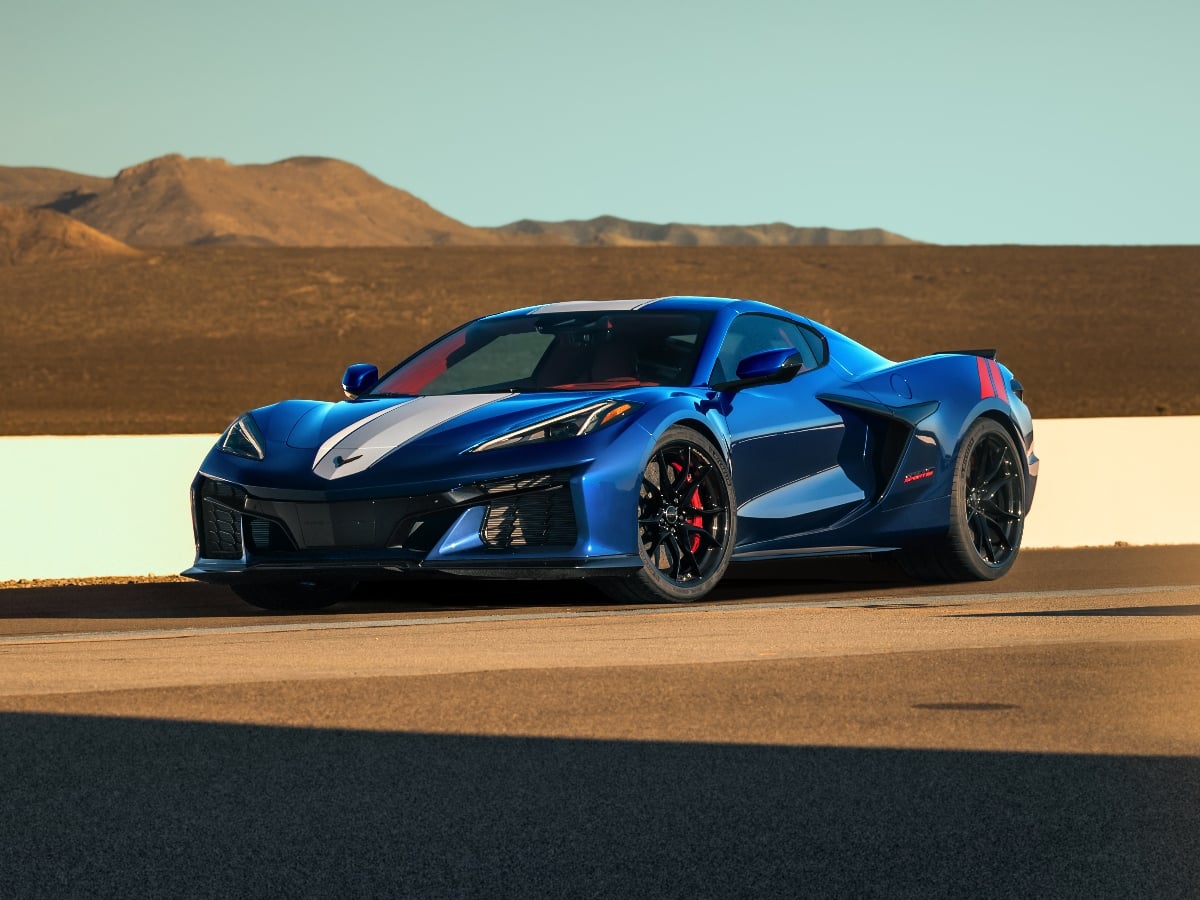
Bringing the ZR1's style to a more attainable model, the 2027 Chevrolet Corvette Grand Sport features all the best C8 go-fast bits, including an all-new 6.7-liter V8 engine.
Read the Full Article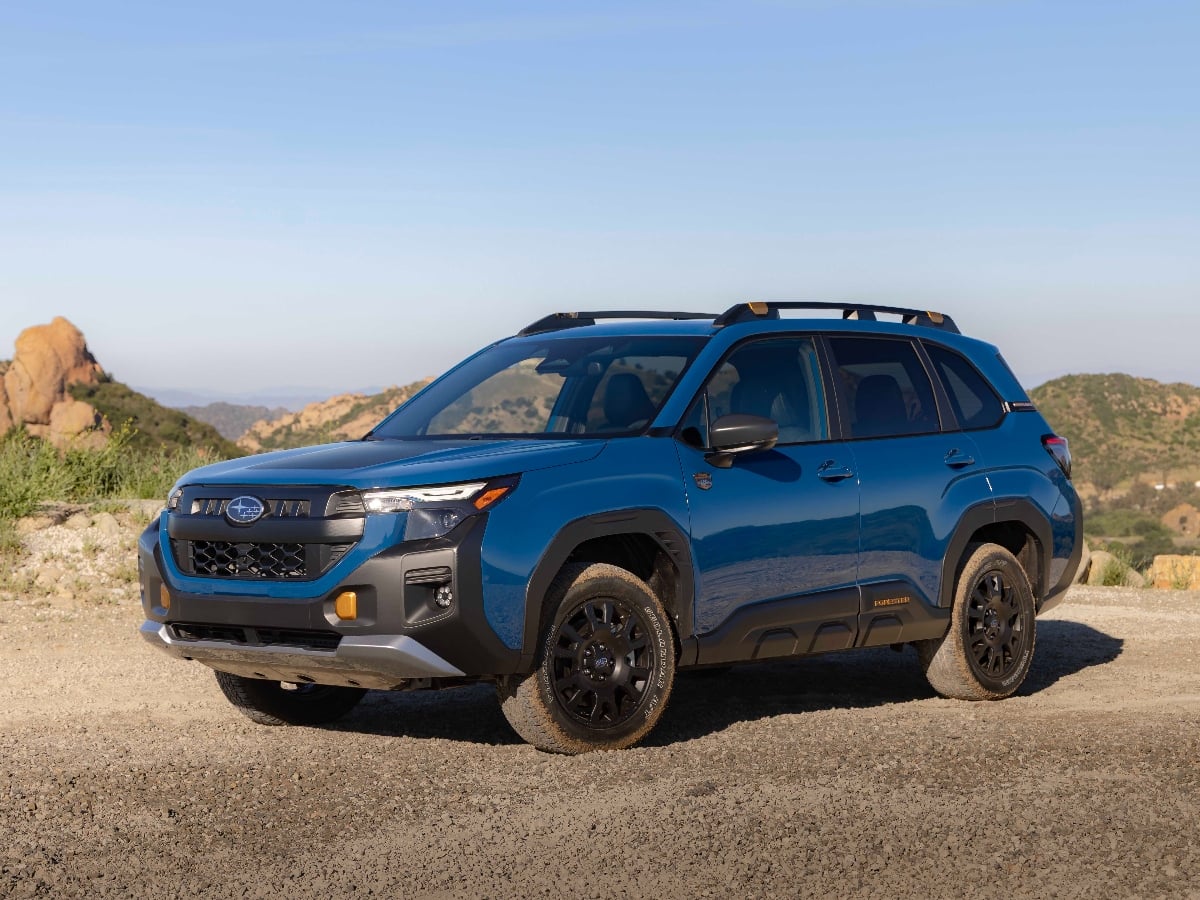
The new 2027 Subaru Forester Wilderness Hybrid brings together two branches of the existing Forester family tree: the fuel-efficient Forester Hybrid model and the off-road-oriented Wilderness trim ...See More
Read the Full Article