
When the original BMW iDrive came out over 20 years ago, it quickly became one of the pioneering systems in infotainment and telematics with its rotary dial, console-mounted controller, and vibrant, menu-based display screen. Since then, the automaker has continuously innovated and improved the system, often to high praise and sometimes to sharp criticism. The latest complete overhaul of iDrive came two years ago with iDrive 8. BMW is now giving the system a "mid-cycle facelift" before the next-generation iDrive 9 arrives. BMW calls its latest system iDrive 8.5.

Before outlining iDrive 8.5, let's recap the current iDrive 8's highlights and operation. This system gives drivers four primary ways to interface with the technology:
Depending on availability, BMW enhances the iDrive 8 system with 5G connectivity. It also integrates digital navigation and electric vehicle charging services into the cloud-based BMW Maps system. Regarding data presentation, the navigation system has three modes: reduced, adaptive, and expanded. BMW designed each to give varying map detail levels.
The iDrive system also includes BMW ID, which customizes and remembers specific settings such as seating positions, infotainment modes, and safety settings through machine learning. Each driver's ID will follow them from one BMW vehicle to another.
Finally, with automotive technology advancing rapidly, over-the-air (OTA) updates are the best way to make real-time enhancements to the iDrive system. As such, complex software updates to advanced driver assistance systems are possible with the iDrive 8 system.
The iDrive 8.5 software upgrade is more about visual and organizational changes to the existing iDrive system rather than new features. It retains all the tech advancements of iDrive 8 but has undergone a reskinning for a more streamlined and intuitive user experience with its new QuickSelect functionality.
The central premise of this setup is to eliminate submenus for a more straightforward driver interface. BMW calls this a zero-layer approach that allows deeper access to the system with fewer touches and selections. With this updated layout, all main menus will show as large vertical widgets in a logically arranged manner that clearly display their various functions on the home screen. Because BMW configures them individually, you don't need to make a selection to see what each menu item offers. Rather, you can select the various function icons with a finger swipe. BMW says the new single-press setup delivers a cleaner and more efficient presentation, making it easier and faster to operate than the current iDrive 8.
These quick-access icons include entertainment channels, contact lists, and vehicle settings. Along with the new home screen, BMW says iDrive 8.5 has a better overall menu structure, making navigating through other functions easier.
As far as significant hardware upgrades go, there aren't any. The iDrive 8.5 system uses the same dual-screen layout with two curved displays as the existing setup—one for the instrument cluster and one for the infotainment system. However, both screens receive new graphics more consistent with the brand's visual identity and deliver a more modern and attractive look that will underpin the next iDrive iteration.
From a programming standpoint, BMW will continue to base the iDrive system on Linux software language. BMW plans to introduce the new operating iDrive 8.5 system to all its midsize, executive, and luxury model ranges.
BMW will begin rolling out iDrive 8.5 on specific models starting in the summer of 2023, either as they launch to market or via OTA updates. Here are the BMW models that will initially receive iDrive 8.5:
BMW's stated priority remains centered on touch and voice controls. This philosophy further evolves with iDrive 9, which the automaker says will debut on the 2024 BMW X1. Unlike iDrive 8.5, which uses a Linux-based operating system, the ninth installment of the iDrive system will move to an Android architecture, which requires substantially different coding. However, BMW says the user experience will be similar to iDrive 8.5 and share the same basic structure and logic.
"Today, BMW iDrive is more than just a control and operating system—it's a digital world of experience allowing humans and cars to interact with one another and exchange information," said Stephan Durach, Senior Vice President of BMW Group Connected Company Development. "As we said at the Consumer Electronics Show in Las Vegas in January 2023, we are continuously enhancing the associated user experience based on the latest available technology."
Like previous iDrive setups, iDrive 8.5 strives to create a solid and natural connection between people and their vehicles. It continues to offer all the features of the existing system, including AI integration, natural language recognition, and 5G capability. That advanced connectivity, convenience, and personalization now take on a new presentation.
Jessica Shea Choksey is an experienced writer in the automotive field. In addition to JDPower.com, she was a correspondent for PBS's MotorWeek. Her work has also appeared in AutoTrader.


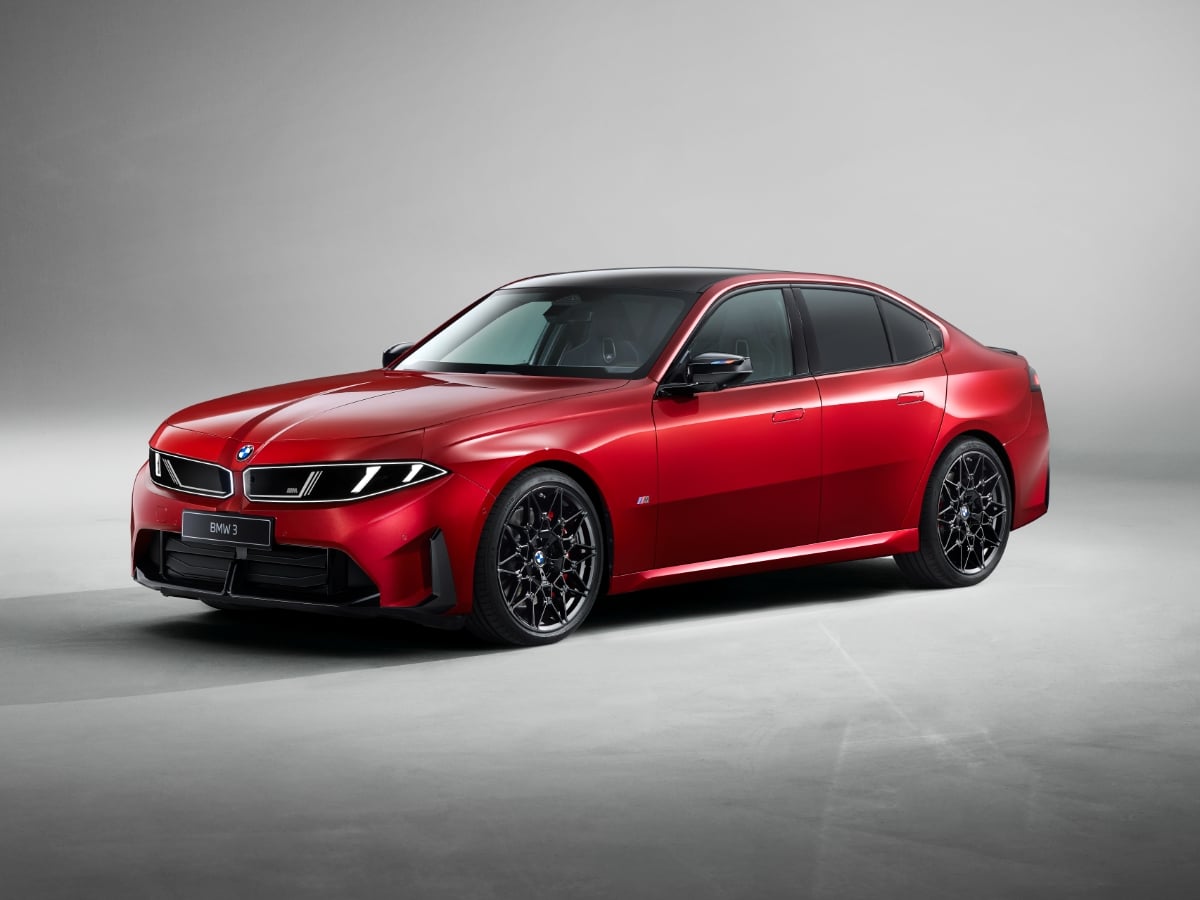
Part of BMW’s Neue Klasse (new class) rollout of redesigned models, the 2027 BMW 3 Series is all-new and goes on sale in the first quarter of 2027.
Read the Full Article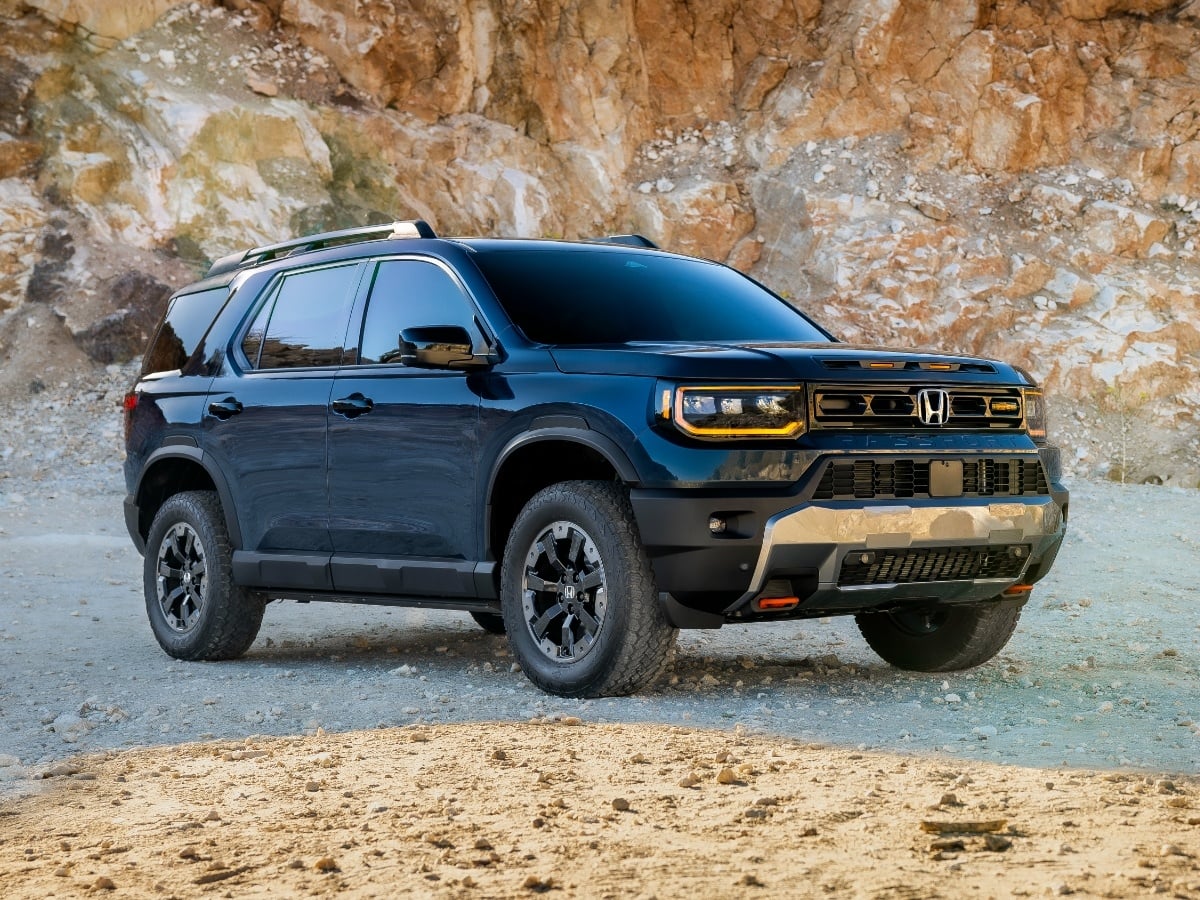
Updates to the 2027 Honda Passport TrailSport include a reworked suspension, improved steering, subtle styling enhancements, and added standard equipment.
Read the Full Article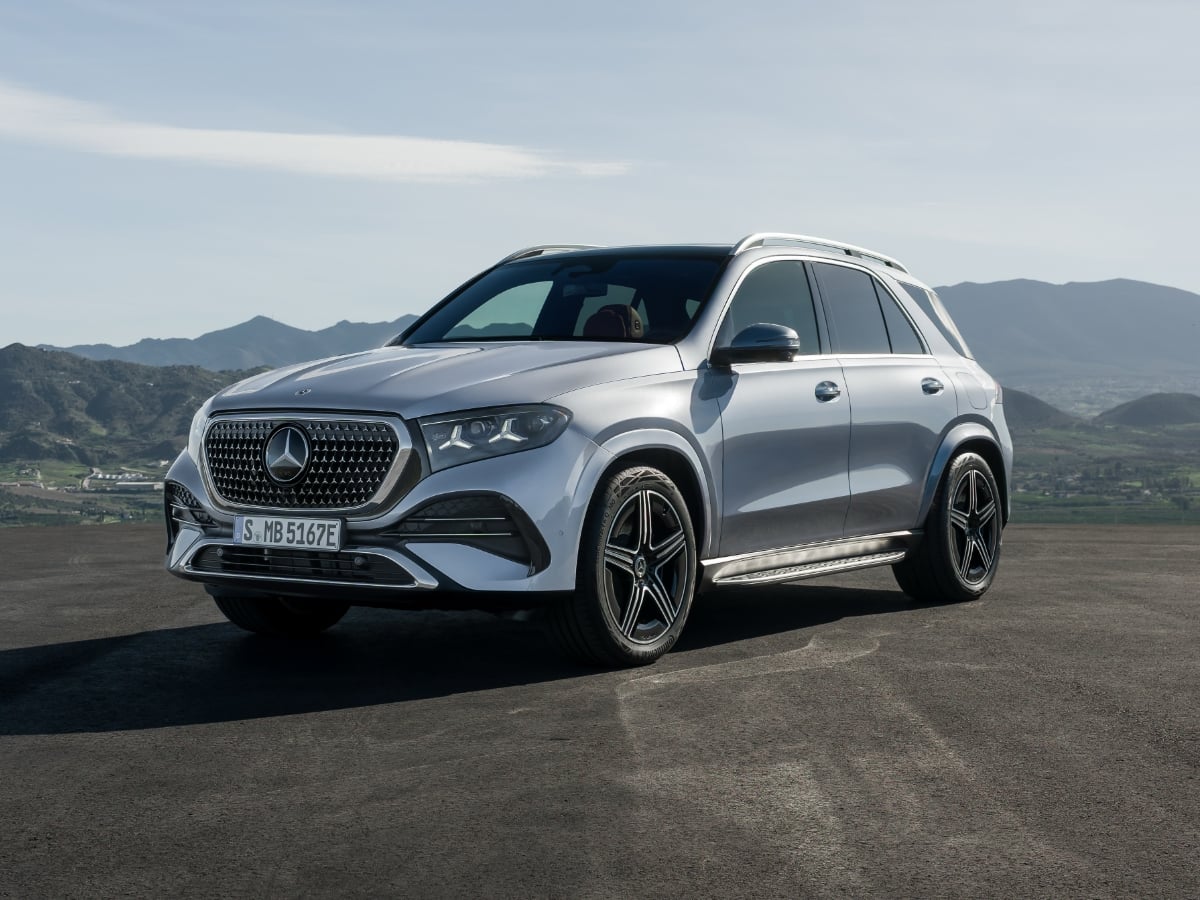
The midsize 2027 Mercedes GLE remains available in original and spicy Coupe recipes, now with standard 4Matic all-wheel drive (AWD), MBUX Superscreen technology, and a panoramic glass sunroof for ...See More
Read the Full Article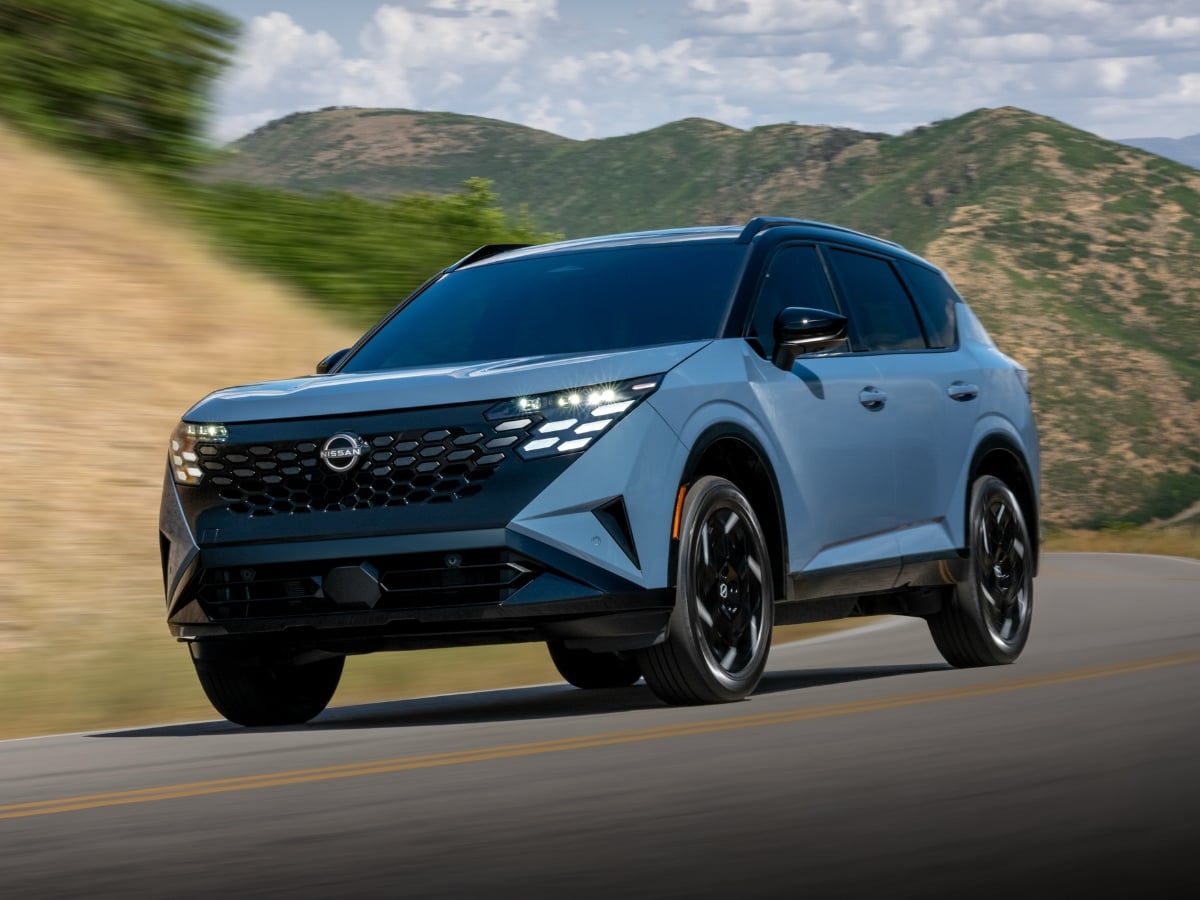
Nissan is about to introduce an innovative new SUV. The 2027 Nissan Rogue Hybrid has a gasoline engine, but it does not power the wheels. Instead, electric motors at each axle provide propulsion, ...See More
Read the Full Article