
The term "sport sedan" refers to a category of vehicles that combine the practicality of a traditional sedan with the performance attributes of pricier sports cars. Setting themselves apart from their non-performance siblings, automakers design their sport sedans to deliver a more engaging driving experience, offering greater acceleration, agility, and overall athleticism. Let's delve into the key attributes of sport sedans and look at a few specific examples along the way.

At the core of a sport sedan's appeal is power and performance. Unlike standard sedans, which focus primarily on passenger comfort, convenience, and fuel efficiency, sport sedans are designed to offer a more spirited driving experience. This is achieved with a potent combination of performance enhancements, including more powerful engines, refined drivetrains, and aerodynamic elements.
For example, the Honda Civic Si and Hyundai Elantra N have turbocharged engines that deliver significantly more horsepower than their non-sporting counterparts. Similarly, the Audi S4 and BMW M3 feature high-performance engines that enhance acceleration and provide a more engaging throttle response.
Ultimately, automakers engineer their sport sedans to produce greater horsepower and torque. These characteristics help distinguish them from regular sedans' more sedate driving capabilities.
Handling prowess is a critical factor in defining a sport sedan. Upgraded suspension components and performance-tuned chassis systems ensure that sport sedans handle curves and corners with agility and precision.
While standard sedans are made to provide a smooth and comfortable ride, sport sedans are built with handling and steering response as priorities. This involves a more sophisticated suspension setup, often including a sport-tuned steering system, lower ride heights, and stiffer springs.
The Volkswagen Jetta GLI, for example, features a sport-tuned suspension that VW says improves cornering stability and reduces body roll, allowing for a more connected and responsive driving experience. Similarly, the Mercedes-AMG C43 boasts adaptive dampers that adjust to driving conditions, providing comfort during daily commutes and enhanced performance on twisty roads.
These suspension improvements are defining for sport sedans, as they offer drivers greater confidence and control behind the wheel and more enjoyment overall.
Aesthetics also play a role in distinguishing sport sedans from their standard counterparts. Sport sedans often feature aggressive design elements that highlight their performance credentials. These can include lower and wider stances, sportier front grilles, and aerodynamic enhancements such as side skirts and rear spoilers.
For example, the Audi S4 sports a distinctive front bumper with larger air intakes and a more pronounced grille, giving it a more aggressive appearance than the standard Audi A4. Likewise, the BMW M3's broader fenders and quad exhaust tips contribute to its sporty look, signaling its high-performance capabilities.
These design elements enhance the vehicle's visual appeal and offer functional benefits. They can significantly impact aerodynamics, which can improve performance and efficiency. Airflow elements also have advantages in cooling brakes, tires, and other components.
The emphasis on performance often extends to the interior of sport sedans. Driver-focused technology, design elements, and premium materials create a more cockpit-like environment and experience. Sport seats with additional bolstering, unique stitching, and exclusive trim materials, such as carbon fiber or gloss black surfaces, are common features that set sport sedans apart from regular models.
Many sport sedans offer sport seats with integrated headrests for better support during spirited driving. Technology-wise, sports sedans often come equipped with performance data displays, specialized instrumentation, flat-bottomed steering wheels, and paddle shifters that allow drivers to tailor their driving experience.
While sport sedans offer a range of performance and design enhancements, they come at a premium compared to standard sedans. The cost of a sport sedan typically reflects its advanced engineering, performance features, and premium materials. However, a wide range of sport sedans are available, from more affordable options like the Honda Civic Si and Hyundai Elantra N to higher-end models like the BMW M3 and Mercedes-AMG C43.
A sport sedan combines the practicality of a traditional sedan with the performance and excitement of a sports car. By offering enhanced performance, handling, and design, they provide a driving experience that appeals to enthusiasts while maintaining everyday usability.
To learn more about various automotive topics, visit the Shopping Guides section of the website.
Jessica Shea Choksey is an experienced writer in the automotive field. In addition to JDPower.com, she was a correspondent for PBS's MotorWeek, and her work has appeared on Autotrader.


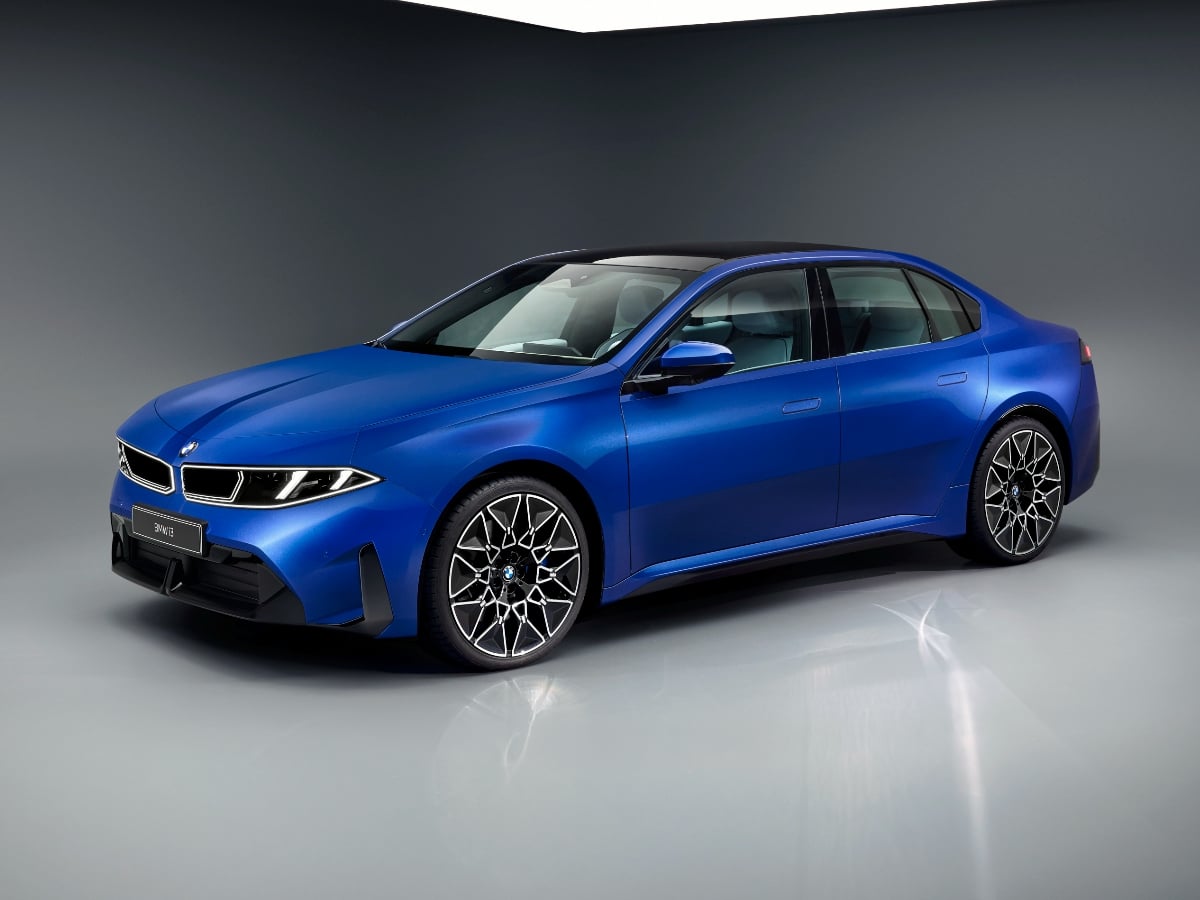
The new 2027 BMW i3 boasts an estimated range of up to 440 miles, 400-kilowatt DC fast charging capability, bidirectional charging to a home or the grid, and next-generation technology.
Read the Full Article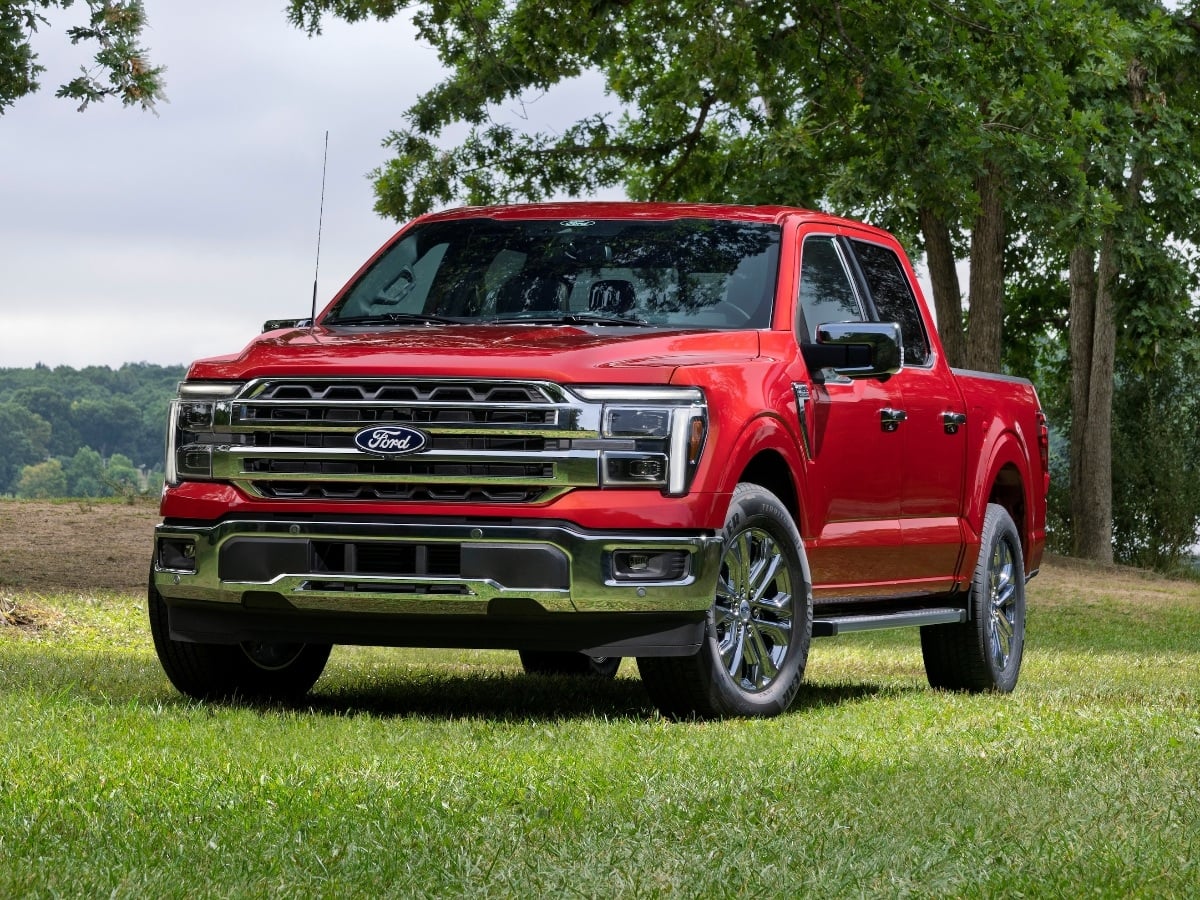
Facing renewed competition in the full-size, light duty pickup truck segment, the 2027 Ford F-150 receives subtle styling updates, a new standard engine, broader availability of its 5.0-liter V8, and ...See More
Read the Full Article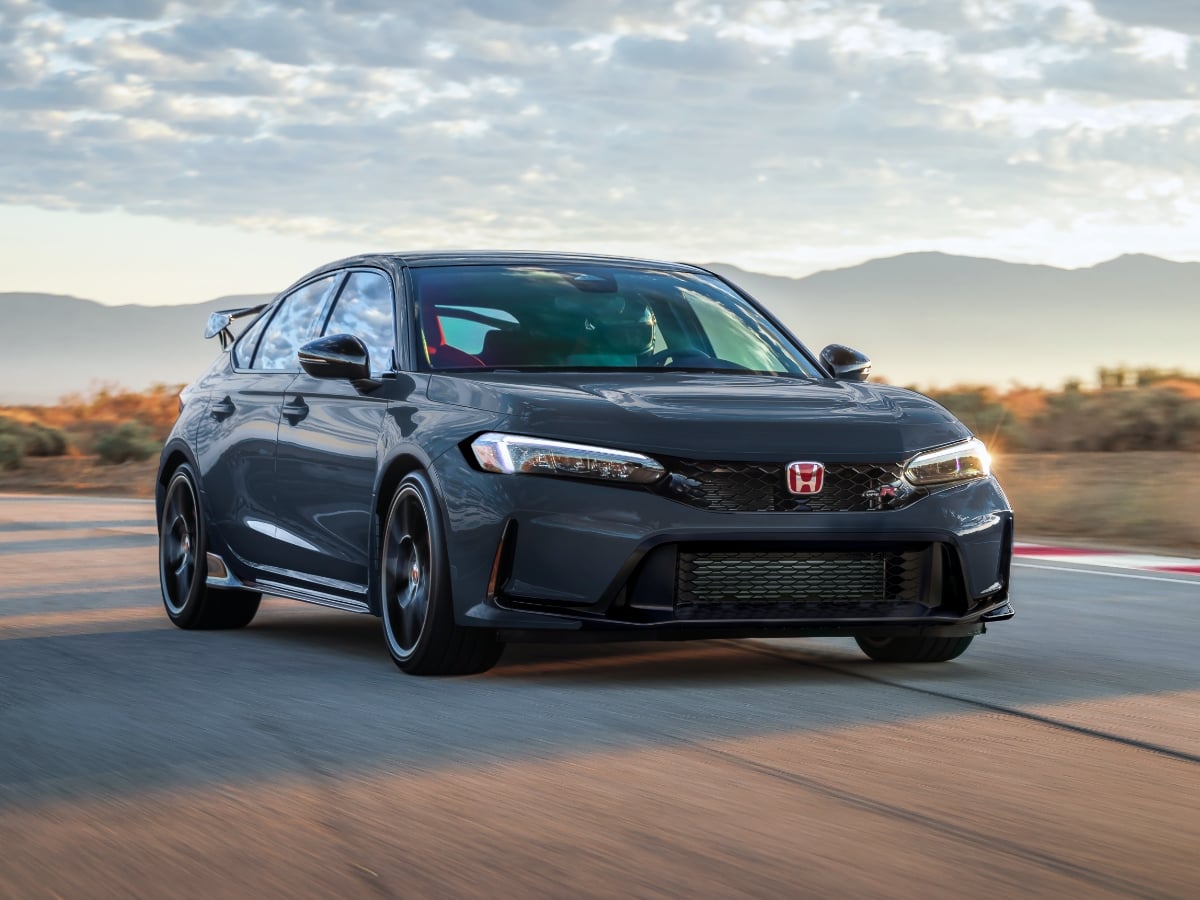
The 2027 Civic Type R goes on sale in October 2026, and it starts at $49,990, including the $1,295 destination charge.
Read the Full Article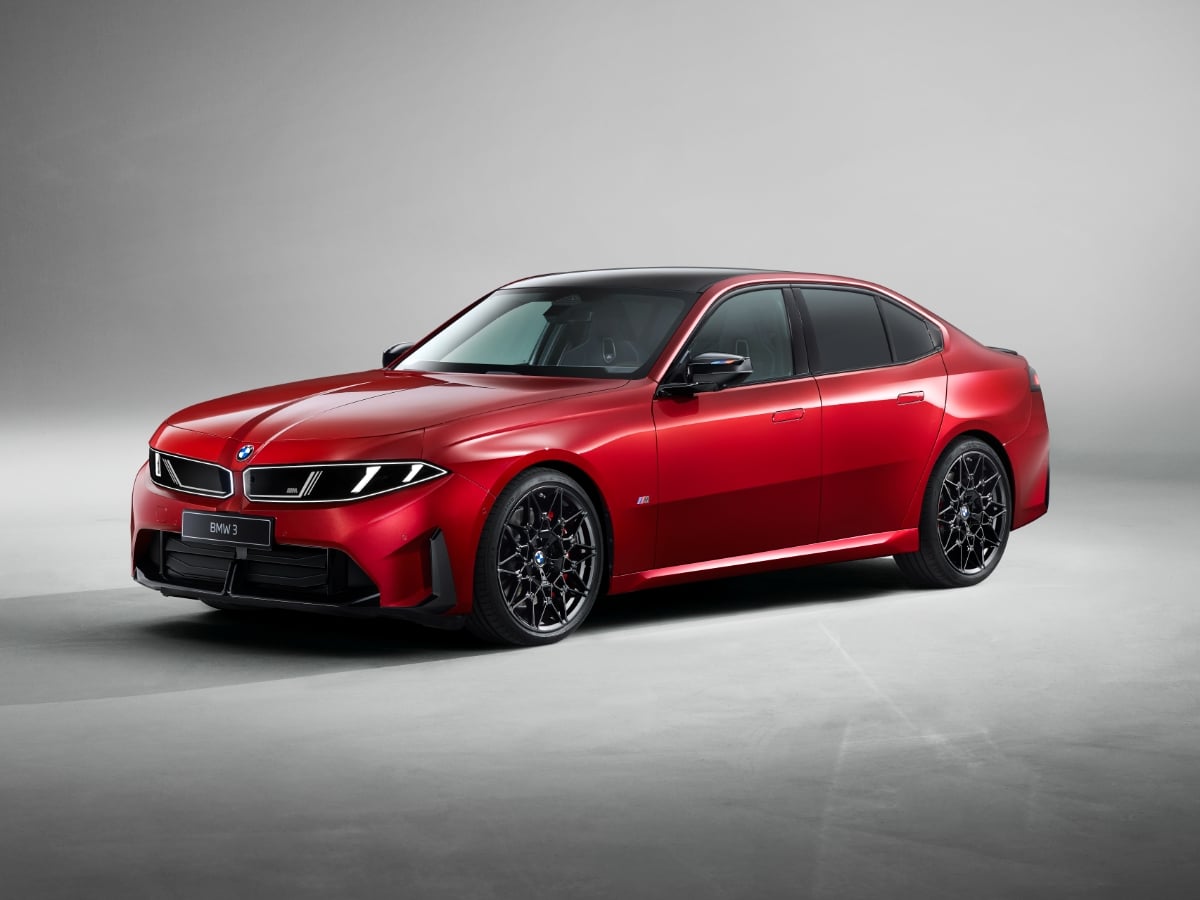
Part of BMW’s Neue Klasse (new class) rollout of redesigned models, the 2027 BMW 3 Series is all-new and goes on sale in the first quarter of 2027.
Read the Full Article