
Almost every vehicle with an automatic transmission sold today uses letter codes to represent the different gear modes. Each mode is usually self-explanatory, such as “D” for Drive or “R” for Reverse.

However, some vehicles have an additional setting—“L”—that may not be immediately clear. Discover what “L” stands for, how a vehicle drives in “L” mode, and when drivers should consider using it.
The transmission, or gearbox, transmits the engine’s power to the drive wheels. Most transmission systems feature multiple gears or speeds, which optimize energy transmission.
For example, lower gears prioritize torque and acceleration, allowing the vehicle to move from a stationary position and pull loads smoothly. Higher gears enable it to reach and maintain higher speeds comfortably but accelerate less quickly, such as when driving on a highway.
The best way to drive smoothly and optimize the vehicle’s fuel efficiency is to select the appropriate gear based on speed and current road conditions.
In a manual transmission (MT), the driver can select the gear they need—indicated by a number from 1 to 6, or 1 to 5 for forward gears and “R” for Reverse—by pressing the clutch pedal and adjusting a lever to the corresponding position.
Most automatic transmissions (AT) eliminate the clutch pedal and the traditional gear shifter. While they still have gears, ATs use various mechanical and electronic sensors to detect the vehicle speed, engine load, and throttle input. Depending on the driving conditions, an AT gearbox will automatically select the right gear.
While a vehicle with an automatic transmission has a gear shifter, it functions differently from the type found in a manual vehicle.
The driver does not manually switch between every gear available in an AT vehicle. Instead, the shifter has gear modes, displayed using letter codes, which direct the vehicle’s operation.
Most automatic transmissions produced since the 1940s feature four modes, usually arranged in the familiar P-R-N-D order:
Most modern vehicles with automatic transmissions have an additional setting after “D,” denoted by the letter “L.” This setting refers to Low or Low Gear mode.
Setting the gear shifter to “L” is similar to setting it to “D” but restricts the transmission to using the lower gear ranges. In older, 4-speed AT gearboxes, “L” only locks it to the first gear.
In more modern AT gearboxes with five or more gears, the “L” mode typically limits it to first and second gear. If the AT gearbox has a high number of gears (a nine-speed or more), “L” can also include the third gear.
Some transmissions feature a dedicated “2” mode in addition to “L.” In vehicles with AT gearboxes, L locks the transmission into first gear while 2 locks it to either first or second. Specific models may have a mode marked “3,” “D-3,” or “3-D,” which enables access to the third gear.
Many drivers never use the “L” gear mode and select “D” when driving forward. However, using the “L” gear can sometimes be beneficial. Below is a list of situations where a driver may want to set the shifter to “L”:
Although setting the shifter to “L” can be beneficial in many scenarios, drivers should not rely on it for regular driving conditions.
Locking the transmission to lower gears will force the engine to spin faster and generate higher RPMs. Frequent driving in “L” mode decreases fuel economy and accelerates engine and transmission wear. If the current conditions no longer require “L” mode, always set the transmission to “D” again.
The best way to use the “L” mode on an automatic transmission is as a safety tool when driving in specific conditions. It gives drivers constant access to the engine’s pulling power, making it easier to tow heavy loads or make the vehicle more predictable on poor roads. Responsible usage of “L” mode is necessary for safe driving.
Research used cars, trucks, and SUVs at JD Power, including models fitted with the latest automatic transmission technologies. Compare specifications, view photos, and get accurate retail, resale, and trade-in pricing for hundreds of models and trim levels.
Corentin’s passion for the automotive world started when he was just seven years old, during a life-changing visit to an auto museum. Now a seasoned writer, Corentin channels that early fascination into every piece he writes, whether he’s exploring the latest car trends or automotive history. But his expertise doesn't end there—he also brings his insights to topics like home improvement, the boating and yachting industry, personal finance tips, and cutting-edge tech.


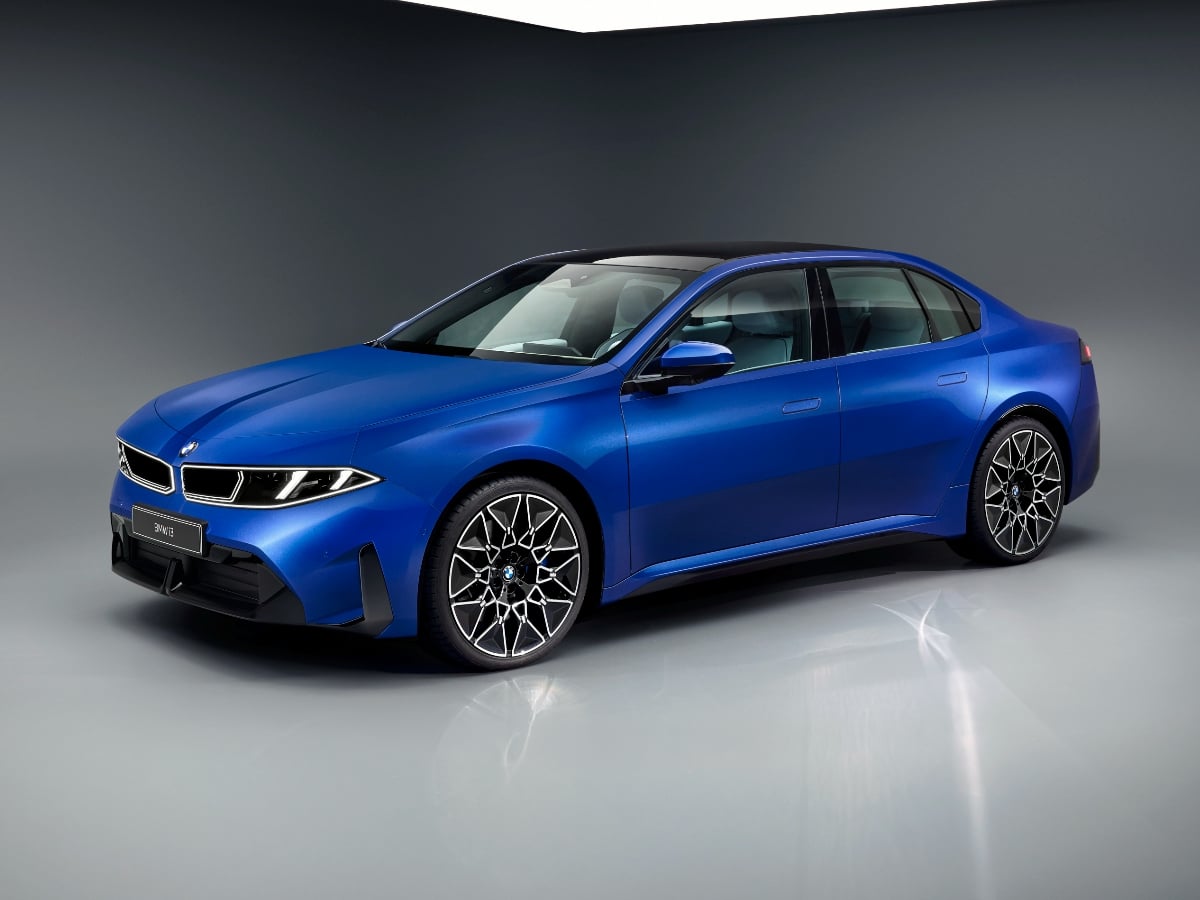
The new 2027 BMW i3 boasts an estimated range of up to 440 miles, 400-kilowatt DC fast charging capability, bidirectional charging to a home or the grid, and next-generation technology.
Read the Full Article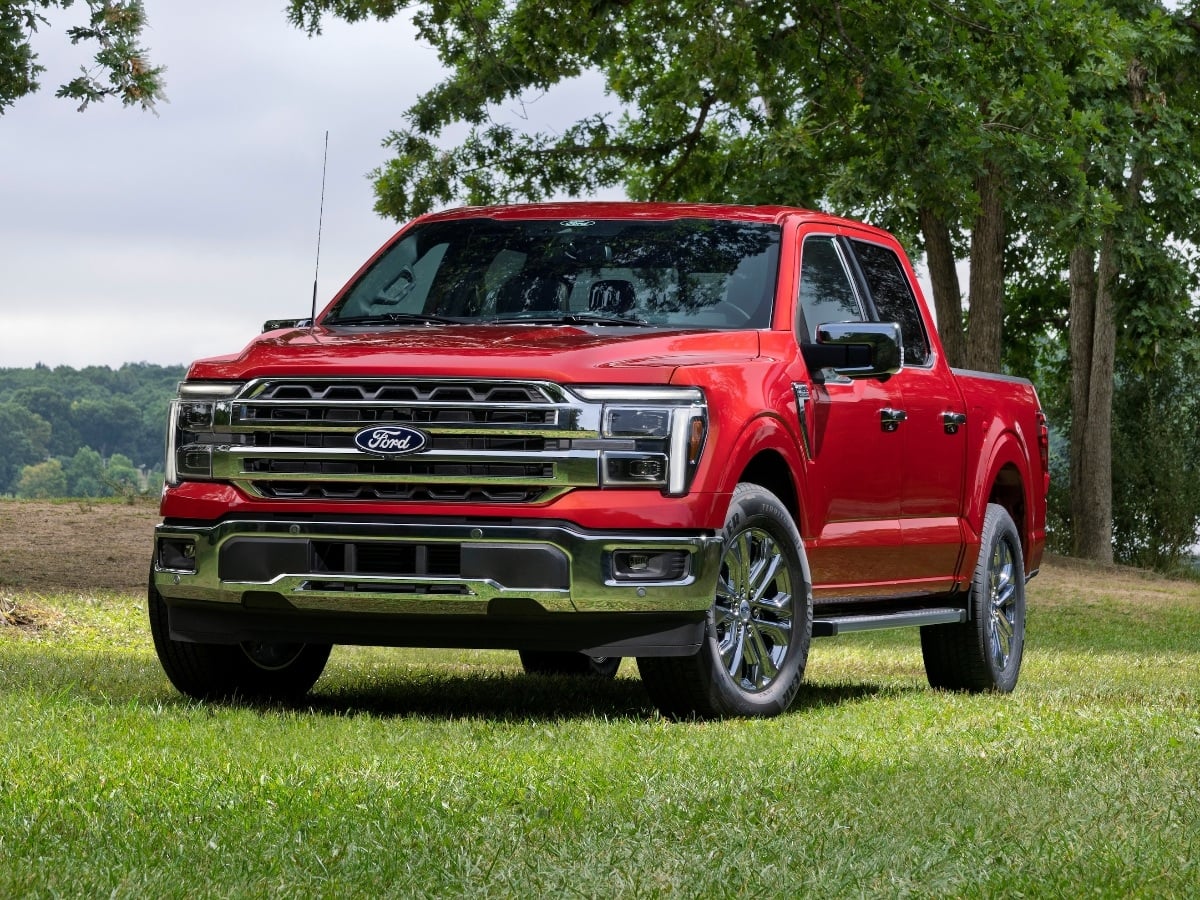
Facing renewed competition in the full-size, light duty pickup truck segment, the 2027 Ford F-150 receives subtle styling updates, a new standard engine, broader availability of its 5.0-liter V8, and ...See More
Read the Full Article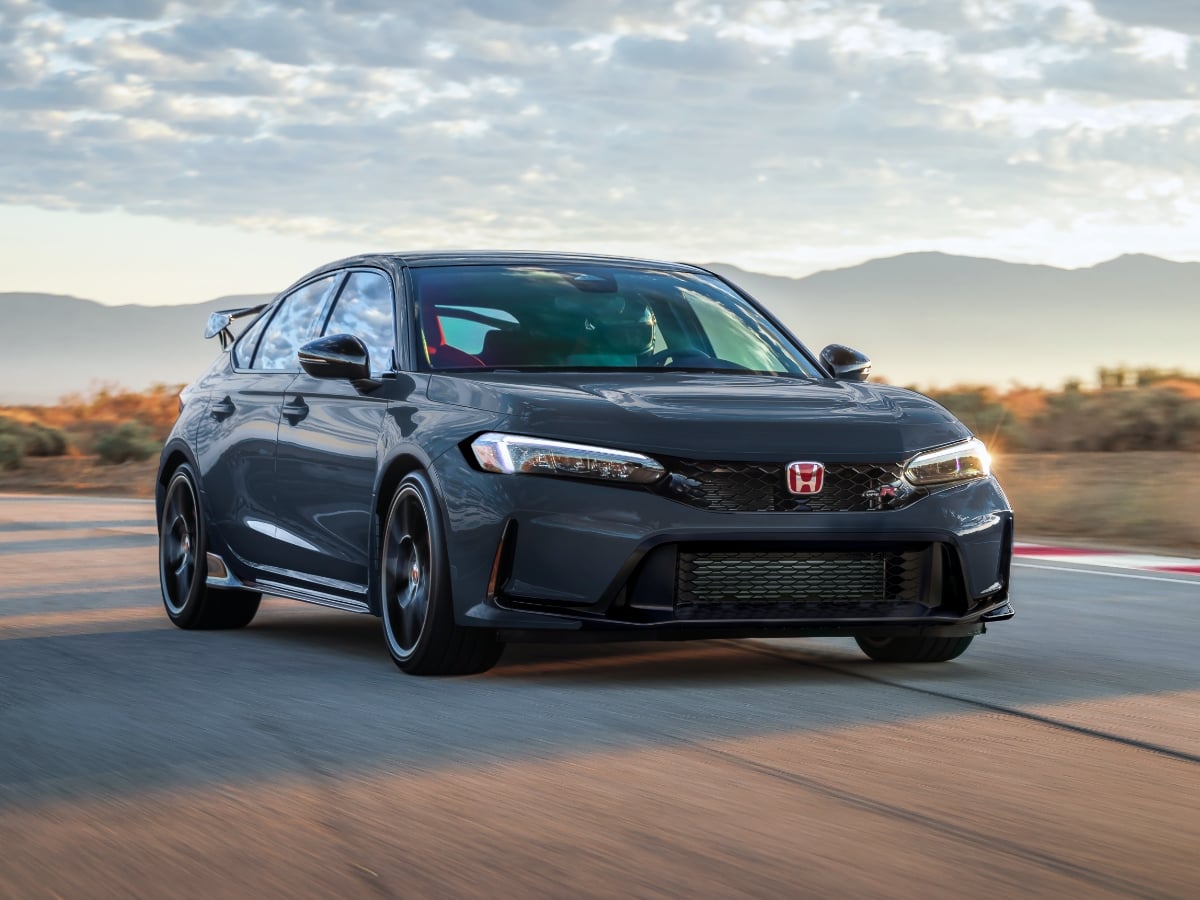
The 2027 Civic Type R goes on sale in October 2026, and it starts at $49,990, including the $1,295 destination charge.
Read the Full Article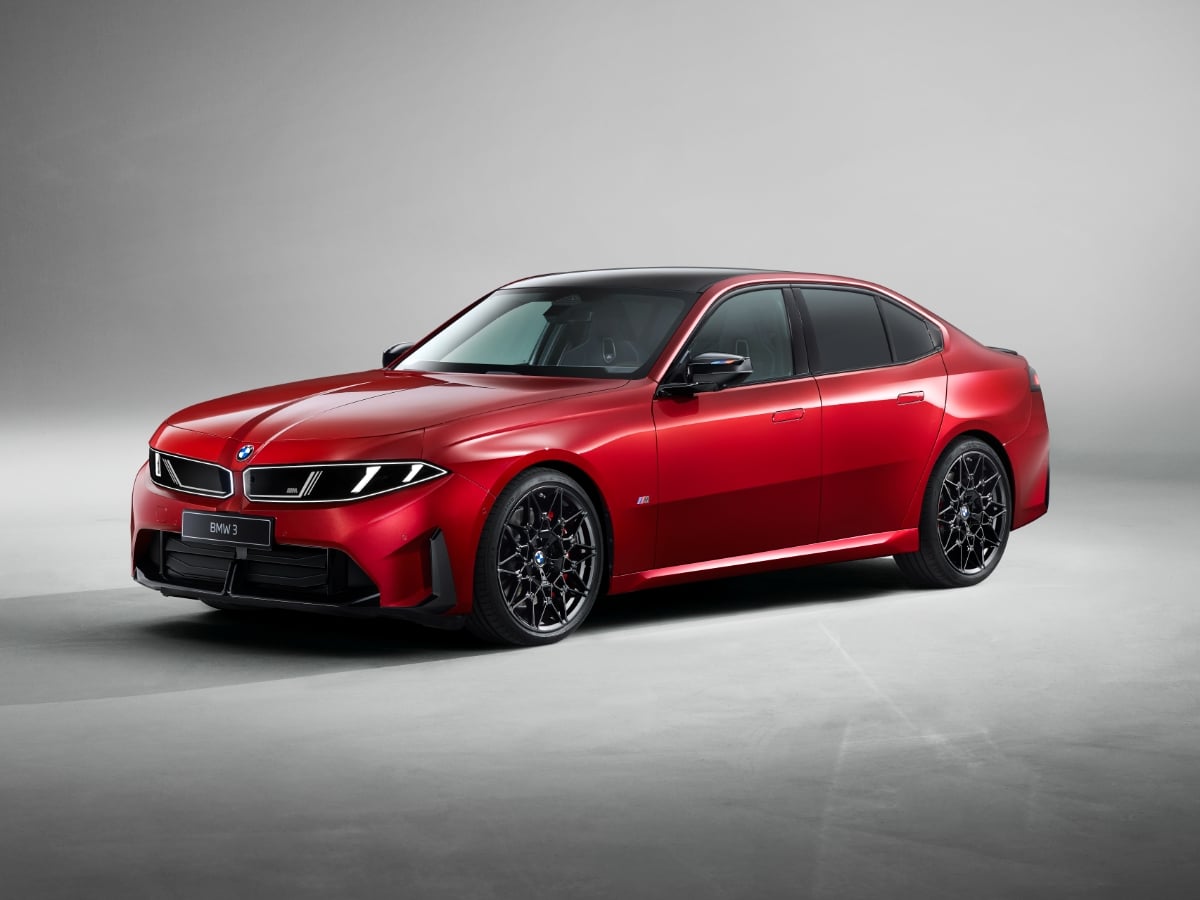
Part of BMW’s Neue Klasse (new class) rollout of redesigned models, the 2027 BMW 3 Series is all-new and goes on sale in the first quarter of 2027.
Read the Full Article